

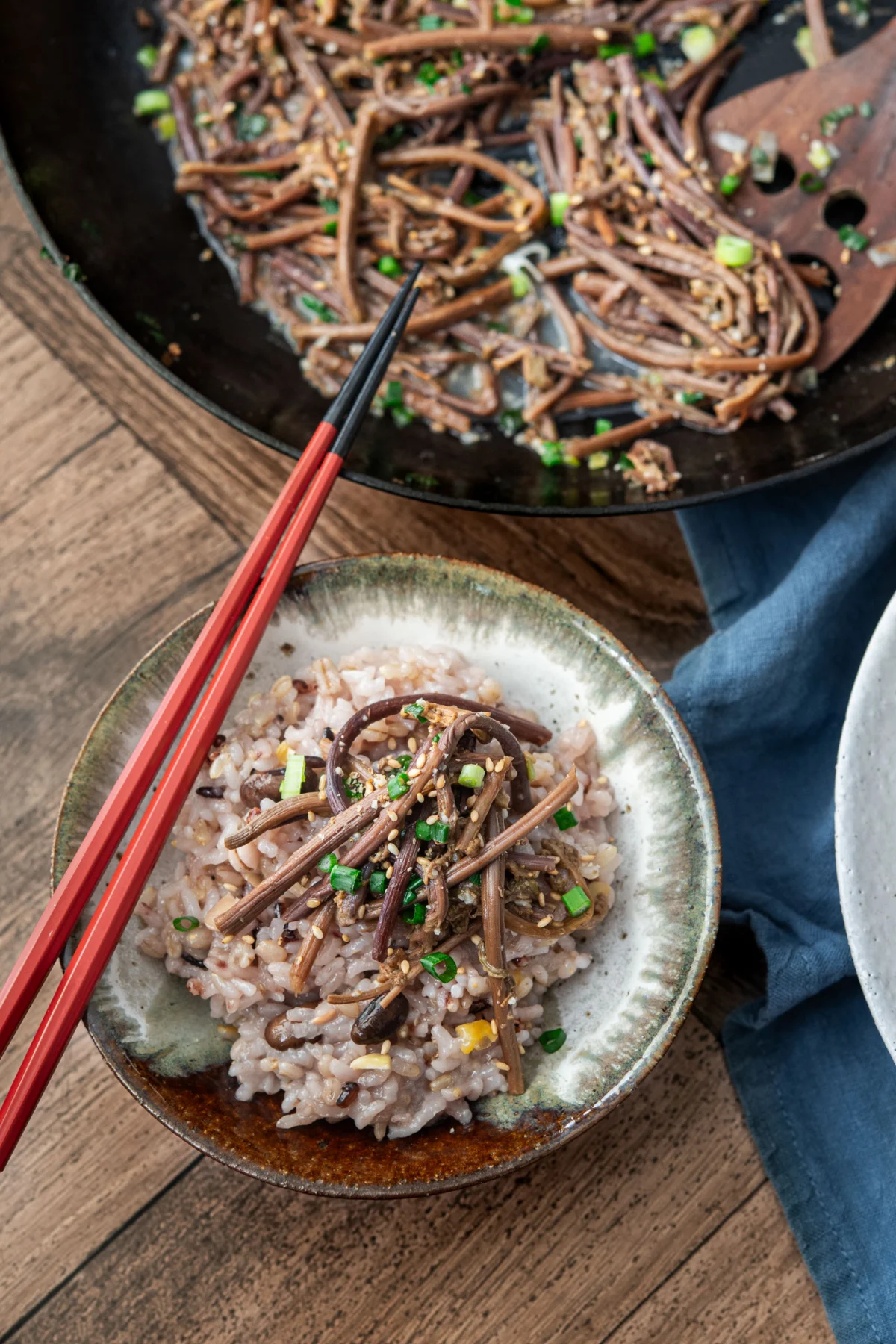
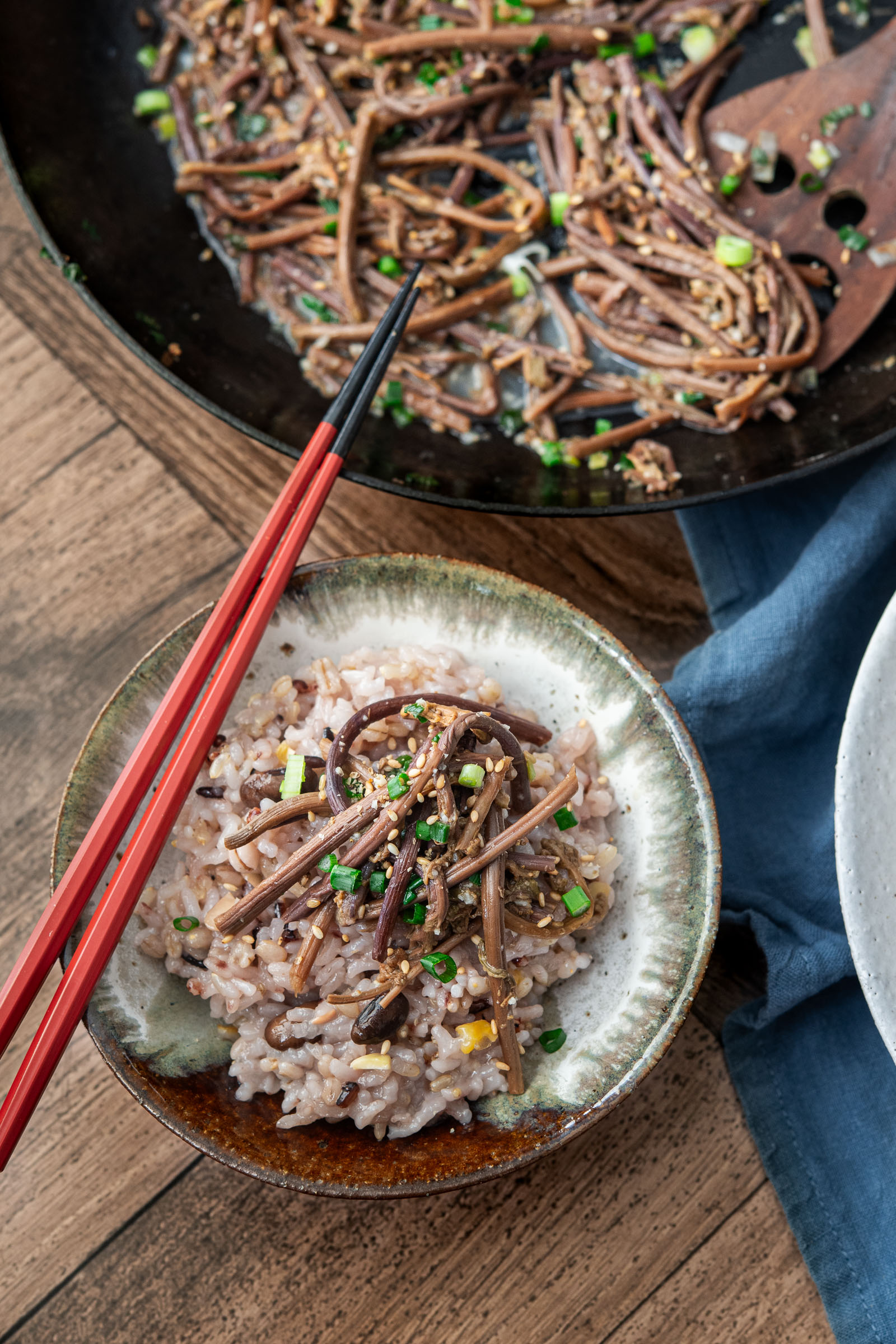
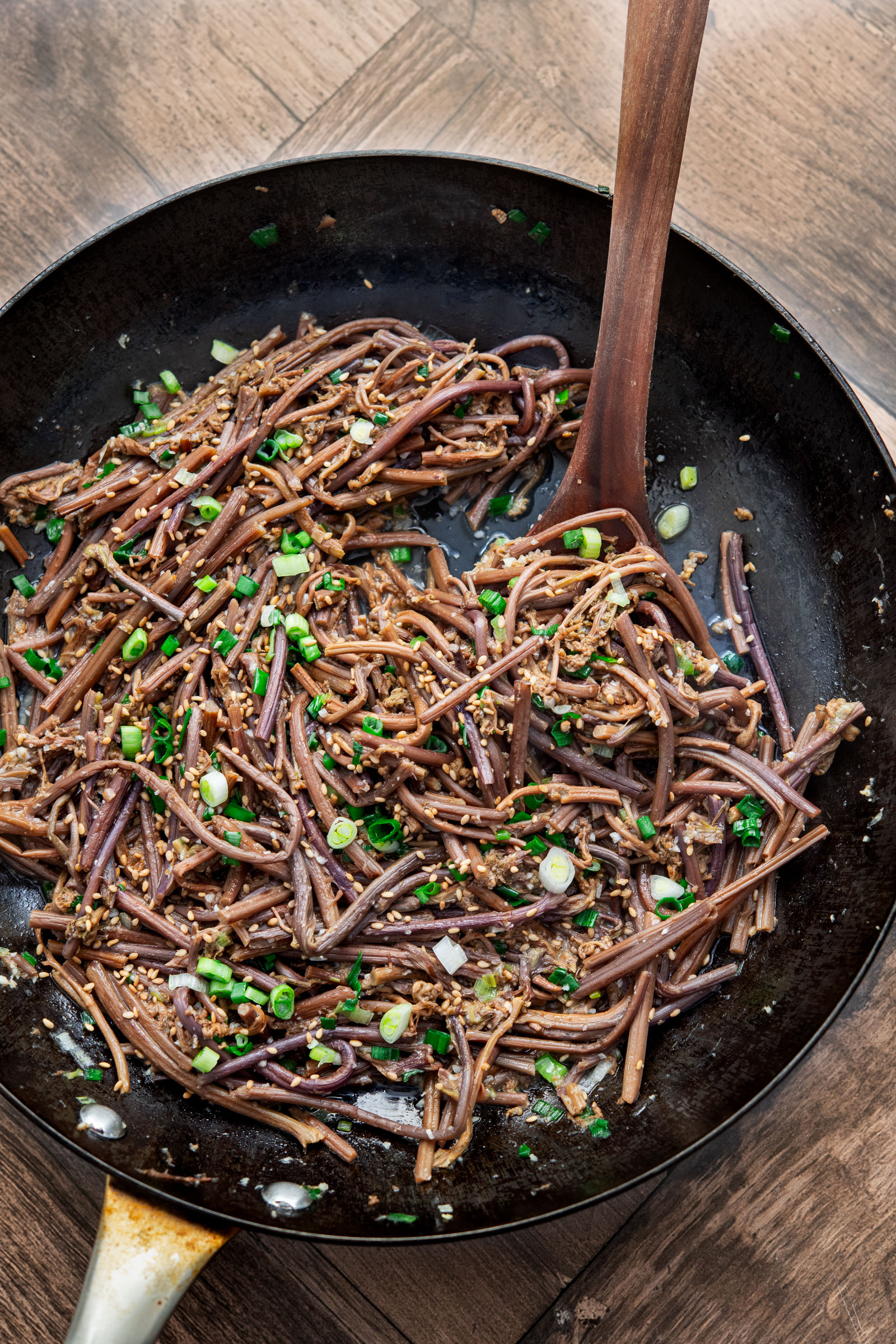
Gosari namul is a staple of Korean cuisine, representing a sophisticated approach to foraged ingredients that balances nutritional density with complex, earthy flavors. While often categorized simply as a side dish, or banchan, this preparation of bracken fern (Pteridium aquilinum) occupies a significant place in the cultural and historical landscape of Korea. It is a mandatory inclusion on the table during ancestral rites known as jesa and major traditional holidays such as Chuseok, the Korean harvest festival. Despite its ubiquity, the process of transforming the dried, fibrous fern into a tender, savory dish is a disciplined culinary exercise that requires specific knowledge of rehydration and enzymatic neutralization.
The Historical and Cultural Context of Foraging
The consumption of gosari in Korea dates back centuries, rooted in a culture of mountain foraging. Historically, bracken fern was a vital source of nutrition during lean months, as it could be harvested in the spring and dried for long-term storage. This preservation method allowed the vegetable to remain available throughout the year. In contemporary Korean society, the dish has transitioned from a subsistence food to a symbol of heritage. During Chuseok, the preparation of multiple namul (seasoned vegetable) dishes serves as a tribute to ancestors, with the brown, green, and white colors of various vegetables representing the natural elements and the continuity of family history.
The Science of Preparation and Safety
The preparation of gosari is not merely a matter of taste but one of safety and texture. Raw bracken fern contains ptaquiloside, a carcinogenic compound that can be harmful if consumed in large quantities without proper treatment. Traditional Korean processing—which involves boiling, soaking, and rinsing—is highly effective at neutralizing these compounds.
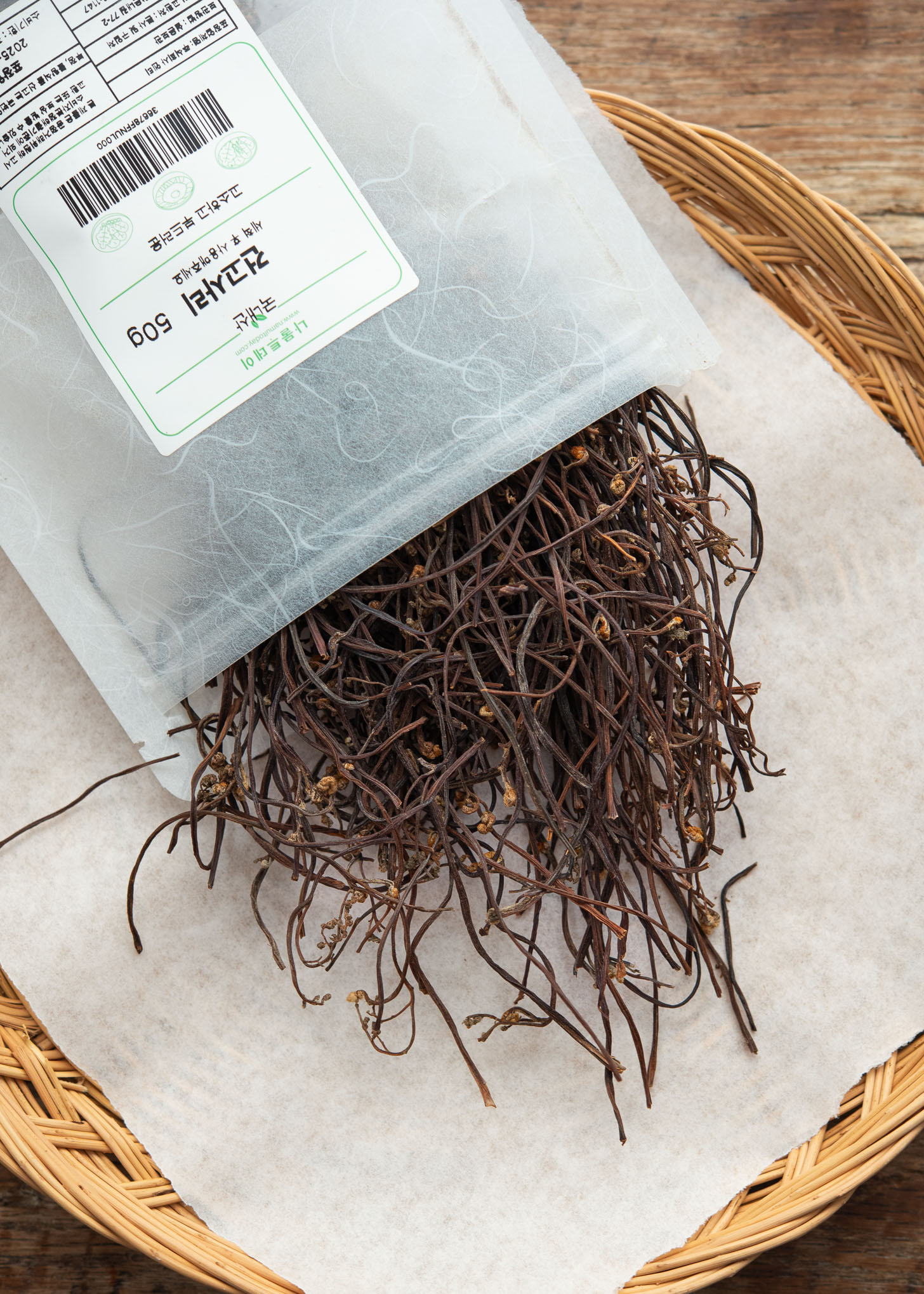
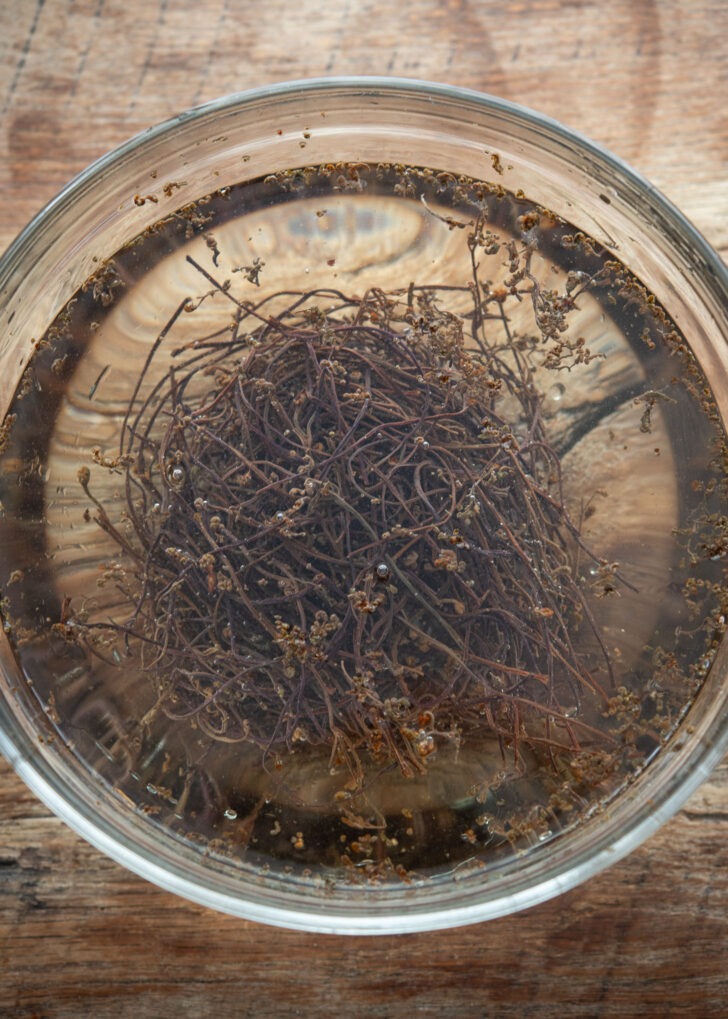
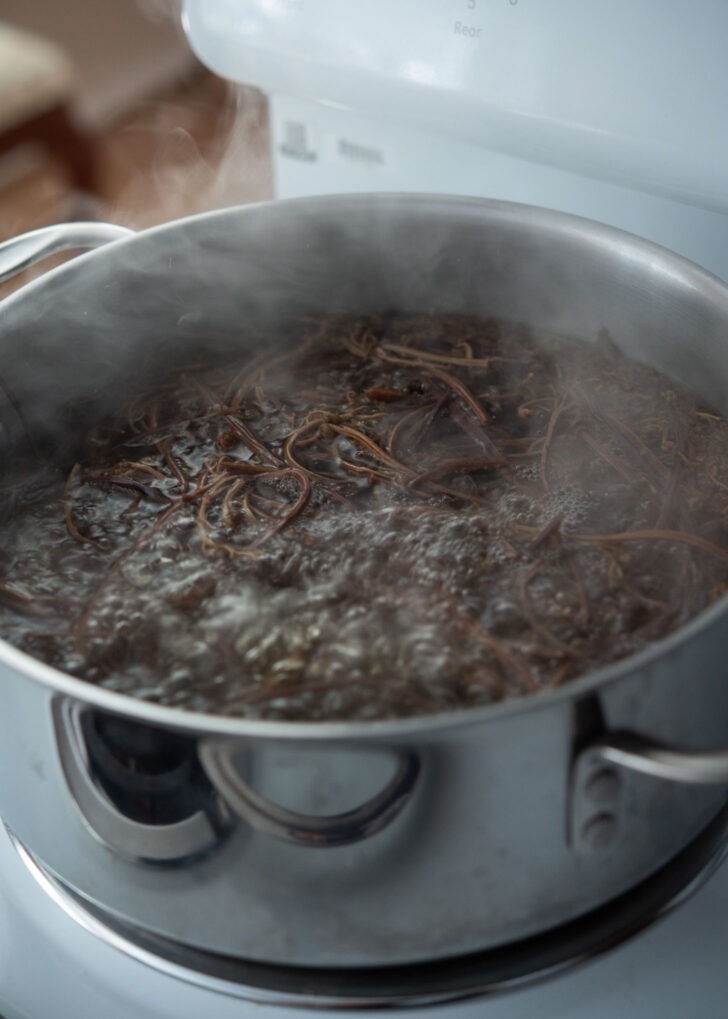
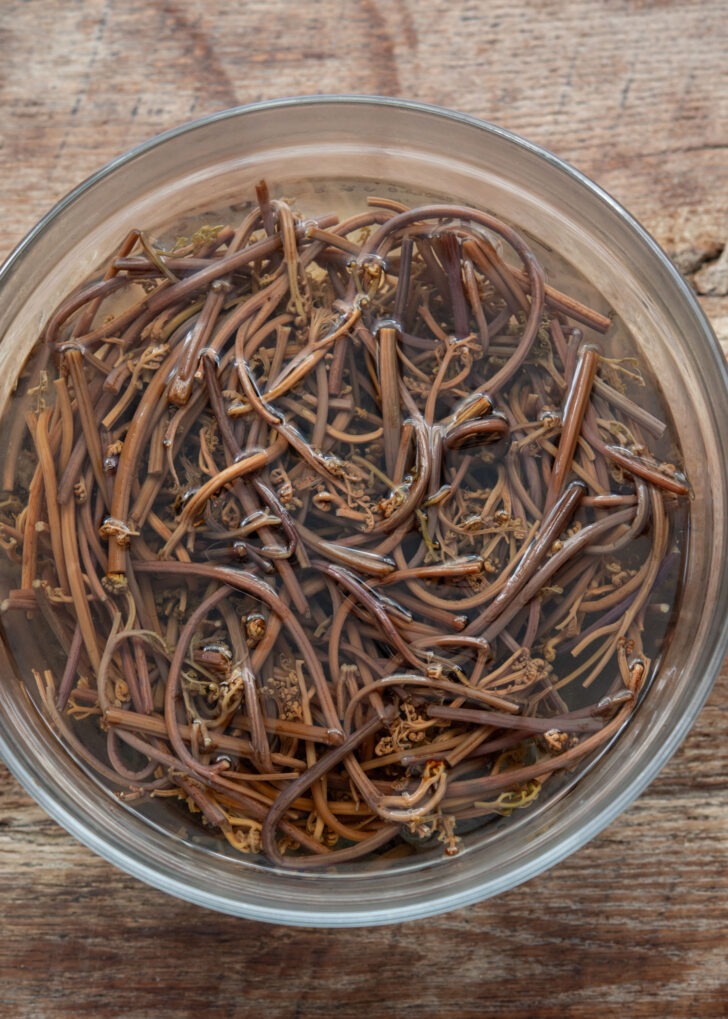
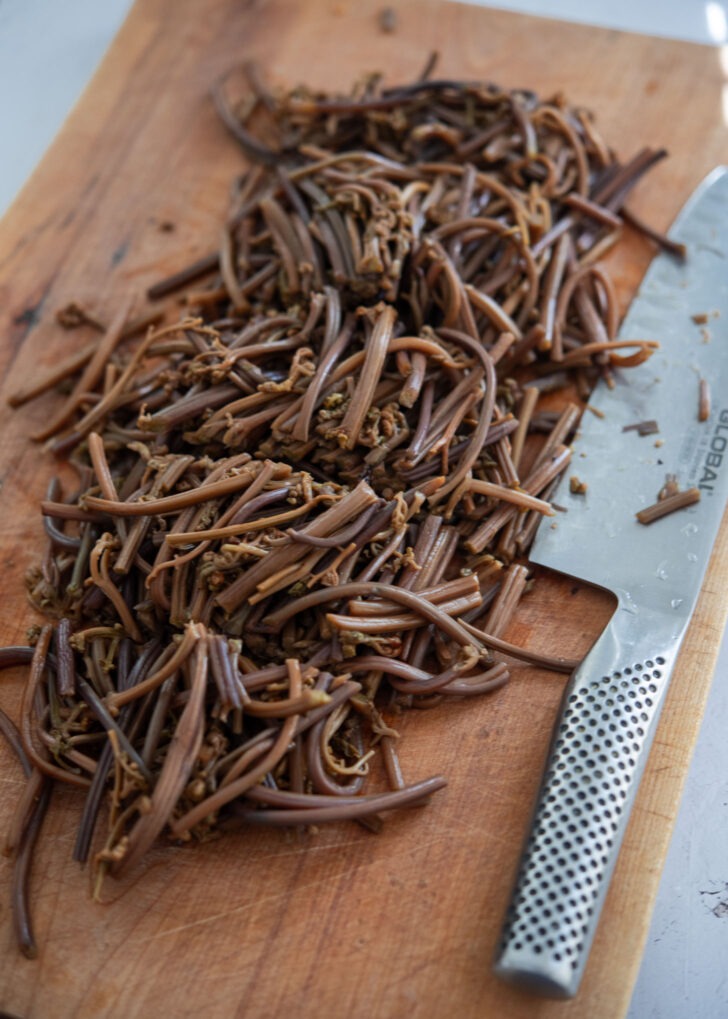
The standard procedure for modern home cooks involves a multi-stage approach. First, the dried stems are rinsed to remove surface dust and debris. They are then boiled in water for approximately 20 to 30 minutes. A critical, often overlooked step is the "resting period," where the ferns remain in the hot cooking liquid after the heat is turned off. This allows the heat to penetrate the core of the stem, ensuring the cellulose softens without the outer layers becoming mushy. Following this, a long cold-water soak—typically lasting 8 to 12 hours, with several water changes—is necessary to leach out any residual bitterness and ensure the texture achieves the desired pliability. Failure to follow this timeline often results in a product that is stringy, tough, or bitter, which is a common complaint among those attempting the dish for the first time.
Culinary Analysis: Flavor Profiles and Ingredients
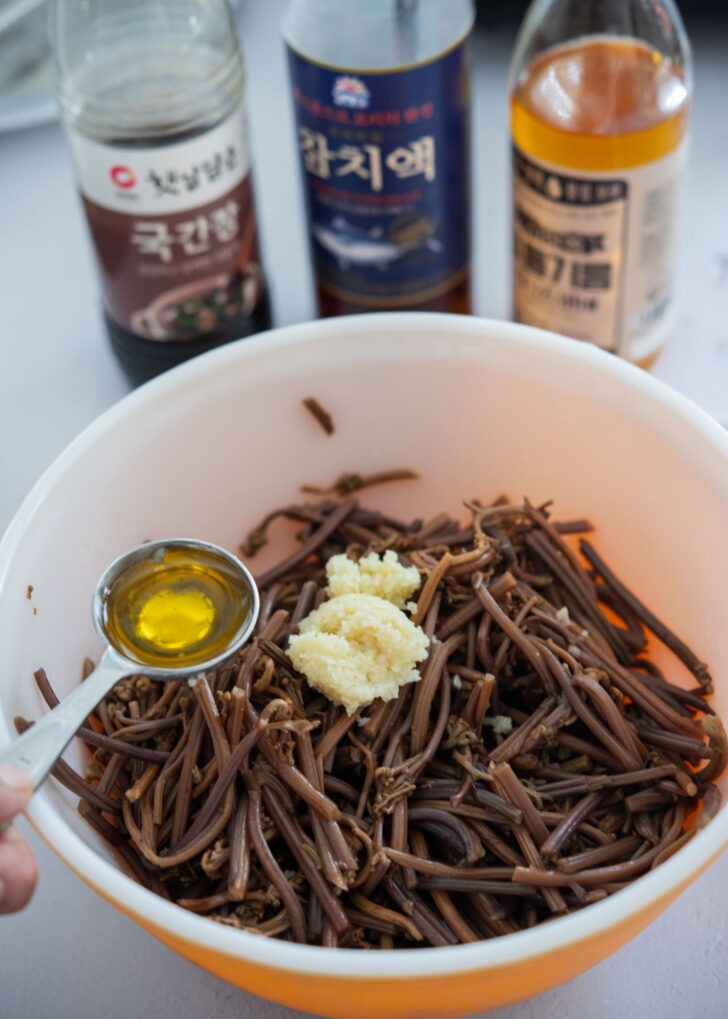
The flavor profile of properly prepared gosari is subtle, characterized by an "earthy" quality often compared to wild mushrooms or asparagus. Because the fern itself has a mild profile, it acts as a canvas for the foundational flavors of Korean cuisine. The standard seasoning mix includes Korean soup soy sauce (guk-ganjang), which provides a deeper, saltier umami than standard table soy sauce. Garlic is added to sharpen the flavor, while the defining element is often perilla oil. Unlike the more common sesame oil, which can be overpowering, perilla oil offers a distinct nutty, slightly herbaceous aroma that complements the natural woodiness of the fern.
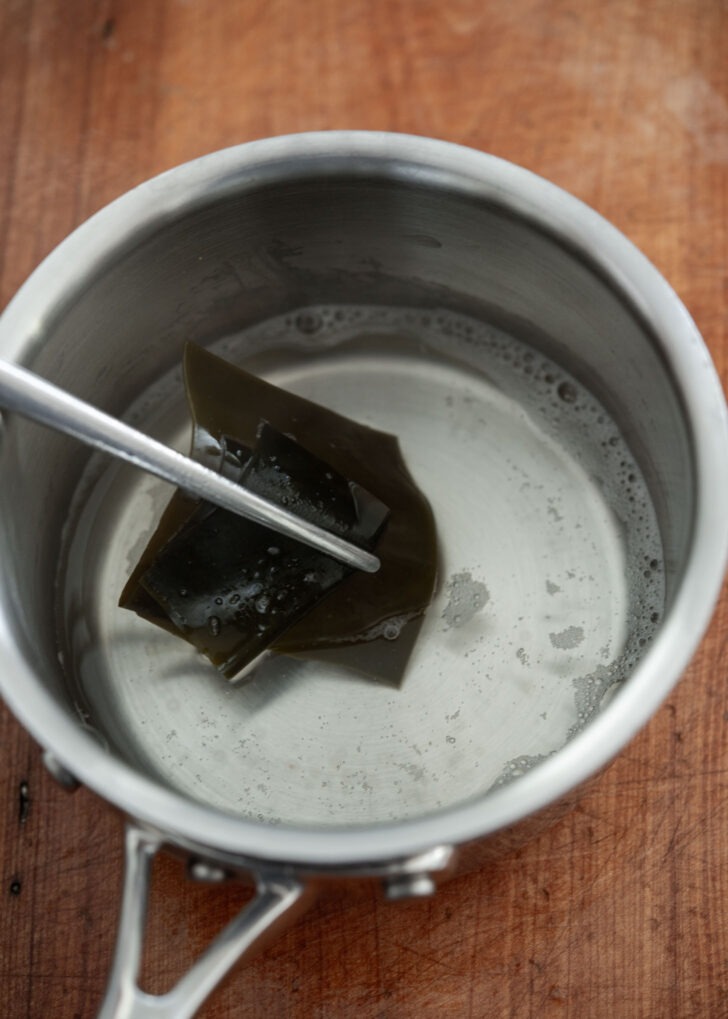
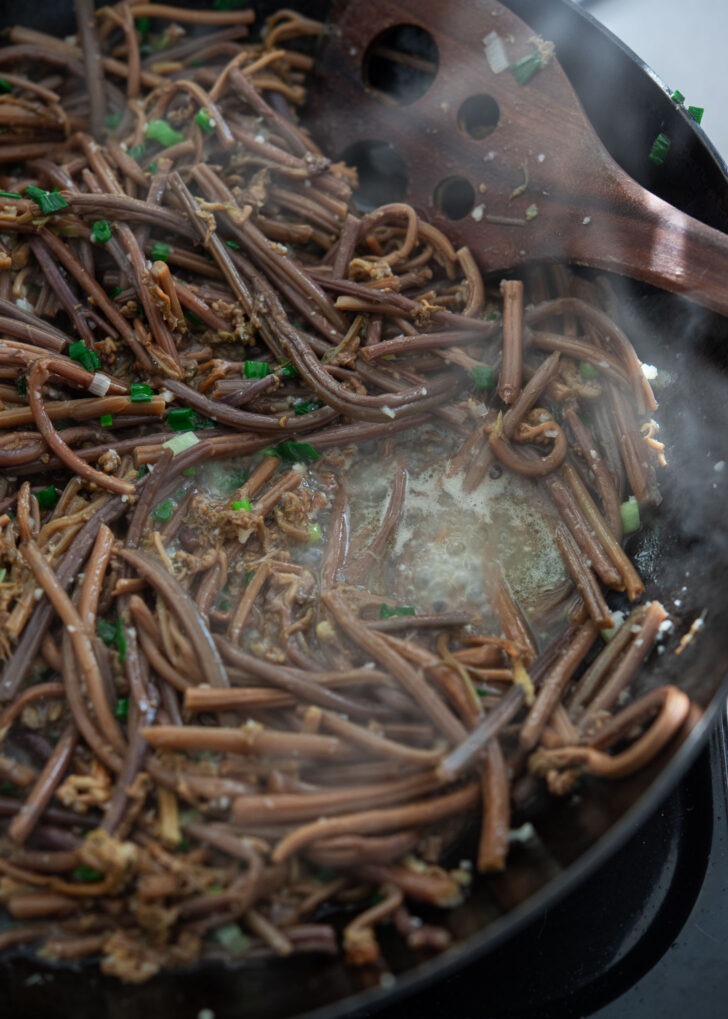
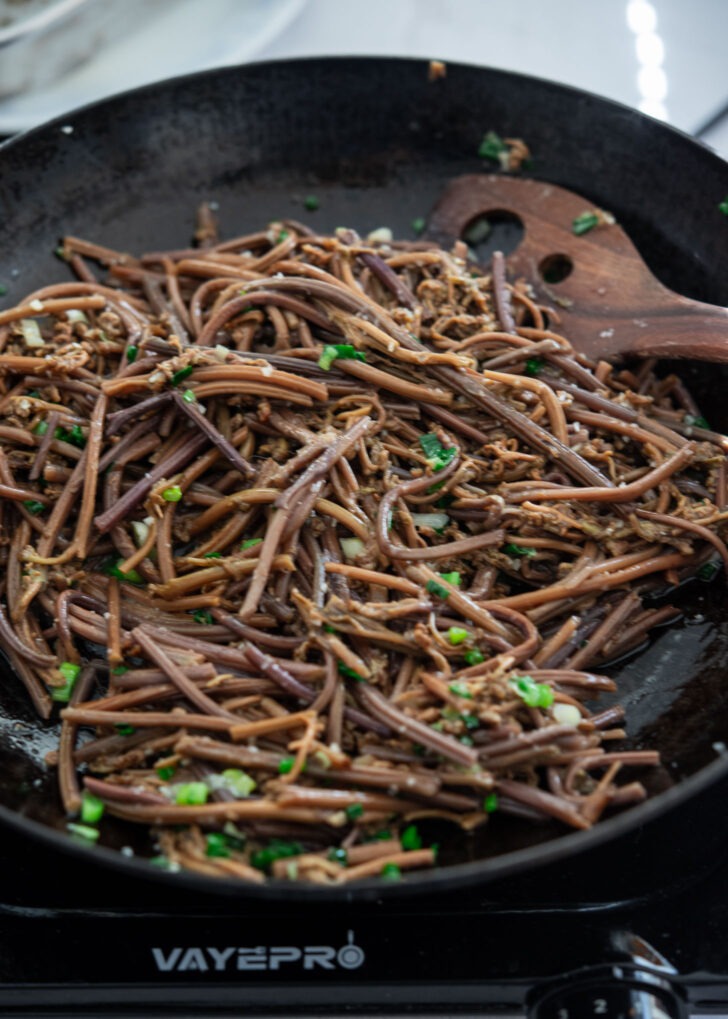
For many households, the addition of a dashima (dried kelp) broth is a standard practice. This creates a braising liquid that ensures the vegetable remains moist throughout the final stir-fry process. This technique of "moist cooking" is crucial; as the gosari is already fully rehydrated, it does not require high-heat frying. Instead, it is gently tossed to allow the ingredients to emulsify into a glossy coating that clings to the stems.
Nutritional Implications and Dietary Trends
From a nutritional standpoint, gosari is a low-calorie, high-fiber ingredient. According to dietary analysis, a standard serving of prepared gosari provides approximately 62 calories, with negligible amounts of fat and sugar, making it a favorable addition to plant-based diets. It is also a source of potassium and small amounts of calcium and iron.
In recent years, the growing global interest in Korean cuisine—driven by the popularity of dishes like bibimbap—has brought ingredients like gosari into the mainstream. While it is frequently found as a component in bibimbap, where its chewiness contrasts with the crunch of bean sprouts and the softness of seasoned spinach, there is a renewed interest in preparing it as a standalone side dish. The dish’s inherent vegan nature makes it increasingly popular in plant-forward culinary circles, provided the cook substitutes the traditional dashima broth or uses vegan-certified soy sauce to avoid fish-based additives like tuna sauce.
Operational Challenges for Modern Cooks
The primary barrier to the widespread adoption of gosari in home kitchens is the time-intensive preparation. In an era of convenience, the 12-to-24-hour window required to move from a dry, woody stem to a ready-to-eat vegetable is a significant commitment. However, culinary experts argue that there is no substitute for this slow-rehydration process. Rapid methods, such as pressure cooking, often result in uneven textures where the exterior is overcooked while the center remains fibrous.
Industry experts also note that the quality of the dried product varies significantly. Korean-grown, mountain-harvested gosari is generally thinner and more uniform, which facilitates a faster and more even softening process. Imported varieties, while more accessible in price, may feature thicker, more mature stalks that require more rigorous trimming of the woody bases. Understanding how to identify "flexible" dried stems—those that do not snap when bent—is the first step toward a successful result.
Future Outlook and Culinary Evolution
As Korean food culture continues to integrate into the global culinary lexicon, the techniques surrounding traditional banchan are becoming more standardized. Digital platforms and recipe databases have provided a wealth of knowledge on the "why" behind these traditional steps, allowing for better outcomes for amateur chefs.
The evolution of gosari as a dish reflects the broader evolution of Korean food: a move toward respecting the ingredient’s natural state while utilizing traditional preservation and seasoning techniques to elevate it. Whether it is served at a formal ceremonial table or as a simple, high-fiber lunch alongside multigrain rice, gosari remains a testament to the Korean culinary philosophy of "yak-sik-dong-won"—the idea that food and medicine are derived from the same source. By maintaining the integrity of these traditional preparation methods, practitioners ensure that the dish remains not only a cultural link to the past but a viable, healthy, and sophisticated component of the modern diet.
Conclusion: The Lasting Value of Traditional Practice
The endurance of gosari namul in the Korean diet is not an accident of history but a result of its unique culinary characteristics. Its texture, flavor, and nutritional profile remain distinct in the world of vegetables. While the preparation demands patience, it offers a reward that few other side dishes can match—a combination of depth, texture, and historical significance that anchors the Korean table. For those willing to invest the time, the process of preparing gosari serves as a masterclass in the patience and precision that define the best of traditional East Asian cooking.
