

The global cultural phenomenon surrounding the animated feature film K-Pop Demon Hunters has extended far beyond box office charts and streaming records, igniting a powerful culinary trend worldwide. As audiences immerse themselves in the vibrant aesthetics, catchy soundtracks, and heartfelt narratives of the movie, mainstream interest in traditional and contemporary Korean cuisine featured throughout the film has surged exponentially. Food historians, cultural analysts, and home cooks alike are examining the specific dishes showcased on screen, viewing them not merely as background props, but as integral cultural touchstones that deepen the narrative’s exploration of identity, community healing, and emotional resilience.
Released to critical acclaim, K-Pop Demon Hunters resonated with viewers globally due to its nuanced exploration of youth mental health, self-acceptance, and the collective processing of shame and guilt. Central narrative arcs, such as the poignant dialogue between characters Jinu and Rumi regarding past mistakes and redemption, are underscored by grounding cultural practices, particularly the sharing of food. In Korean culture, nourishment is deeply intertwined with emotional support, hospitality, and recovery. Consequently, the inclusion of specific comfort foods throughout the cinematic timeline serves as a visual and narrative language of care, encouraging fans to recreate these dishes as a tangible extension of the cinematic experience.
Chronology of the Culinary Trend
The trajectory of the K-Pop Demon Hunters culinary phenomenon mirrors the accelerated speed of modern digital-age fandoms. Upon the film’s theatrical and streaming release, eagle-eyed viewers immediately began cataloging the various food items consumed by the characters during pivotal scenes. Within the first week, social media platforms experienced an influx of user-generated content attempting to identify every dish, ranging from casual convenience store snacks to elaborate traditional soups.
By the second week, culinary content creators and food bloggers began publishing dedicated recipe guides, transforming the passive viewing experience into an active, participatory kitchen movement. The trend reached peak momentum when major international food distribution networks reported a measurable increase in the sales of key Korean pantry staples, such as dried seaweed gim, multigrain rice, rice cake cylinders, and specialized ramen varieties. Cultural institutions and Korean diaspora communities welcomed the trend, noting that media representation plays a crucial role in demystifying ethnic cuisines for mainstream international consumers.
Detailed Breakdown of the Six Featured Cinematic Dishes
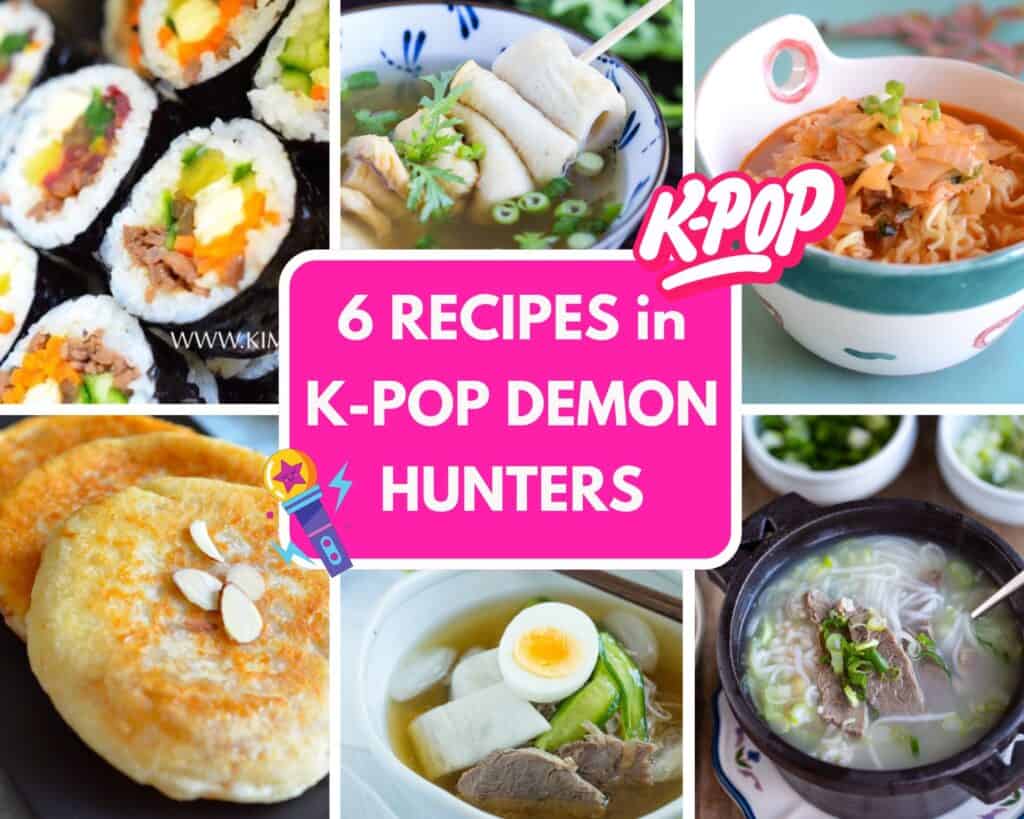
A comprehensive examination of the film’s culinary landscape reveals six primary dishes that have captured the public imagination. While commercial tie-ins have introduced branded instant cup variations of certain items, culinary experts emphasize the cultural significance of preparing these dishes from scratch or through elevated home-cooking methods.
-
Classic Gimbap and Mini Mayak Gimbap
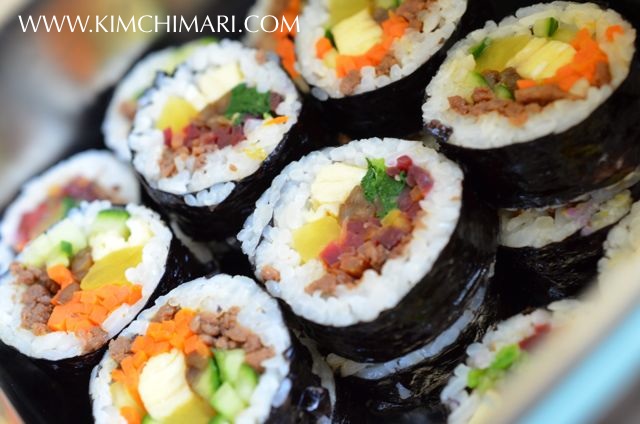
Gimbap, a quintessential Korean dish consisting of cooked rice and various ingredients rolled in edible seaweed (gim) and sliced into bite-sized rounds, features prominently in several casual group scenes. While modern international audiences frequently draw comparisons to Japanese sushi rolls, historical documentation confirms that the practice of wrapping rice in Korean gim predates the Japanese colonial period, with records dating back to the Chosun Dynasty. The inclusion of gimbap in the film highlights its status as the ultimate portable comfort food, traditionally consumed during picnics, school excursions, and long rehearsal days.
-
Elevated Instant Ramen Variations
Ramen holds a revered status in modern Korean culinary culture, transcending its origins as an economical convenience food to become a canvas for culinary creativity. While convenience store instant cup ramen appears as quick sustenance for the busy demon hunters, culinary enthusiasts have popularized more complex variations. Notable iterations include Jjapaguri (a famous fusion of Jjapaghetti black bean noodles and Neoguri spicy seafood noodles), Kimchi Butter Ramen, and Golbimmyeon (spicy cold wheat noodles tossed with sea snails). These recipes demonstrate how everyday pantry items can be elevated through the addition of fresh aromatics, dairy, and fermented vegetables. -
Hotteok (Sweet Syrup Pancakes)
Representing the comforting street food culture of urban South Korea, hotteok appears in the film as a warming sweet treat during winter sequences. Hotteok is a yeasted dough pancake filled with a rich center of brown sugar, cinnamon, crushed peanuts, and seeds. When cooked on a greased griddle and pressed flat, the exterior develops a crisp, golden crust while the internal sugar melts into a molten, aromatic syrup. Historically popular as a winter street snack, hotteok represents the warmth of community gatherings and the simple pleasures that counteract external stressors. -
Mul Naengmyeon (Korean Cold Noodle Soup)
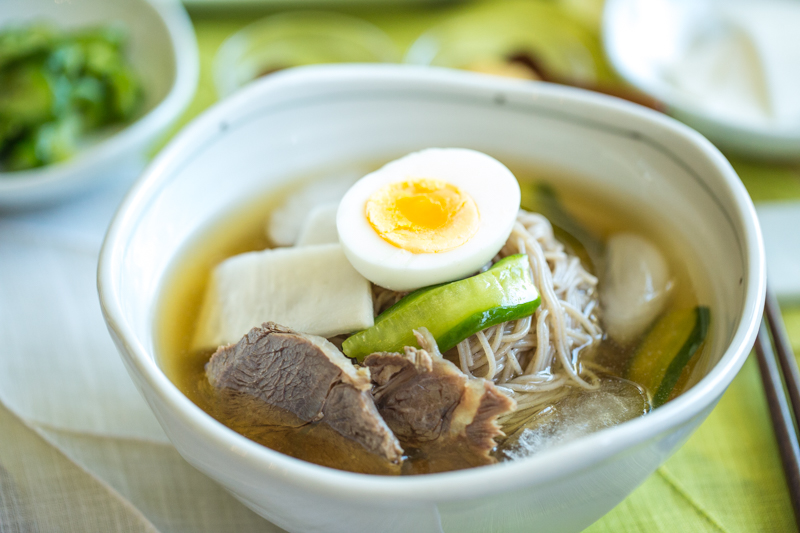
The appearance of Mul Naengmyeon—a dish consisting of thin, chewy buckwheat noodles served in an ice-cold, tangy broth garnished with sliced radish, cucumber, boiled egg, and Asian pear—provides a striking contrast to the high-intensity action sequences. In the narrative timeline, the characters are treated to this refreshing dish following a physically grueling rehearsal. Traditionally associated with summer months, Naengmyeon is celebrated for its ability to lower core body temperature, restore electrolyte balance, and revitalize the palate after strenuous exertion.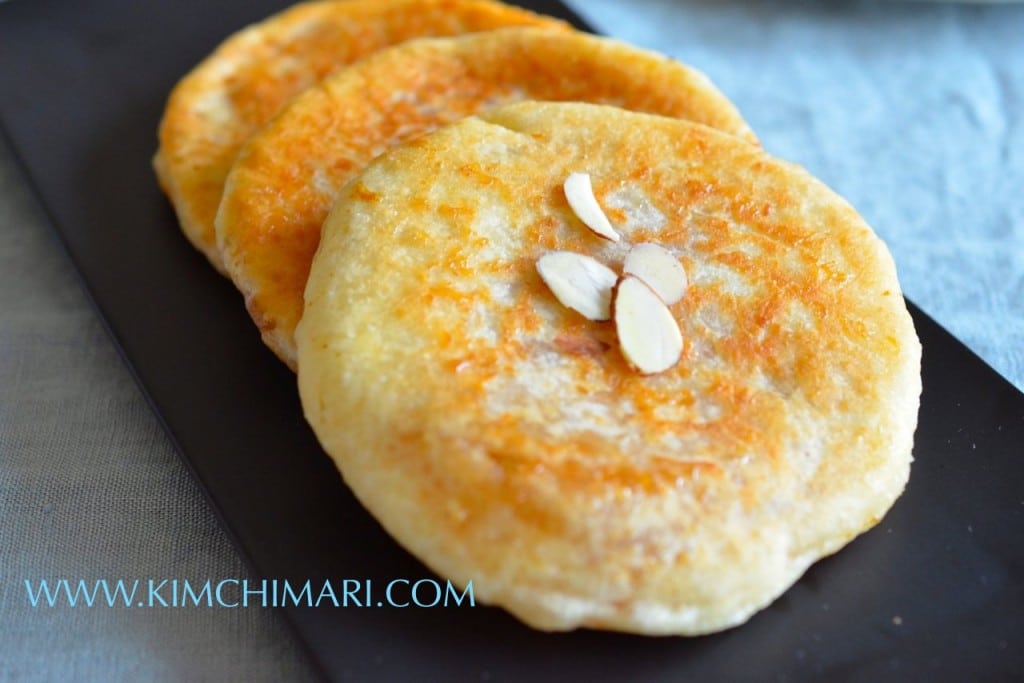
-
Seolleongtang (Ox Bone Soup)
Seolleongtang carries profound emotional weight within the film’s narrative. In one of the story’s most emotionally vulnerable sequences, Rumi’s friends rally around her with a steaming bowl of Seolleongtang after she loses her voice, using the traditional broth as a physical manifestation of solidarity and reassurance. Seolleongtang is an ivory-colored soup made by simmering ox bones and brisket over low heat for many hours until the collagen and marrow dissolve completely into the broth. In Korean society, it is widely regarded as a restorative tonic for individuals experiencing physical fatigue, emotional burnout, or convalescence. -
Odeng Guk (Fish Cake Soup)
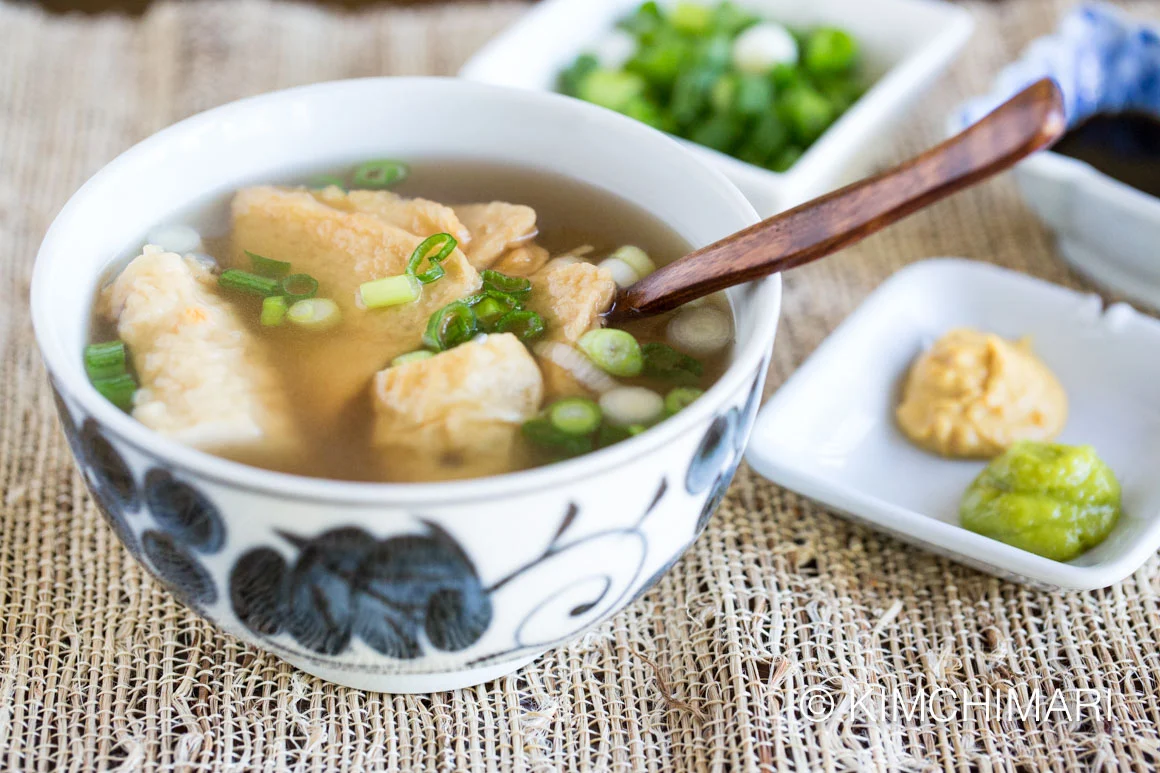
Frequently consumed alongside street food staples like gimbap and tteokbokki, Odeng Guk features skewered fish cakes simmered in a savory, umami-rich anchovy and kelp broth. The dish serves as an accessible, comforting element that emphasizes the communal nature of Korean eating habits. The flavorful broth utilized in Odeng Guk also serves as a foundational base for various other street foods, underscoring the resourcefulness and depth of flavor inherent in traditional Korean broths.
Broader Impact and Cultural Implications
The integration of authentic Korean cuisine into mainstream animated media represents a significant milestone in cultural globalization. According to market research analysts specializing in media and consumer behavior, the cross-promotion of culinary arts through narrative cinema significantly lowers cultural barriers, fostering genuine curiosity and appreciation among diverse demographics.
Furthermore, sociologists note that the thematic alignment between the film’s message of emotional healing and the communal nature of sharing traditional meals reinforces the therapeutic value of food culture. By preparing these recipes at home, fans are not merely replicating a media trend; they are participating in a global ritual of comfort, self-care, and cultural exchange. As international streaming platforms continue to champion cross-cultural storytelling, the synergy between narrative media and culinary exploration is expected to remain a powerful driving force in modern consumer trends.
