

The Historical Evolution of Gyeongyangsik
The term gyeongyangsik translates to "light Western-style food," a category of dining that emerged in Korea during the early 1900s. These restaurants were the primary point of contact for the Korean public to experience Western-influenced dishes that had been adapted to local palates. The gyeongyangsik restaurant became a cultural institution, often serving as a venue for milestone celebrations, dates, and family gatherings throughout the mid-to-late 20th century.
Donkatsu became the flagship dish of this movement. By the 1970s and 1980s, these establishments were ubiquitous in South Korean cities, particularly in districts like Namsan, where a cluster of donkatsu restaurants became a major tourist and local destination. While the culinary landscape of South Korea has since shifted toward more diverse international cuisines, the "old-school" donkatsu remains a nostalgic touchstone for many Koreans.
Distinguishing Characteristics: Donkatsu vs. Tonkatsu
Though both dishes share a common ancestor in the European schnitzel, Korean donkatsu and Japanese tonkatsu have diverged significantly. Japanese tonkatsu typically features a thick, juicy pork loin cutlet (rosu-katsu) or fillet (hire-katsu) that is deep-fried to create a crunch that focuses on the integrity of the meat. In contrast, the traditional Korean donkatsu prioritizes the marriage of the meat, the crust, and the sauce.
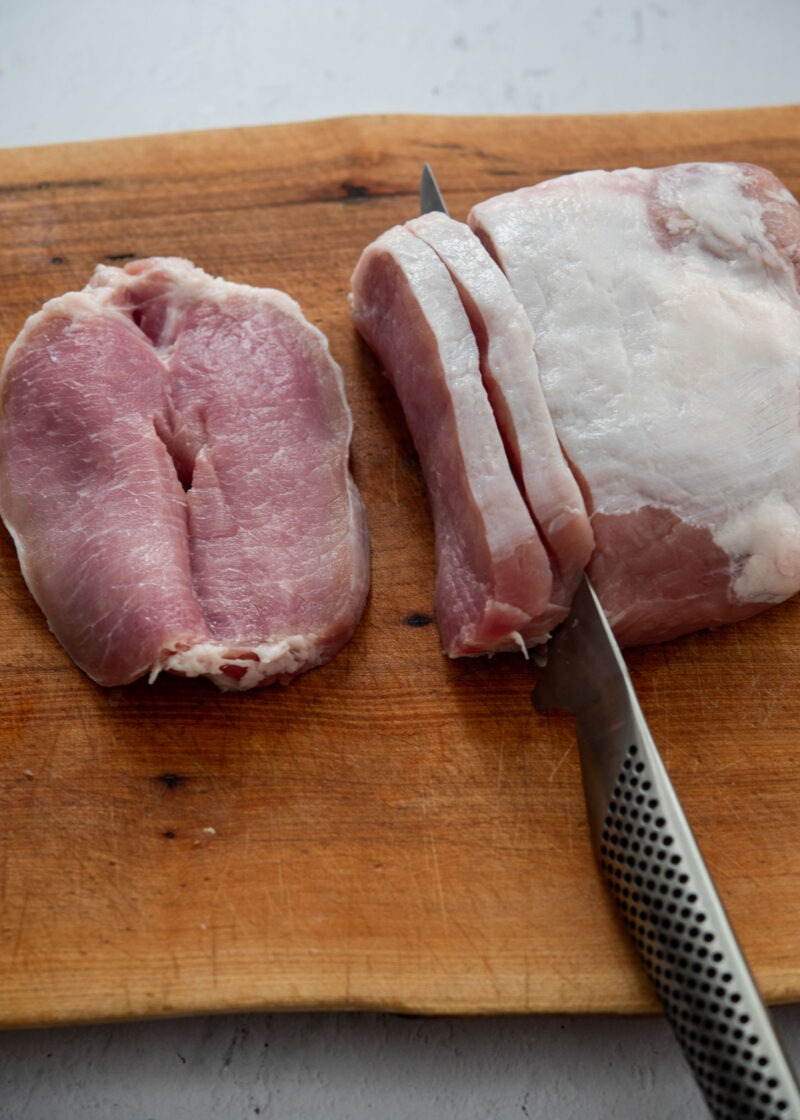
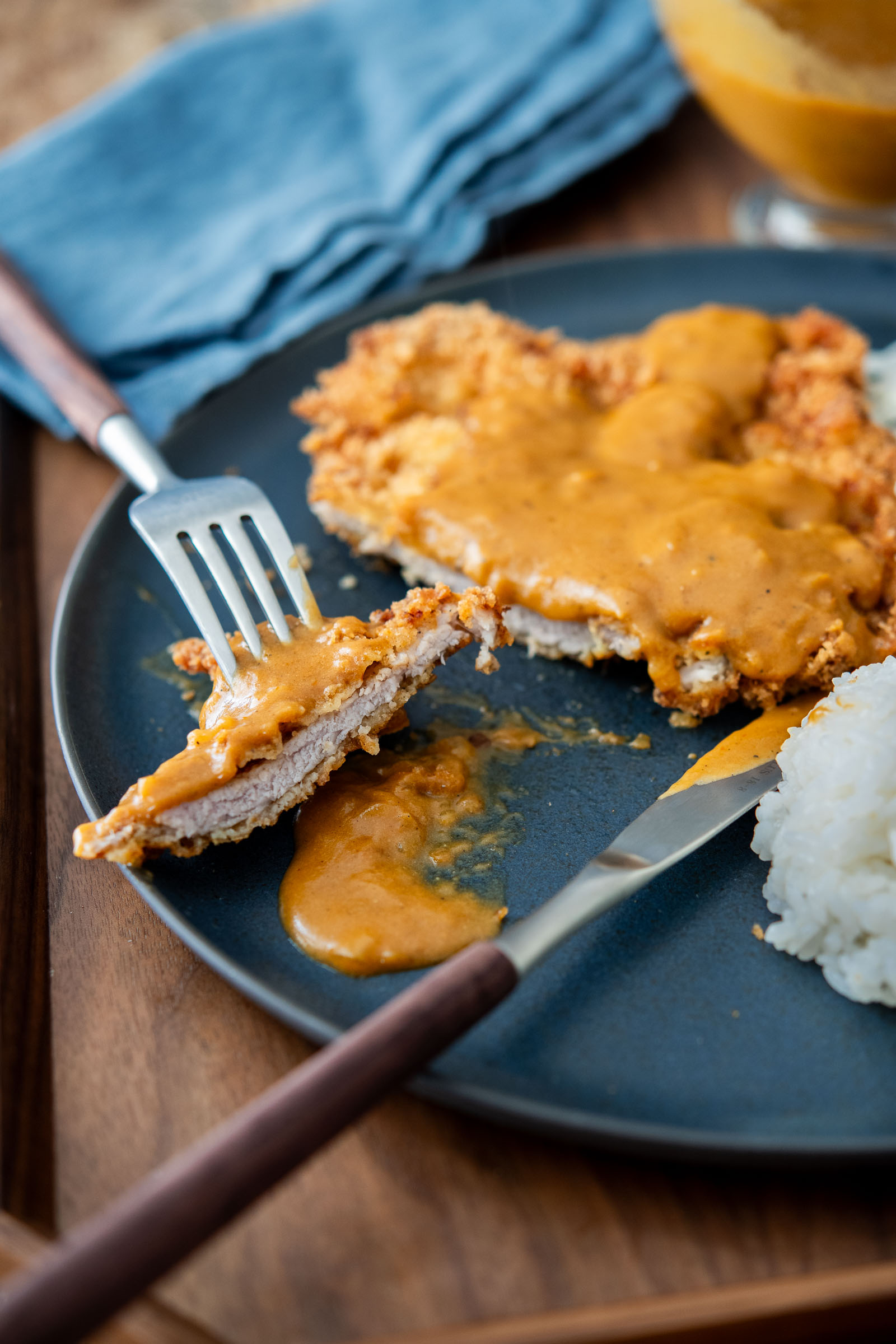
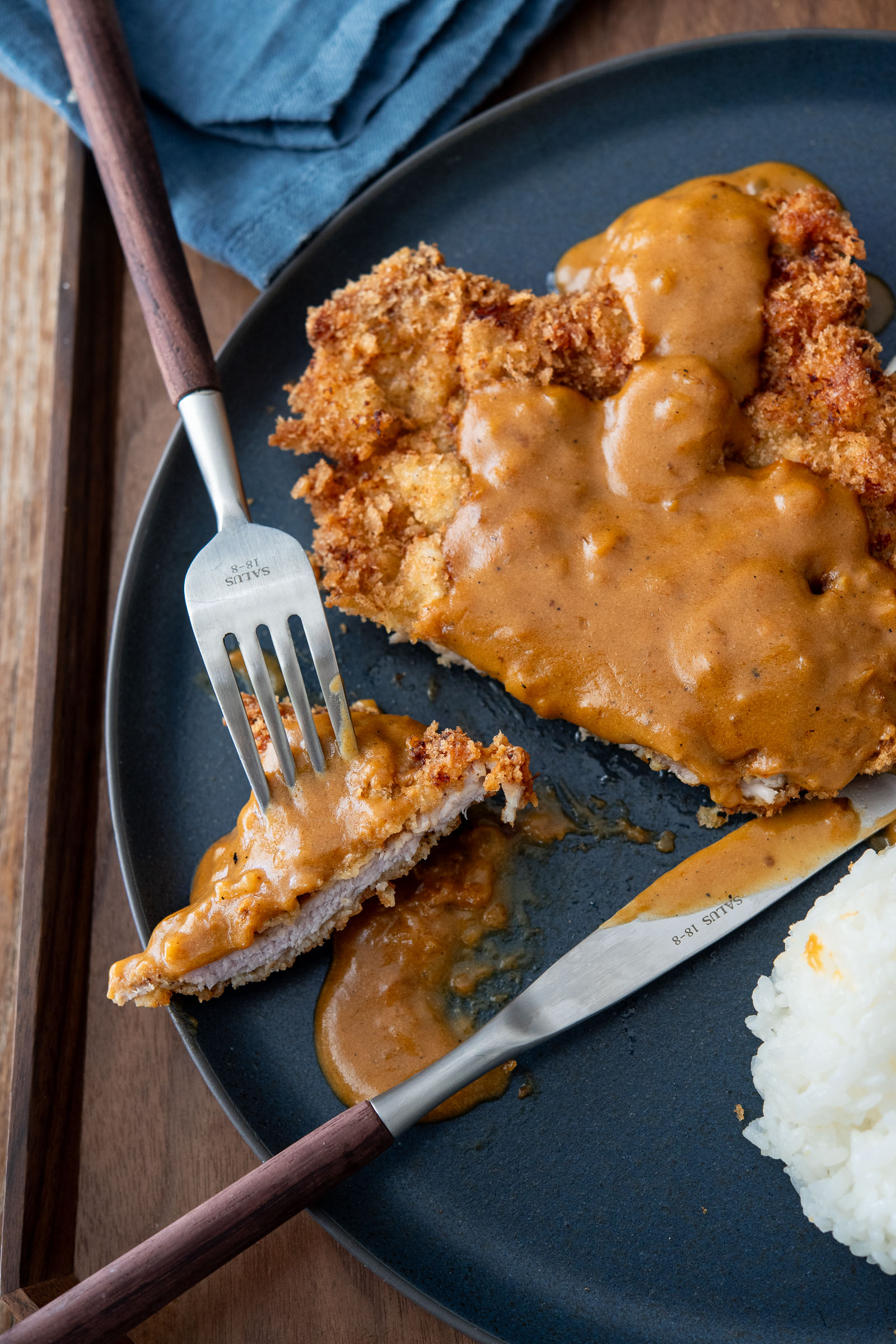
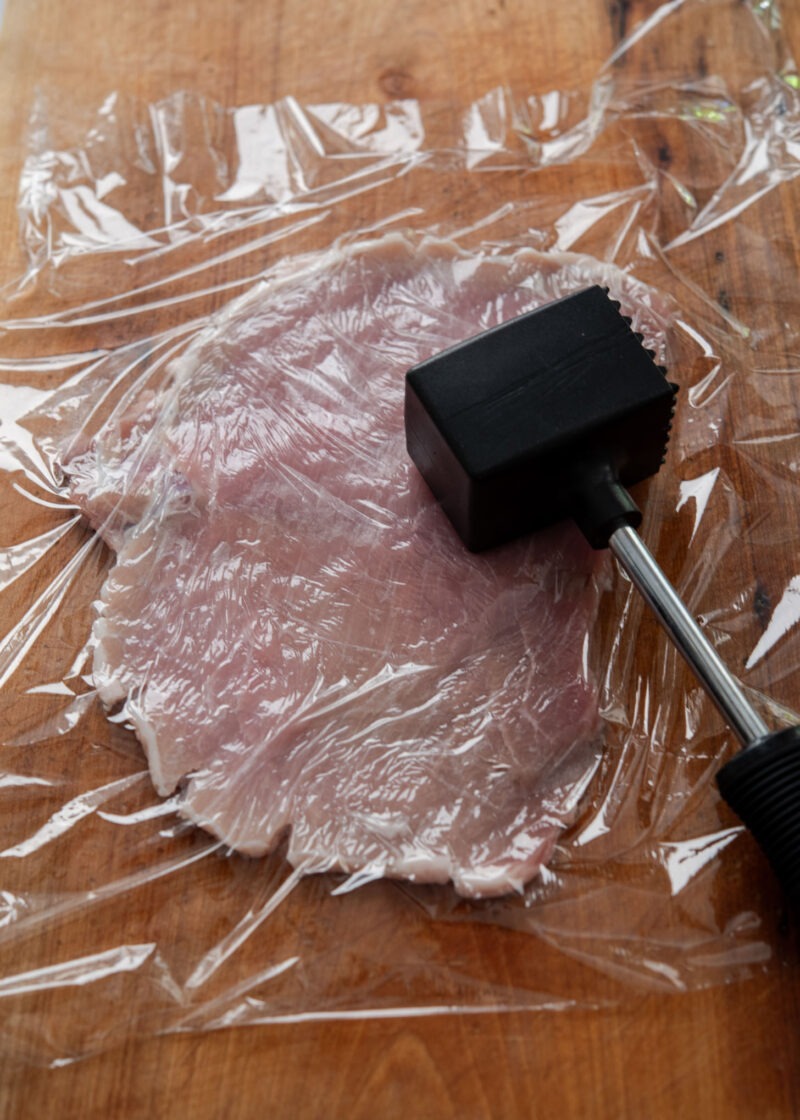
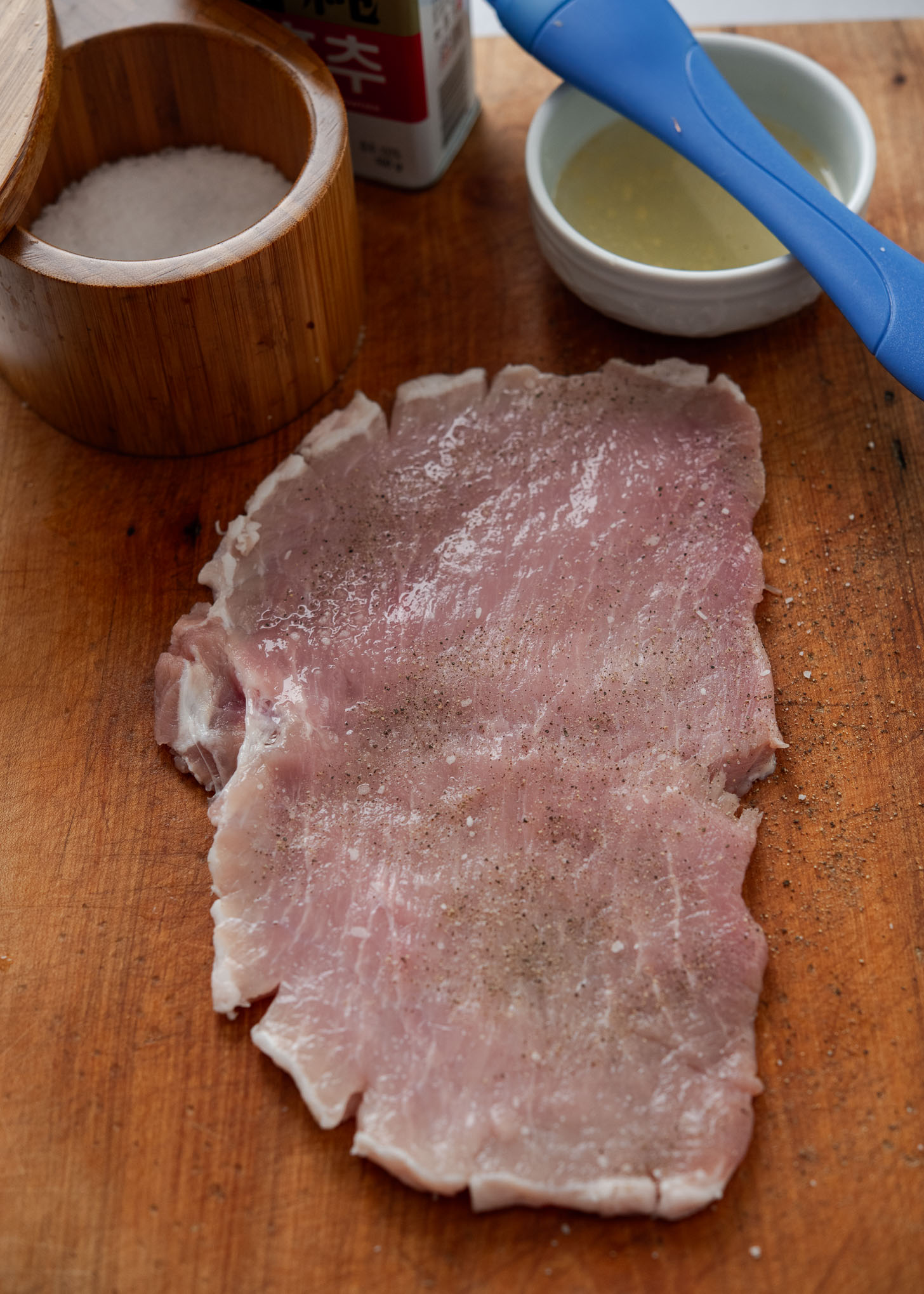
The Korean method involves butterflying and pounding the pork loin to a thin, uniform thickness—often resulting in a piece of meat that covers a large portion of the dinner plate. This specific preparation is known as "wang donkatsu" (king donkatsu). Because the meat is thinner, it cooks faster and provides a higher ratio of breading to meat, which is essential for soaking up the signature gravy.
The Anatomy of the Signature Brown Sauce
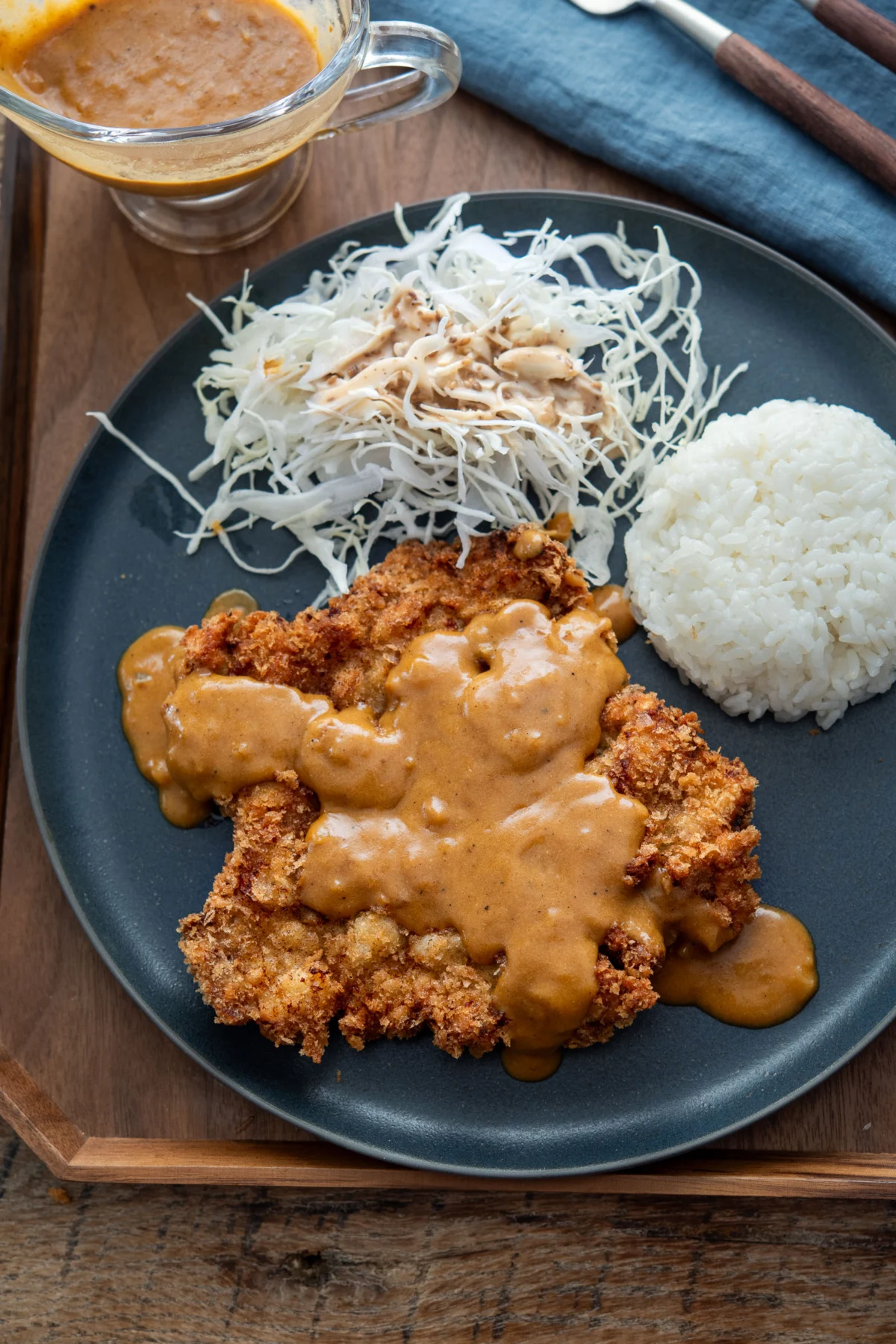
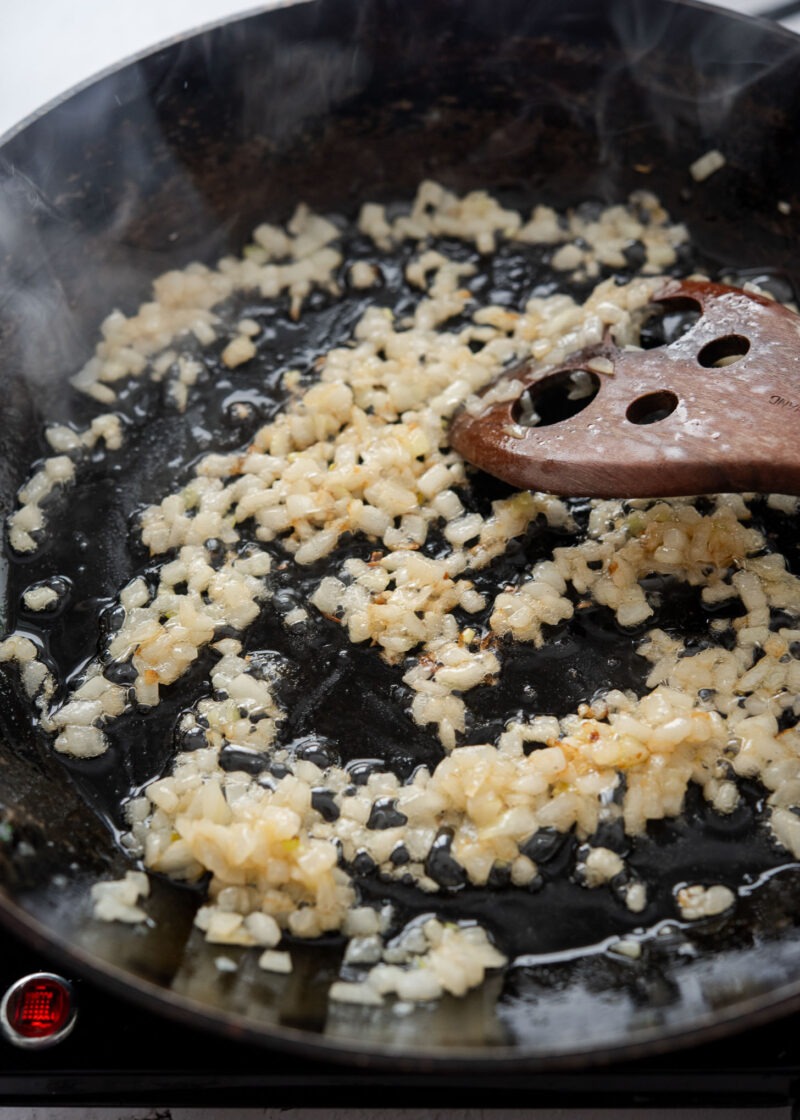
The defining element of a classic Korean donkatsu is the brown sauce. Unlike the thick, salty-sweet Japanese tonkatsu sauce (often based on fruit and vegetable purees), the Korean variant is a roux-based gravy. A survey of traditional recipes reveals that the base is constructed using butter and flour to create a light roux, followed by the incorporation of beef or vegetable stock, milk, and a complex flavor profile derived from ketchup, Worcestershire sauce, and steak sauce.
This sauce serves as a functional component of the dish rather than a mere dipping condiment. In the traditional serving style, the gravy is poured directly over the cutlet, softening the crust slightly and flavoring the entire serving. This textural interplay is a hallmark of the gyeongyangsik experience.
Culinary Methodology: Achieving the Classic Texture
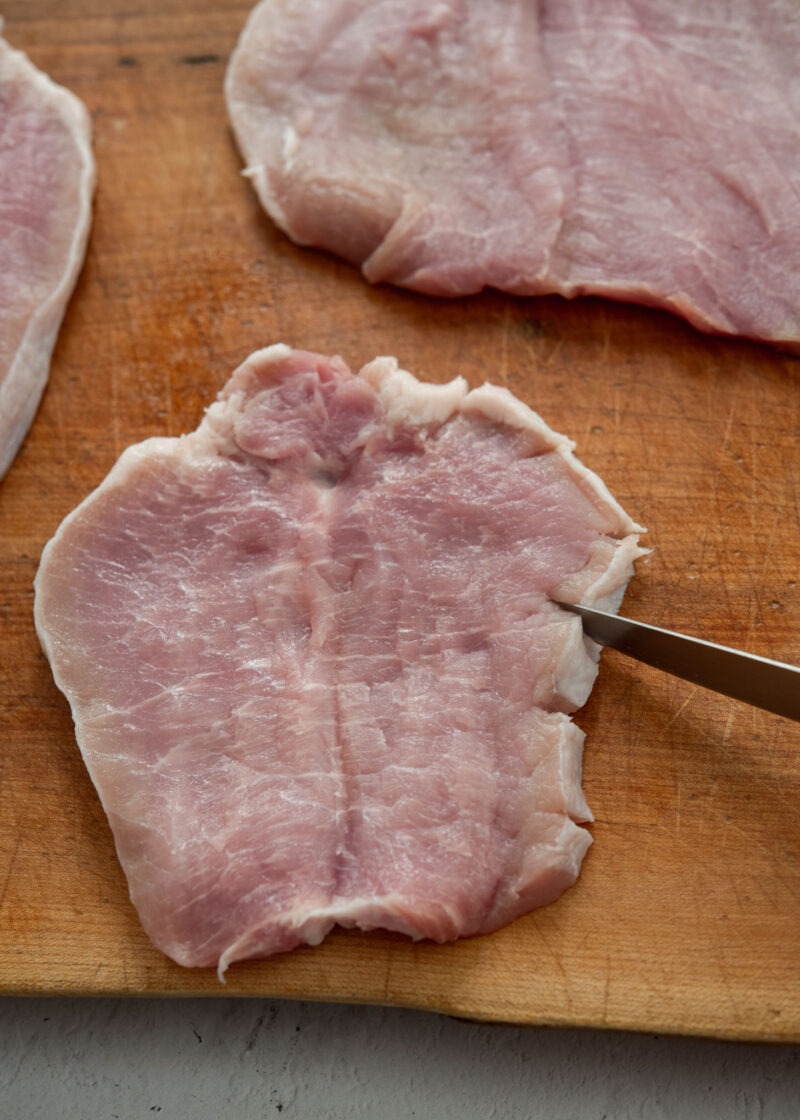
The preparation of authentic donkatsu requires precision in both the treatment of the pork and the management of the frying process. To ensure the meat remains flat and does not curl during the high-heat frying process, chefs typically score the edges of the pork loin.
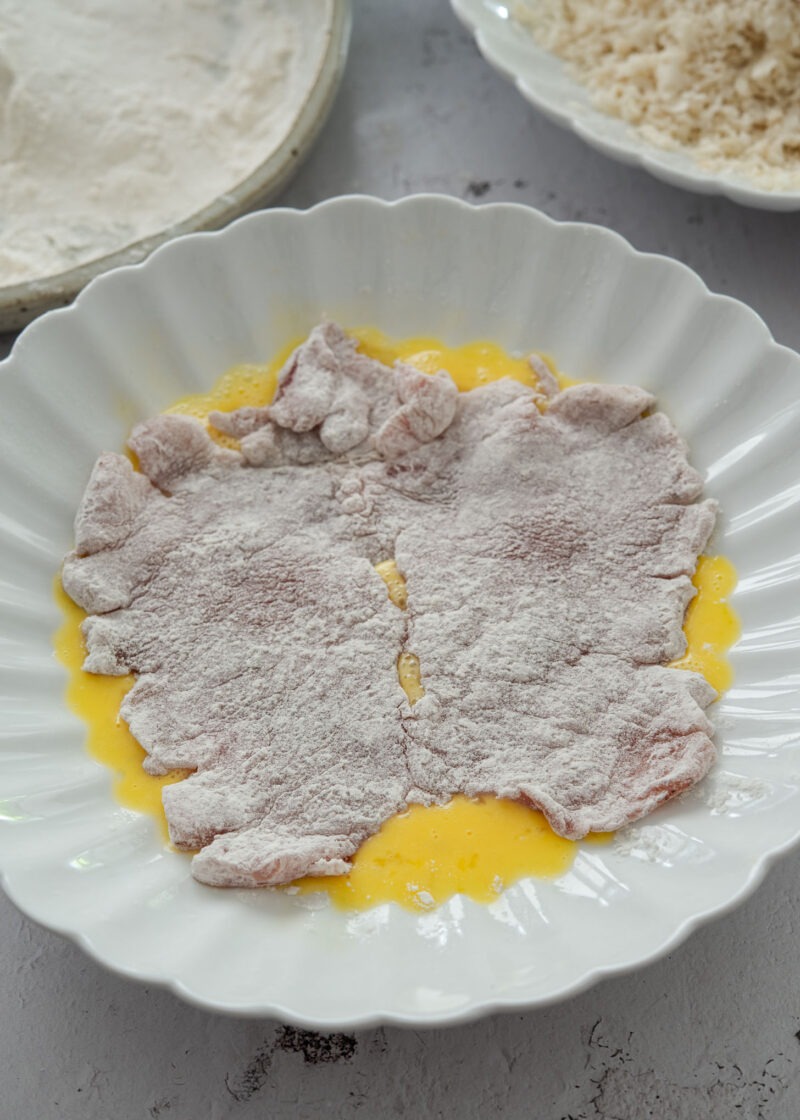
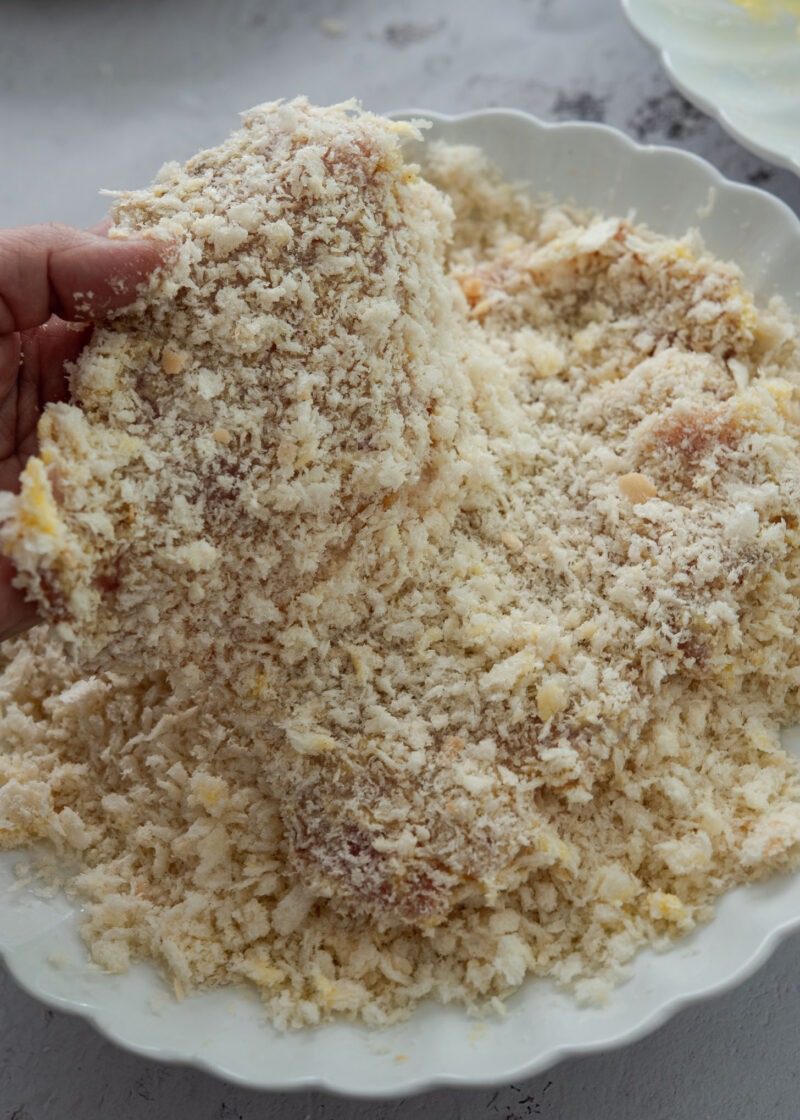
The breading process is critical to the texture. The use of panko—specifically, high-quality, airy, and coarse breadcrumbs—is required to achieve the signature "craggy" crust. Fresh or frozen panko is preferred over dry, pre-packaged varieties because it retains a lighter, crunchier structure. The triple-dredging process—flour, beaten egg, and panko—must be applied with a gentle hand. Excessive pressure during the breading process can compress the panko, resulting in a dense, greasy crust rather than the desired airy crunch.
The Role of Accompaniments
A standard donkatsu platter is rarely served in isolation. In the context of the Korean restaurant experience, the dish is historically accompanied by:
- Steamed White Rice: Used to balance the richness of the fried pork and the savory gravy.
- Shredded Cabbage: Served with a light dressing (often mayonnaise-based or a simple vinaigrette), the raw, crisp cabbage provides a necessary textural and acidic contrast to the fried cutlet.
- Pickles or Radish Kimchi: Kkakdugi, or cubed radish kimchi, is a common addition, offering a sharp, spicy bite that cuts through the fat of the deep-fried protein.
Socio-Economic Implications and Modern Trends
The popularity of donkatsu has seen a resurgence in recent years, driven by a wave of retro-nostalgia in South Korean food culture. While fast-casual chains have popularized more modern, thicker iterations of the dish, the demand for "old-school" recipes remains high. This has led to a polarization in the market: on one end, high-end "premium" tonkatsu shops focusing on high-quality pork breeds and salt-based seasonings; on the other, establishments dedicated to preserving the specific, nostalgic flavor of the 1980s-era gyeongyangsik gravy.
From a nutritional perspective, the dish is substantial, with a typical serving ranging between 700 and 800 calories. While the caloric density is high due to the frying process and the carbohydrate-heavy side dishes, the dish is viewed in Korea as a hearty meal rather than a fast-food snack.
Conclusion: A Lasting Legacy
The endurance of donkatsu in the Korean culinary canon is a testament to the country’s ability to adapt foreign influences into domestic comfort food. By shifting the focus from the meat-centric approach of its Japanese neighbor to a gravy-and-crust-focused profile, Korean donkatsu has secured its place as a distinct regional dish. As modern chefs continue to iterate on the concept, the core elements—the pounded pork, the coarse panko, and the savory-sweet brown sauce—remain the non-negotiable pillars of this iconic meal. Whether served in a Namsan specialty shop or prepared at home in approximately 40 minutes, the dish continues to evoke the specific, comforting flavors that defined a generation of Korean dining.
