

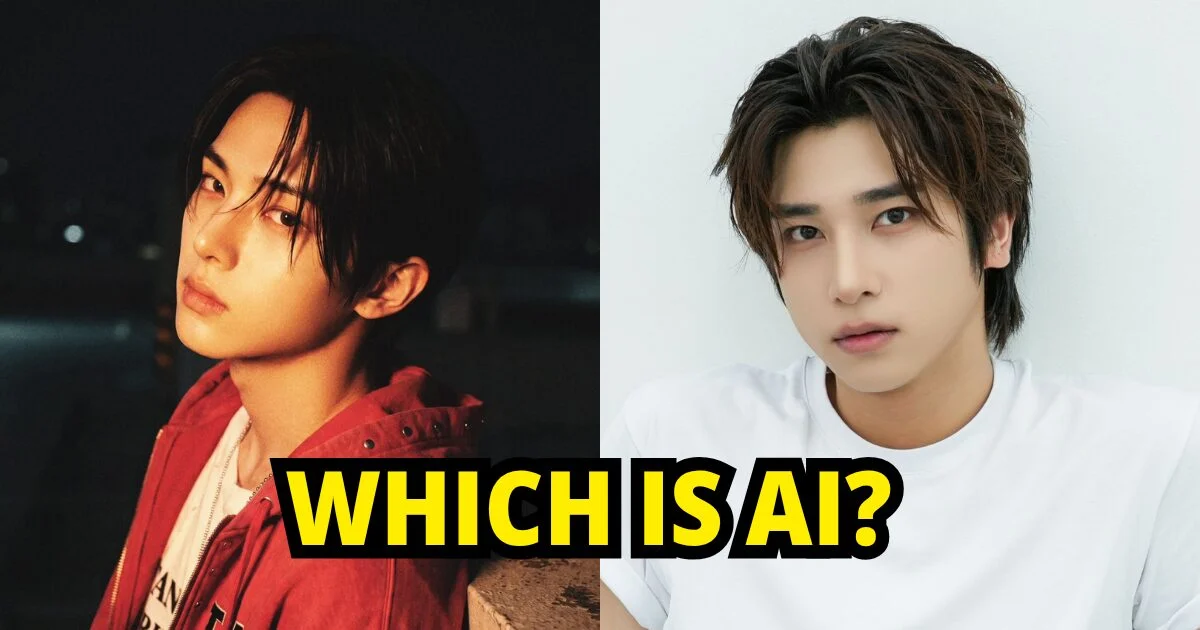
The intersection of artificial intelligence and the global music industry has reached a controversial new milestone with the October 14 debut of muuo, a five-member virtual boy group introduced by Stone Music. While virtual idols and digital avatars are not entirely unprecedented within the K-pop ecosystem—having been previously explored by experimental acts such as MAVE: and SUPERKIND—muuo’s debut has provoked an intense wave of public backlash. Unlike its stylistic predecessors, whose noticeably animated or hyper-stylized designs clearly separated them from human performers, muuo has been engineered with unnervingly convincing realism. Within hours of dropping its pre-release single, the group became the center of a heated viral discourse, with internet users and K-pop fans accusing the agency of synthesizing the facial features of well-known human idols to construct the virtual members.
The Genesis of Virtual Idols in K-pop
The concept of integrating virtual reality and artificial intelligence into mainstream pop music is built upon years of technological evolution within the South Korean entertainment sector. Early iterations of virtual idols often relied on CGI avatars operated by hidden human performers, motion-capture technology, or stylized computer-generated imagery that maintained a clear boundary between human and machine.
Groups like MAVE:, launched by Metaverse Entertainment, and SUPERKIND, which famously integrated both virtual and human members, attempted to carve out a niche in a digitally forward-facing market. However, these prior projects ultimately faced sustainability challenges, with both groups eventually disbanding or fading from mainstream prominence. Their designs leaned heavily into futuristic aesthetics, ensuring audiences understood they were interacting with digital renderings rather than trying to pass them off as real individuals.
The debut of muuo represents a stark departure from these earlier, transparently digital aesthetics. Powered by rapid advancements in generative artificial intelligence, neural rendering, and high-fidelity facial mapping, Stone Music’s new five-piece act features faces that blur the line between digital creation and reality. This leap in technological capability, rather than being received as a marvel of modern engineering, has instead triggered deep ethical and aesthetic concerns regarding consent, originality, and the commodification of human likeness.
Viral Backlash and Allegations of Facial Synthesis
On October 14, Stone Music officially released promotional materials and a pre-release single for muuo, thrusting the virtual group into the international spotlight. A video featuring the AI members introducing their upcoming track quickly circulated across platforms like X (formerly Twitter), Instagram, and TikTok, accumulating millions of views and triggering immediate scrutiny.
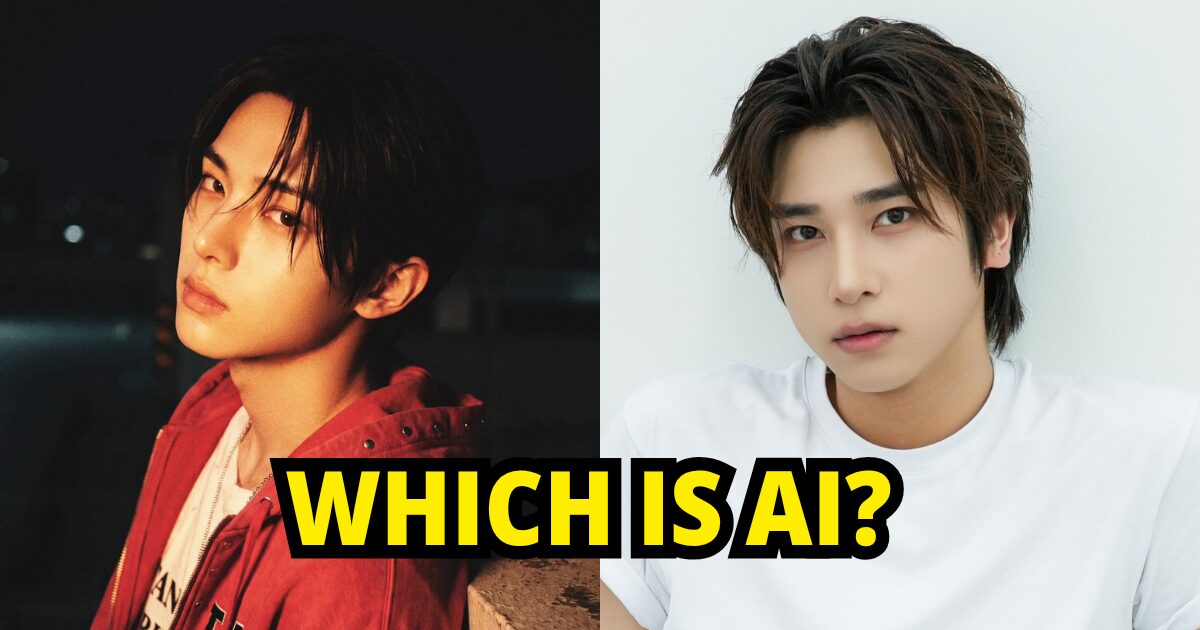
As fans analyzed the facial structures and expressions of the five virtual members, a prevailing consensus emerged: the members bore an uncanny, highly specific resemblance to established human idols currently active in the industry. Social media users flooded reply threads and quote-tweets with side-by-side comparisons, pointing out that muuo’s members appeared to be Frankenstein-esque composites of popular artists.
Specific comparisons drawn by the K-pop fandom pointed toward members of major fourth- and fifth-generation groups, including Tomorrow X Together (TXT), ENHYPEN, TWS members Dohoon and Sungho, and ZEROBASEONE’s Sung Hanbin, among others. The precision of these resemblances fueled widespread discomfort. Rather than viewing the group as an original creative endeavor, a significant portion of the online community characterized the project as a derivative compilation of existing human traits.
Prominent fan accounts expressed deep unease, with viral posts describing the experience of watching the video as "scary" and "sickening." The core criticism centered on the implication that generative AI models may have been trained or prompted using the likenesses and facial datasets of real, working idols without explicit attribution or transparent consent.
Socio-Economic and Environmental Grievances
Beyond the unsettling visual similarities to human artists, muuo’s debut struck a nerve regarding broader socio-economic and environmental issues inherent to the current deployment of generative AI technologies.

For many K-pop enthusiasts, the decision by an established music label to invest capital, technology, and marketing resources into an entirely artificial group felt tone-deaf and disrespectful to the human element of the industry. Thousands of aspiring human trainees spend years—sometimes decades—enduring grueling daily schedules, financial instability, and intense psychological pressure within agency training systems in hopes of securing a single debut opportunity. The allocation of industry resources toward AI-generated performers over flesh-and-blood trainees prompted widespread indignation among fans who viewed the move as an existential threat to human labor and artistry.
Furthermore, the backlash extended into environmental concerns. The computational power required to train generative artificial intelligence models, render high-definition real-time video, and maintain large-scale digital infrastructure carries a massive carbon footprint. Critics quickly pointed out the irony and ecological cost of expending vast amounts of energy and generating substantial carbon emissions merely to produce synthetic pop stars, amplifying pre-existing global anxieties over the unchecked expansion of energy-intensive AI technologies.
Industry Implications and Future Outlook
The debut of muuo and the subsequent public reaction highlight a critical turning point for the entertainment industry as it navigates the murky waters of generative artificial intelligence. While entertainment companies continually seek innovative ways to capture market share, reduce long-term overhead costs, and maximize intellectual property control, consumer pushback demonstrates that technological novelty alone is no longer enough to secure audience goodwill.
The controversy surrounding muuo raises complex legal and ethical questions that regulators, legal experts, and entertainment conglomerates will inevitably have to address. Issues surrounding the right of publicity, facial mapping, data scraping, and the ethical boundaries of training neural networks on human likenesses remain largely unregulated in many jurisdictions. If fans and human artists continue to push back against the synthetic replication of physical appearances, entertainment agencies may find that the commercial risks of deploying hyper-realistic AI groups far outweigh the initial novelty value.
As the debate continues to unfold across global digital spaces, the case of muuo serves as a cautionary tale for the music industry. It underscores the reality that while technology can replicate the visual attributes of a pop star, it cannot manufacture the authentic emotional connection, shared lived experience, and mutual respect that forms the bedrock of the relationship between human artists and their audiences.
