

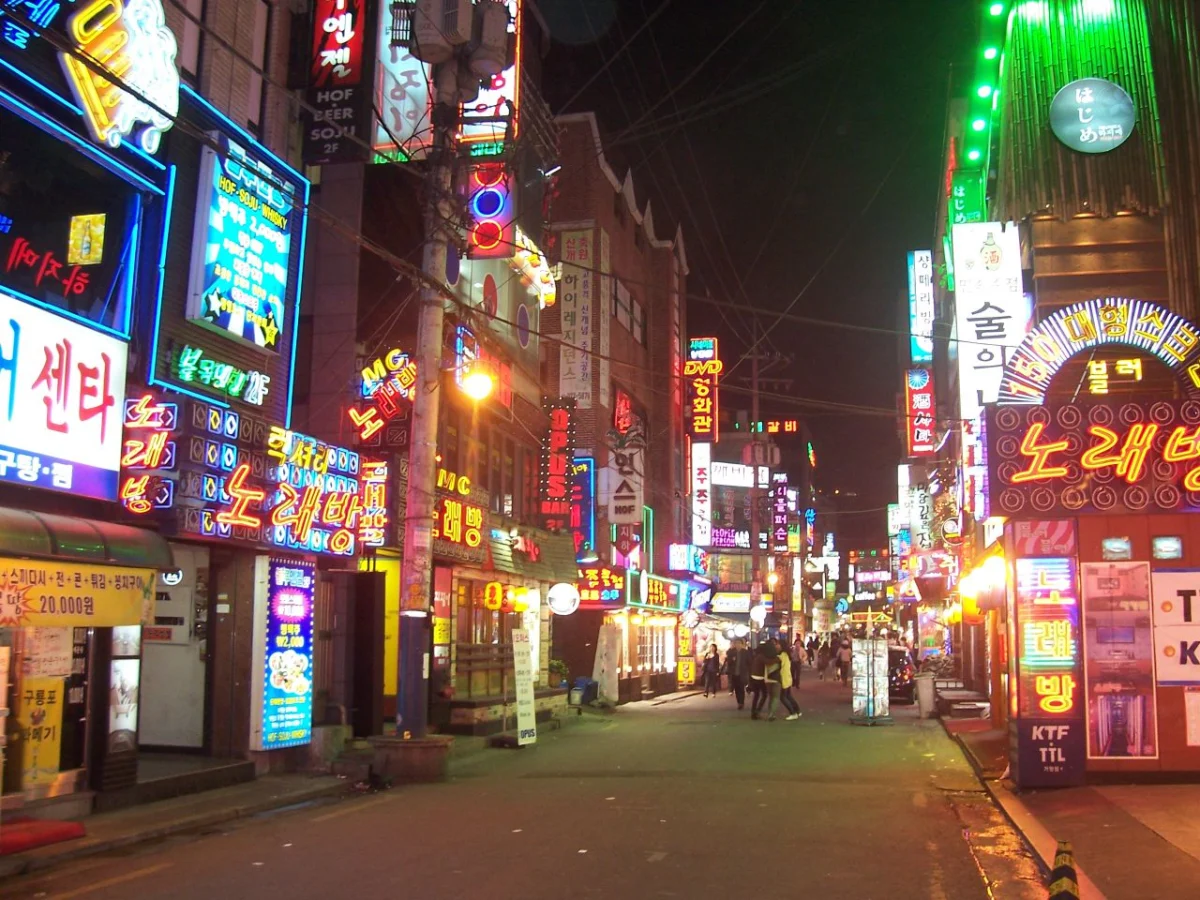
Seoul, the vibrant capital of South Korea, stands as a sprawling metropolis that seamlessly bridges ancient history with cutting-edge technology. For travelers planning a visit, the sheer scale of the city—home to nearly 10 million residents—can make selecting the right district a daunting task. Whether one is arriving for corporate engagements in the financial hubs, seeking deep cultural immersion, or hunting for the latest trends in the fashion districts, the choice of neighborhood is the most significant factor in defining the travel experience.

This comprehensive analysis provides an objective overview of Seoul’s primary districts, their distinct atmospheres, and the logistical considerations required to navigate one of the world’s most dynamic urban environments.

The Cultural Core: Jongno-gu and Historical Preservation
Jongno-gu serves as the historical heart of Seoul. It is a district where UNESCO World Heritage sites, such as the Changdeokgung Palace, sit adjacent to modern commercial developments. The area encompasses Bukchon Hanok Village, Insadong, Gwanghwamun, and the burgeoning neighborhood of Ikseon-dong.

Bukchon Hanok Village remains a unique urban enclave, characterized by hundreds of traditional Korean houses, or hanoks, dating back to the Joseon Dynasty. Unlike a museum, this is a functioning residential area, requiring visitors to maintain decorum. For travelers prioritizing cultural proximity, staying in a local hanok—such as the Haemil Hanok Guesthouse or the more upscale Chiwoonjung—offers an authentic experience, particularly with traditional ondol floor heating systems that remain highly effective during the harsh Korean winters.

Adjacent to this, the Insadong corridor functions as a primary destination for those interested in traditional arts, calligraphy, and antique tea houses. It is a highly central location, providing easy walking access to the Gyeongbokgung Palace and the Jogyesa Buddhist Temple. For business travelers or those on a restricted timeline, hotels like the Hotel Aventree provide a strategic base in the middle of this high-traffic tourist zone.

The Youthful Pulse: Mapo-gu and the University Districts
The Mapo-gu district, comprising Hongdae, Sinchon, and Edae, represents the energetic, student-centric face of Seoul. This area is dominated by the presence of Hongik University, Ewha Womans University, and Yonsei University, creating a demographic concentration of young adults.

Hongdae is recognized globally for its late-night culture, live music scene, and independent fashion boutiques. The neighborhood is rarely silent, making it an ideal choice for younger travelers and backpackers who prefer high-energy surroundings. Accommodations such as the Amanti Hotel Seoul and the Nine Brick Boutique Hotel cater to this crowd, offering modern, Western-style amenities in a neighborhood that serves as a transit hub via the Hongik University Station.

Sinchon and Edae share the youthful energy of Hongdae but often offer more competitive pricing for budget-conscious travelers. Edae, specifically, is a specialized hub for women’s fashion, with street-level retail outlets catering to the nearby Ewha student body. While the nightlife here is less intense than in Hongdae, the accessibility remains excellent, and budget-friendly options like the Seoul Grand Hostel provide essential, efficient housing.

The Commercial and Retail Powerhouses: Jung-gu
Jung-gu is the administrative and retail nexus of the city. Myeongdong and Dongdaemun define this district, attracting millions of visitors annually. Myeongdong is frequently cited as the shopping capital of Seoul, known for its high concentration of cosmetic retail, department stores, and international cuisine. For visitors focusing on commerce or seeking to be at the center of the city’s activity, Myeongdong offers premier logistics, including proximity to the Namsan Tower cable car and the historic Namdaemun Market.

Dongdaemun, conversely, is the center of the textile and wholesale fashion industry. The presence of the Dongdaemun Design Plaza (DDP), designed by the late architect Zaha Hadid, has transformed the area into a global landmark for design and fashion innovation. During the annual Seoul Fashion Week, this district becomes the focal point of the city’s creative economy. Hotels such as the Sotetsu Hotels The Splaisir Seoul Dongdaemun offer architectural views of the DDP, making them highly sought after by design enthusiasts and international business delegates.

International Diversity: Itaewon and Yongsan-gu
Itaewon, located within Yongsan-gu, occupies a unique position in Seoul’s social fabric. Historically defined by its proximity to the Yongsan Garrison, it has evolved into the most diverse neighborhood in the city. Itaewon serves as the primary hub for international cuisine, nightlife, and expatriate culture.

For the general tourist, Itaewon offers a level of cultural variety not found in other parts of the city. It is geographically central and provides access to major museums, including the National Museum of Korea and the War Memorial of Korea. The Hamilton Hotel remains a staple of the area, providing immediate access to the subway and a rooftop pool, which serves as a major draw during the humid summer months.

Financial and Luxury Hubs: Yeongdeungpo-gu and Gangnam-gu
The island of Yeouido, located in the Han River, functions as the financial heart of Seoul. Often referred to as the "Wall Street of Seoul," it houses the headquarters of major banks and media corporations. Yeouido Park and the IFC Mall are central to the area’s infrastructure. It is a preferred destination for corporate travelers and families seeking a quieter, more upscale environment. The Conrad Seoul is the standard-bearer for luxury in this district, offering high-end amenities that mirror the professional nature of the island.

Across the river, Gangnam-gu continues to represent the pinnacle of wealth and modern development in Korea. Since the global exposure brought by the 2012 viral hit "Gangnam Style," the district has solidified its status as a global brand. It is a dense collection of high-rise corporate towers, luxury retail outlets, and advanced medical tourism clinics.

Apgujeong, the "Rodeo Drive" of Seoul, is characterized by its high-end fashion boutiques and luxury vehicle showrooms. For travelers seeking a high-luxury experience, hotels like the La Casa Hotel provide a sophisticated environment near the Garosugil tree-lined streets. In the Samseong-dong area, the COEX Mall serves as a primary convention destination. The Oakwood Premier Coex Center is strategically placed for those attending conferences or exhibitions, offering large suites with kitchenettes that cater to the long-term business traveler.

Logistical Infrastructure and Transit
The efficiency of Seoul’s public transportation is a defining feature of the city. The subway network, comprising over 20 lines, is arguably the most effective way for visitors to navigate the sprawling urban landscape. The integration of the T-Money card system allows for seamless travel across buses, subways, and even taxi services.

Financial analysts and urban planners have consistently noted that the T-Money system’s ability to provide free transfers between buses and subways within a 30-minute window encourages high ridership and reduces vehicular traffic congestion. Tourists are strongly advised to purchase a T-Money card immediately upon arrival at a convenience store, as single-use paper tickets are inefficient and economically disadvantageous.

Regarding navigation, travelers should be aware that Google Maps may not provide the same level of granular detail in Seoul as it does in other international cities. The local application, Naver Map, is the industry standard for accuracy in Korea. While Google Maps is functional, it may occasionally fail to provide real-time bus data or precise walking routes for smaller alleyways.

Economic Considerations and Travel Timing
When planning a visit, understanding the seasonality of the Korean climate is essential for ensuring comfort. The climate is marked by four distinct seasons, each with significant variations. The peak travel periods are typically spring (April to June) and autumn (September to November), when temperatures are moderate and the city’s natural beauty is at its height, particularly during the cherry blossom season in Yeouido.

Economically, visitors should prioritize securing a travel credit card that minimizes foreign transaction fees. While major hotels and department stores accept international cards, cash remains necessary for smaller markets and street food vendors. Regarding currency exchange, experts recommend utilizing local bank ATMs (such as Citi, KEB, or Woori) rather than airport currency exchange booths, which are notorious for unfavorable rates. For those in need of significant cash, the money changers in the Myeongdong district are widely considered to offer the most competitive rates in the city.

Ultimately, Seoul’s vast array of neighborhoods ensures that there is an appropriate environment for every type of visitor. Whether one requires the high-speed connectivity of the Gangnam business district or the quiet, historical reflection of a hanok in Bukchon, the city’s robust infrastructure and diverse districts provide a foundation for a successful and efficient stay.
