

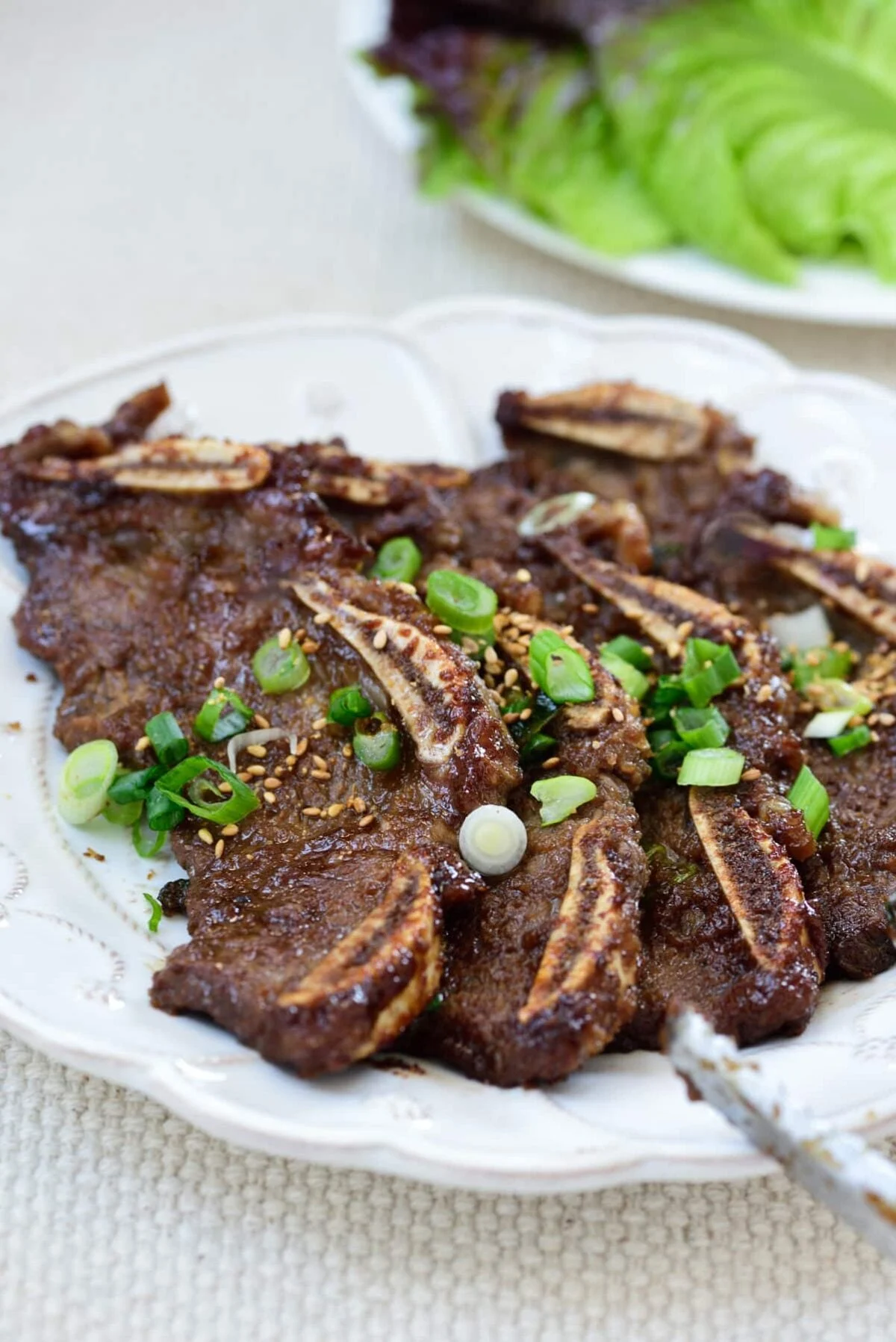
The preparation of LA-style galbi represents a significant intersection of traditional Korean culinary heritage and the immigrant experience in the United States. As one of the most recognizable dishes in the Korean canon, these thin-cut beef short ribs have transcended their origins to become a staple of home-cooking and restaurant culture worldwide. Characterized by their signature cross-cut bone structure and a marinade that balances the enzymatic tenderizing power of fruit with the deep umami of soy sauce, the dish requires precise technique to achieve the optimal texture: succulent, caramelized, and tender.
Historical Context and the Evolution of the Cut
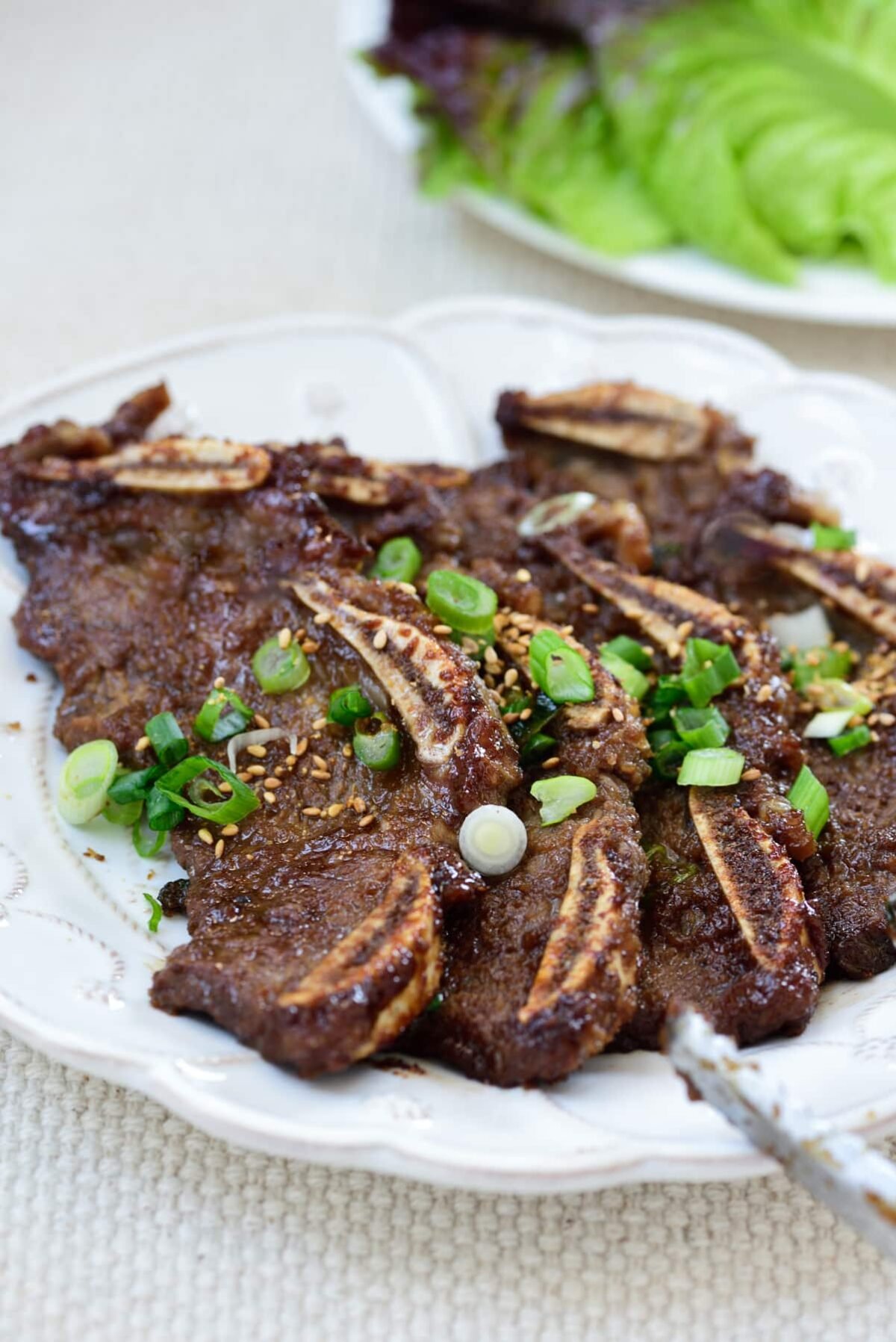
The term "LA galbi" is not merely a geographic indicator but a testament to the adaptation of Korean cuisine within the North American landscape. During the mid-20th century, as Korean immigrants settled in Los Angeles, they encountered a local butchery tradition that differed significantly from the practices in their homeland. In Korea, short ribs—or galbi—were traditionally prepared using the "English cut," where ribs are separated into individual segments and often butterflied for even cooking.
However, in Los Angeles, local butchers utilized a meat saw to cut across the rib bones, resulting in thin, long strips that contained three or four cross-sections of the bone. This "flanken cut" was initially a product of convenience, but it proved remarkably well-suited for the Korean style of rapid grilling. The thinness of the meat allowed the marinade to penetrate the tough connective tissues of the short rib quickly, while the proximity of the meat to the bone ensured that the fat rendered effectively during the cooking process, resulting in a flavor profile that was both rich and accessible. By the late 1980s and 1990s, this cut had become so synonymous with the Korean-American community that it was exported back to South Korea, where "LA galbi" became a recognized and sought-after culinary term, representing a modern twist on a classic dish.
The Science of the Marinade: Enzymatic Tenderization
The efficacy of a galbi marinade relies heavily on the science of protein breakdown. Beef short ribs are a cut with significant intramuscular fat and connective tissue, which, if cooked improperly, can result in a chewy, undesirable texture. Traditional recipes rely on natural proteases found in specific fruits to tenderize the meat.
Korean or Asian pears are the gold standard in this process. These fruits contain high concentrations of calpain-like enzymes that break down the myofibrillar proteins in the beef. Unlike mechanical tenderization, which physically tears the muscle fibers, these enzymes provide a delicate, uniform softening. When unavailable, culinary experts often point to alternative sources of enzymes, such as kiwi, pineapple, or papaya. However, these require extreme caution; the protease concentration in a kiwi, for instance, is significantly higher than in an Asian pear. Using too much can result in the meat losing its structure entirely, turning it into a mushy consistency within hours.
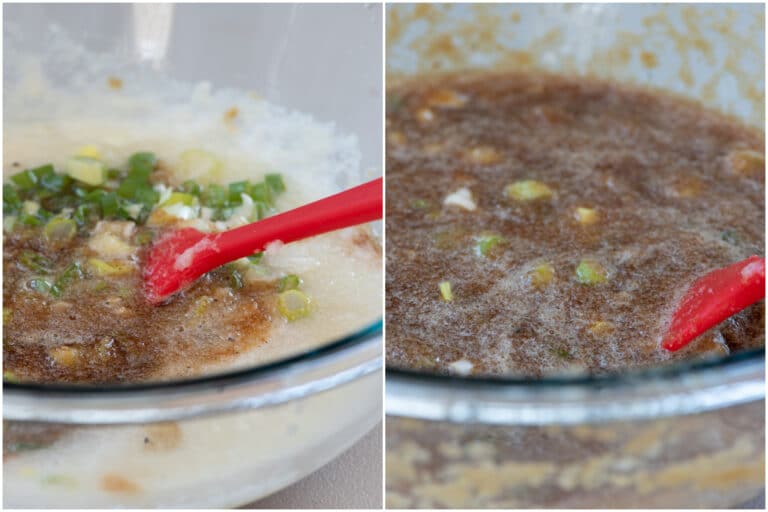
Data from food science laboratories suggest that for a standard 2-pound batch of short ribs, the addition of a half-kiwi or a half-cup of pear purée, when combined with the acidity of soy sauce and the sweetness of sugar or corn syrup, creates an optimal pH environment for marination. The standard recommended marination time ranges from 6 to 24 hours. Anything less than 6 hours fails to allow for deep flavor penetration, while exceeding 24 hours risks over-marination, where the enzymes continue to degrade the meat beyond the desired level of tenderness.
The Culinary Technique: Managing High-Sugar Marinades
One of the most common challenges in preparing galbi is the management of the marinade during the cooking phase. Because the sauce is rich in sugars—derived from both the fruit purées and added sweeteners—it is highly prone to burning before the interior of the meat has reached the proper temperature.
Professional chefs and home cooks alike utilize three distinct methods to mitigate this risk, each altering the final flavor profile:
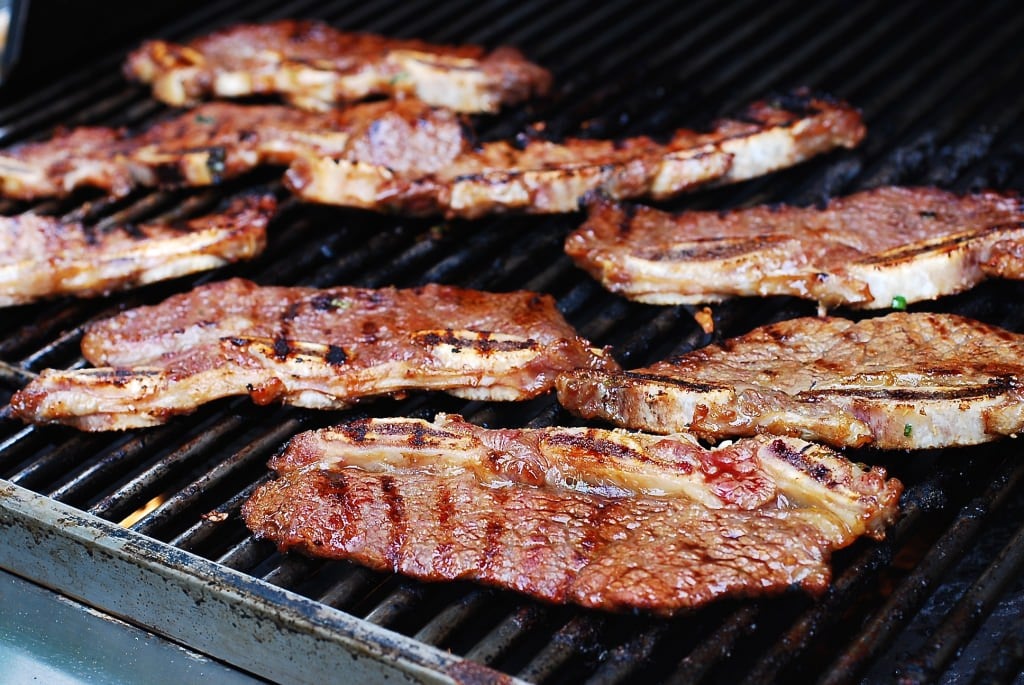
- Grilling: This is the gold standard for traditional galbi. The use of charcoal, specifically binchotan or hardwood charcoal, imparts a smoky depth that complements the sweetness of the marinade. The high, direct heat caramelizes the sugars into a crisp, dark brown exterior while maintaining a juicy interior.
- Broiling: For home environments without access to outdoor grills, the oven broiler serves as a functional substitute. By placing the ribs on the top rack, the intense, direct radiant heat mimics the effect of a grill. Success here requires constant supervision, as the sugar content can transition from caramelized to scorched in a matter of seconds.
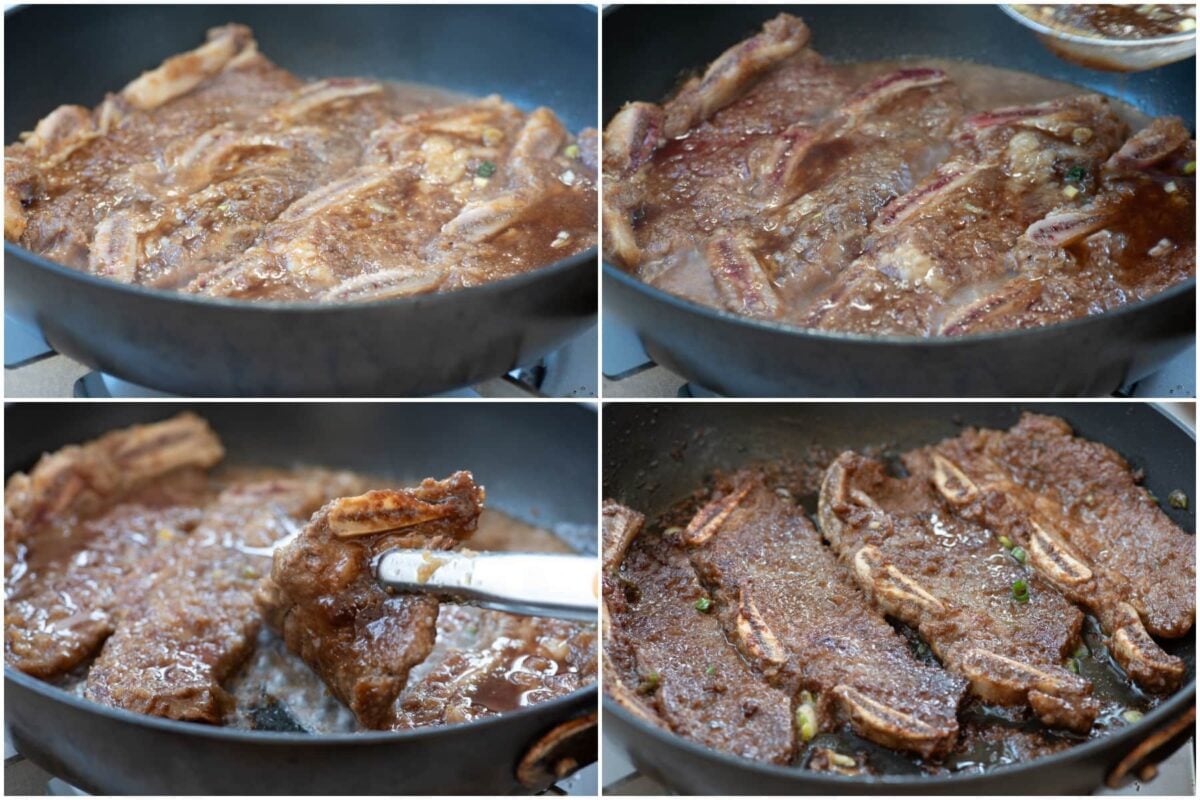
- Pan-Frying with Liquid Integration: This technique, often described as a "quick braise," is the most forgiving method. By cooking the ribs in a pan and adding a splash of water or remaining marinade after the initial sear, the cook creates a steam-and-sauté environment. This prevents the sugars from burning while ensuring the ribs are thoroughly cooked and glazed in the reduced sauce.
Economic and Social Implications
The rise of LA galbi as a global phenomenon reflects a broader trend in the globalization of Korean culture. As interest in K-pop, K-dramas, and Korean film has surged, so too has the demand for authentic Korean ingredients. Retail data indicates that sales of Korean soy sauce, gochujang, and specific cuts of short rib have seen steady growth in mainstream Western grocery chains over the past decade.
From a nutrition standpoint, the dish is calorie-dense, reflecting its history as a celebratory meal meant for special occasions. However, modern iterations of the recipe frequently adjust the sugar content to cater to health-conscious demographics. Culinary analysts note that reducing added sugar in favor of increased fruit content maintains the integrity of the dish while lowering the glycemic impact.
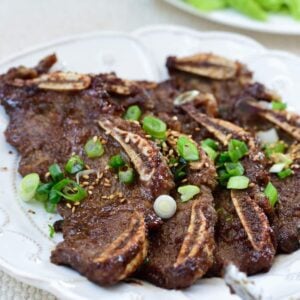
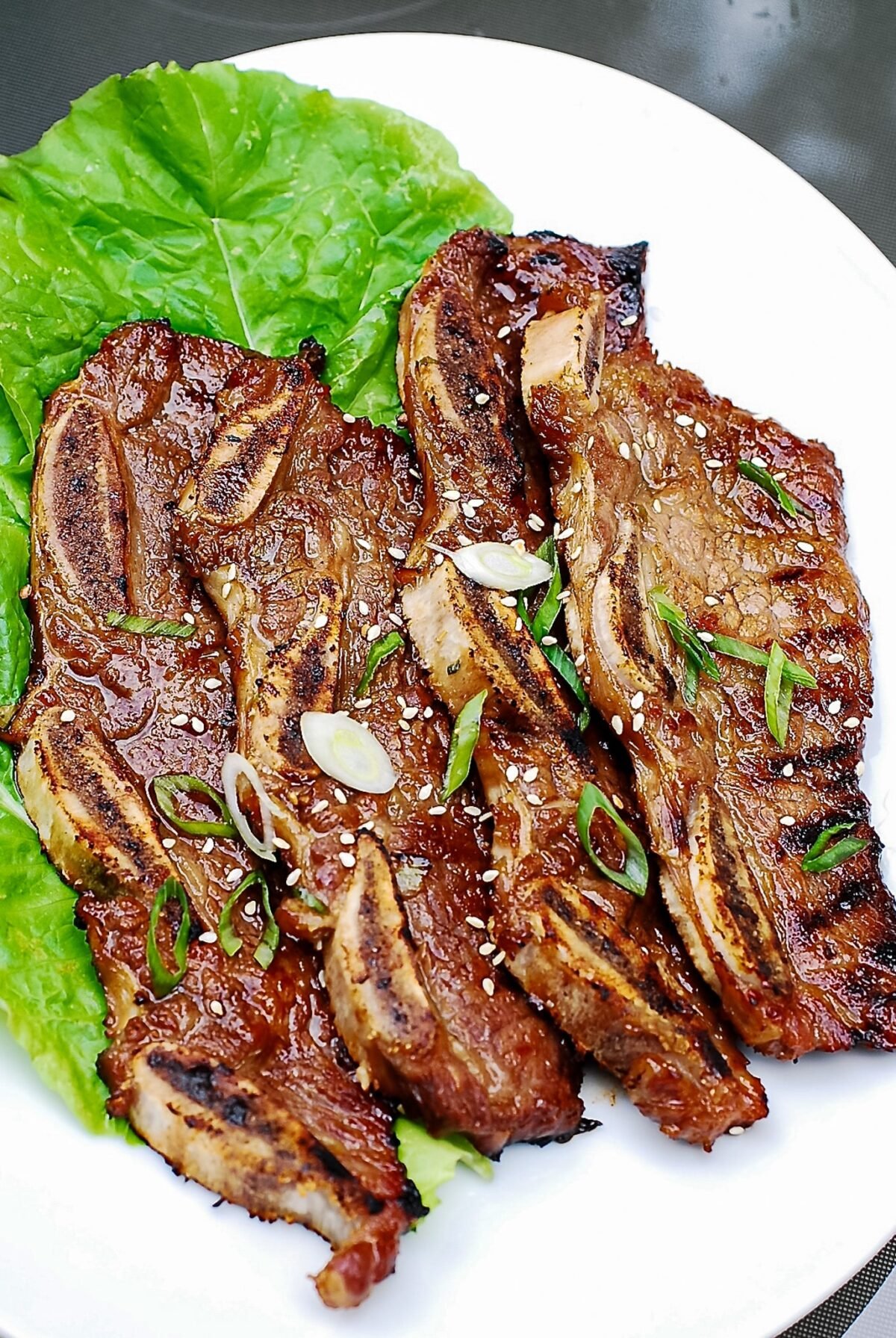
The social component of eating galbi cannot be overstated. In Korean tradition, the meal is rarely eaten in isolation. It is designed for sharing, traditionally accompanied by a variety of banchan (side dishes). The inclusion of lettuce leaves for wrapping (ssam) serves a functional purpose, as the freshness of the greens balances the richness of the fatty beef. Furthermore, the use of scallion salad (pa muchim) provides a sharp, acidic contrast that cleanses the palate between bites, enhancing the overall dining experience.
Expert Perspectives on Quality Assurance
Quality assurance begins at the butcher counter. When selecting meat for LA galbi, the presence of marbling—intramuscular fat—is the primary indicator of quality. Because the meat is cut thin, the fat will render rapidly; without sufficient marbling, the ribs can become dry and tough regardless of the marination technique.
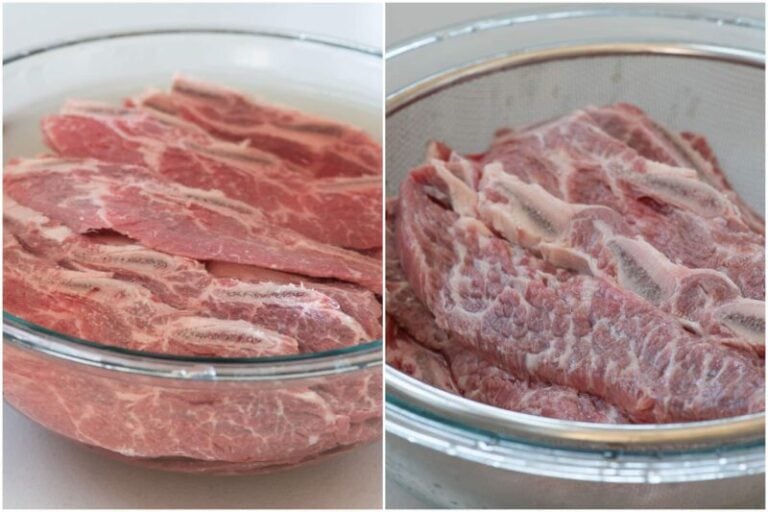
Experts advise that the color of the beef should be a deep, vibrant red, with fat that is creamy white rather than yellow. If the bone looks darkened or if there is excessive blood leakage in the packaging, it may indicate that the meat has been frozen and thawed repeatedly or that it is not fresh.
Future Trends and Culinary Adaptation
As home cooking technology continues to evolve, we are seeing the emergence of new methods for preparing galbi. The use of sous-vide machines, for instance, allows for the precise control of the meat’s internal temperature before a final sear. By vacuum-sealing the ribs with the marinade and cooking them at 135°F for several hours, cooks can achieve a level of tenderness that is difficult to replicate through traditional grilling alone, followed by a quick blast in a cast-iron skillet to achieve the Maillard reaction.
Ultimately, the enduring popularity of LA galbi lies in its balance. It offers the satisfaction of a robust, protein-heavy meal while providing a complex, multi-layered flavor profile that appeals to a global palate. Whether prepared on a backyard charcoal grill in the middle of summer or in a small apartment kitchen during the winter, the dish remains a cornerstone of the Korean culinary identity, bridging the gap between historical tradition and modern domestic convenience. As the global palate continues to embrace the nuanced flavors of fermented sauces and balanced sweet-savory combinations, the recipe for LA galbi serves as an essential manual for any home cook looking to explore the depths of Korean barbecue.
