

The neighborhood of Garosugil in Sinsa-dong, Seoul, has evolved into a premier destination for high-end retail, luxury boutiques, and a burgeoning "dessert economy" that caters to a demographic prioritizing visual aesthetics and social media engagement. As South Korea’s café culture has matured into a multi-billion dollar industry, districts like Garosugil have become the primary testing grounds for viral food trends. This analysis examines the operational models of prominent dessert establishments in the area, such as Dore Dore and Remicone, and the broader economic implications of the "Instagram-worthy" culinary trend in modern Seoul.

The Evolution of Seoul’s Café Culture
In the past decade, the South Korean coffee shop market has undergone a significant transformation. According to data from the Korea Agro-Fisheries & Food Trade Corporation, the domestic coffee market surpassed 10 trillion KRW in annual revenue by the late 2010s, with a significant portion of this growth driven by independent, highly specialized, and visually oriented dessert cafes.
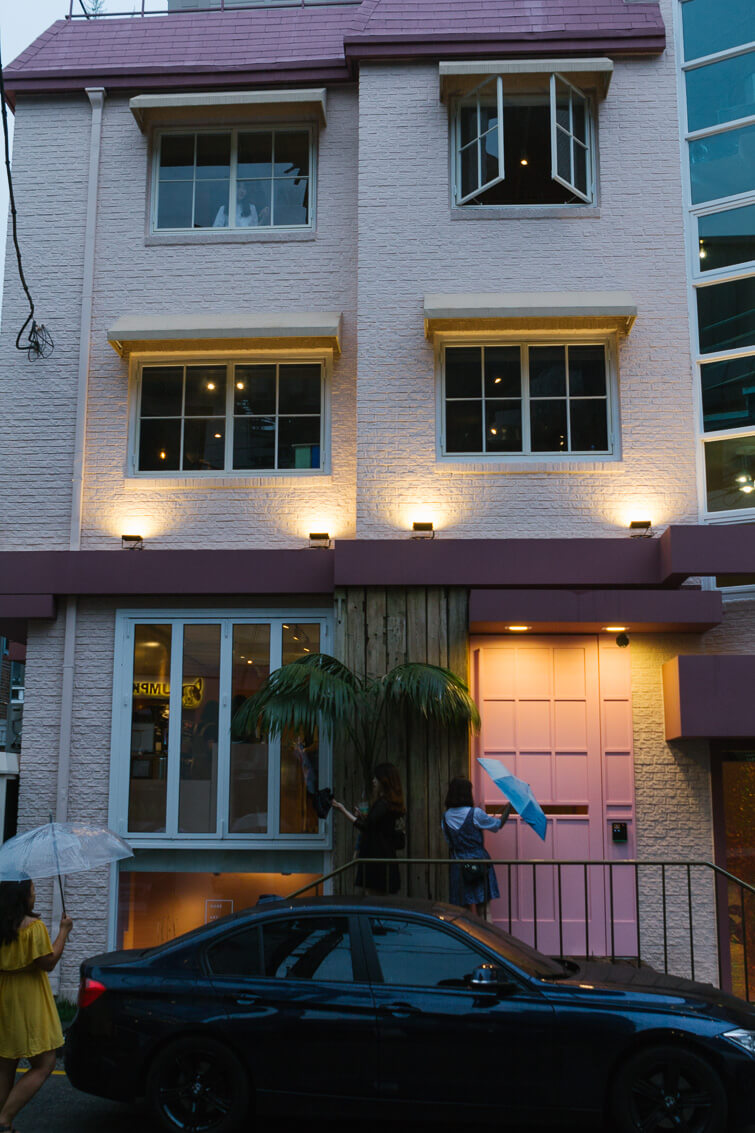
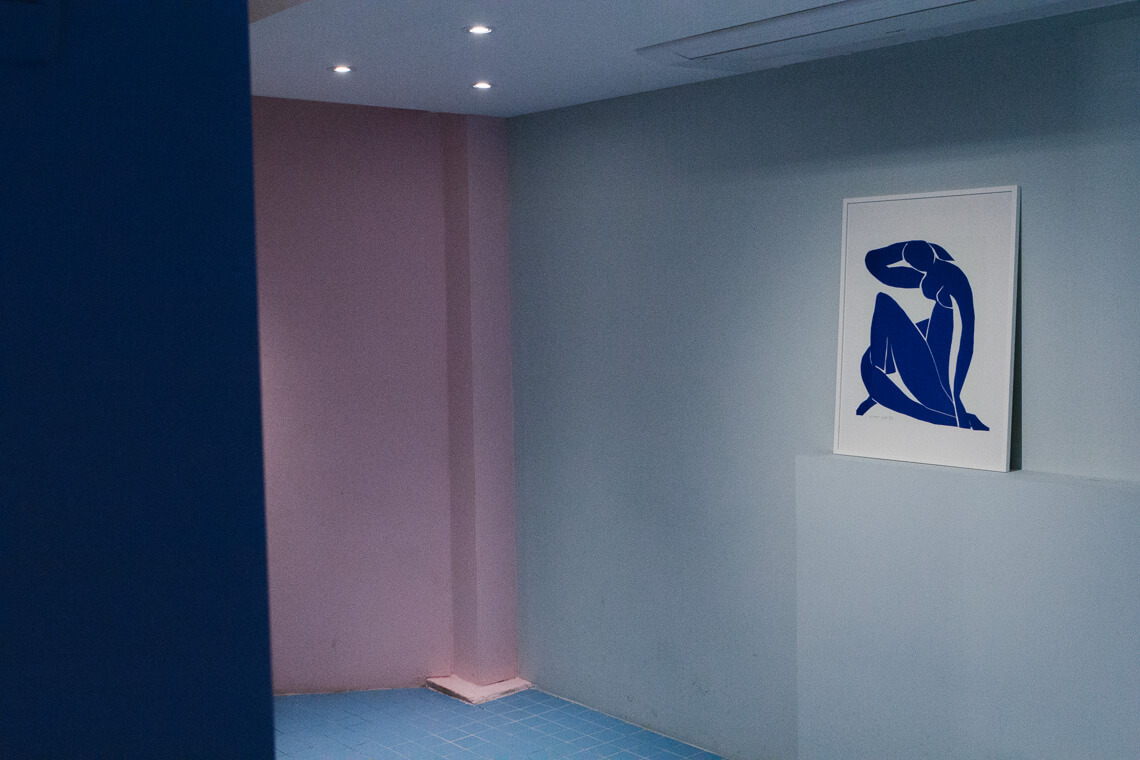
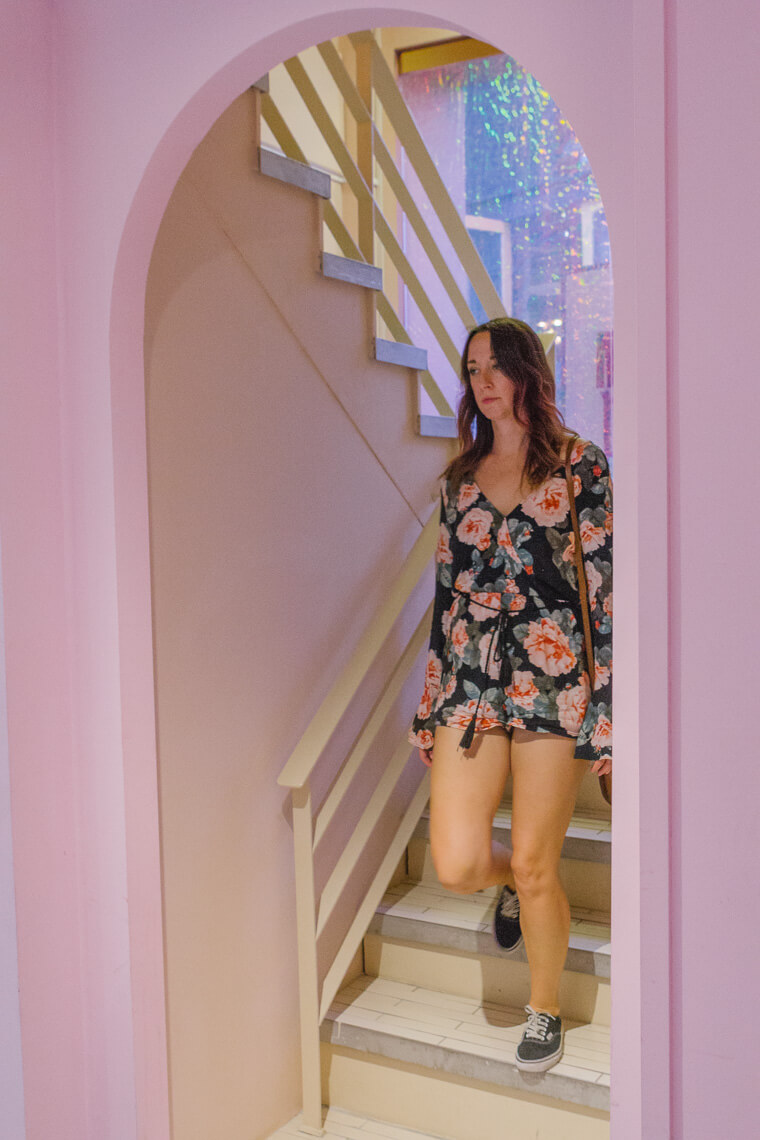
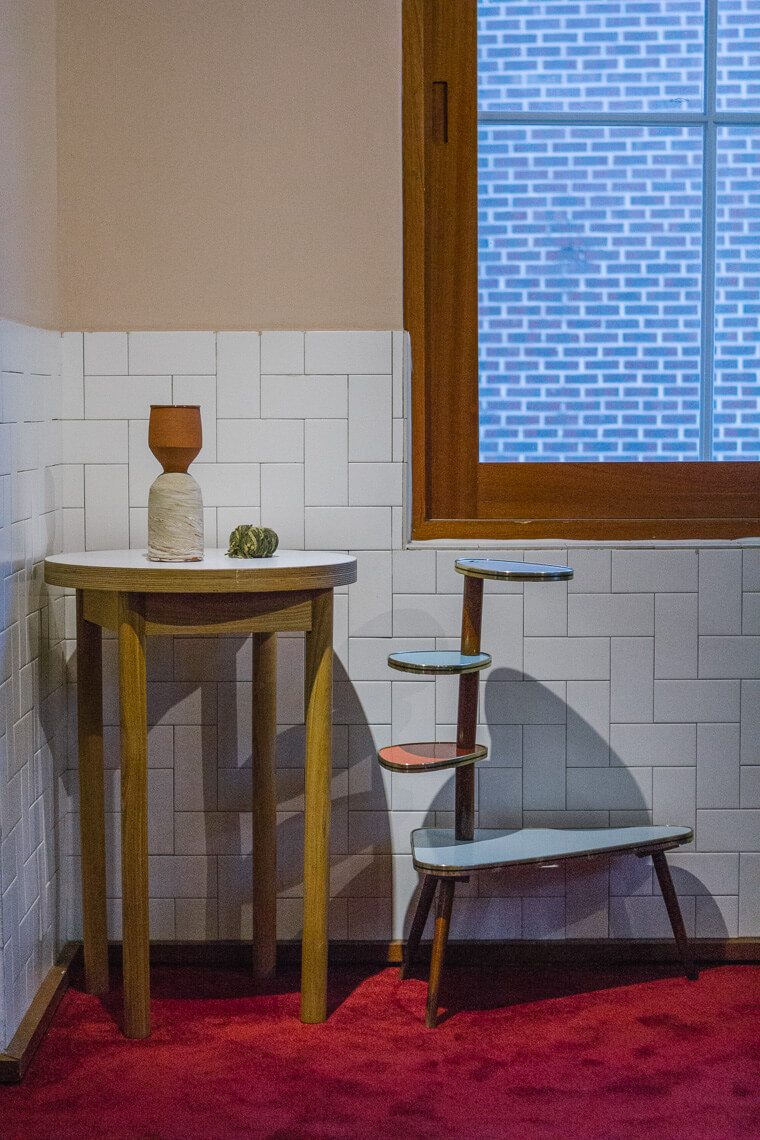
Garosugil, traditionally known for its tree-lined streets and high-end fashion, has repositioned itself as a hub for experiential consumption. The entry of multi-story, thematic cafes—such as Dore Dore—represents a departure from the traditional functional coffee house. These establishments are designed as "lifestyle spaces," where the physical environment—ranging from pastel-hued interiors to multi-level architectural designs—is as much a product as the food itself.
Case Study: The Commercial Strategy of Dore Dore
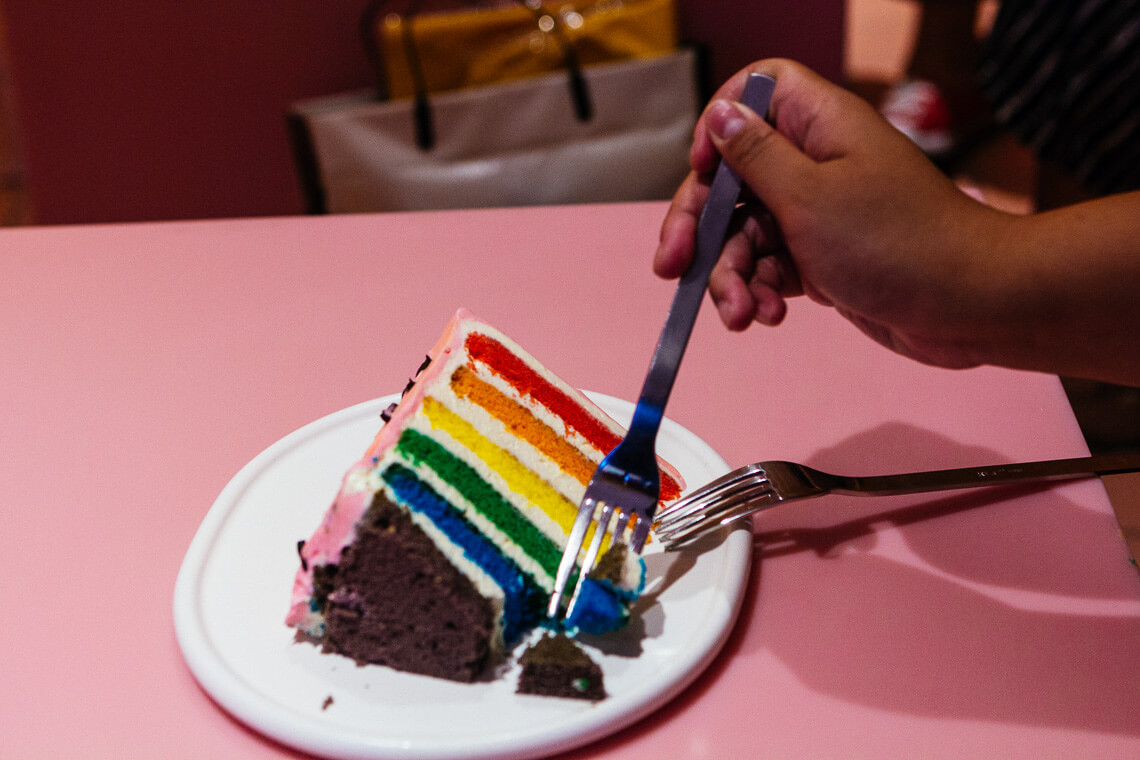
Dore Dore gained significant market traction by identifying a niche for visually striking, "high-impact" desserts. Their signature rainbow layer cake, characterized by its height and vibrant color profile, became a viral phenomenon. From a business perspective, the strategy is rooted in the "attention economy." By creating a product that is inherently shareable on platforms like Instagram, the company effectively offloads a portion of its marketing costs to consumers who provide organic, user-generated content.
However, this strategy involves specific trade-offs regarding pricing and consumer value. A single slice of cake at such establishments can retail for approximately 9,000 KRW, a price point that reflects not only the cost of ingredients but also the high commercial rent of the Sinsa-dong district and the investment in interior design. Observers note that while the visual presentation is meticulously crafted, the taste profile—often defined by high sugar content and rich, heavy textures—can be polarizing. For many, the consumption experience is less about culinary satisfaction and more about the performative act of engaging with a cultural trend.
The Phenomenon of Remicone and Seasonal Trends
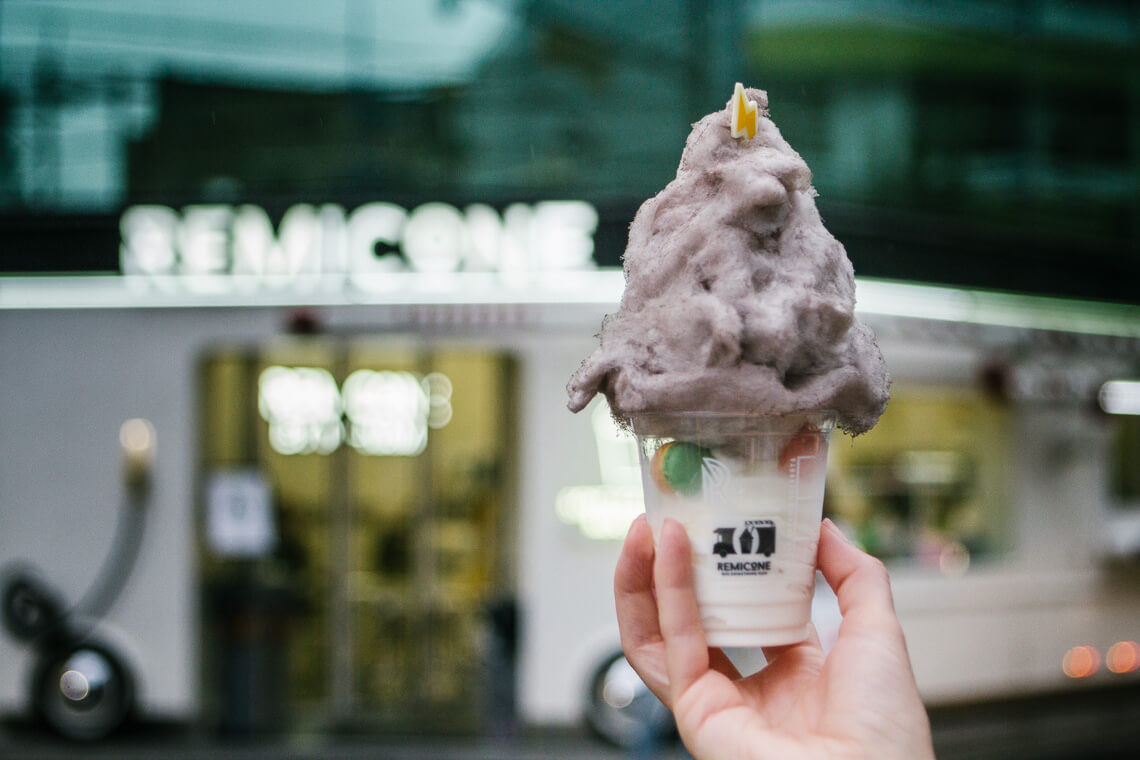
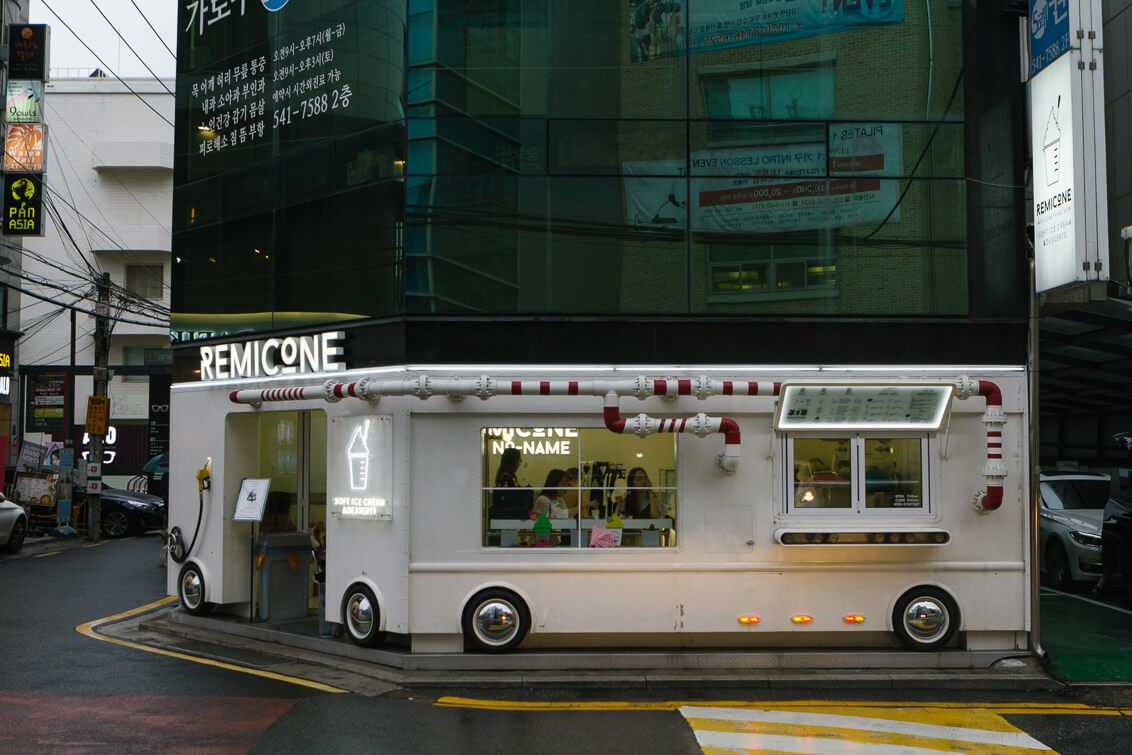
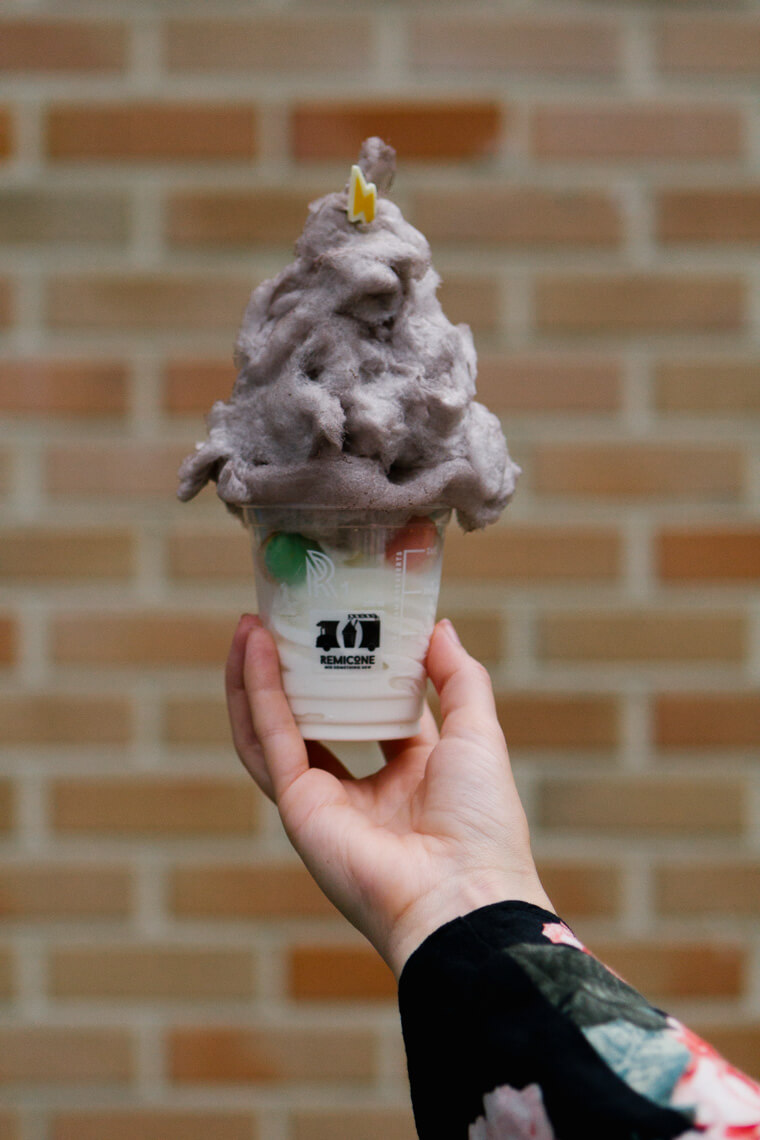
The trajectory of Remicone, another notable Garosugil establishment, illustrates the volatility of food trends in Seoul. Remicone gained popularity by pairing soft-serve ice cream with cotton candy—a combination that emphasizes novelty over traditional gastronomic pairings. The establishment’s market entry coincided with the "honey chip" ice cream craze that previously dominated the Seoul dessert scene, where demand often exceeded supply, creating a sense of urgency among consumers.
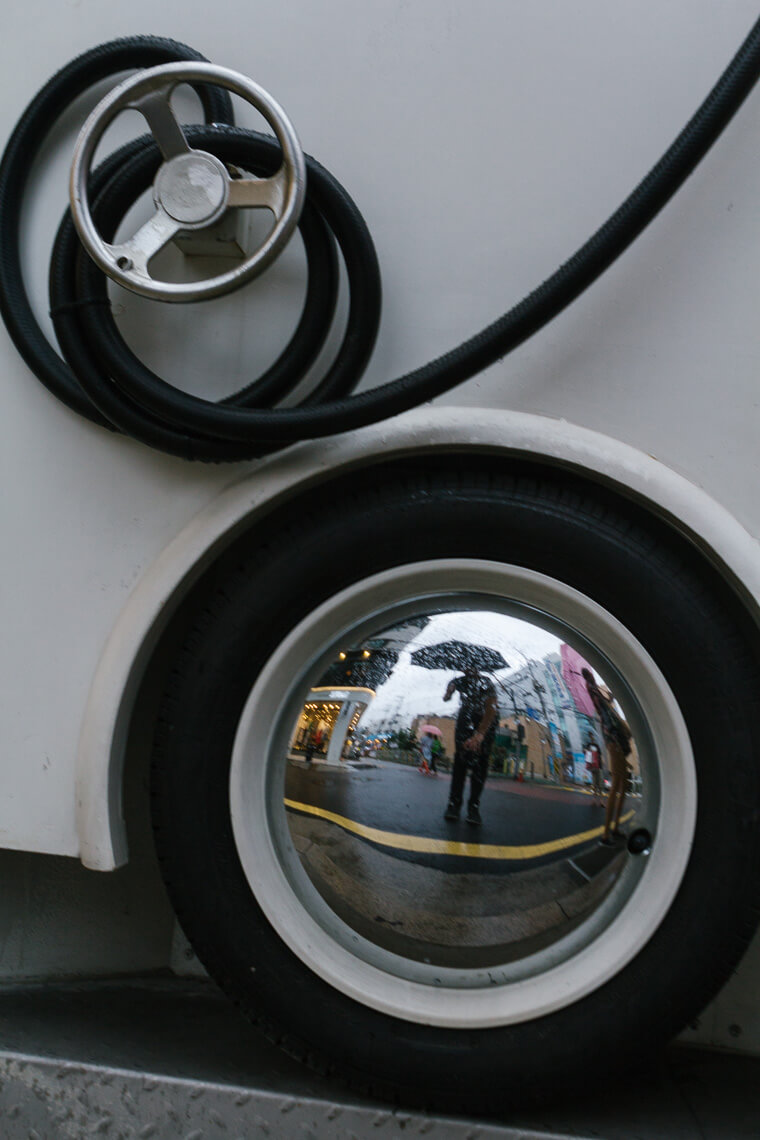
The "cotton candy ice cream" trend highlighted a recurring issue in the industry: the friction between visual appeal and functional consumption. Feedback from the market often pointed to the structural difficulty of eating cotton candy atop soft serve, alongside a perceived lack of flavor synergy. Furthermore, the prevalence of "imitation" stores—which prompted Remicone to display signage warning against fake locations—serves as a case study in the rapid commoditization of popular food concepts. In a hyper-competitive market, successful ideas are often quickly replicated by lower-cost competitors, forcing original establishments to constantly innovate to maintain their premium status.

Socio-Economic Implications of the Dessert Economy
The concentration of these cafes in affluent neighborhoods like Garosugil raises questions about the sustainability of the "experience-first" dining model. For the budget-conscious consumer, the price-to-value ratio at these locations is often unfavorable. A standard beverage and dessert pairing can exceed 20,000 KRW, a cost that competes with full-meal prices in other districts of Seoul.

Economists following the retail sector note that this pricing structure is sustainable only as long as the location remains a "destination" for tourists and younger demographics seeking social status through consumption. When the novelty of a specific item, such as the rainbow cake or the cotton candy cone, wanes, the establishment must pivot to new trends or risk declining foot traffic. This creates a cycle of constant aesthetic updates and menu experimentation that requires significant capital expenditure.
Comparative Analysis: Garosugil vs. Other Districts
While Garosugil remains a focal point for elite retail and high-end café culture, other neighborhoods like Myeongdong and Hongdae offer a different economic environment. In these areas, the dessert market is often more diverse, catering to a mix of international tourists and local students. The competition in these districts tends to be more price-sensitive, leading to a wider variety of options that prioritize taste and value alongside visual presentation.
Garosugil’s advantage lies in its brand identity. It is marketed as an exclusive enclave, and the dessert establishments located there benefit from the "halo effect" of the surrounding high-end fashion houses. The decision to visit these cafes is rarely based solely on the quality of the coffee; it is a deliberate choice to participate in a specific lifestyle brand that is synonymous with the Sinsa-dong area.
Industry Outlook and Consumer Behavior
The broader implications of the current trends in Garosugil suggest that the future of the café industry in South Korea will continue to be bifurcated. On one hand, there is the functional, convenience-based coffee market; on the other, there is the "high-fashion" dessert market that functions as a subset of the luxury goods industry.
For the average consumer, the experience of visiting these cafes is a brief window into a high-consumption lifestyle. While the products themselves may be fleeting in their popularity, the economic structures that support them—high-end real estate, social media influence, and the pursuit of novelty—are firmly entrenched. As consumer preferences shift toward more sustainable and health-conscious options, the "sugar-heavy, high-aesthetic" model may face pressure to evolve, potentially incorporating more artisanal ingredients or lower-sugar alternatives to maintain its relevance in an increasingly discerning market.
In conclusion, the dessert scene in Garosugil is a microcosm of the modern South Korean retail economy. It reflects a shift toward experiential retail where the product, the environment, and the digital footprint created by the consumer are inextricably linked. While critics may argue that the quality of the food is sometimes secondary to the presentation, the commercial success of these establishments suggests that for a significant segment of the population, the value of the experience is worth the premium price. Whether these trends will persist as long-term staples or vanish as quickly as the "honey chip" craze remains a key question for analysts of the Seoul food and beverage sector.
