

As the summer season arrives in South Korea, the metropolitan area of Seoul and its surrounding provinces prepare for an extensive lineup of cultural festivals, international music concerts, and immersive exhibitions designed to captivate domestic and international travelers alike. Spanning from May through August 2026, the calendar features a comprehensive array of traditional celebrations, contemporary entertainment, and seasonal culinary showcases. Tourism authorities and event organizers anticipate a significant influx of visitors, building upon the steady recovery of global travel and the enduring international appeal of Korean culture.

Traditional Heritage and Cultural Celebrations
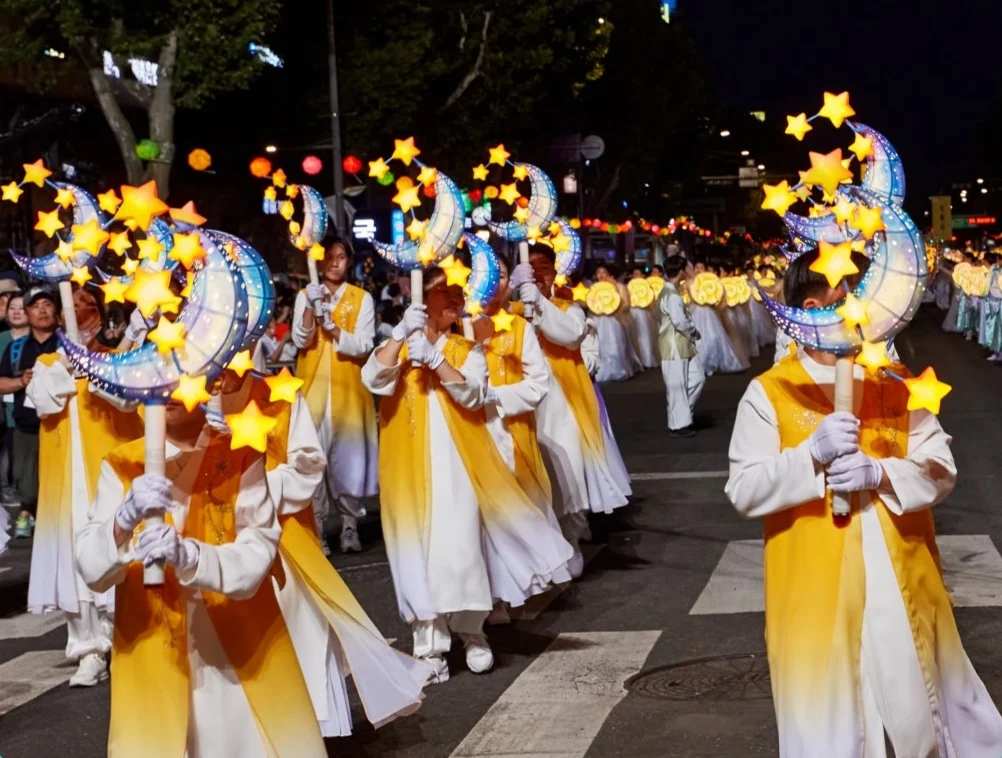
The summer festival circuit initiates with deep historical roots, highlighted by the annual Lotus Lantern Festival, known locally as Yeon Deung Hoe. Scheduled from May 15 to 17, 2026, with peripheral lantern exhibitions running from May 8 to 25 along Jong-ro in Jongno-gu, Seoul, this Buddhist celebration commemorates the birth of Buddha. Recognized as a pivotal intangible cultural asset, the festival draws hundreds of thousands of participants and spectators. The central event features a grand lantern parade originating from Dongguk University, wherein marchers carry meticulously crafted lanterns shaped like lotus flowers, Buddhist symbols, and mythical creatures while wearing traditional Korean attire. Beyond the procession, the festival provides attendees with opportunities to engage in traditional arts and crafts, temple tours, and meditative workshops.

Later in the season, regional heritage takes center stage with events such as the Buyeo Seodong Lotus Flower Festival, slated for early July 2026 at Gungnamji Pond in Buyeo County, South Chungcheong Province. Established to celebrate the historic Baekje culture and the peak blooming period of indigenous lotus flora, the festival has repeatedly earned designations as an official cultural tourism event. Modern iterations of the program incorporate night parades featuring historical royal personas, traditional music and dance performances, interactive craft workshops utilizing lotus components, and synchronized fireworks displays over the historic pond.

Contemporary Music and Pop Culture Phenomena
Contemporary entertainment remains a primary driver of tourism during the Korean summer, underscored by large-scale music festivals encompassing K-pop, electronic dance music (EDM), and indie genres. The Busan One Asia Festival (BOF) marks its tenth anniversary from June 27 to 28, 2026, at the Busan Asiad Main Stadium. Since its inception, BOF has served as a premier platform for Hallyu (Korean Wave) enthusiasts, showcasing prominent K-pop idol groups alongside legendary musical acts to foster international cultural exchange.

In the capital region, the World DJ Festival returns on June 13 and 14, 2026, at Seoul Land in Gwacheon, bringing global electronic music producers and DJs to perform across multiple stages. Recognized consistently within international DJ rankings, the festival attracts electronic music fans from across Asia. Additionally, the metropolitan calendar features the high-energy Waterbomb Festival in late July at KINTEX, combining water-gun battles with performances by prominent K-pop and hip-hop artists, as well as the multi-genre Have a Nice Trip music festival and the Bluespring Summer Night festival.

Seasonal Outdoor Adventures and Immersive Exhibitions
Outdoor summer programming in South Korea routinely incorporates interactive and weather-defying activities. The Boryeong Mud Festival, scheduled from July 26 to August 9, 2026, in Chungcheongnam-do, remains one of the country’s most internationally recognized summer events. Originally developed as a promotional vehicle for regional mud-based cosmetics, the festival leverages the mineral-rich properties of local mud flats to offer participants mud baths, obstacle courses, wrestling rings, and musical performances.

Concurrently, Seoul continues to expand its permanent and temporary urban attractions. Launched to enhance the city’s nighttime tourism infrastructure, the "Moon of Seoul"—a tethered helium gas balloon operating at Yeouido Park—offers panoramic views of the Han River and city skyline from a height of 150 meters. Operating from Tuesday through Sunday, the attraction accommodates up to 30 passengers per 15-minute flight, providing an alternative aerial vantage point for urban sightseeing.

Indoor cultural offerings complement the outdoor schedule, featuring long-running and limited-engagement exhibitions. Notable events include Tatsuya Tanaka’s "Miniature Life · Mitate Mind" exhibition at the MPX Gallery in IFC Mall, showcasing over two hundred intricate miniature artworks, and immersive digital art showcases such as "Van Gogh: The Immersive Experience" in Gwangmyeong, which employs 360-degree projection mapping and virtual reality to interpret historical masterpieces.

Culinary Heritage and Regional Food Festivals
Gastronomic tourism forms an integral component of the 2026 summer itinerary, celebrating regional specialties and unique culinary combinations. The Daegu Chimac Festival, scheduled between August and September in Daegu, honors the popular cultural phenomenon of pairing fried chicken with beer ("chimac"). The festival draws culinary vendors from across the nation to present diverse preparations of poultry alongside local and international craft brews, supported by live entertainment and cultural programs.

Additional regional food celebrations include the Bonghwa Eun-uh (Sweetfish) Festival in late July, which highlights freshwater sweetfish through hands-on fishing and grilling activities in pristine river environments, and the Chuncheon Makguksu & Dakgalbi Festival in late summer, dedicated to the region’s signature buckwheat noodles and spicy stir-fried chicken.

Travel Infrastructure and Practical Planning
To accommodate the anticipated influx of domestic and international visitors during the 2026 summer peak, South Korean tourism authorities, in collaboration with private operators such as Klook, Trazy, and Go City, have streamlined travel infrastructure and ticketing services.

Travelers entering South Korea must verify entry requirements prior to departure. While citizens of 22 designated countries are currently exempt from pre-travel authorization, most international visitors require either a standard Tourist Visa or an approved Korean Electronic Travel Authorization (K-ETA). Connectivity solutions, including pre-ordered physical SIM cards, pocket Wi-Fi routers, and eSIM profiles, remain widely available for collection upon arrival at Incheon International Airport or for digital activation.

Public transit efficiency is maintained through standardized fare systems like the T-Money card, alongside high-speed rail networks managed via the Korea Rail Pass (KR-PASS). For urban mobility within Seoul, strategic accommodation hubs such as Myeongdong for general convenience, Hongdae for youth culture, and Gangnam for commercial retail offer direct access to major transit lines and event venues. Comprehensive tourism passes, including the Discover Seoul Pass and the Go City Seoul Pass, provide discounted or complimentary admission to primary cultural sites and transit networks, facilitating an optimized travel experience throughout the summer season.
