

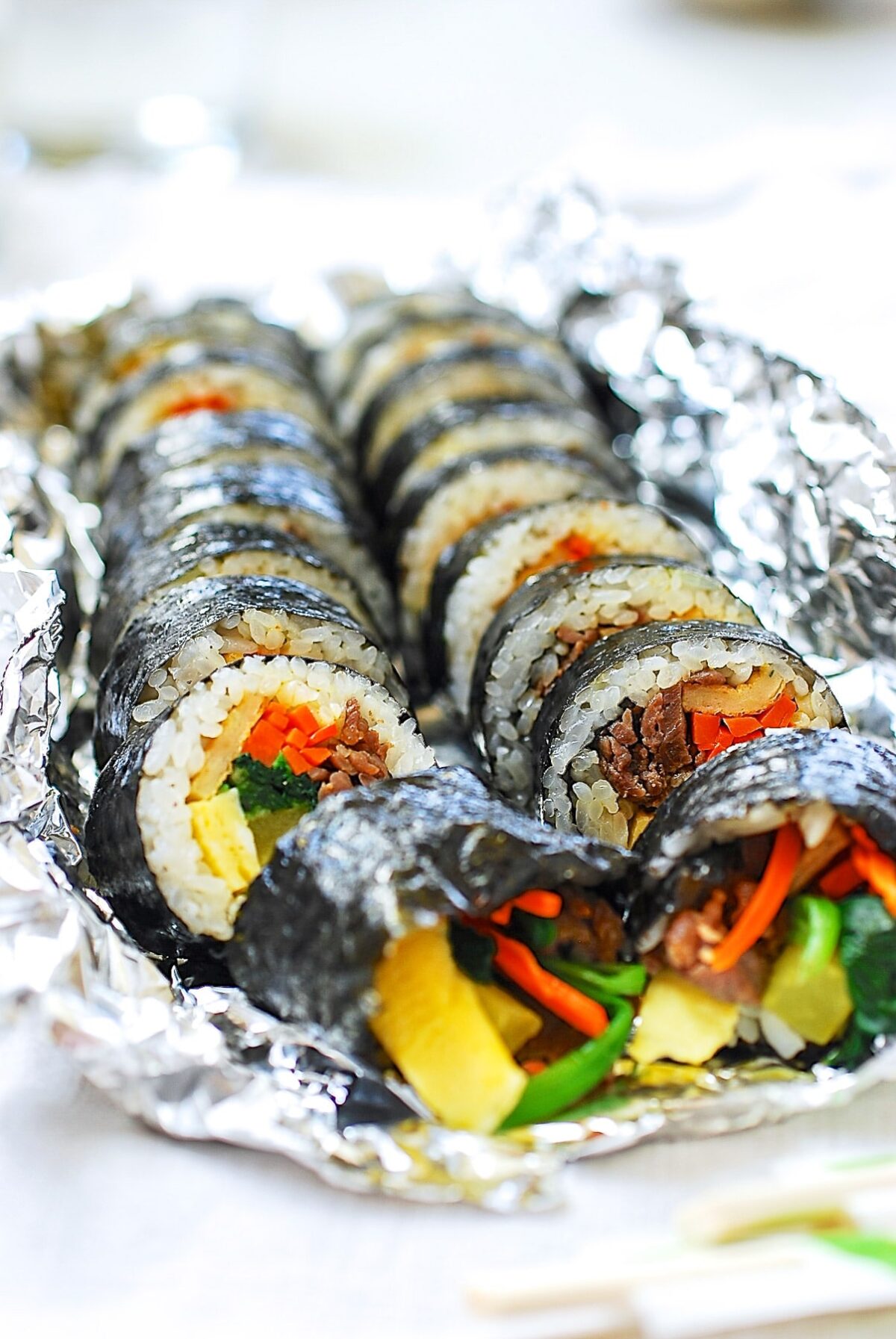
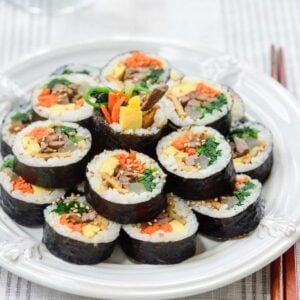
Kimbap, the quintessential Korean seaweed rice roll, has transcended its origins as a humble portable meal to become a global culinary phenomenon. Often compared to Japanese futomaki, kimbap—derived from the Korean words "gim" (dried seaweed) and "bap" (cooked rice)—is distinct in its preparation and flavor profile. Unlike its Japanese counterpart, which relies on vinegar-seasoned rice, kimbap is defined by the use of toasted sesame oil and salt to season the rice, resulting in a nutty, savory profile that serves as the perfect canvas for a variety of fillings.
Historical Context and Cultural Evolution
The origins of kimbap are a subject of ongoing historical debate. While many scholars link its development to the Japanese occupation of Korea in the early 20th century, specifically pointing to the influence of norimaki, others argue that Korea has a long-standing tradition of wrapping cooked rice in dried seaweed. Regardless of the exact lineage, the dish evolved rapidly within the Korean peninsula to suit local tastes and needs.
During the mid-20th century, as Korea underwent rapid industrialization and urbanization, the need for portable, convenient, and nutritionally balanced food grew. Kimbap became the ideal solution for school field trips, office lunches, and long-distance travel. By the 1970s and 1980s, it had solidified its status as the "go-to" meal for the Korean working class and students alike. Today, the dish is ubiquitous, sold everywhere from convenience stores and street stalls to high-end boutique specialty shops.
The Anatomy of a Classic Kimbap
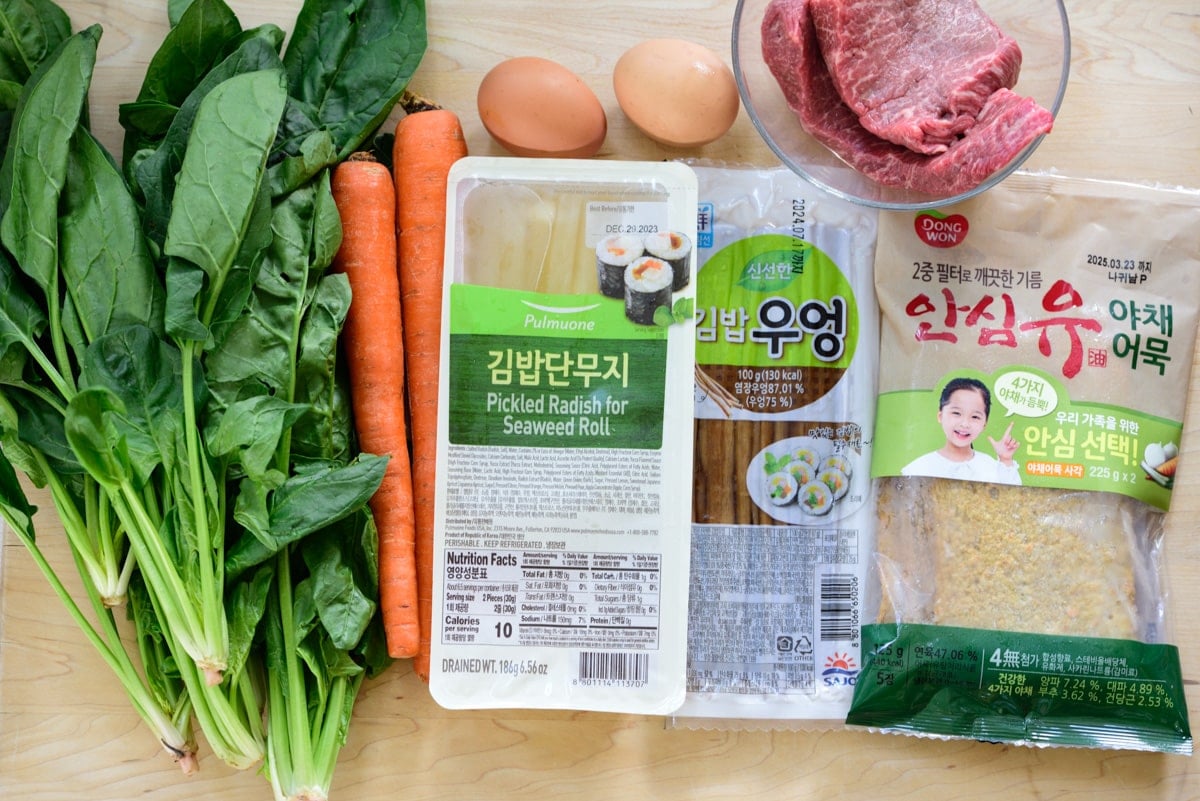
A standard, high-quality kimbap roll is a study in texture and color. While the fillings are highly customizable, the classic version adheres to a specific structural balance. The core components typically include:
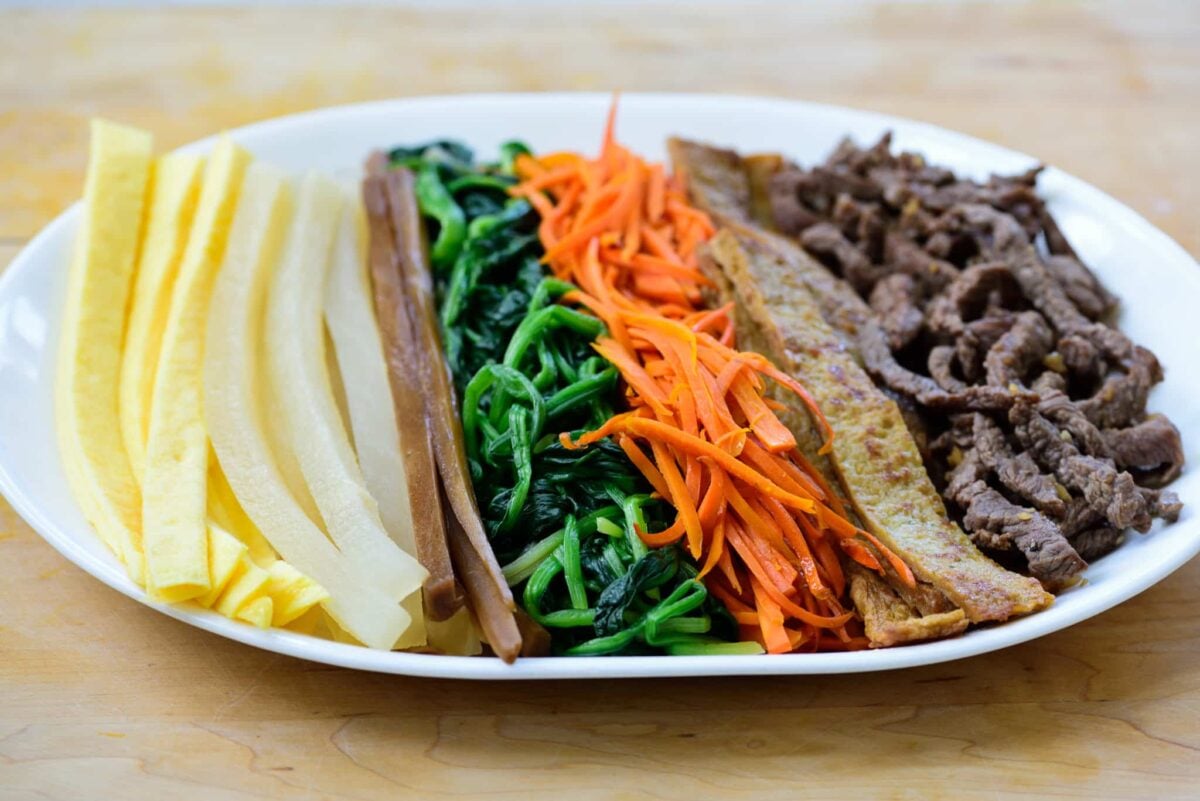
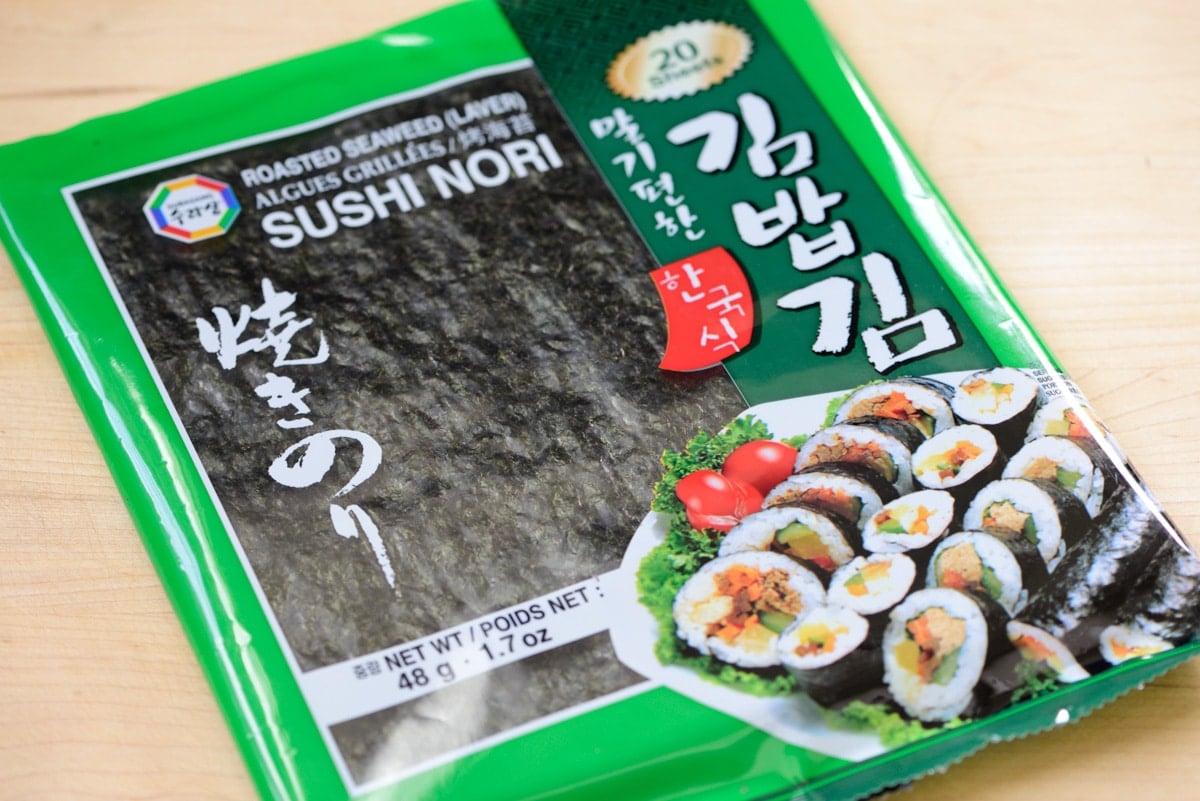
- Gim: High-quality sheets of dried, toasted seaweed. These are selected for their crispness and ability to hold moisture without becoming soggy.
- Rice: Short-grain white rice is the standard. It must be cooked with slightly less water than usual to maintain a firm, chewy texture that doesn’t collapse under the pressure of the roll.
- Pickled Radish (Danmuji): This provides the necessary acidity and crunch to cut through the richness of the other ingredients.
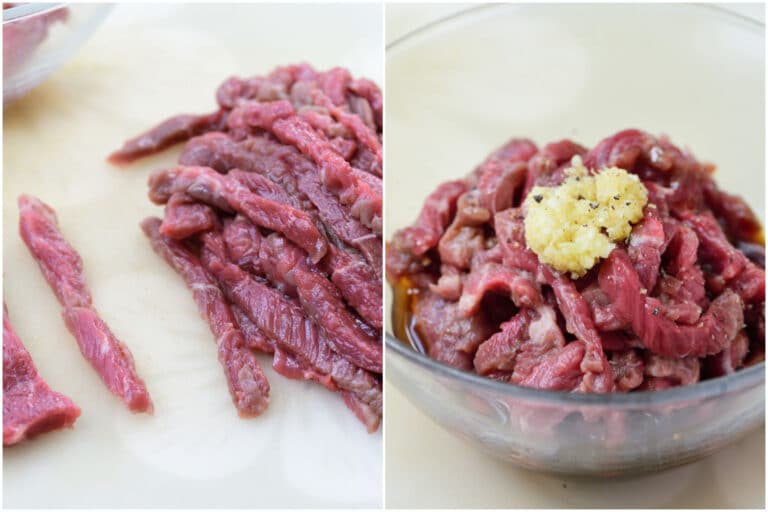
- Protein: Traditionally seasoned ground beef or ham, often accompanied by fish cake (eomuk).
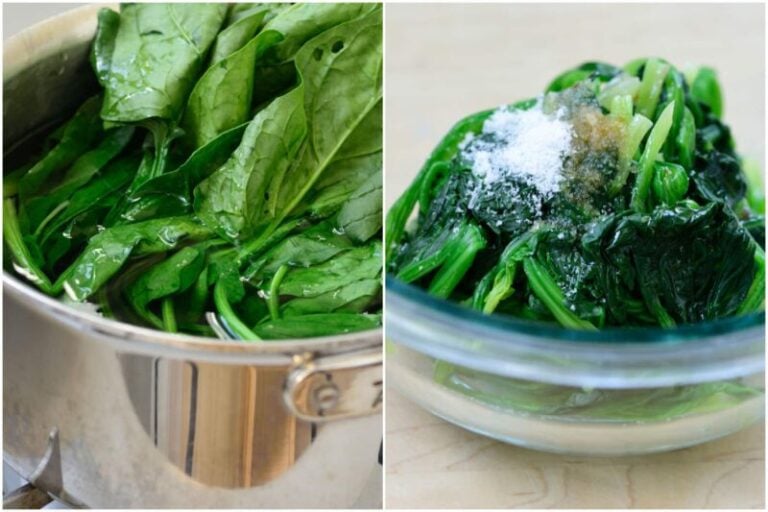
- Vegetables: Thinly sliced carrots, sautéed spinach, and braised burdock root (ueong jorim) are the most common additions, providing essential fiber and vitamins.
- Egg: A thin, folded omelet strip is essential for adding color and a delicate, soft texture to the interior.
The Impact of Pop Culture on Global Popularity
The global perception of kimbap has been significantly boosted by the "Hallyu" or Korean Wave. A notable milestone occurred in 2022 with the widespread popularity of the Netflix series Extraordinary Attorney Woo. The show’s protagonist, an attorney on the autism spectrum, famously favors kimbap because it is "trustable"—the transparent nature of the ingredients ensures she knows exactly what she is consuming. This narrative framing sparked a surge in international interest, as audiences worldwide sought to replicate the neatly organized, colorful rolls featured on screen.
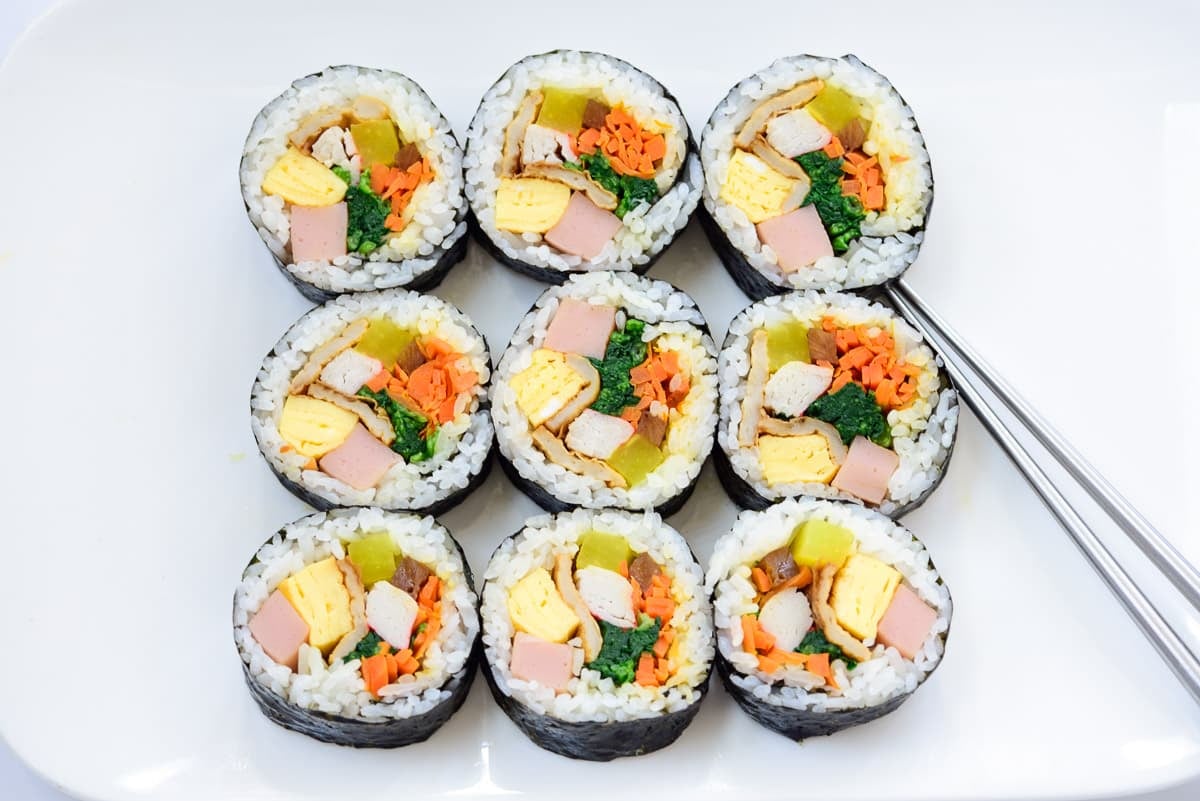
Market analysts observe that this pop-culture exposure has led to a measurable increase in demand for Korean ingredients in Western supermarkets. The "Woo Young Woo effect" turned a domestic staple into a viral social media trend, further cementing kimbap’s position in the international culinary lexicon.
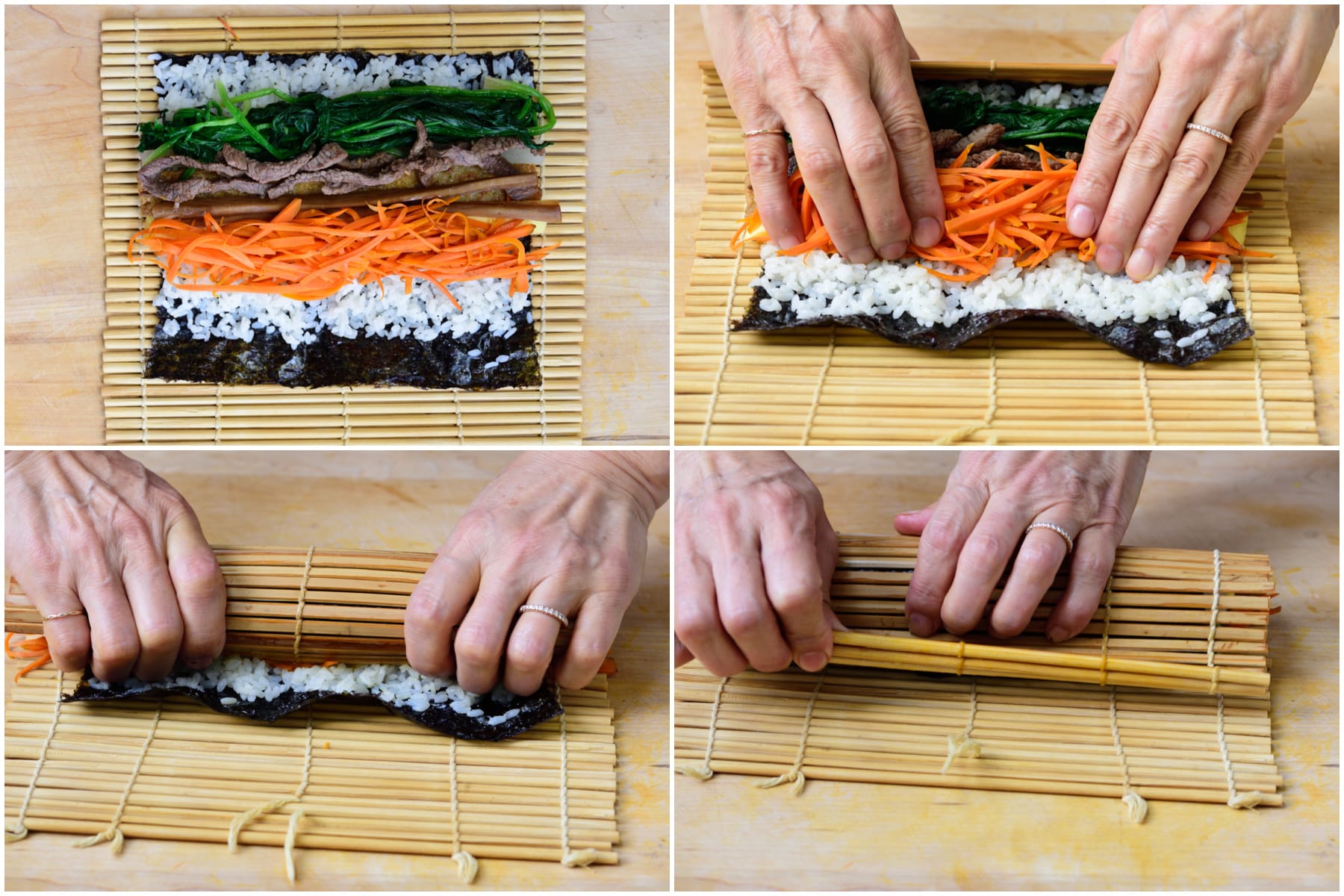
Technical Preparation: A Skill of Precision
Preparing kimbap is an exercise in mise-en-place. Each component must be pre-cooked and seasoned individually before assembly. The rice, once cooked, must be fanned and cooled slightly before the sesame oil and salt are folded in to ensure the grains remain distinct and flavorful.
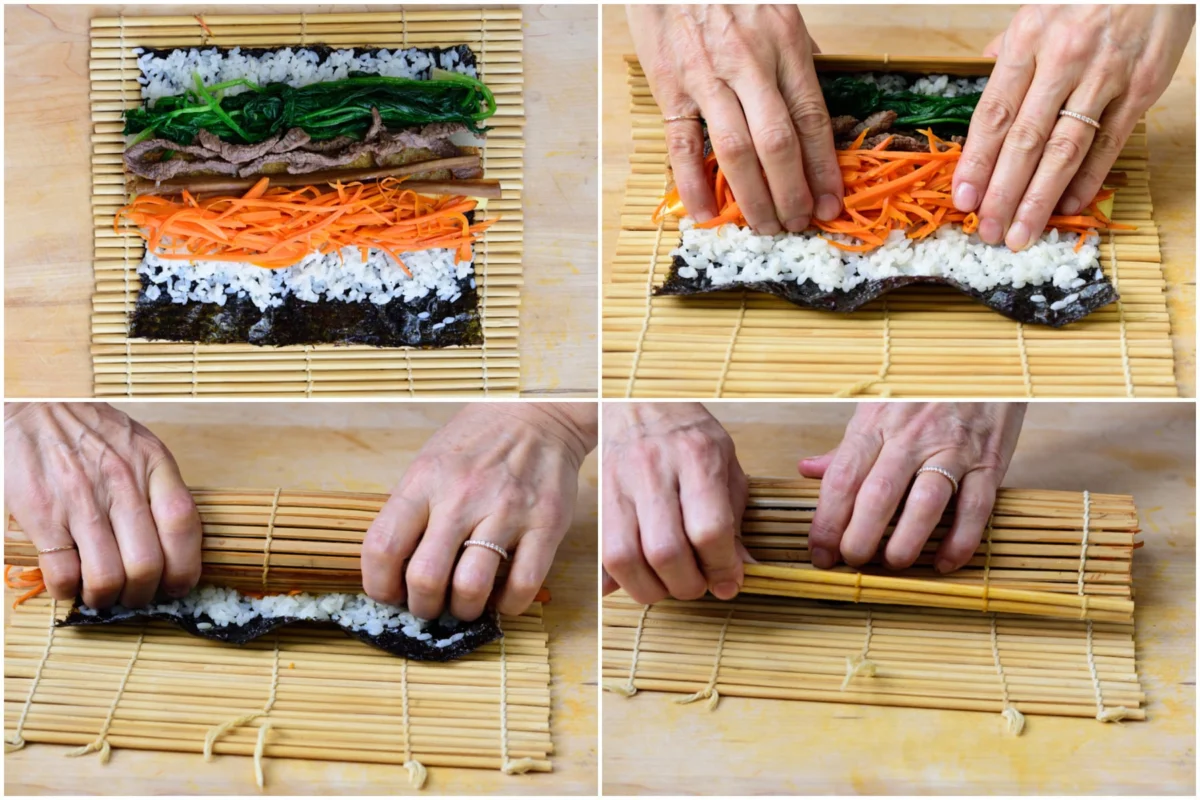
Rolling the kimbap requires significant manual dexterity. A bamboo mat is typically used to apply firm, even pressure. If the roll is too loose, it will fall apart upon slicing; if it is too tight, the delicate seaweed may tear. Experts suggest that the secret lies in the temperature of the rice and the precision of the ingredient placement. The rice should be spread thinly across the seaweed, leaving a small margin at the top to seal the roll.
Nutritional Implications and Market Trends
From a nutritional standpoint, kimbap is often cited as a balanced meal. Because it contains grains, proteins, and a variety of vegetables, it is frequently marketed as a healthier alternative to fast-food sandwiches or burgers. However, modern variations—such as "Mayak" (addictive) kimbap, which uses smaller, thinner rolls, or cheese-filled variations—have moved toward more calorie-dense profiles.

In response to health-conscious consumer trends, many commercial chains in Korea have introduced "low-carb" kimbap, which replaces the majority of the rice with thinly shredded egg or tofu. This shift reflects a broader global movement toward keto-friendly and plant-based dining. Vegan kimbap has also seen a significant rise in popularity, utilizing pickled root vegetables, mushrooms, and seasoned tofu to replicate the depth of flavor traditionally provided by meat.
Economic and Industry Outlook
The kimbap industry is a significant segment of the South Korean food service sector. According to recent market reports, the frozen kimbap category has seen explosive growth in international exports, particularly in the United States and Europe. The ability to flash-freeze these rolls while maintaining the structural integrity of the rice and the crispness of the seaweed has allowed Korean food manufacturers to reach consumers in regions where fresh, artisanal kimbap shops are not available.
Industry analysts suggest that the "grab-and-go" nature of the product aligns perfectly with the current fast-paced lifestyle of urban consumers in major global hubs. As retail logistics improve, kimbap is poised to move from a niche ethnic food to a mainstream convenience item, much like sushi or burritos.

Expert Guidelines for Success
For those attempting to master the craft at home, industry professionals emphasize the following best practices:
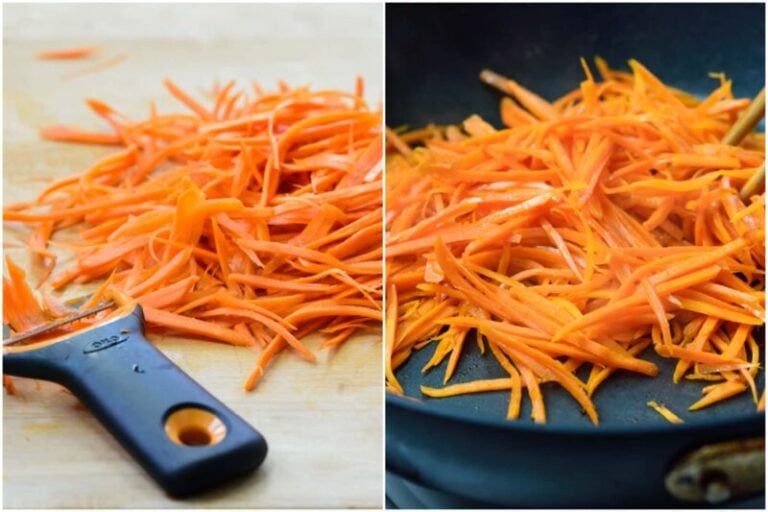
- Moisture Control: Ensure that all sautéed vegetables are thoroughly dried after cooking. Excess moisture is the primary cause of ruined, soggy seaweed.
- Ingredient Uniformity: Cut all fillings into matchstick-sized pieces. This creates a uniform diameter for the roll, making it easier to slice and more visually appealing.
- Seasoning Balance: Since many ingredients (like the pickled radish and burdock) are naturally salty or sweet, go easy on the salt when seasoning the rice and the beef.
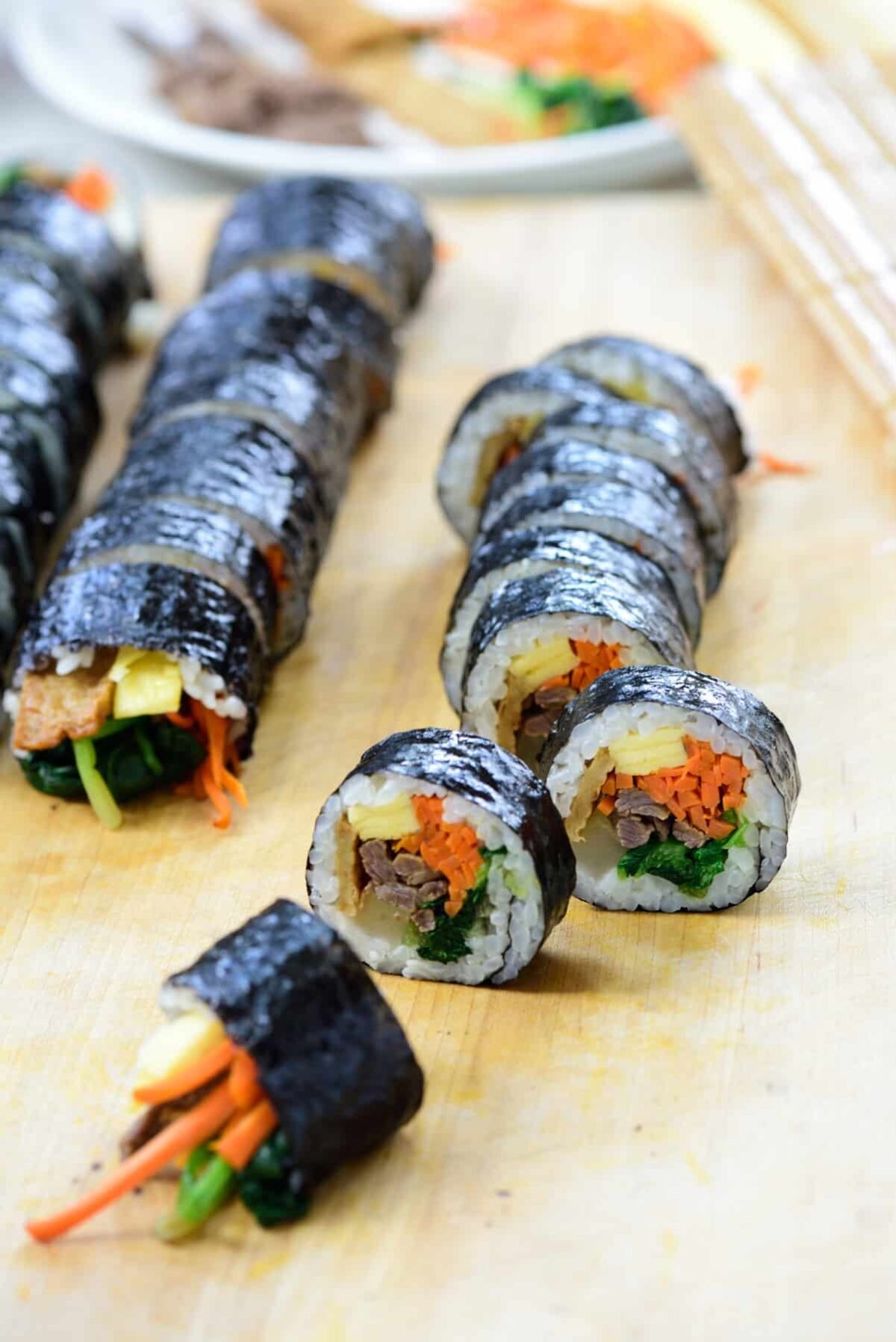
- The Final Cut: Use a very sharp, slightly oiled knife to slice the rolls. A dull knife will crush the roll rather than slicing through the seaweed, leading to an unkempt presentation.
Conclusion
Kimbap remains a testament to the adaptability of Korean cuisine. By balancing traditional techniques with modern dietary preferences, it has successfully navigated the transition from a local lunchbox staple to an international food trend. Whether consumed as a quick convenience meal or prepared with artisanal care at home, kimbap’s enduring appeal lies in its combination of simple, high-quality ingredients and the careful, rhythmic process of its creation. As the global palate continues to embrace international flavors, kimbap is well-positioned to maintain its status as a foundational element of the global food landscape.
