

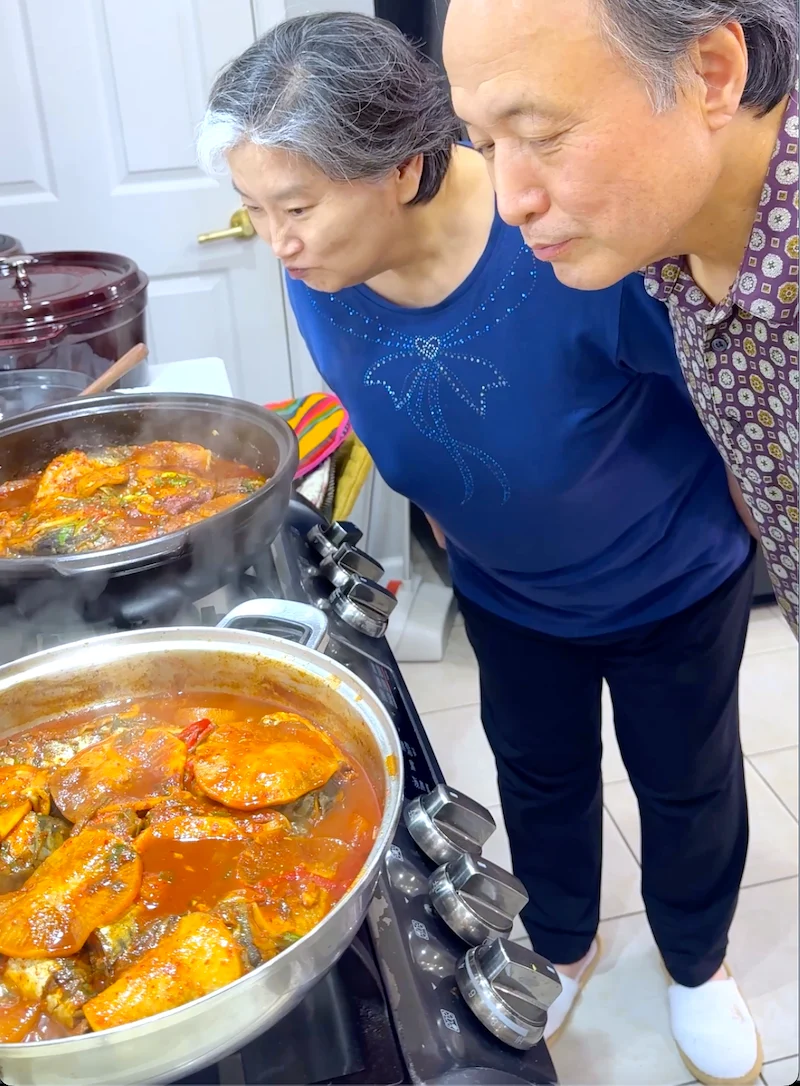
Braised mackerel with radish, known in Korea as Godeungeo-jorim, stands as a cornerstone of home-style Korean cooking, blending nutritional density with the deep, savory profiles characteristic of the peninsula’s culinary history. While grilling remains the most common preparation method for mackerel globally, the braising technique—specifically the pairing of oily fish with daikon radish—represents a sophisticated approach to flavor extraction and texture management. This dish is not merely a meal but a testament to the resourcefulness inherent in traditional Korean culinary practices, where root vegetables are utilized to absorb the fats and briny juices of the fish, often resulting in a flavor profile that rivals the primary protein itself.
The Nutritional Significance of Mackerel
Mackerel, particularly the Pacific and Atlantic varieties, is recognized by global health organizations as a primary source of long-chain omega-3 fatty acids, specifically eicosapentaenoic acid (EPA) and docosahexaenoic acid (DHA). According to the American Heart Association, the inclusion of fatty fish in a weekly diet can significantly contribute to the reduction of cardiovascular risks, including the lowering of triglycerides and the stabilization of blood pressure.
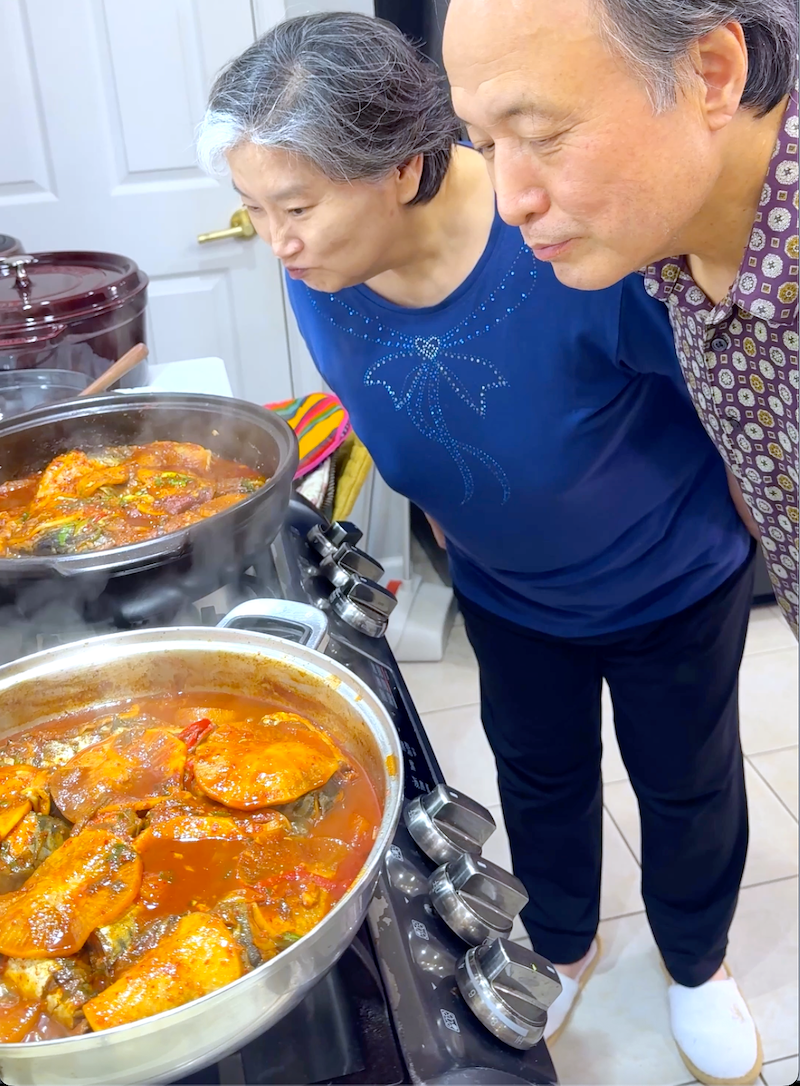
Beyond its omega-3 content, mackerel provides a robust profile of B-vitamins, including B12, niacin, and B6, which are essential for neurological function and energy metabolism. The braising process, which involves simmering the fish in a liquid base of soy sauce, garlic, ginger, and chili powder (gochugaru), does not compromise these nutritional benefits. Instead, it allows for the integration of fiber-rich daikon radish, which absorbs the omega-3 rich oils released during the cooking process. This vegetable-protein synergy is a hallmark of the Korean diet, which emphasizes balanced nutrition through the consumption of fermented ingredients and root vegetables alongside marine proteins.
Culinary Chronology and Historical Context
The tradition of braising fish with radish emerged from the necessity of preserving food and enhancing the palatability of seasonal ingredients. Historically, Korea’s geography necessitated a reliance on the sea; however, the seasonality of fish meant that preserving the catch was essential. The use of daikon radish—a hardy, cool-season vegetable—became a natural partner for mackerel because the radish’s firm texture and high moisture content allow it to withstand the 30 to 60-minute braising period without disintegrating.
Over the decades, the recipe has evolved from a rural subsistence dish to a staple found in urban households and traditional restaurants alike. The introduction of Gochugaru (Korean red pepper powder) into the braising liquid became more prominent in the mid-20th century as the spice trade and agricultural yields in Korea stabilized, giving rise to the modern, vibrant red appearance and spicy finish that characterizes contemporary Godeungeo-jorim.

Technical Requirements: The Role of Equipment
Professional chefs and home cooks alike emphasize that the success of this dish is heavily dependent on the choice of cookware. The use of a saucier or a shallow, wide-bottomed pan is not merely a stylistic preference but a technical requirement. The depth of the pan dictates the surface area of the liquid and the rate of reduction.
If the pan is too deep, the braising liquid fails to reach the necessary concentration of flavor, leaving the fish and radish to steam rather than absorb the complex seasoning base. Conversely, a pan that is too small prevents the fish from lying flat in a single layer, leading to uneven cooking and the potential for the flesh to break apart. The goal is to achieve a reduction where the liquid thickens into a glaze, coating both the radish and the mackerel. This reduction phase is critical, as it concentrates the sugars and umami compounds in the sauce, transforming a watery broth into a savory, aromatic coating that binds the ingredients together.
Ingredient Synergy and Flavor Profiles
The chemistry of the dish relies on the interaction between the oily mackerel and the absorbent nature of the radish. As the mackerel heats, its natural oils are released into the braising medium. The daikon radish, which acts as a culinary sponge, draws in these oils alongside the seasonings.

- Gochugaru: Provides the foundational heat and deep crimson color.
- Soy Sauce: Supplies the essential umami, balancing the natural sweetness of the radish.
- Aromatics: Garlic and ginger are used to neutralize the "fishy" odor associated with mackerel, a common technique in East Asian cuisine to ensure a clean, sharp finish.
The result is a dish that offers a tiered tasting experience: the fish provides a rich, tender texture, while the radish offers a contrasting, succulent bite that is arguably more flavorful than the fish itself due to its capacity for seasoning absorption.
Analysis of Modern Preparation Trends
In recent years, there has been a resurgence of interest in traditional braised dishes as consumers seek "slow food" alternatives to processed meals. The total preparation and cooking time for Godeungeo-jorim is approximately one hour, positioning it as an ideal main course for those prioritizing home-prepared, nutrient-dense meals.
The integration of modern tools, such as specialized fermentation containers, has also allowed home cooks to better manage their ingredients. While fermentation containers are often associated with kimchi, their use in organizing and storing high-quality gochugaru and other pantry staples ensures that the ingredients retain their potency. Fresh, high-quality red pepper powder is non-negotiable for the final result; degraded or stale spices can lead to a flat, muddy flavor profile that fails to do justice to the quality of the fresh mackerel.

Broader Implications and Culinary Sustainability
The consumption of mackerel is also viewed through the lens of environmental sustainability. Mackerel stocks are generally considered more resilient than many other deep-sea fish species, making them a more sustainable choice for health-conscious consumers. By utilizing the entire fish in a braise, households minimize waste, as even the smaller, less desirable portions of the fish contribute to the richness of the final sauce.
Furthermore, the popularity of this dish reflects a broader global shift toward valuing traditional culinary techniques that do not rely on excessive processing. As nutritional science continues to validate the benefits of traditional diets—such as the Mediterranean and the Korean Hansik—the global culinary landscape is seeing an increased appreciation for dishes that prioritize whole foods, seasonal vegetables, and balanced macronutrient profiles.
Conclusion
Braised mackerel with radish remains a quintessential example of how simple ingredients, when treated with the correct techniques, can result in a sophisticated culinary outcome. The dish bridges the gap between functional nutrition and gastronomic satisfaction. Whether served in a modest household or a professional kitchen, the principles of proper pan selection, the strategic use of aromatics, and the patience required for a proper reduction remain the defining factors of a successful Godeungeo-jorim. As food culture continues to evolve, the enduring nature of this recipe serves as a reminder that the most impactful meals are often those rooted in the history, geography, and nutritional wisdom of the past.
