

The culinary landscape of South Korea is defined by a deep-seated affinity for high-heat dishes, a characteristic that has transcended domestic borders to become a pillar of the nation’s global gastronomic identity. For both residents and international visitors, the pervasive presence of capsaicin—primarily derived from gochugaru (dried red chili powder) and gochujang (fermented chili paste)—serves as more than a flavor profile; it is an integral component of the Korean social and cultural experience. As the nation continues to see a surge in international culinary tourism, understanding the history, regional variations, and socio-economic impact of these spicy staples provides vital insight into the country’s modern food culture.
Historical Evolution of Spice in Korean Cuisine

The history of spice in Korea is a narrative of adaptation and survival. Contrary to popular belief, the heavy reliance on red chili peppers is a relatively modern phenomenon in the context of the peninsula’s long history. Chili peppers were introduced to Korea by Portuguese traders via Japan in the late 16th century, likely around 1592 during the Imjin War. Prior to this, Korean heat was largely provided by ginger, black pepper, and sansho (Sichuan peppercorns).
By the 18th century, the adoption of red chilies had become widespread, largely due to the ingredient’s efficacy as a preservative for kimchi and other fermented side dishes. This development was critical for a population that relied on preserving vegetables through harsh winters. The fermentation process, when paired with the antimicrobial properties of capsaicin, allowed for a stable food supply. Over the subsequent centuries, this evolved into a cultural marker, with the "heat" level often acting as a gauge for the authenticity and intensity of regional preparations.
Budae Jjigae and the Intersection of Conflict and Comfort

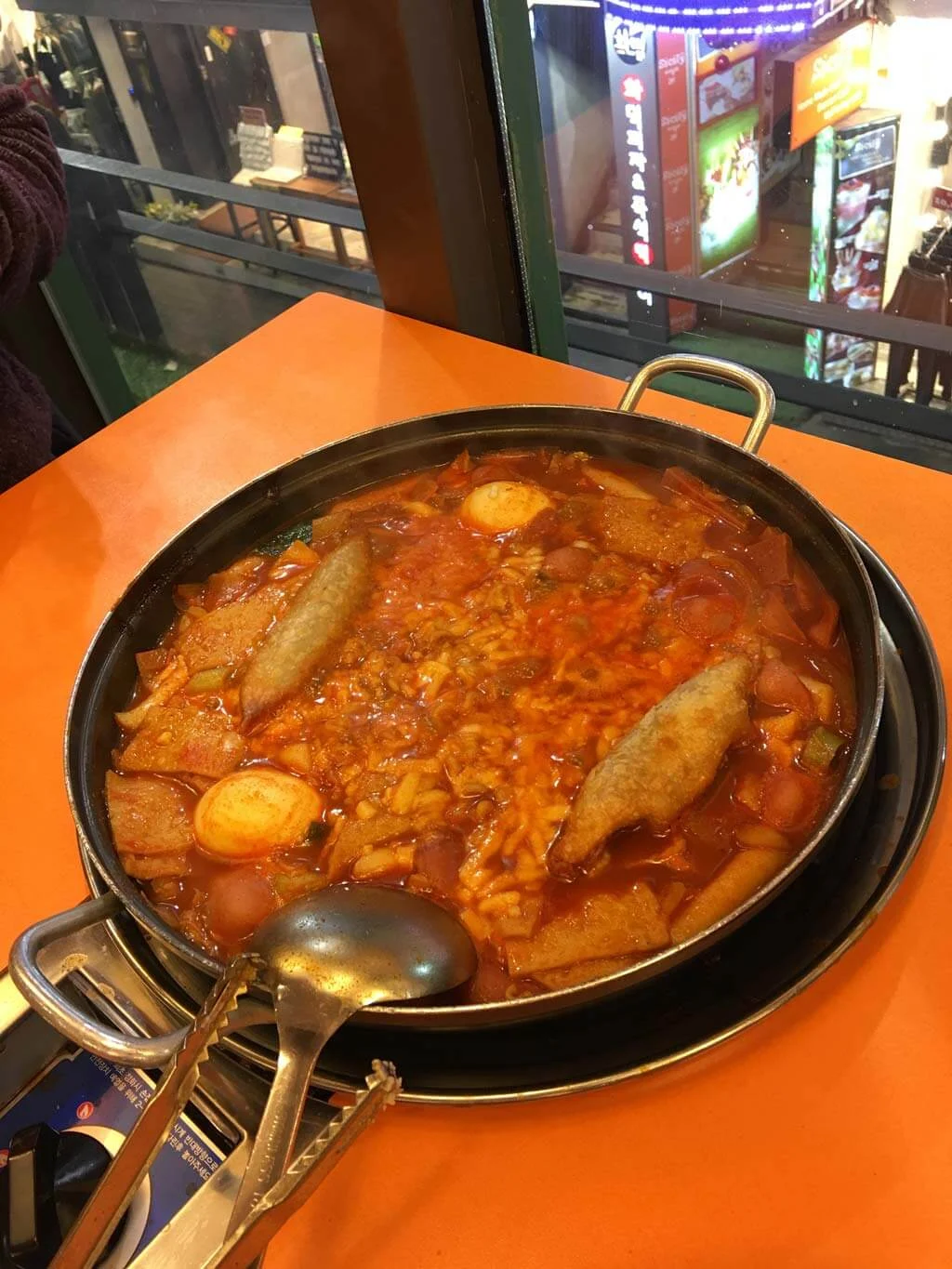
One of the most notable examples of culinary adaptation in modern Korea is Budae Jjigae, or "Army Stew." Its origins are rooted in the aftermath of the Korean War (1950–1953), a period marked by extreme food scarcity. As the U.S. military established bases across the country, local populations gained access to surplus processed foods, including Spam, sausages, canned beans, and ham.
Koreans creatively integrated these Western provisions with traditional ingredients such as gochujang, kimchi, and garlic. This fusion created a robust, spicy stew that served as a symbol of resilience. Today, Budae Jjigae is a staple of Korean comfort food, often augmented with rice cakes (tteok), ramen noodles, and processed cheese to balance the sharpness of the chili paste. The dish stands as a testament to the nation’s ability to transform adversity into a distinct culinary category, maintaining its relevance in the modern restaurant industry as a high-demand menu item.
The Ubiquity of Instant Ramen and Convenience Culture

In South Korea, instant ramen—known locally as ramyeon—is a significant component of the national diet, rather than a mere convenience food for the budget-conscious. According to data from the World Instant Noodles Association, South Korea consistently ranks as one of the world’s top consumers of instant noodles per capita. The market is defined by a high degree of competition, with major conglomerates like Nongshim, Ottogi, and Samyang continuously innovating to meet consumer demands for extreme spice levels.
Products such as Buldak (fire chicken) ramen have garnered international fame for their extreme Scoville ratings, turning the act of eating spicy ramen into a social media phenomenon. This market trend has had significant economic implications, driving the export of Korean food products abroad and positioning South Korean "K-Food" as a major player in the global retail space. The convenience store culture in Korea, where these products are prepared and consumed on-site, reflects the fast-paced nature of urban life in cities like Seoul.
Regional Specialties: Dak Galbi, Jjimdak, and the Chicken Industry

Chicken-based dishes occupy a prestigious position in the Korean culinary hierarchy, with several dishes serving as regional identifiers. Dak Galbi, a spicy stir-fried chicken dish originating from the Chuncheon region, is perhaps the most famous. It involves marinating diced chicken in a gochujang-based sauce, then sautéing it with cabbage, sweet potatoes, and scallions on a large, flat iron grill.
Similarly, Andong Jjimdak, originating from the city of Andong, offers a different iteration of spice. Unlike the bright red, gochujang-heavy dishes found elsewhere, Jjimdak relies on a base of soy sauce (ganjang) and a significant quantity of cheongyang gochu—a fresh, small green chili pepper known for its intense, clean heat. This dish highlights the diversity within the "spicy" category, proving that Korean heat can be layered with sweetness and umami rather than being purely aggressive.
The Social and Physiological Impact of High-Heat Consumption

The consumption of spicy food in Korea is often associated with the concept of "stress relief." There is a widespread belief that the release of endorphins triggered by the burning sensation of capsaicin acts as a cathartic mechanism for the stresses of work and academic life. In many restaurants, this intense heat is managed through the provision of cooling agents, such as peach-flavored yogurt drinks, pickled radishes (danmuji), or melted cheese.
However, the medical community has noted the physiological implications of a diet heavily reliant on these spicy profiles. While moderate consumption of capsaicin has been linked to metabolic benefits, the high sodium content often found in the fermented pastes and broths associated with these dishes can pose risks for individuals with hypertension or gastric sensitivities. Despite these considerations, the culinary tradition remains deeply entrenched, with the heat level often serving as a challenge or a bonding experience among peers.
The Future of Korean Spicy Cuisine

The global trajectory of Korean cuisine suggests that the appetite for spicy, fermented, and bold flavors is only growing. As Korean pop culture (the "Hallyu" wave) continues to influence global trends, dishes like Tteokbokki—rice cakes in a spicy sauce—and Dakgangjeong—sweet and spicy fried chicken—are becoming staples in metropolitan centers from New York to London.
The industry is currently pivoting toward addressing the health-conscious consumer, with manufacturers experimenting with lower-sodium pastes and organic, non-GMO chili alternatives. Nevertheless, the core identity of the cuisine remains tied to the bold, uncompromising heat that has defined it for centuries. Whether it is the quick, accessible heat of an instant noodle packet or the complex, communal experience of a bubbling pot of Jjimdak, spicy food remains the lifeblood of the Korean dining table.
Official and Industry Perspectives

Major food industry stakeholders in Korea view the continued promotion of spicy exports as a key component of the nation’s soft power strategy. The Ministry of Agriculture, Food and Rural Affairs (MAFRA) has invested heavily in the global standardization and promotion of gochujang, emphasizing its health benefits as a fermented food. By bridging the gap between traditional medicine—where food and medicine are often considered one and the same (yaksik-dongwon)—and modern convenience food, Korea has successfully marketed its spicy heritage to a global audience.
As the industry moves forward, the focus is expected to remain on balancing the traditional "fire" of the food with the requirements of an international palate. The success of these dishes is not merely in their taste, but in the cultural history they carry, reflecting a nation that has consistently found ways to innovate while honoring its roots. For the enthusiast and the researcher alike, the spicy dishes of Korea represent a dynamic, living history that continues to shape the future of global gastronomy.
