

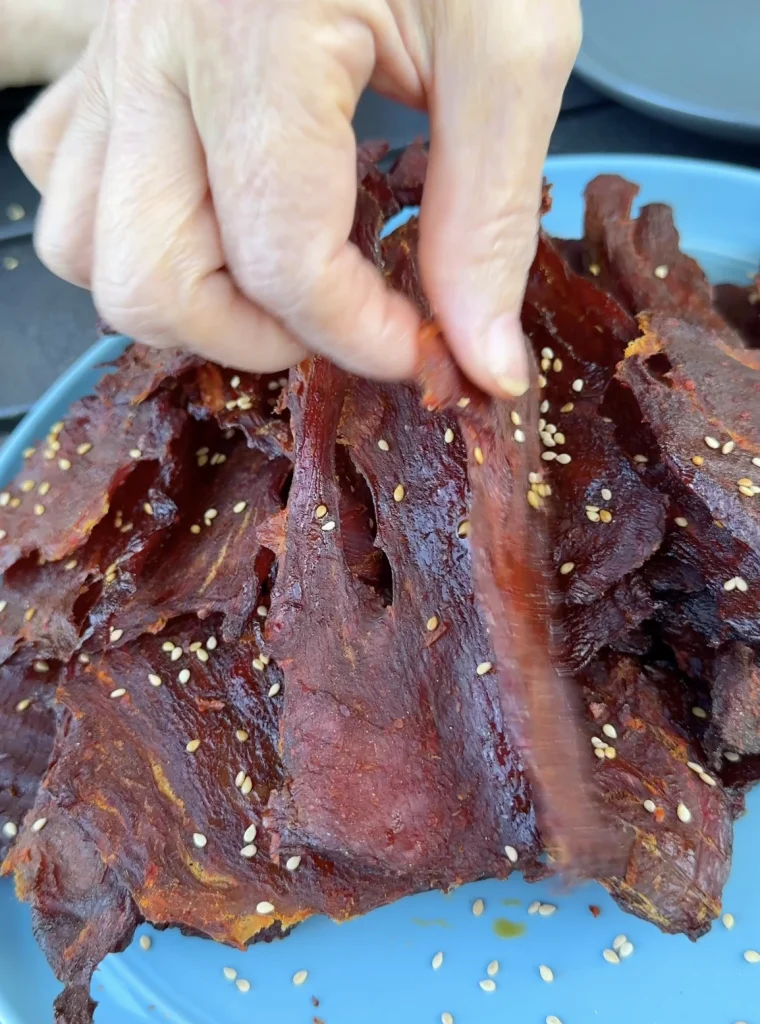
The culinary landscape of homemade snacks has seen a significant shift toward artisanal, preservation-focused techniques, with Korean barbecue-inspired beef jerky emerging as a leading trend for home cooks. Moving away from highly processed, shelf-stable commercial alternatives, a growing segment of health-conscious consumers is leveraging traditional fermentation and marination methods to produce high-quality, protein-dense snacks. This guide examines the methodology, nutritional benefits, and procedural rigor required to replicate the savory, applewood-smoked profiles typically reserved for professional kitchens.
The Rise of Artisanal Home-Processed Proteins
In recent years, the market for jerky—a dried, salt-cured meat product—has undergone a transformation. While global consumption remains high, consumer skepticism regarding the additives, sodium levels, and high-fructose corn syrups found in mass-market jerky has driven a renewed interest in "craft" preparation. The Korean approach to jerky, often referred to as yukpo, provides a sophisticated template for this trend. Unlike standard American varieties, which often lean heavily on liquid smoke and salt, Korean-style preparation relies on a complex base of soy sauce, aromatics, and natural sugars to create a multi-layered umami profile.
The integration of Korean BBQ elements, such as the inclusion of gochujang (fermented chili paste), sesame oil, and Asian pear—the latter serving as a natural meat tenderizer—offers a nuanced flavor architecture. By controlling the moisture reduction process at home, producers can avoid the overly desiccated, rubbery texture of lower-quality commercial products, instead achieving a supple yet chewy consistency that retains the structural integrity of the protein.
Chronology of Preparation and Essential Methodology
The transition from raw protein to a finished snack is a process that demands significant patience and environmental control. For those attempting to replicate professional standards, the timeline is not merely a suggestion but a critical component of food safety and flavor development.
- Preparation Phase (1 Hour): The process begins with the careful selection of lean, high-quality beef—typically eye of round or top round—which is sliced against the grain to ensure tenderness.
- Marination Phase (48 Hours): This is the most critical stage for flavor penetration. A 48-hour marination window allows the enzymes in the marinade to break down connective tissues while ensuring the deep infusion of umami-rich components.
- Dehydration Phase (4 Hours): Utilizing a baking rack system, the dehydration phase is conducted at a low, consistent temperature. The addition of applewood smoke during this stage provides a subtle, woody finish that elevates the meat from a simple snack to a complex culinary product.
The use of multi-layer baking racks is essential for maximizing output while maintaining adequate airflow. Proper circulation ensures that the moisture removal process is uniform across all pieces, preventing the growth of pathogens that can thrive in unevenly dried meats.
Nutritional Implications and Economic Advantages
One of the primary drivers for the home production of beef jerky is the economic efficiency of the endeavor. While commercial jerky is priced at a premium due to processing, packaging, and marketing overheads, home preparation significantly reduces the cost per ounce. Furthermore, the ability to select the grade of beef and control the precise concentration of sodium and sugar allows for a healthier end product.
From a nutritional standpoint, beef jerky serves as an efficient source of high-quality protein, which is essential for muscle repair and metabolic function. By opting for a homemade marinade, individuals can eliminate common industrial fillers such as hydrolyzed soy protein, MSG, and excessive nitrates. A typical homemade Korean BBQ jerky serving provides a dense concentration of protein with a controlled glycemic impact, assuming the sugar content in the marinade is moderated.

Equipment and Technical Requirements
Successful replication of this snack requires specific hardware to ensure both quality and safety. The primary equipment necessary includes:
- Dehydration System: While an industrial dehydrator is optimal, a convection oven equipped with multi-layer baking racks can suffice. The key is maintaining a consistent, low-heat environment (typically between 145°F and 160°F) to safely remove moisture without "cooking" the meat into a brittle state.
- Temperature Monitoring: Because jerky involves long periods of low-temperature processing, the use of a digital thermometer is non-negotiable to ensure the internal temperature of the meat reaches the safety threshold mandated by food health authorities.
- Airflow Regulation: Ensuring that pieces do not overlap is critical. Adequate space between slices allows for moisture to escape efficiently, preventing the development of mold or bacterial contamination during the storage phase.
Broader Market Context and Consumer Trends
The shift toward homemade jerky mirrors a broader trend in the "food-as-science" movement, where consumers are taking an active interest in the chemical and biological processes of their food. Data from the snack industry indicates that consumers are increasingly prioritizing transparency in ingredients. When individuals prepare their own jerky, they gain total transparency over the source of the protein and the composition of the seasoning, which has become a significant factor in purchasing decisions.
Furthermore, the influence of global flavors—specifically East Asian culinary techniques—continues to dictate trends in the Western food market. The marriage of Korean BBQ flavor profiles with the traditional preservation techniques of the American frontier represents a successful fusion of global food culture. As supply chains for niche ingredients like authentic gochujang or high-grade soy sauce become more accessible, the barriers to entry for this type of home cooking have largely vanished.
Safety and Regulatory Considerations
While home preparation is increasingly popular, it must be noted that meat preservation is a regulated practice for a reason. The primary risk involved in jerky making is the growth of Clostridium botulinum or other foodborne pathogens if the moisture content is not reduced sufficiently or if the temperature remains in the "danger zone" for too long.
Food safety experts consistently emphasize the importance of using cured meat or strictly adhering to dehydration guidelines that ensure the "water activity" level is low enough to prevent microbial growth. Home practitioners are advised to store the finished product in airtight containers, ideally in a cool, dark environment, or in the refrigerator if the product is intended for long-term storage exceeding two weeks.
Conclusion: The Future of the "Craft" Snack
The emergence of Korean BBQ jerky as a staple in the home kitchen is indicative of a shift in how modern households view convenience. Rather than opting for ultra-processed, shelf-stable goods, individuals are investing time—up to 48 hours of marination and four hours of active cooking—to achieve a superior product. This trend highlights a fundamental change in consumer behavior: the recognition that quality is worth the investment of time. As more individuals utilize digital resources and specialized equipment to refine their techniques, the homemade jerky sector is likely to continue its expansion, challenging commercial manufacturers to improve their own standards of ingredient quality and flavor complexity.
Whether driven by the desire for healthier alternatives, economic savings, or the sheer satisfaction of culinary craftsmanship, the practice of making Korean BBQ jerky stands as a testament to the enduring appeal of traditional preservation methods modernized for the contemporary palate. By focusing on the scientific rigor of the process—from the initial cut of the meat to the final, applewood-smoked finish—home cooks are successfully transforming the humble protein snack into a centerpiece of their personal culinary repertoire.
