

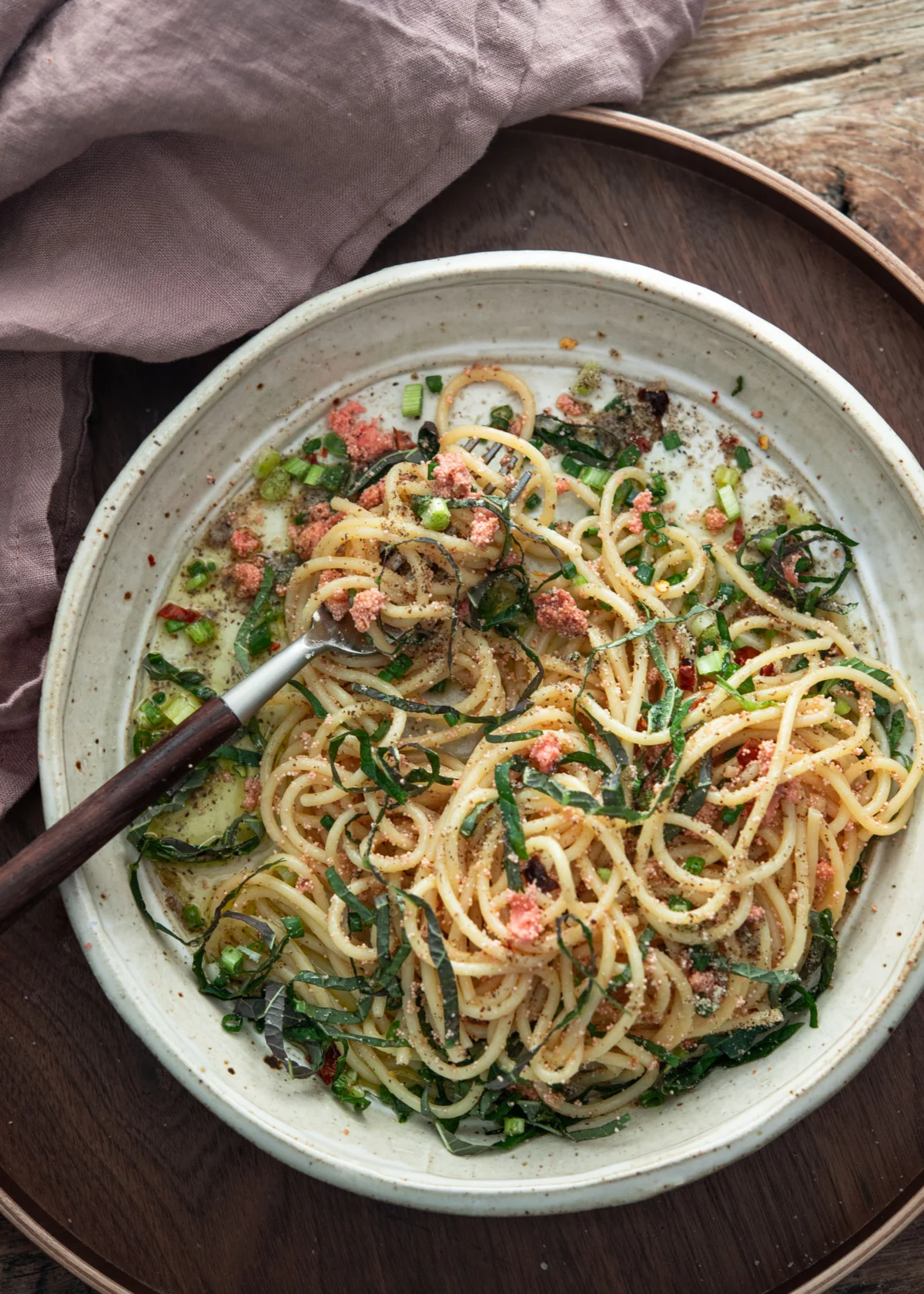
The emergence of Korean-style mentaiko pasta as a staple in contemporary Seoul gastronomy marks a significant evolution in fusion cuisine, moving away from the heavy, cream-based iterations popularized in Japan toward a lighter, oil-based profile that highlights the inherent qualities of cured pollock roe. Often referred to locally as myeongran pasta, this dish has transitioned from a niche experimental offering in districts like Seongsu to a widely recognized standard in upscale bistros and home kitchens alike. The culinary shift reflects a broader trend of "ingredient-first" cooking, where the traditional, deeply savory profile of fermented Korean pollock roe is preserved rather than masked by dairy.
The Culinary Evolution of Myeongran
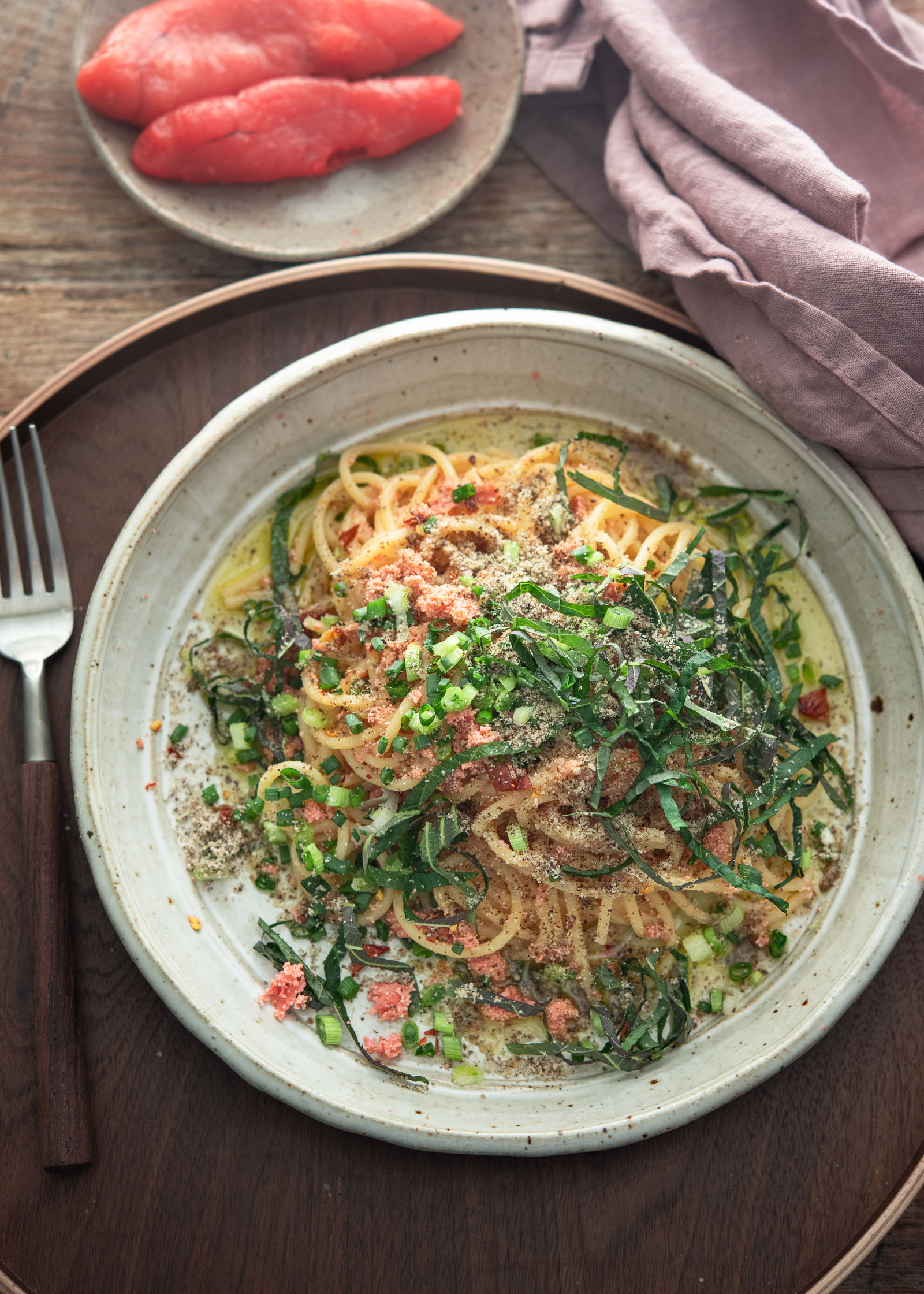
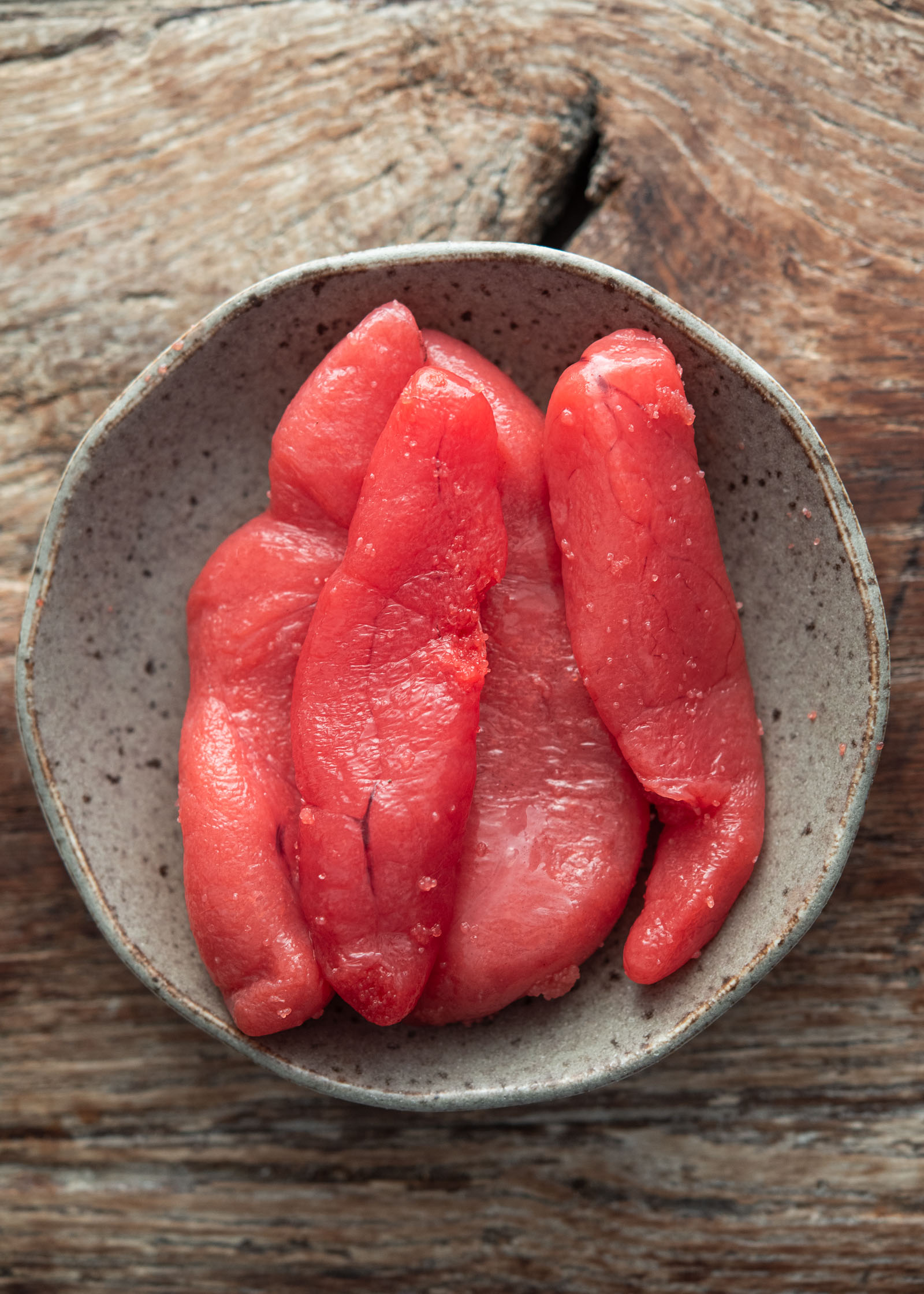
Myeongran, or salted pollock roe, has long served as a cornerstone of Korean side dishes, prized for its intense umami and distinct, grainy texture. While the Japanese counterpart, mentaiko, frequently incorporates chili seasoning and occasionally sweeteners, the Korean preparation—myeongran-jeot—is characterized by a fermentation process that imparts a robust, saline profile.
The integration of this ingredient into Italian-style pasta represents a deliberate departure from the creamy, emulsified sauces often associated with international mentaiko dishes. By utilizing a garlic-infused olive oil base, chefs are able to highlight the textural integrity of the roe. When gently heated, the membrane of the roe sac breaks down, allowing the individual eggs to coat the pasta strands, providing a consistent mouthfeel that remains light and clean. This methodology has gained traction over the last three years, driven by a growing demographic of diners seeking complex, savory meals that prioritize high-quality proteins over calorie-dense sauces.
Chronology of a Fusion Phenomenon
The trajectory of this dish can be traced back to the burgeoning fusion scene in Seoul’s Seongsu neighborhood, an industrial-turned-artistic district that serves as an incubator for experimental gastronomy. By 2022, local eateries began testing the efficacy of fermented roe as a substitute for traditional anchovies or salt-based pasta seasonings.
By late 2024 and early 2025, the dish reached a saturation point in major metropolitan hubs, with home cooking platforms and culinary influencers documenting the transition. The shift toward the "garlic oil base" method emerged as a response to consumer feedback, which favored a dish that could be prepared in under 15 minutes, suitable for a professionalized, fast-paced urban lifestyle. Current culinary data suggests that the dish’s popularity is linked to its "low-effort, high-reward" nature, requiring only a few fresh components—such as perilla leaves and green onions—to achieve a balanced flavor profile.
Technical Analysis of Ingredients and Preparation
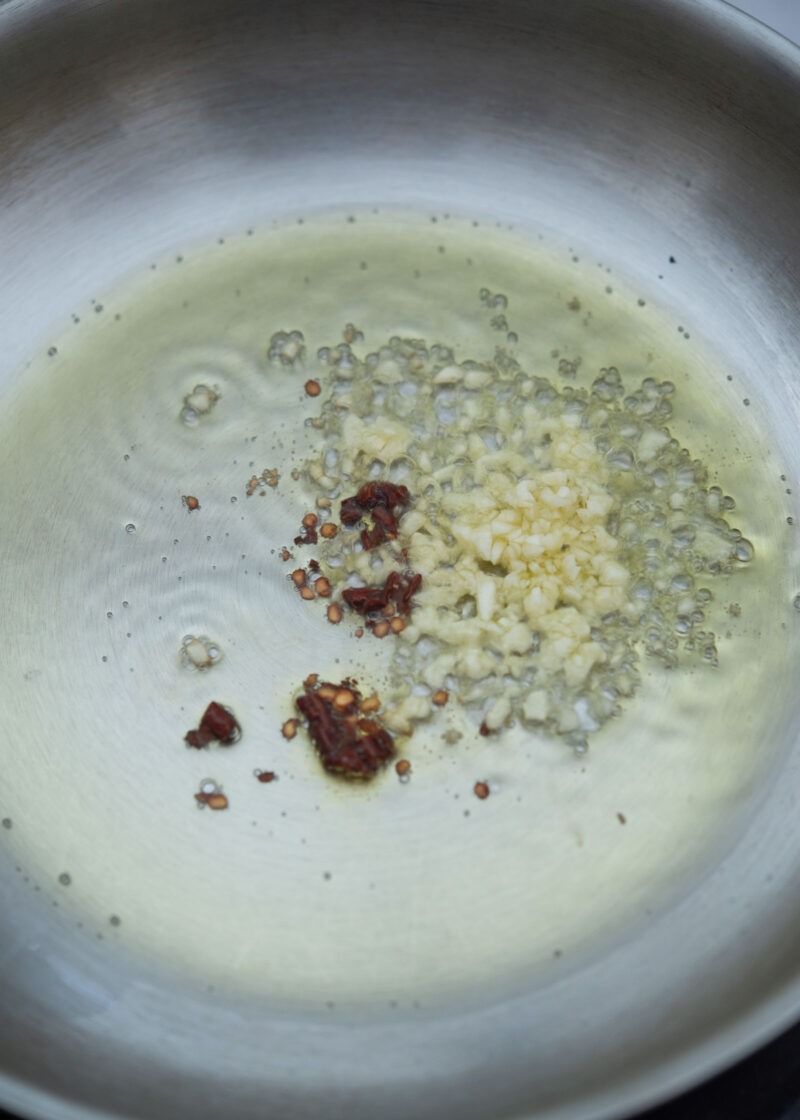
The success of Korean myeongran pasta relies on precise temperature control, a factor that differentiates it from conventional Western pasta techniques. In a professional kitchen setting, the roe is typically introduced to the pasta at the final stage of assembly. If subjected to prolonged heat, the roe loses its delicate moisture, resulting in a grainy or desiccated consistency.
Data from culinary testing indicates that the ideal preparation involves:
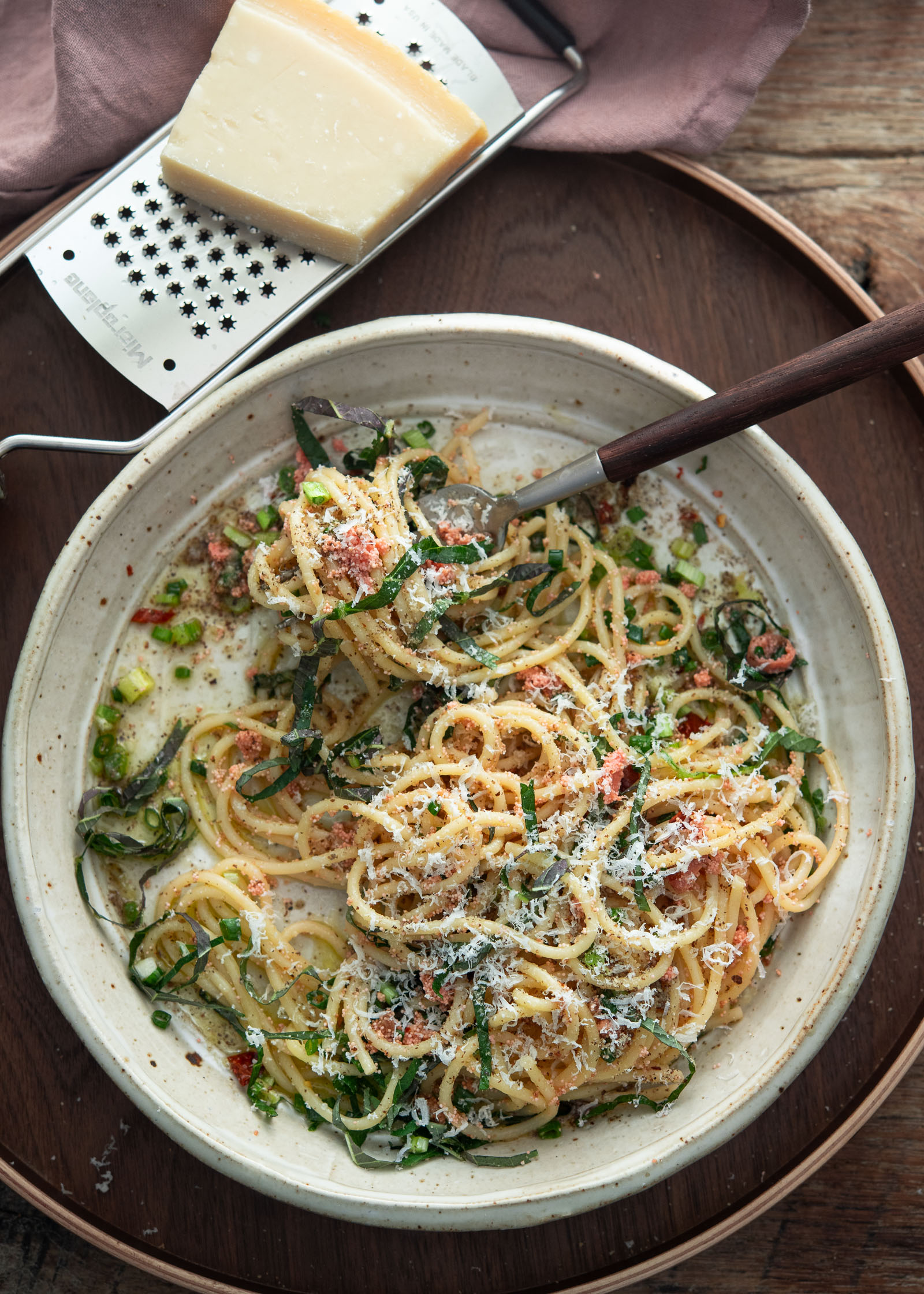
- Infusion: A cold-start garlic and dried chili oil base, slowly heated to allow the aromatic compounds to permeate the oil without browning the garlic excessively.
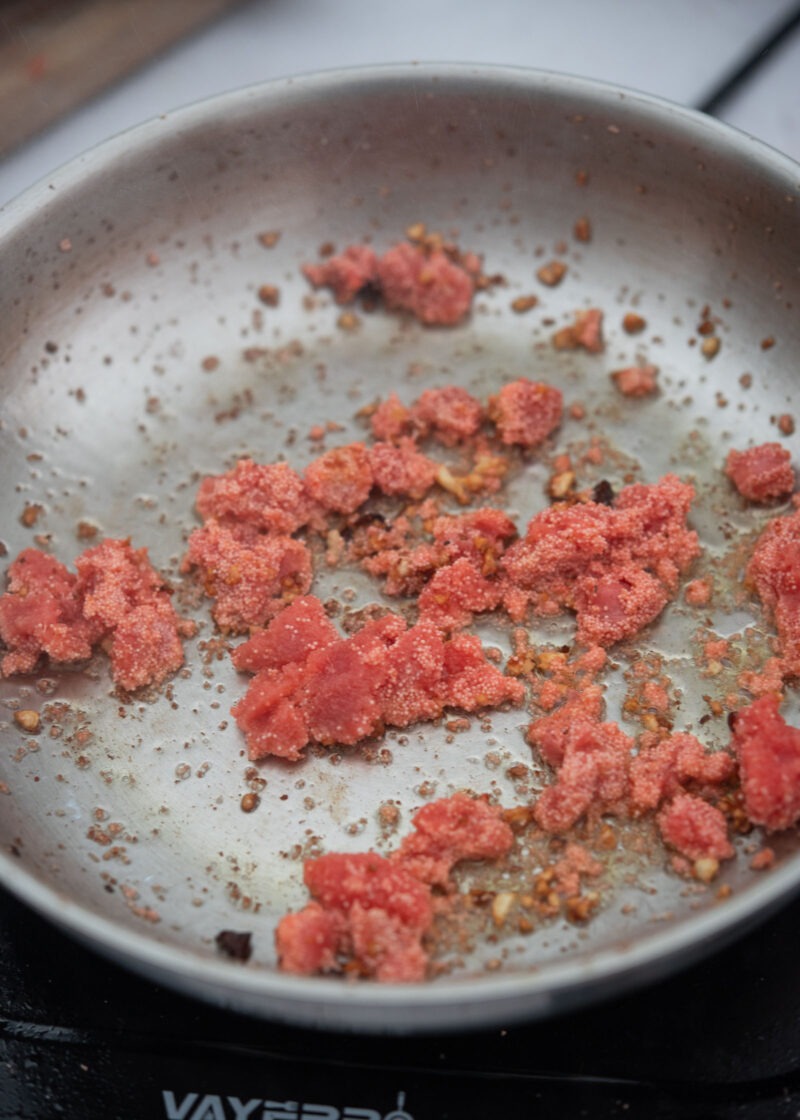
- Emulsification: The addition of pasta water, which contains starch, to the oil base. This creates a bridge between the lipid-heavy oil and the roe, ensuring the roe does not clump.
- Folding: The final step, where the roe is added to the pan while the heat is off or at a minimum, utilizing residual heat to bring the roe to temperature.
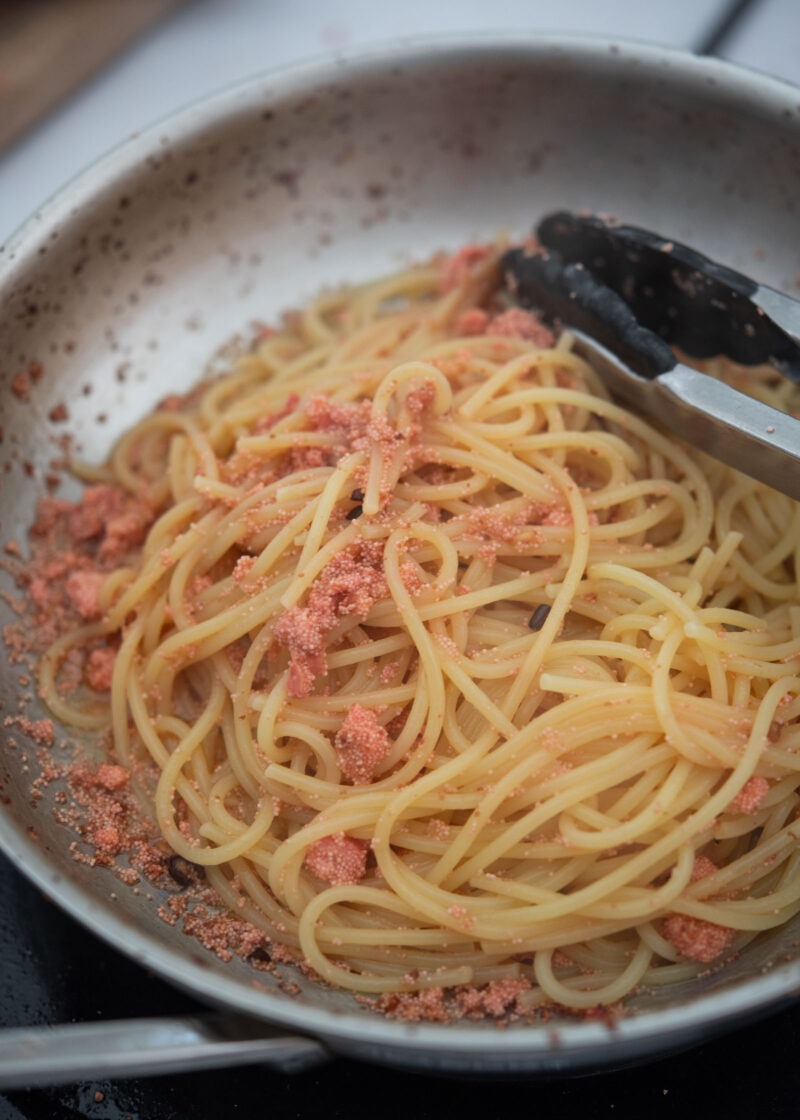
The use of perilla leaves and ground perilla seeds as a garnish is not merely aesthetic. From a flavor chemistry perspective, the nutty, earthy profile of perilla serves to temper the high sodium content of the salted roe, providing a palate-cleansing effect that prevents flavor fatigue.
Market Impact and Consumer Behavior
The proliferation of this recipe underscores a broader change in domestic consumer behavior in South Korea. According to industry reports, there has been a 14% year-over-year increase in the home-preparation of "gourmet-adjacent" pasta dishes that incorporate traditional Korean pantry staples. The rise of myeongran pasta is emblematic of this shift, as it bridges the gap between traditional Korean ingredients and the convenience of Mediterranean-inspired cooking.
Furthermore, the flexibility of the dish has allowed it to thrive across different socioeconomic demographics. While restaurants may serve it with high-end garnishes like shaved parmesan or fresh herbs, the fundamental recipe remains accessible. It serves as a case study in how heritage ingredients can be adapted to modern global dietary preferences without losing their cultural identity.
Implications for Future Fusion Trends
The success of this dish suggests that the future of fusion cuisine lies in the refinement of existing techniques rather than the radical invention of new ones. By focusing on the "clean" flavor of ingredients, proponents of this style argue that they are creating a sustainable path for fusion that respects the integrity of the original components.
Industry analysts note that the popularity of the garlic-oil, roe-based pasta could influence upcoming menu developments in other sectors. If the current trajectory continues, there is potential for the adoption of other fermented or cured Korean ingredients into similar oil-based pasta structures. For instance, the use of doenjang (soybean paste) in similar applications has already begun to see success, following the same logic of replacing heavy, traditional pasta sauces with flavor-dense, nutrient-rich alternatives.
Summary of Nutritional Considerations
While the dish is lauded for its flavor, consumers are advised to be mindful of the sodium content inherent in preserved roe. A standard serving contains approximately 1,054mg of sodium, largely due to the curing process of the pollock roe. However, the dish remains a high-protein option, with approximately 19g of protein per serving, making it a functional choice for those seeking to incorporate seafood into their diet without the heavy caloric density of cream-based sauces.
As the dish continues to evolve, the emphasis remains on the quality of the raw ingredient. The differentiation between the slightly sweeter, chili-spiced Japanese mentaiko and the deeper, saltier Korean myeongran remains a critical point of discussion among culinary professionals. As more international audiences engage with Korean food culture, the distinction between these two preparations will likely become a standardized part of the global culinary lexicon, much like the distinction between various regional styles of soy sauce or miso.
Ultimately, the rise of Korean-style myeongran pasta serves as a testament to the versatility of traditional Korean ingredients. It highlights a shift in global dining where simplicity, speed, and the celebration of raw, high-quality ingredients take precedence over complex, multi-step culinary preparations. Whether prepared in a professional kitchen in Seongsu or a home kitchen abroad, the dish stands as a quintessential example of modern culinary fusion.
