

The global culinary landscape has witnessed a remarkable convergence of traditional Asian ingredients and Western baking techniques over the past two decades. At the forefront of this gastronomic evolution is the introduction of sweet rice flour—traditionally utilized in Asian confectioneries to create chewy, dense textures—into mainstream baking formats such as cakes, brownies, and pastries. Recently, food historian and recipe developer Jinjoo has expanded upon her foundational work with tteokppang (Korean rice cake bread), introducing a new iteration: the Chocolate Mochi Brownie. This development highlights a broader consumer shift toward naturally gluten-free alternatives that do not compromise on flavor, moisture, or mouthfeel.
Main Facts and Culinary Mechanics
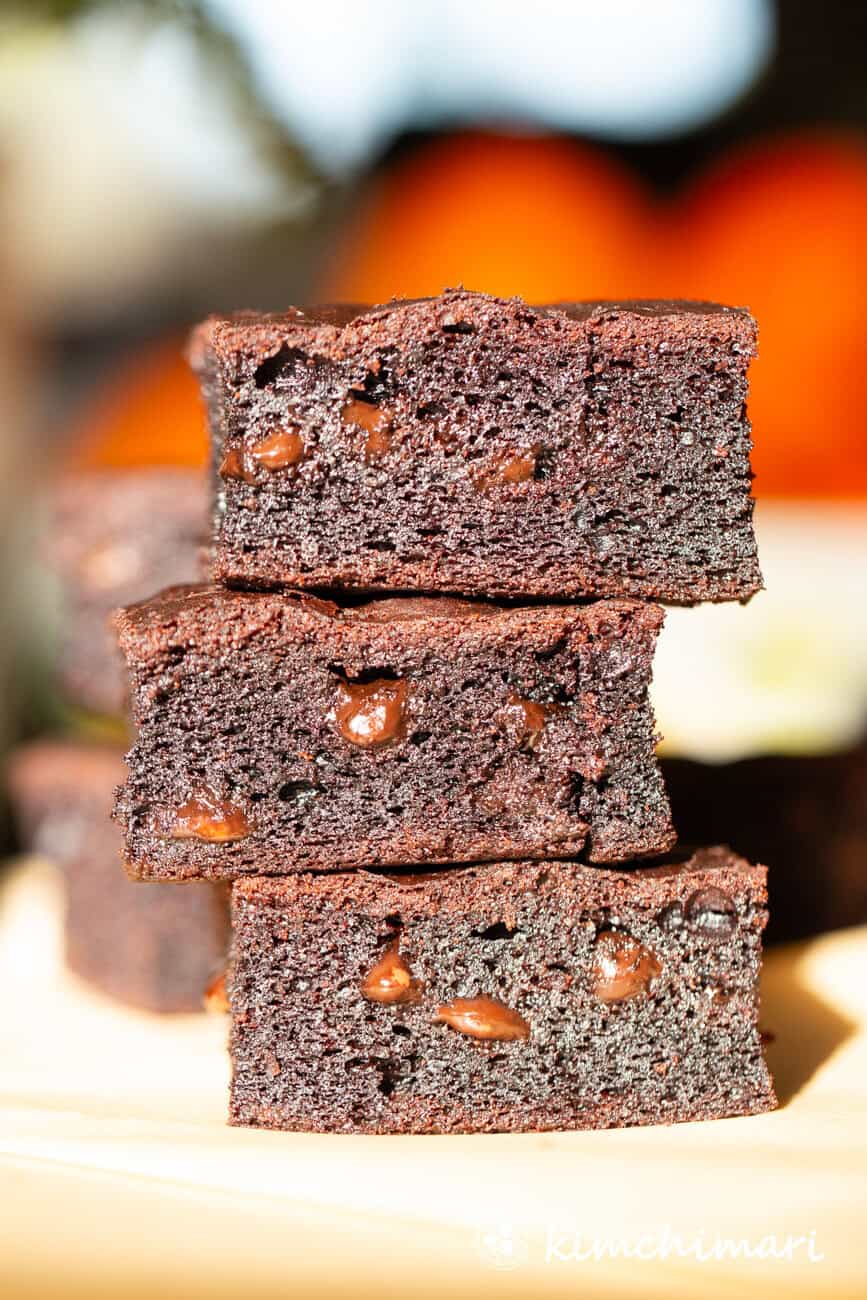
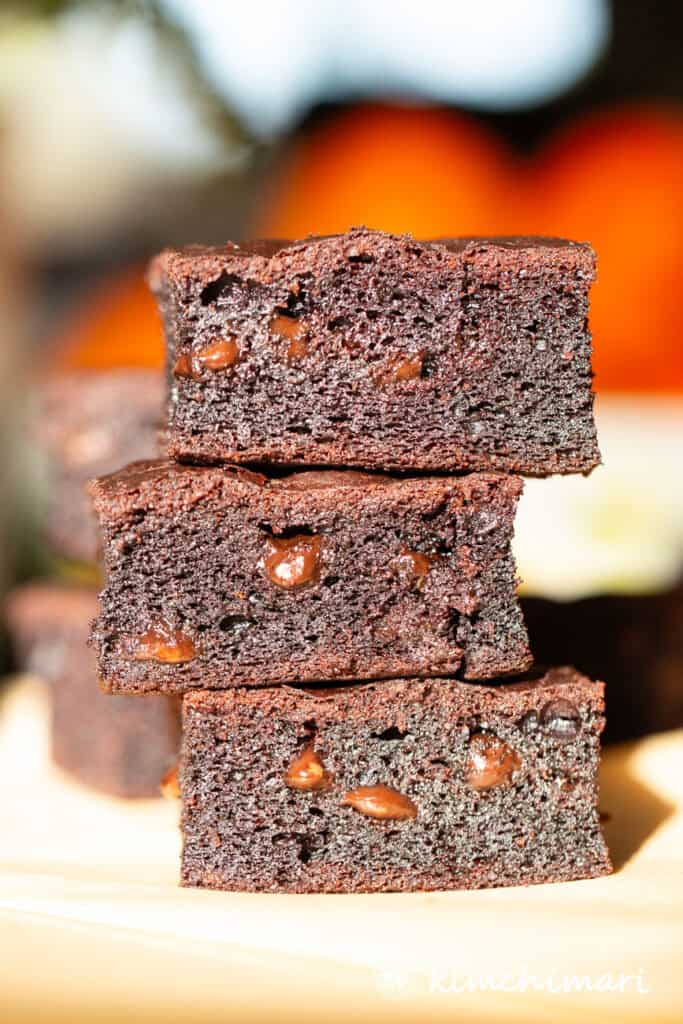
The Chocolate Mochi Brownie, structurally classified under the Korean categories of ppang (bread) and tteok (rice cake), achieves its signature texture through the exclusive use of sweet rice flour, also known as glutinous rice flour. Unlike standard wheat flour, which relies on gluten proteins to create an elastic and structured crumb, sweet rice flour is rich in amylopectin, a soluble starch molecule that gelatinizes when heated with liquids and fats. This chemical property yields a treat that is simultaneously light, spongy, and deeply chewy.
Culinary analysts note that modern interpretations of baked mochi goods—frequently marketed as mochi cake, butter mochi, or mochi brownies—vary widely in their fat and liquid components. While some commercial and home recipes incorporate coconut milk, sweetened condensed milk, or heavy cream to achieve richness, the newly standardized chocolate tteokppang formula utilizes regular dairy milk combined with a precise balance of cocoa powder and chocolate chips. Nutritional data for the finished recipe indicates a per-serving profile of approximately 161 kilocalories, 20 grams of carbohydrates, 3 grams of protein, and 8 grams of fat, positioning the treat as a moderate indulgence that is naturally free of gluten-containing grains.
Historical Context and Chronology
The trajectory of rice-cake-based fusion baking spans more than twenty years, reflecting changing global appetites for textural diversity in desserts. In 2014, while residing in South Korea, Jinjoo published her initial recipes for tteokppang, introducing traditional Korean rice-cake baking principles to a wider international digital audience. At the time, the concept of incorporating sweet rice flour into Western-style baked goods was a niche culinary experiment, largely confined to specialized ethnic markets or regional Hawaiian butter mochi traditions.
Over the subsequent two decades, however, consumer demand for gluten-free and allergen-friendly alternatives accelerated exponentially, driven by rising diagnoses of celiac disease, non-celiac gluten sensitivity, and a general wellness push toward alternative grains. By the mid-2020s, searches and recipes for "mochi brownies" and "chocolate mochi cake" had surged across digital food platforms. The introduction of the chocolate-centric tteokppang variant in late 2025 represents a mature milestone in this movement, moving away from experimental adaptations toward refined, highly reproducible home-baking standards that cater to diverse family palates—including consumers who typically disfavor dark or milk chocolate.
Ingredient Selection and Preparation Protocols
Professional culinary evaluations emphasize that the success of a mochi-based brownie relies heavily on ingredient quality rather than complex execution steps. The preparation protocol requires a structured approach divided into dry ingredient integration, wet ingredient incorporation, and precise thermal processing.
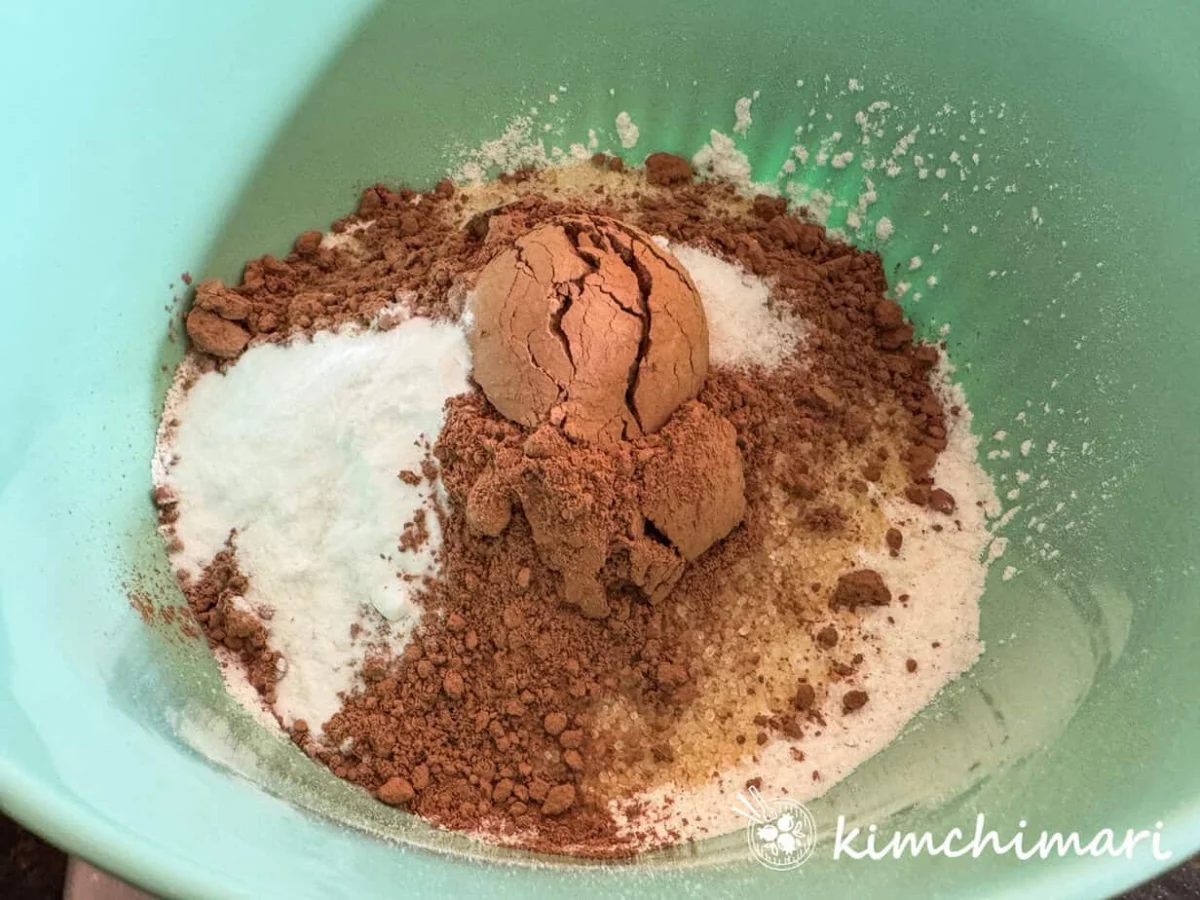
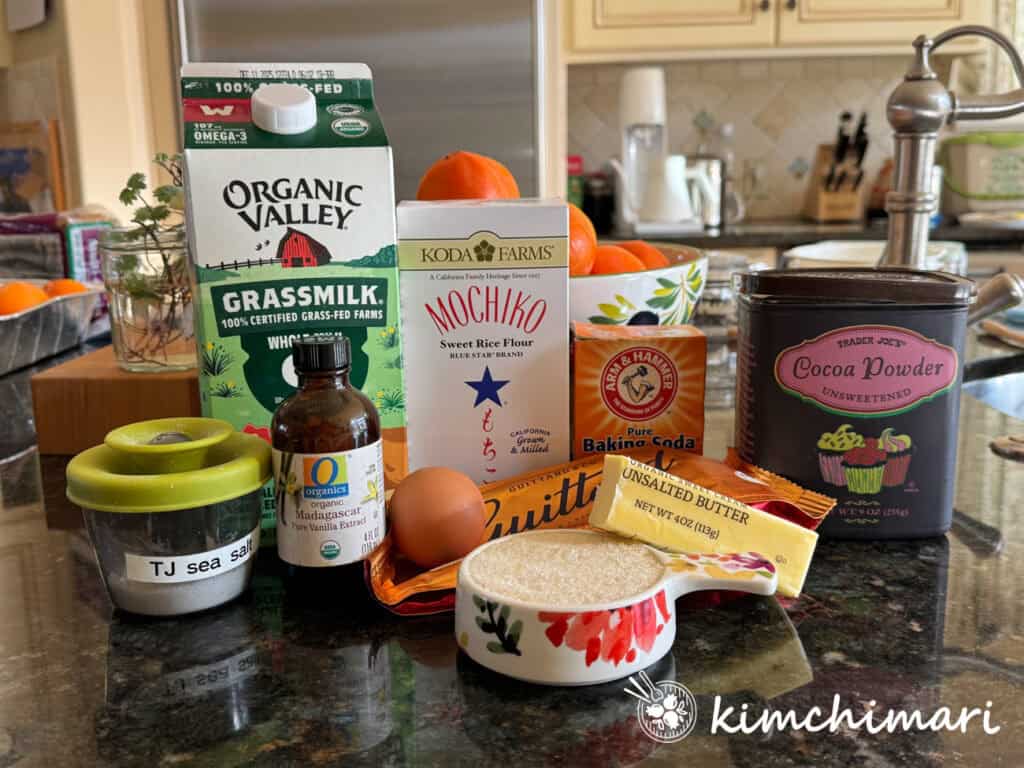
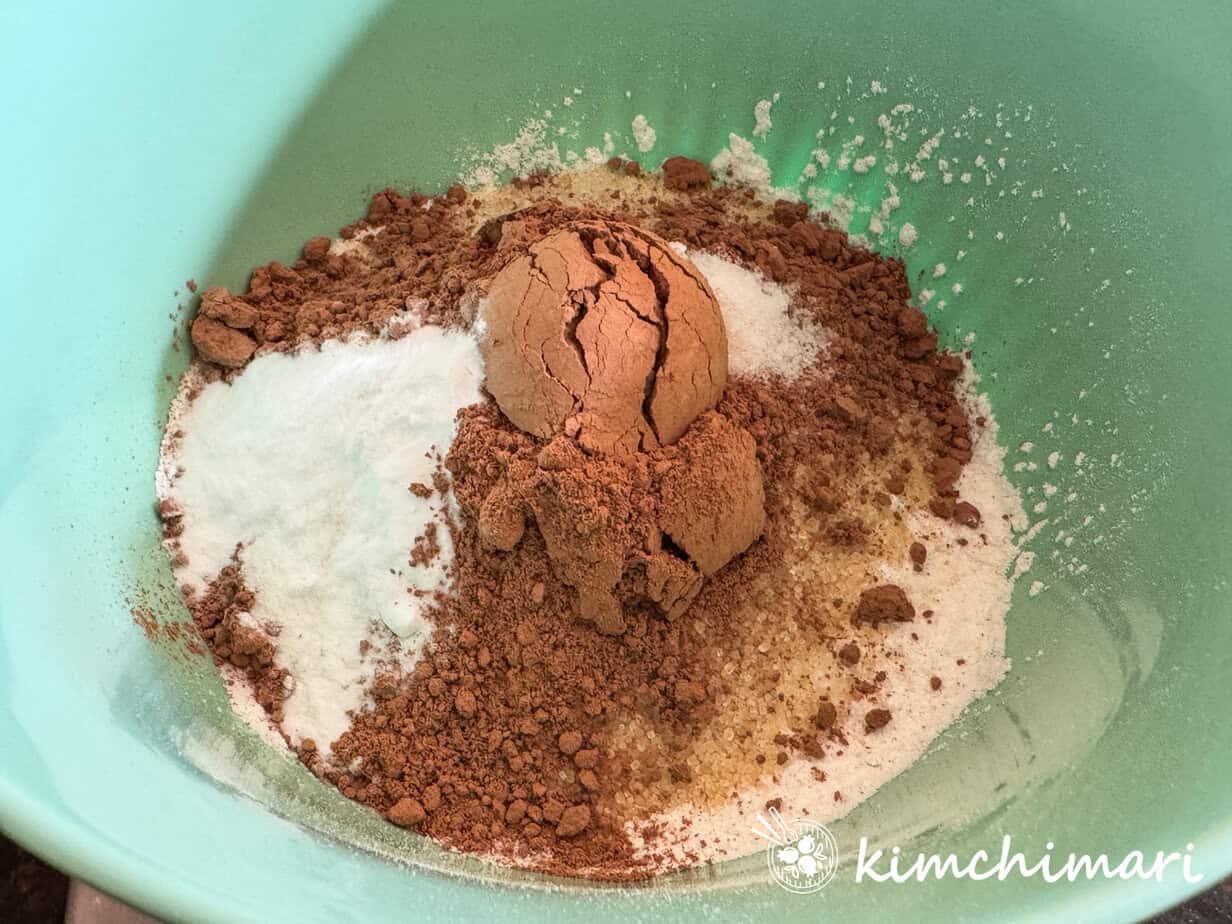
The dry component centers primarily on high-grade sweet rice flour, which must be carefully sifted alongside baking powder, cocoa powder, and a measured amount of sugar to prevent clumping. Unlike wheat-based brownies, where overmixing develops unwanted gluten strength, sweet rice flour mixtures require thorough amalgamation to ensure even hydration of the starch molecules.
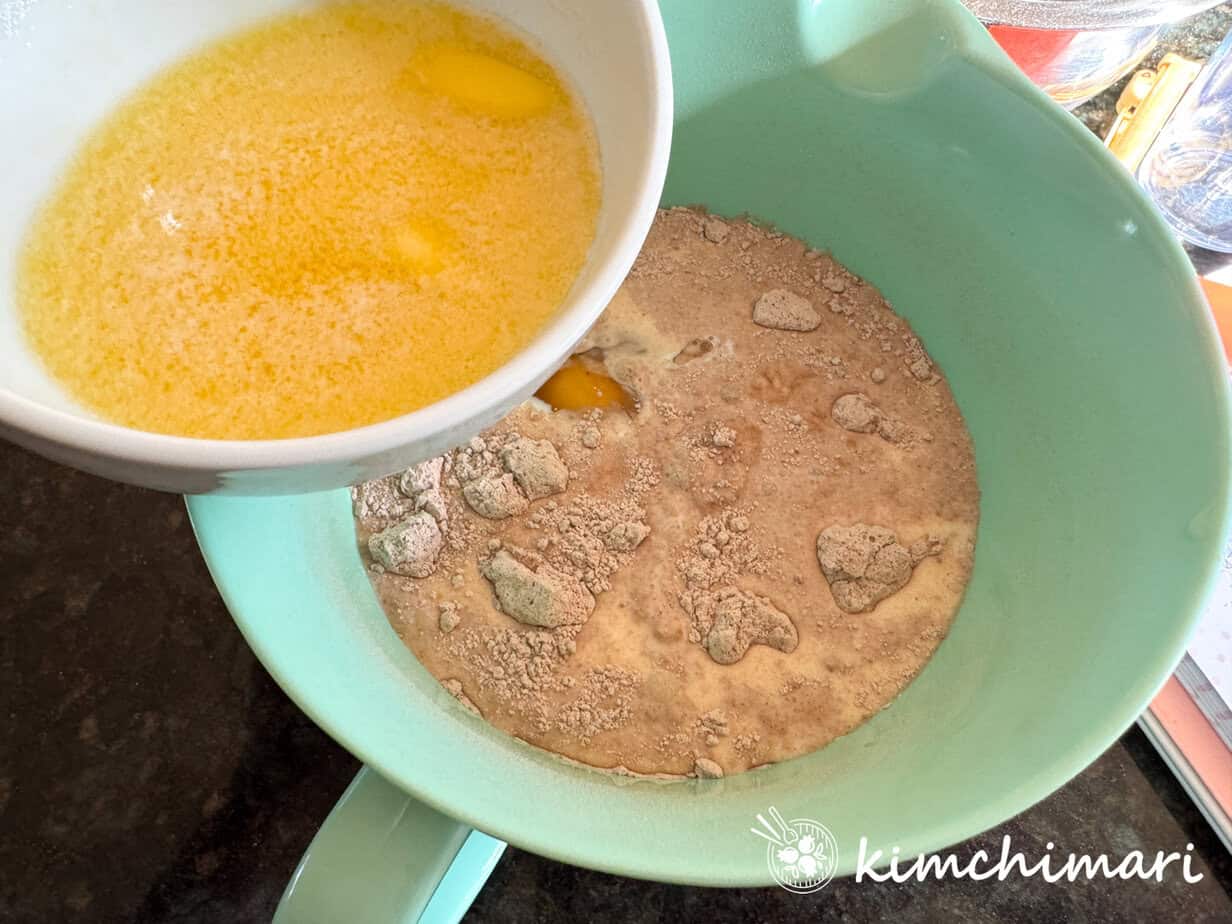
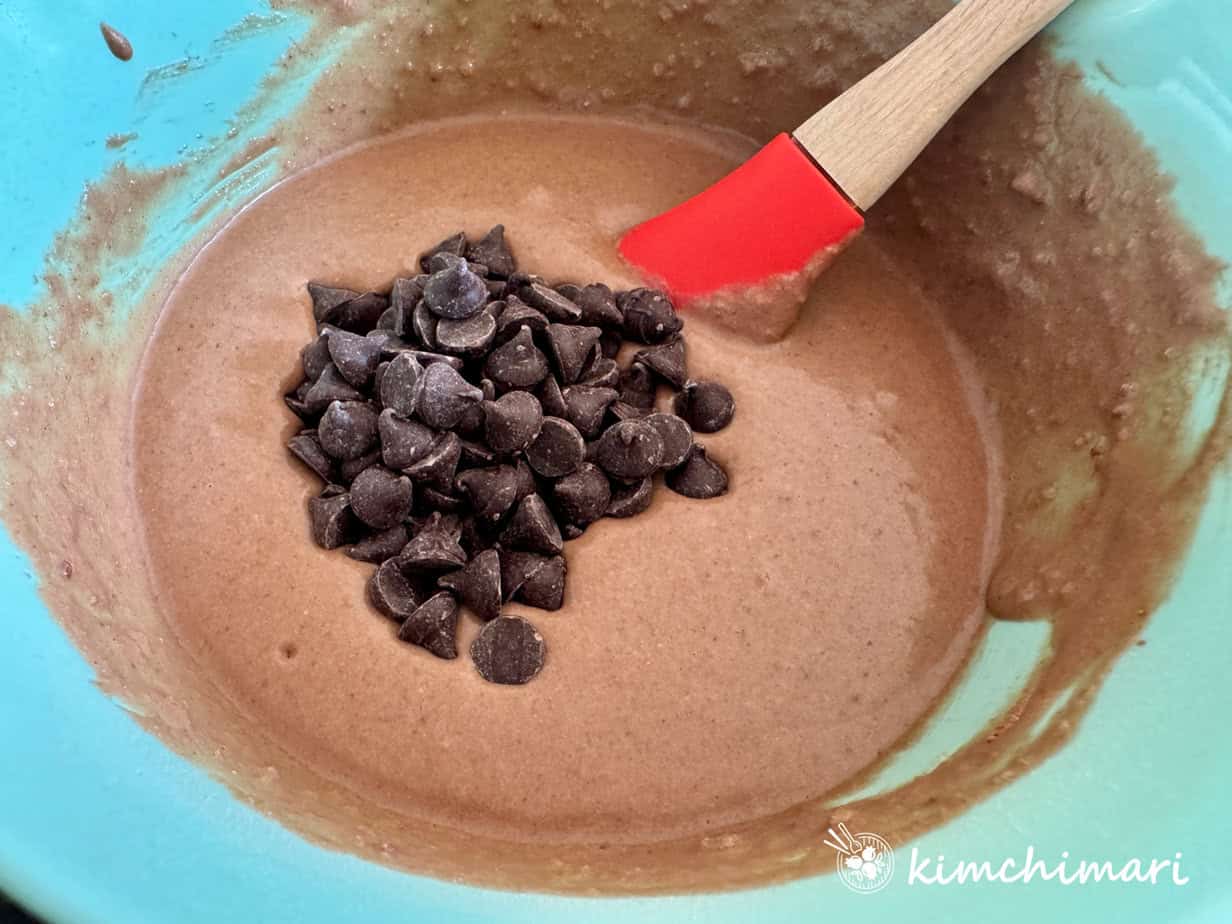
The wet phase incorporates butter, eggs, vanilla extract, and regular milk, which are whisked together before being folded into the dry mixture. The inclusion of semi-sweet or dark chocolate chips directly into the batter ensures pockets of melted confection throughout the crumb structure. Optional additions, such as chopped walnuts or pecans, provide a contrasting crunch that balances the dense, chewy interior of the baked square.
Chronologically, the baking process demands strict adherence to temperature controls. Typically baked in an adequately greased square pan at moderate oven temperatures for approximately 45 minutes, the mochi brownie requires a mandatory cooling period on a wire rack or cutting board. This resting phase is chemically critical: as the amylopectin in the sweet rice flour cools, it sets into its final cohesive, sliceable matrix, preventing the crumb from crumbling or collapsing when sectioned into standard 16-piece portions.
Industry and Consumer Implications

The proliferation of gluten-free fusion desserts carries significant implications for both home kitchens and the broader commercial baking industry. As consumers increasingly prioritize dietary inclusivity—seeking foods that accommodate multiple dietary restrictions without sacrificing sensory appeal—recipes that utilize naturally gluten-free flours like mochiko (sweet rice flour) offer a viable pathway forward.
Furthermore, the cross-cultural appeal of items like the Chocolate Mochi Brownie demonstrates the globalization of flavor profiles. By merging the textural preferences inherent in traditional East Asian confectioneries with the familiar flavor profile of a Western chocolate brownie, developers are able to capture demographics that might otherwise remain hesitant to try unfamiliar ethnic ingredients. Industry observers note that as home cooks experiment with these foundational ratios, commercial bakeries and cafes are likely to adopt similar hybrid offerings, further cementing the status of sweet rice flour as a pantry staple in modern international baking.
