

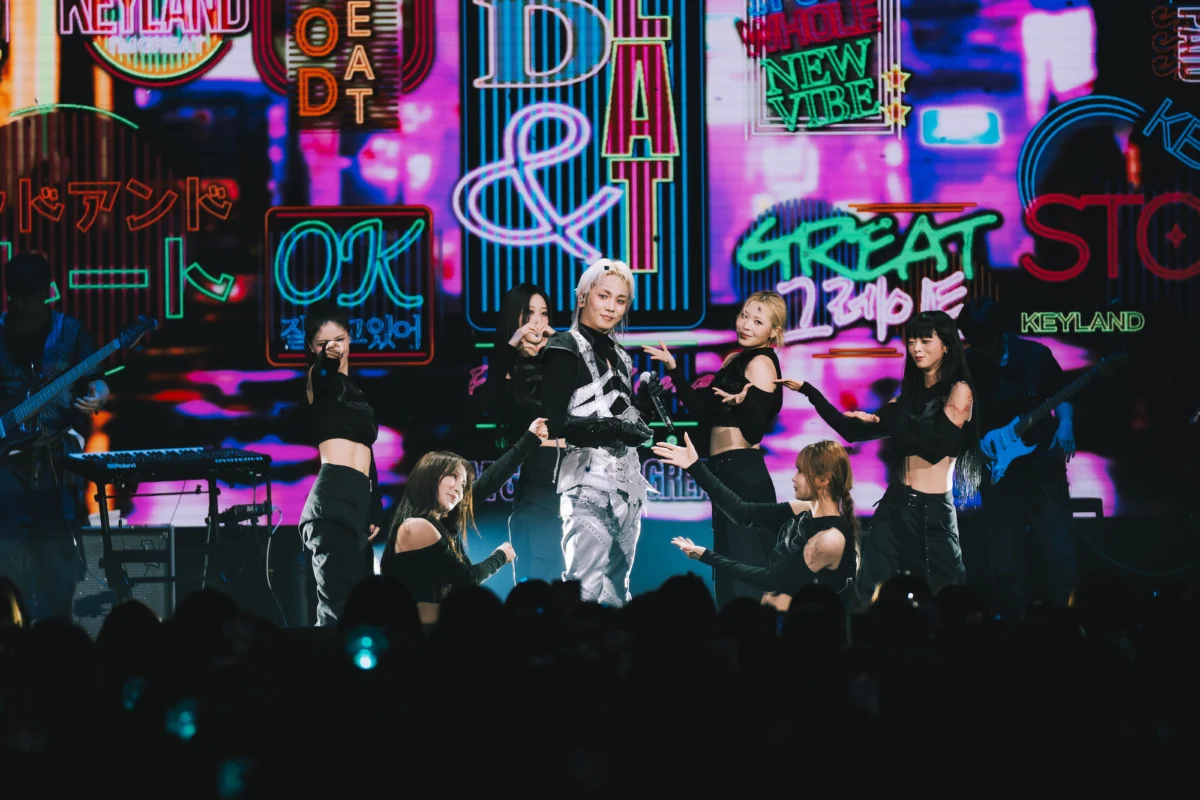
The contemporary landscape of K-pop solo tours often relies on familiar formulas: high-energy choreography, sweeping ballad interludes, and direct fan engagement through localized phrases. However, when Kim Ki-bum—globally recognized as Key from the legendary second-generation boy group SHINee—brought his solo concert series to Southeast Asia, he deliberately dismantled those expectations. Staged at Singapore’s historic Capitol Theatre, the regional stop of the 2025 Keyland: Uncanny Valley tour offered a masterclass in conceptual performance art, proving that mainstream pop music can comfortably intersect with avant-garde aesthetics without alienating a stadium-sized audience.
For industry observers and dedicated fans, known as Shawols, the concert was more than a routine tour stop. It marked Key’s first-ever solo headlining performance in Singapore, a milestone that highlighted his enduring longevity in the fiercely competitive entertainment industry. Having debuted under SM Entertainment with SHINee in 2008, Key has spent nearly two decades evolving from a synchronized idol dancer into an autonomous multi-hyphenate artist, fashion icon, and theatrical visionary. The Singapore showcase captured the culmination of this evolution, presenting a meticulously curated universe that challenged sensory norms and theatrical conventions.
The Evolution of Keyland: From Concept to Uncanny Reality
The thematic backbone of the tour stems from Key’s continuous exploration of psychological and visual discomfort, a trajectory that crystallizes in his 2025 musical releases. Initially launched simply as Keyland—a recurring branding for his solo concert iterations—the tour was officially rebranded following the rollout of his latest single, Hunter. By integrating the subtitle Uncanny Valley, Key anchored his performance to a psychological concept wherein humanoid figures or artistic representations that closely resemble human beings evoke feelings of eeriness, revulsion, or unease in observers.
Rather than running away from this psychological phenomenon, Key leaned into it entirely. Throughout the setlist, tracks like Hunter and his 2021 experimental pop track Helium served as sonic pillars for this unsettling atmosphere. The lyrics, marked by motifs of surveillance, hunting, and breathless pursuit, were brought to life through sharp, mechanical choreography and disorienting visual projections on the Capitol Theatre’s LED screens. Music critics noted that the deliberate subversion of standard pop performance tropes—such as replacing warm, welcoming stage banter during early segments with detached, robotic poise—demonstrated a rare artistic discipline.
This approach reflects a broader trend within contemporary K-pop, where veteran artists utilize solo platforms to assert complete creative control. While younger groups frequently adhere to algorithmic demands for immediate gratification and bright, accessible concepts, artists with tenure like Key possess the industry capital necessary to experiment with darker, more challenging narratives. The Uncanny Valley tour thus stands as a critical checkpoint in K-pop’s ongoing maturation, demonstrating that pop spectacles can successfully function as high-concept performance art.

Maximalist Costuming as Narrative Architecture
Fashion has long been synonymous with Kim Ki-bum’s public identity. Often cited by fashion editors and industry peers as one of the best-dressed figures in South Korean entertainment, Key treats wardrobe not merely as decorative attire, but as an essential narrative device. In Singapore, his sartorial choices mirrored the psychological tension of the concert’s overarching theme.
The evening commenced with one of the tour’s most striking visual statements: a custom-designed silver corset embellished with rigid, armor-like plating. The garment was simultaneously architectural and abstract, pushing the boundaries of standard stage menswear. By combining heavy metallic textures with fluid, theatrical movement, the outfit visually embodied the collision between human vulnerability and robotic detachment that defines the uncanny valley. Subsequent wardrobe changes transitioned through deconstructed tailoring and maximalist streetwear, each look serving to punctuate the tonal shifts of the setlist.
According to promotional partners CK Star Entertainment, who coordinated the Singapore engagement, the production logistics required precise coordination to handle the intricate costume changes and specialized lighting rigs necessary to execute Key’s vision. The emphasis on high-fashion integration underscores how K-pop performers increasingly leverage luxury aesthetics to elevate live music experiences into multidisciplinary happenings.
Fan-Centric Intimacy and the Human Element Behind the Concept
Despite the cerebral and occasionally chilling nature of the concert’s conceptual framework, the interaction between Key and his audience remained grounded in warmth, humor, and mutual respect. This duality—between the icy precision of the performance art and the genuine camaraderie of the fan meeting segments—formed the emotional core of the evening.
Throughout the performance, Key frequently broke character to express profound gratitude to the Singaporean audience, punctuating his addresses with sincere expressions of appreciation. Demonstrating a self-awareness that bridged the gap between global pop icon and relatable peer, Key shared a lighthearted personal anecdote during a ment. He recounted his recent experience attending a concert by American artist Tyler, The Creator in South Korea, noting how physically exhausting he found the experience of standing in a crowded general admission pen. Demonstrating empathy for his own supporters, many of whom had queued for hours, Key actively checked on the physical well-being of the crowd, ensuring that fans pacing themselves in the standing zones felt comfortable throughout the rigorous two-hour set.
Furthermore, Key’s deep-seated affection for his SHINee bandmates provided a comforting anchor for longtime followers. Acknowledging the historical significance of the night, he reflected on his past visits to the island nation. "I have come here a lot with my members," Key shared with the audience, "but it’s my first time in Singapore alone." He balanced the nostalgic reflection with characteristic wit, playfully referring to fellow member Choi Minho as his best friend and eliciting affectionate laughter from the arena.

The emotional resonance of the evening culminated in hints regarding future engagements. Key expressed a strong desire to return to Singapore not only for another concert performance, but specifically to host a dedicated fansign event. More significantly, he voiced his aspiration to return alongside his SHINee bandmates, generating widespread anticipation among regional Shawols who continue to monitor the group’s collective activities.
Broader Industry Implications and Commercial Reception
The successful execution of the Singapore leg of the Keyland: Uncanny Valley tour underscores the robust demand for specialized, conceptual solo tours across Southeast Asia. As K-pop agencies increasingly look beyond traditional domestic markets and major North American hubs, cities like Singapore continue to solidify their status as vital touring hubs capable of hosting complex, high-production theatrical pop shows.
From an economic perspective, Key’s ability to sell out and deliver a critically acclaimed performance as a solo act—nearly two decades into his career—illustrates the immense value of artistic diversification. While group comebacks remain the primary financial engine for legacy agencies like SM Entertainment, solo ventures allow individual members to cultivate distinct artistic identities, attract niche demographics, and command dedicated touring revenues independent of group cycles.
Moreover, the critical reception of Key’s Singapore concert highlights a shifting consumer appetite within the global music market. Audiences are increasingly rewarding artists who refuse to stagnate, embracing experimental sounds and high-concept visual storytelling over conventional, risk-averse programming. By transforming his solo tour into an exploration of psychological discomfort and high-fashion maximalism, Key has not only reinforced his status as a pillar of second-generation K-pop royalty, but has also established a benchmark for how veteran idols can continuously reinvent their craft for contemporary audiences.
