

The Culinary Science of Mukeunji
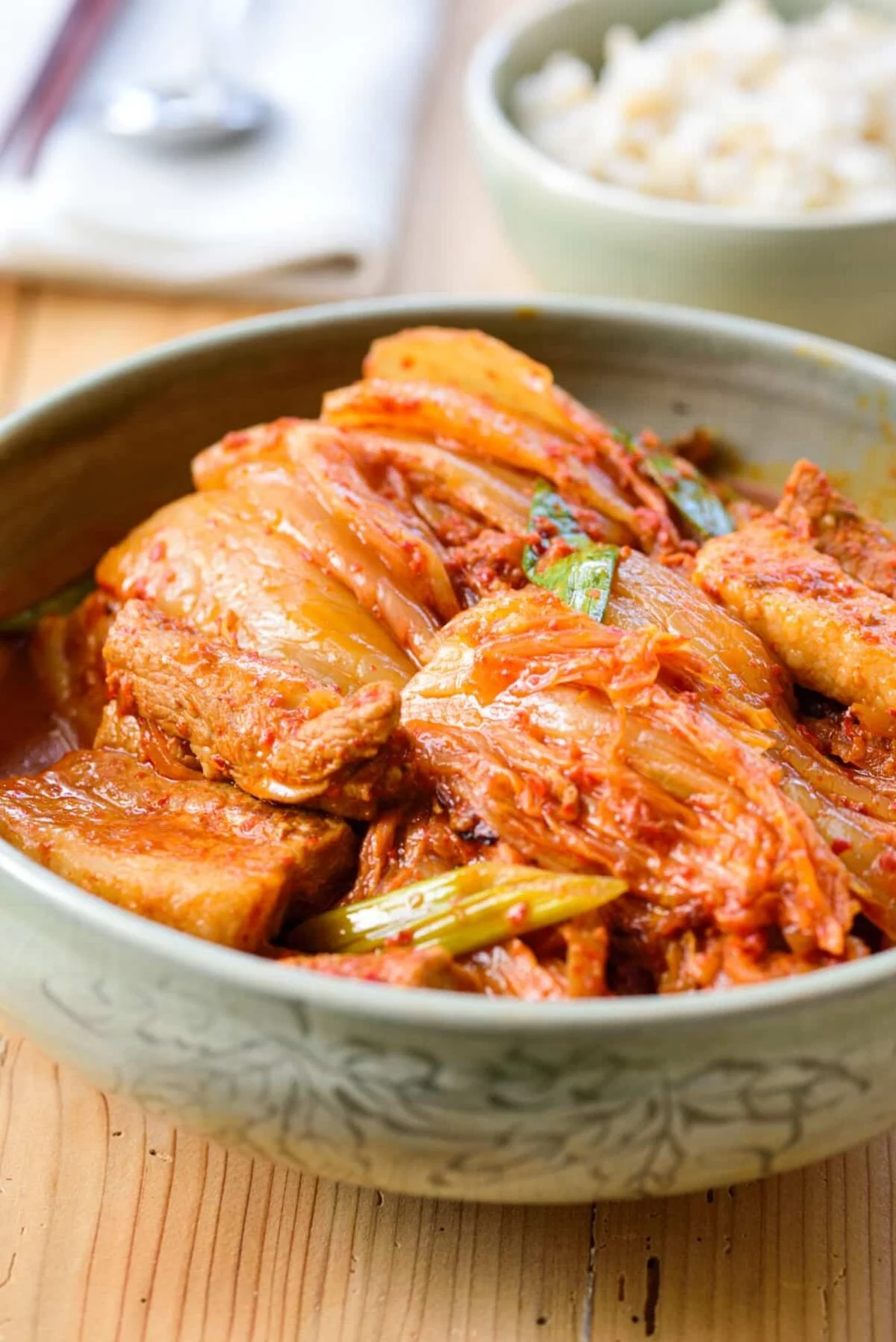
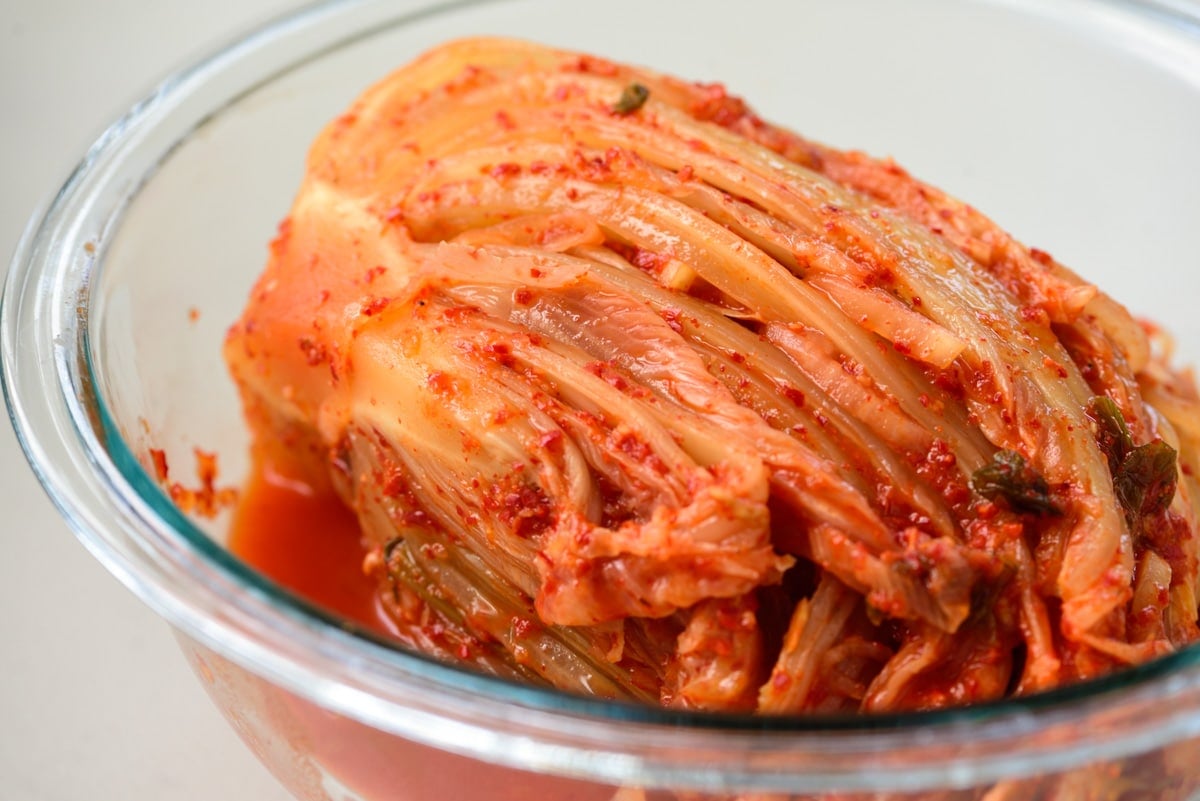
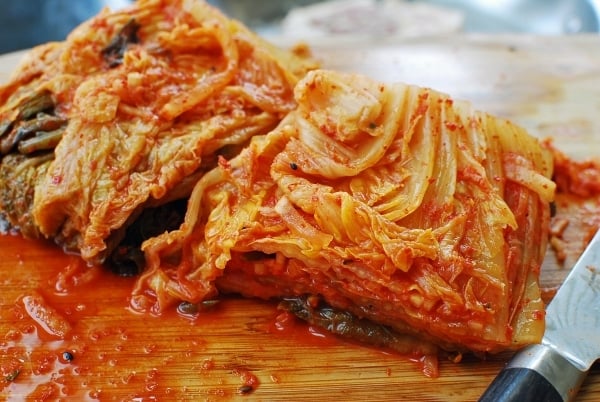
The fundamental component of an authentic kimchi jjim is the quality of the primary ingredient: mukeunji. While fresh kimchi is prized for its crisp texture and vibrant, spicy profile, mukeunji undergoes a rigorous aging process. In a controlled environment—historically subterranean earthenware jars known as ong-gi, or modern temperature-regulated kimchi refrigerators—the napa cabbage undergoes lactic acid fermentation for a minimum of six months, and often up to two years.
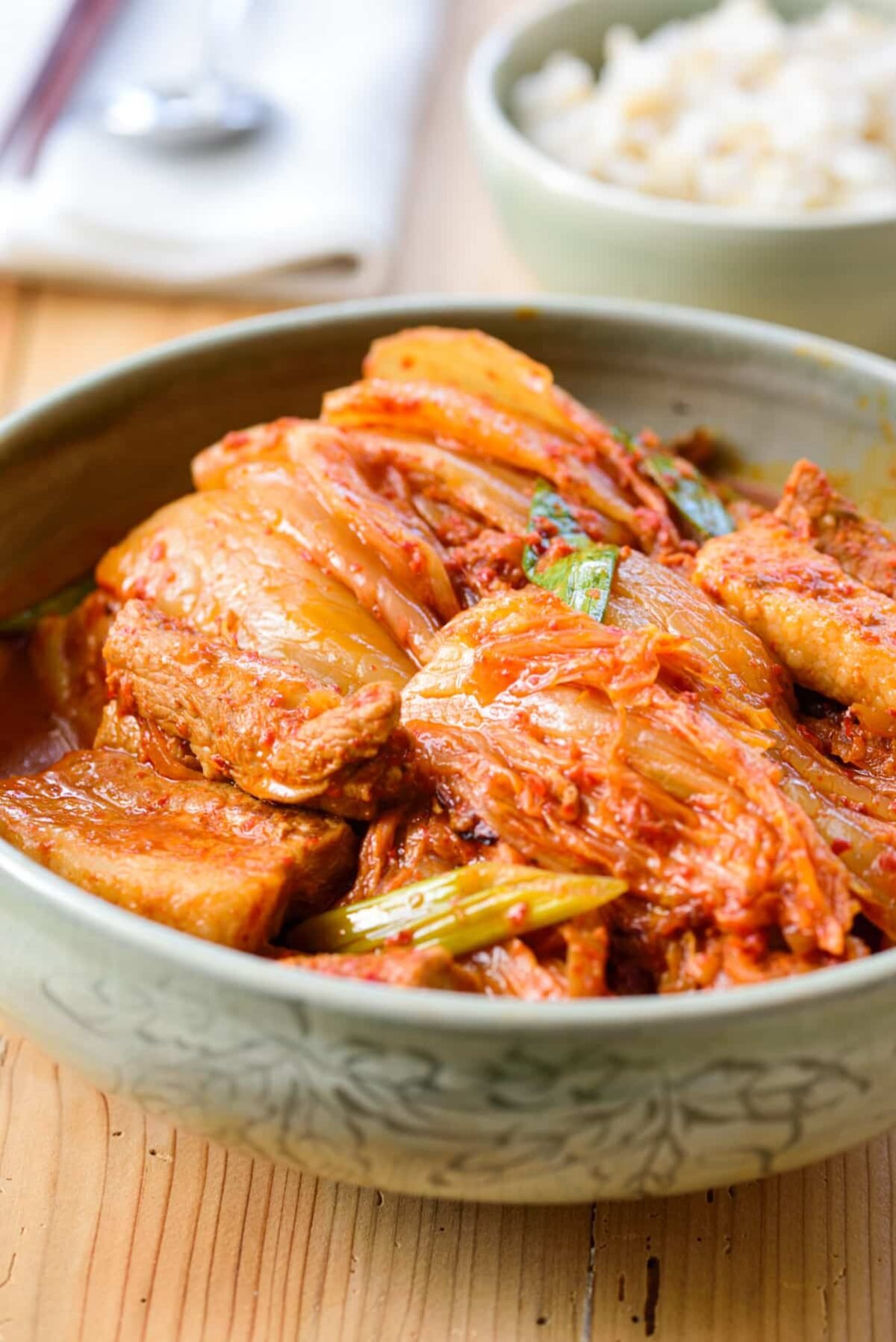
During this period, the bacterial colonies, specifically Lactobacillus species, break down the sugars within the vegetable and the seasoning paste. This biochemical shift results in a sharp, acidic tang and a softened cellular structure that is far superior for braising than fresh cabbage. When exposed to heat, this aged kimchi does not disintegrate; rather, it develops a complex umami profile that interacts synergistically with the rendered fats of protein sources, typically pork.
Historical Context and Evolution
The practice of braising kimchi originated from the necessity of preserving harvest surpluses throughout the harsh Korean winter. In agricultural communities, the "kimjang" tradition—the communal preparation of large quantities of kimchi—ensured that households had sufficient sustenance. As the season progressed into spring, the kimchi naturally matured, often reaching a state of extreme sourness. To prevent waste, families developed methods to mellow the acidity, utilizing slow-cooking techniques.
By the mid-20th century, as urban centers in South Korea expanded, the dish transitioned from a subsistence-based meal to a staple of the "bapsang" (dining table). The shift toward using pork belly or pork ribs became the standard, as the fat serves as a crucial emulsifier, balancing the high acidity of the fermented cabbage. Contemporary variations also incorporate mackerel, a nod to the coastal regions of the Korean peninsula where fatty fish are readily available, further highlighting the dish’s regional adaptability.
Comparative Analysis: Jjim vs. Jjigae
In the professional culinary lexicon, the distinction between kimchi jjigae and kimchi jjim is determined primarily by the moisture content and the duration of heat application. Kimchi jjigae is defined by its broth-heavy nature, functioning as a soup-based stew that is meant to be consumed with a side of steamed rice. The cooking time is relatively brief, intended to keep the ingredients distinct and the broth clear.
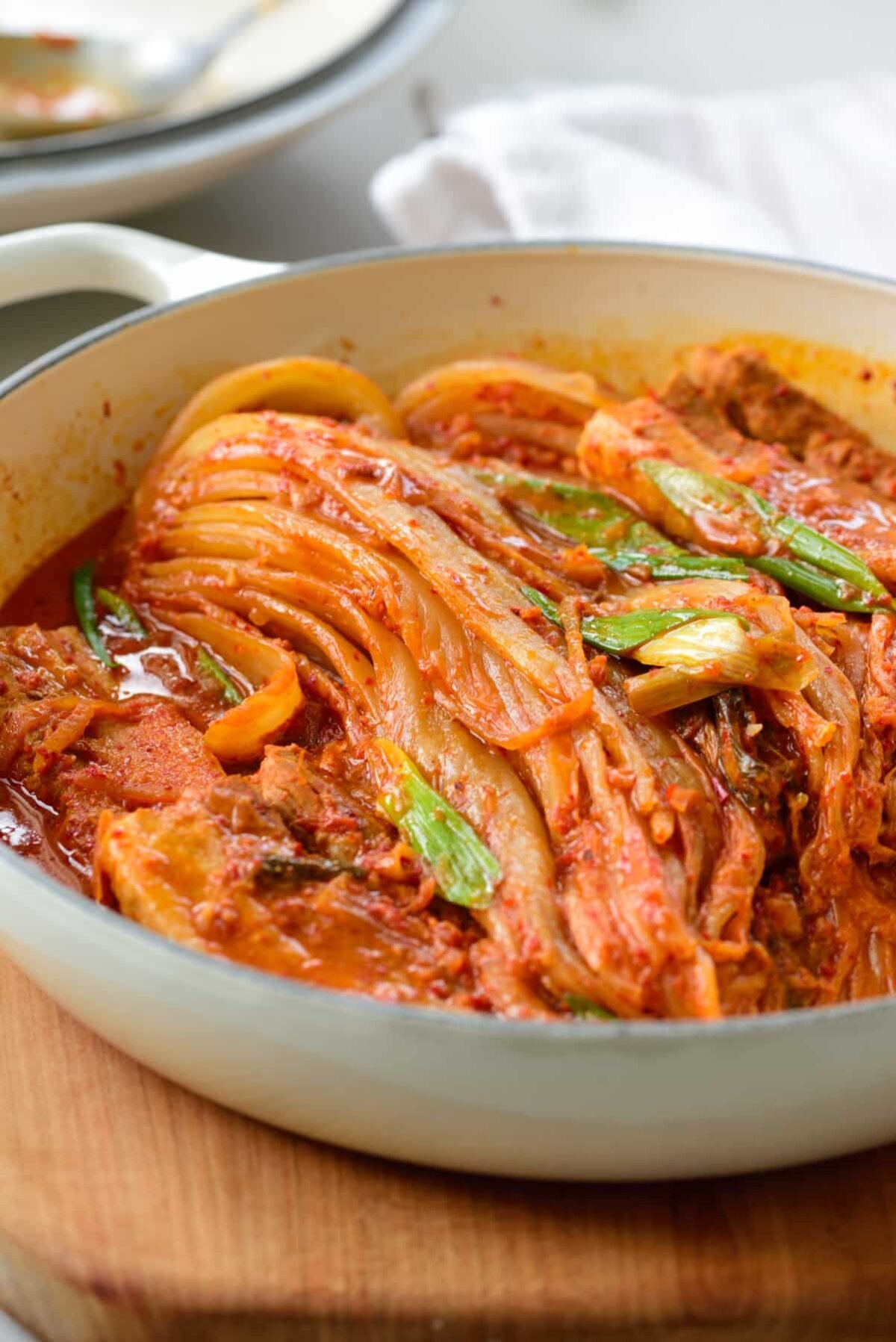
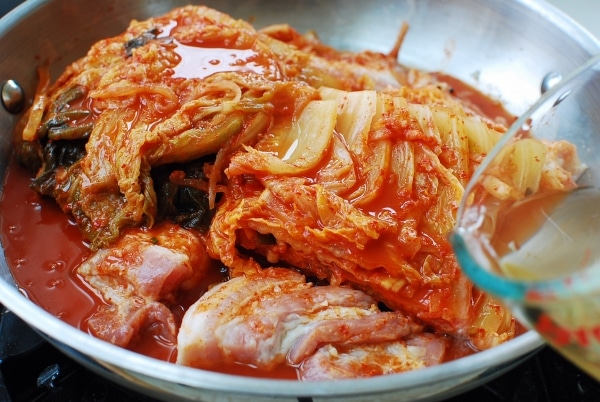
Conversely, kimchi jjim requires a significantly lower volume of liquid. The process is one of reduction and evaporation, where the cabbage is braised until it reaches a state of near-melting tenderness. The resultant liquid is not a broth but a thick, savory reduction that coats the ingredients. From a texture perspective, the cabbage in jjim loses its fibrous integrity entirely, becoming silky and deeply infused with the rendered juices of the meat.
Nutritional Implications and Fermentation Benefits
The health implications of consuming long-fermented kimchi are supported by ongoing research into the gut microbiome. The high concentration of probiotics found in aged mukeunji remains a subject of intense study. While the heat of the braising process naturally reduces the count of live bacteria, the dish retains high levels of dietary fiber, vitamins A, B, and C, and a variety of polyphenols derived from the garlic, ginger, and chili powder used in the initial fermentation.
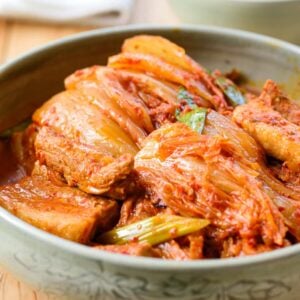
Furthermore, the braising process renders the pork fat more digestible, and the acidity of the kimchi is often cited in traditional Korean medicinal philosophy as an aid to digestion. When paired with high-quality protein, the dish provides a balanced profile of amino acids, making it a complete nutritional unit within the framework of a traditional Korean meal.
Economic and Market Trends
In the modern culinary market, the value of "aged" kimchi has increased significantly. Commercial producers have identified a niche for "three-year-aged" kimchi, which commands a premium price due to the time-intensive storage and maintenance requirements. This has allowed restaurants specializing in kimchi jjim to position themselves as high-end dining destinations rather than simple street-food vendors.
Data from the Korea Agro-Fisheries & Food Trade Corp indicates a steady growth in the demand for pre-aged, high-quality cabbage products. As interest in fermented foods continues to rise globally, exported versions of mukeunji are becoming more accessible, allowing home cooks outside of Korea to replicate the traditional jjim experience. This shift marks a transition from a home-based survival dish to a globally recognized gourmet preparation.
Standardized Preparation Methodology
To achieve a high-quality result, chefs emphasize several key technical steps:
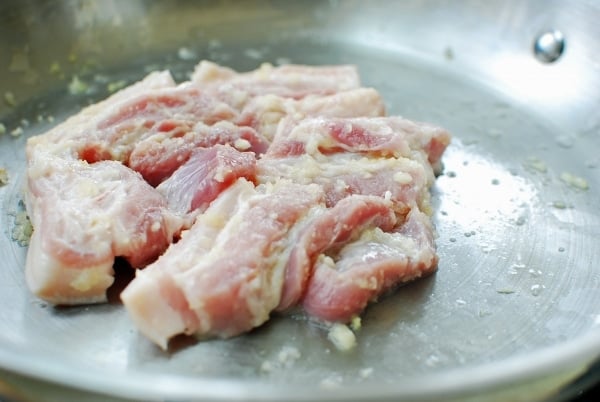
- Preparation of the Base: The choice of pork is critical. Cuts with a higher fat-to-meat ratio, such as pork belly or bone-in ribs, are preferred to ensure the sauce has sufficient body.
- Balancing Acidity: While the natural acidity is the star, it can be overwhelming for some palates. A minimal addition of a sweetener—often brown sugar, mirin, or onion puree—is commonly employed to round out the sharpness of the lactic acid without muting the flavor profile.
- Heat Management: The cooking must be consistent and low-intensity. A heavy-bottomed pot, such as a Dutch oven or a traditional stone pot (dolsot), is ideal for maintaining a constant, gentle simmer.
- The "Ribbon" Technique: When preparing the napa cabbage, it is standard practice to keep the leaves intact, allowing them to be pulled apart into long, tender strips during service.
Broader Impact on Global Cuisine
The rise of Korean cuisine on the international stage has placed a spotlight on the depth of the fermentation process. Kimchi jjim is increasingly viewed by culinary critics as an entry point for understanding the complexity of Korean flavor architecture—a balance of sour, spicy, sweet, and savory.
As the industry moves toward more sustainable food practices, the "no-waste" ethos inherent in creating kimchi jjim—using older, over-fermented cabbage that might otherwise be discarded—aligns with modern environmental goals. By turning the inevitable degradation of fermented products into a new, elevated dish, the recipe serves as a model for culinary circularity.
In summary, while the dish may appear rudimentary to the uninitiated, it requires a deep understanding of ingredient aging and temperature control. Whether served in a modest household or a high-end restaurant, kimchi jjim remains an essential expression of Korean identity, bridging the gap between historical necessity and contemporary gastronomic appreciation. The continued popularity of the dish reflects not only a nostalgia for traditional methods but also an enduring respect for the transformative power of time and fermentation in the kitchen.
