

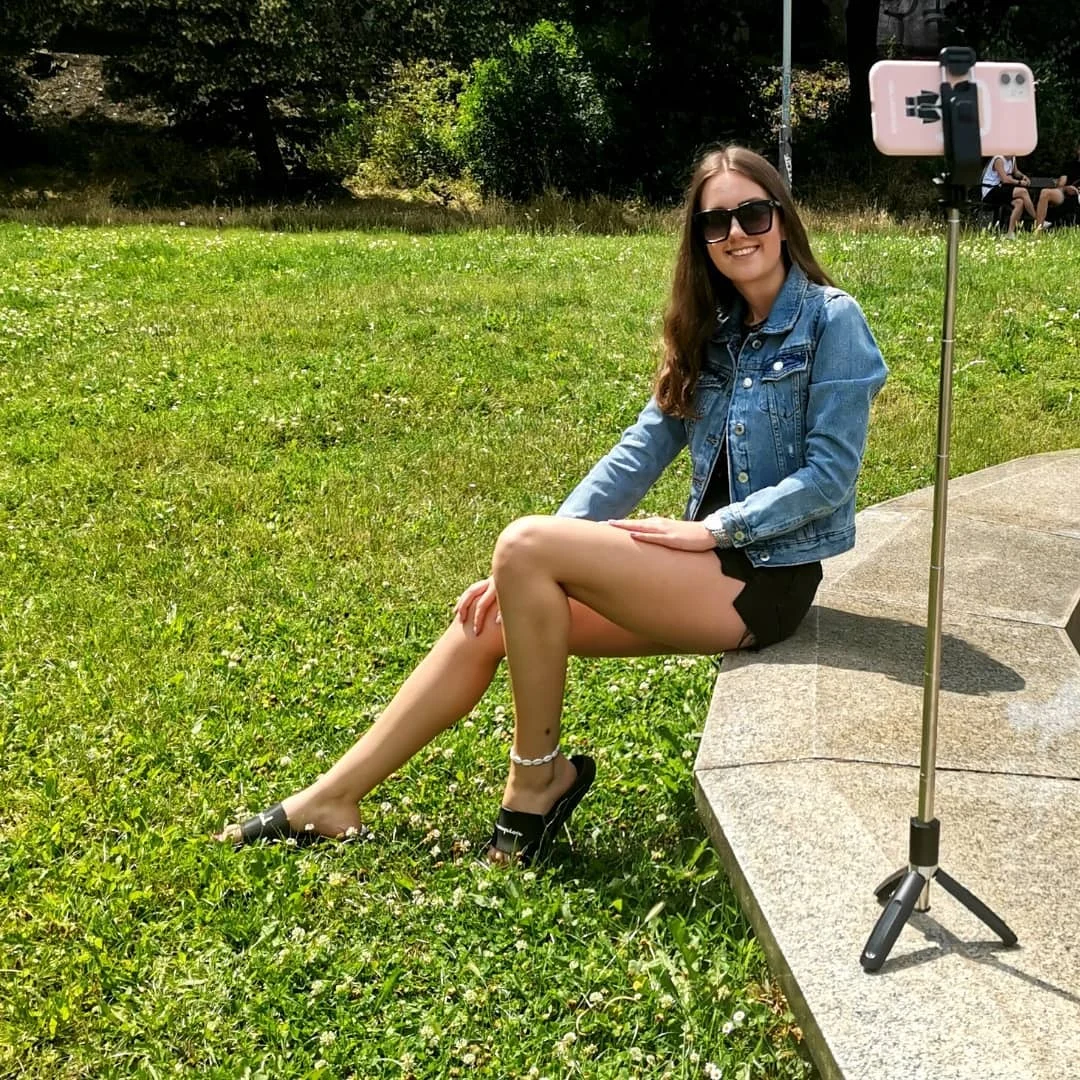
South Korea has ascended to the status of a premier global destination, consistently ranking among the safest nations for solo travelers. According to the 2023 Global Peace Index, South Korea maintains a high level of societal safety and security, making it an ideal landscape for those navigating foreign terrain independently. However, the unique cultural norms and linguistic landscape of the country necessitate careful preparation. This guide provides a structural framework for solo navigation, accommodation selection, logistics, and cultural integration to ensure a seamless experience.
Strategic Accommodation Selection for Solo Travelers
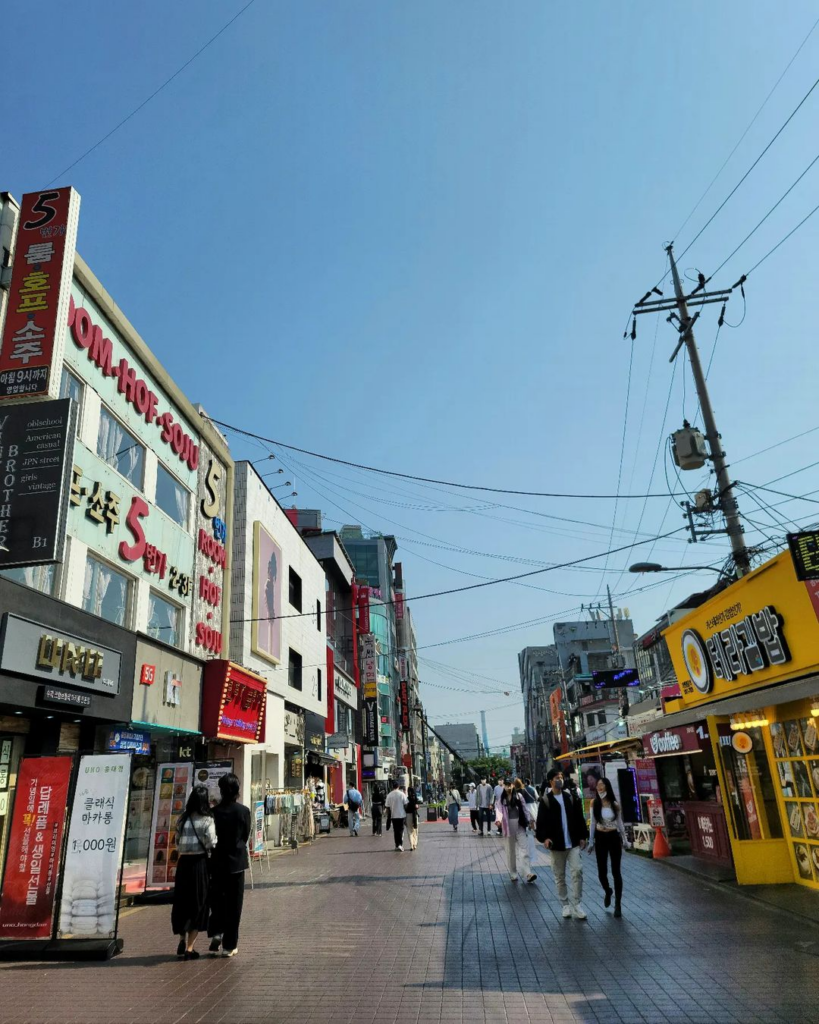
For the solo visitor, the choice of lodging serves as the cornerstone of both safety and convenience. In metropolitan hubs like Seoul, Busan, and Daegu, proximity to transit is the primary indicator of accessibility. Travelers are advised to prioritize accommodations in bustling districts such as Myeongdong, Hongdae, or Gangnam. While these areas command higher room rates, the concentration of essential services—such as late-night pharmacies, convenience stores, and police boxes—significantly mitigates safety risks.
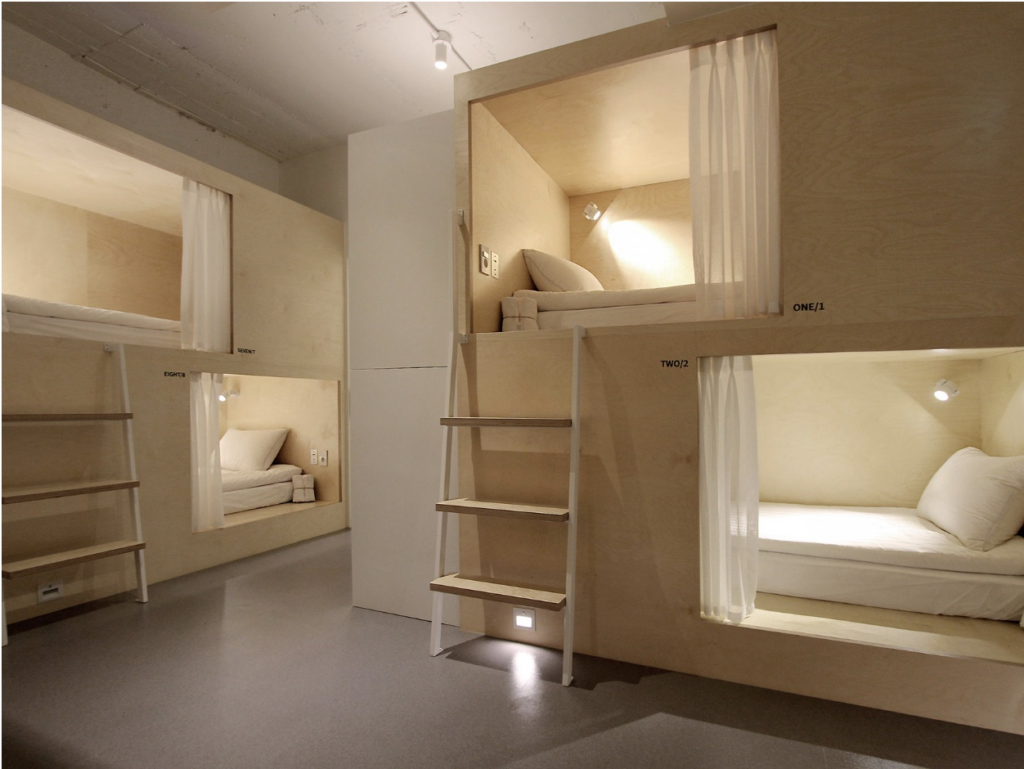
Data from the Korea Tourism Organization indicates that tourism infrastructure in these hubs is highly developed for international arrivals. Conversely, avoiding secluded alleyways or peripheral neighborhoods far from subway stations is a standard safety protocol. For female travelers seeking an added layer of security and community, female-only hostels offer a viable alternative. These establishments often feature enhanced security measures and provide a curated environment for meeting fellow travelers, which can be particularly beneficial for those experiencing their first solo trip abroad.
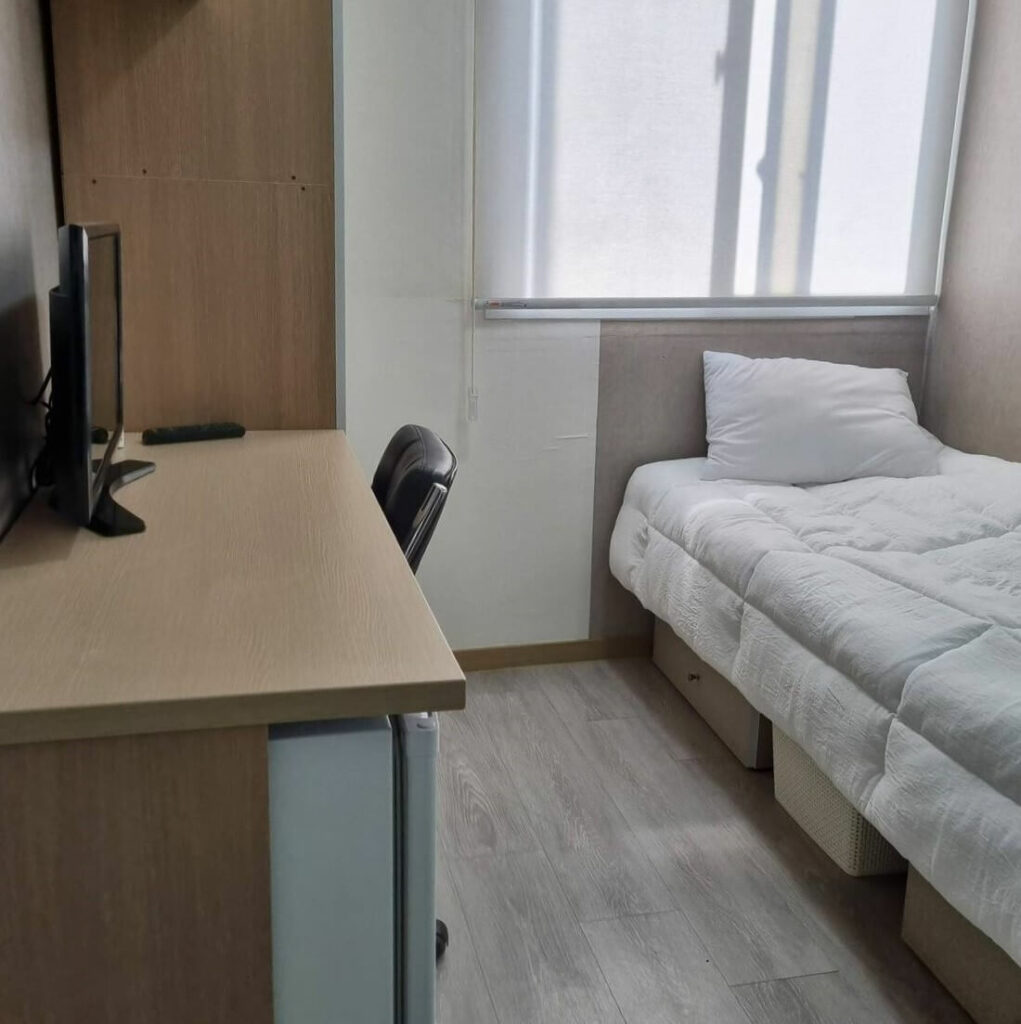
For the budget-conscious traveler, the goshiwon represents a unique facet of Korean urban living. Originally designed as quiet, compact study rooms for students preparing for civil service examinations, these facilities have evolved into a budget accommodation option. While space is limited and bathroom facilities are typically communal, they offer a highly economical and authentic experience of urban living in South Korea.
Cultural Immersion Through Traditional Lodging
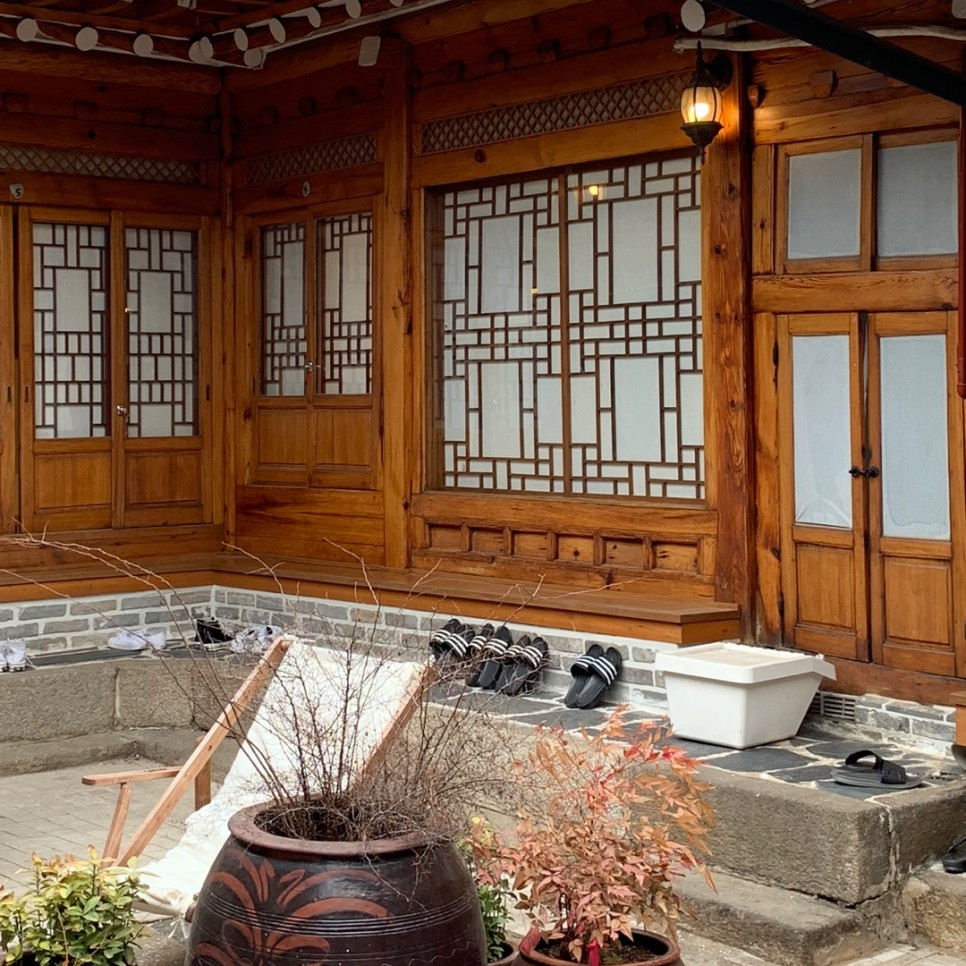
For travelers seeking a deeper connection to Korean history, staying in a hanok (traditional Korean house) provides an immersive experience. While many traditional structures have been modernized to include climate control and private sanitation, they retain the architectural aesthetic of the Joseon Dynasty. These guest houses often foster a communal atmosphere, facilitating interactions between solo travelers and cultural enthusiasts. The preservation of these sites is supported by local government initiatives, ensuring that visitors can experience traditional heating systems (ondol) without sacrificing modern comfort.

Technological Integration and Logistics
Navigating South Korea without a grasp of the Korean language is made significantly easier through the use of the Naver Papago application. Unlike generic translators, Papago utilizes a sophisticated neural machine translation engine optimized for the nuances of the Korean language. Its image translation feature is particularly invaluable for deciphering menus or signage in real-time, effectively dismantling the primary barrier to entry for solo travelers.
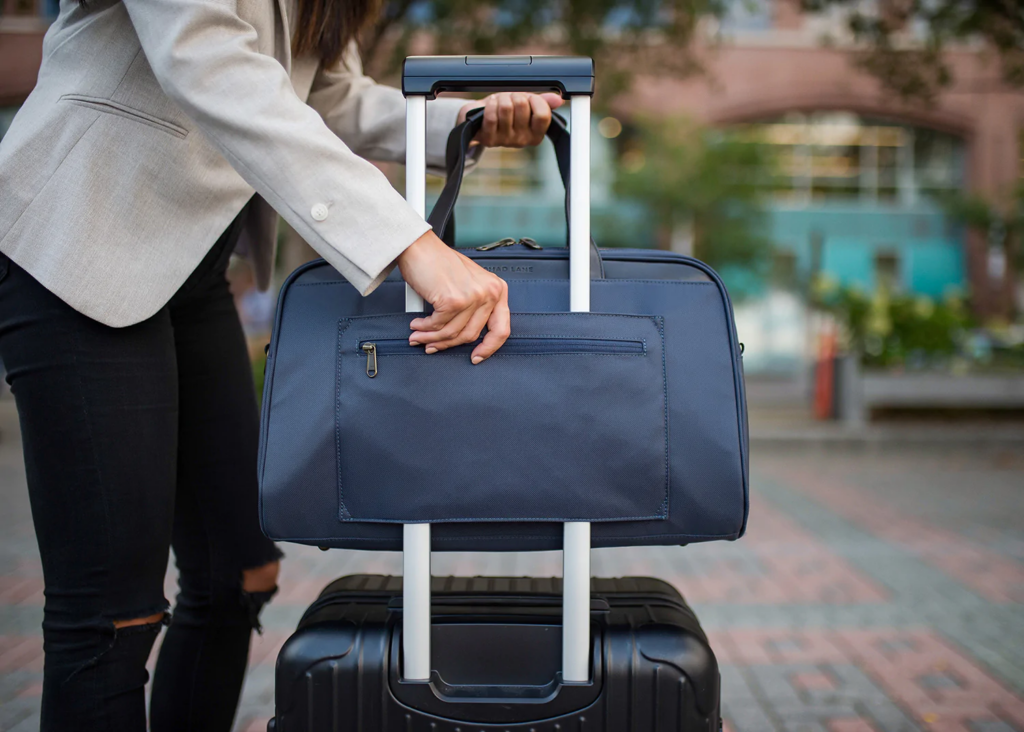
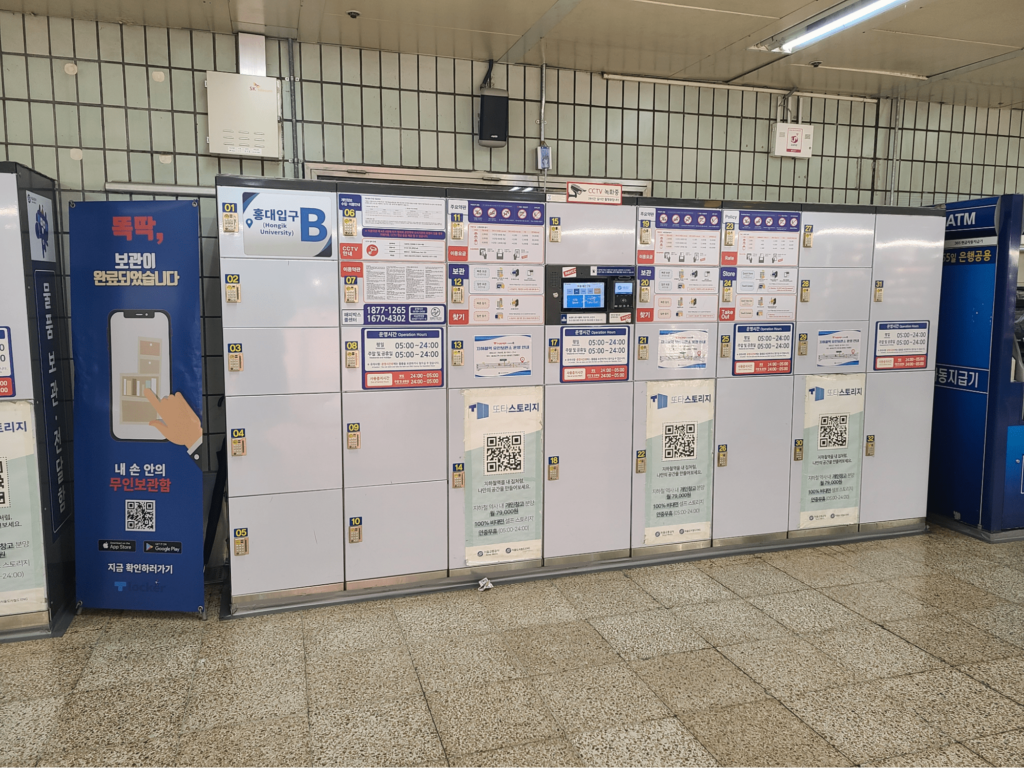
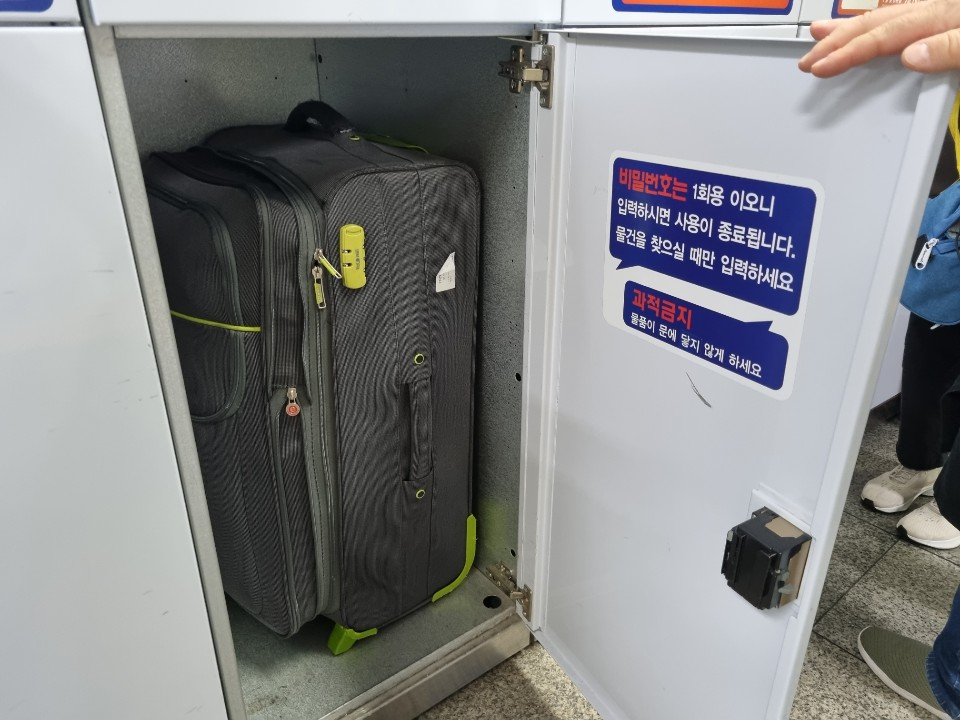
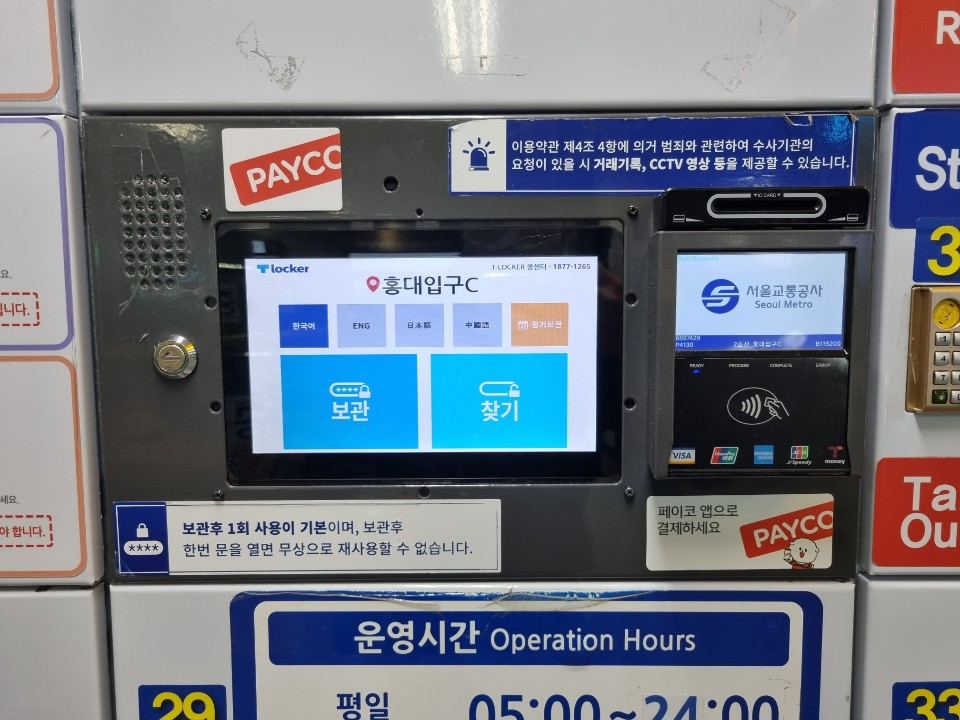
Logistically, the reliance on public transportation is both a cost-saving measure and a practical necessity. The South Korean transit system, governed by the Korea Transport Institute, is renowned for its punctuality and integration. The T-money card remains the universal key to this system, allowing for seamless transfers between buses and subways. It is also a critical tool for utilizing public storage lockers, which are ubiquitous at major transit hubs. These lockers, which often accept T-money or credit card payments, provide a secure, low-cost solution for managing luggage or shopping bags, with prices often starting as low as KRW 2,000 for a four-hour window.
Managing Emergencies and Lost Property
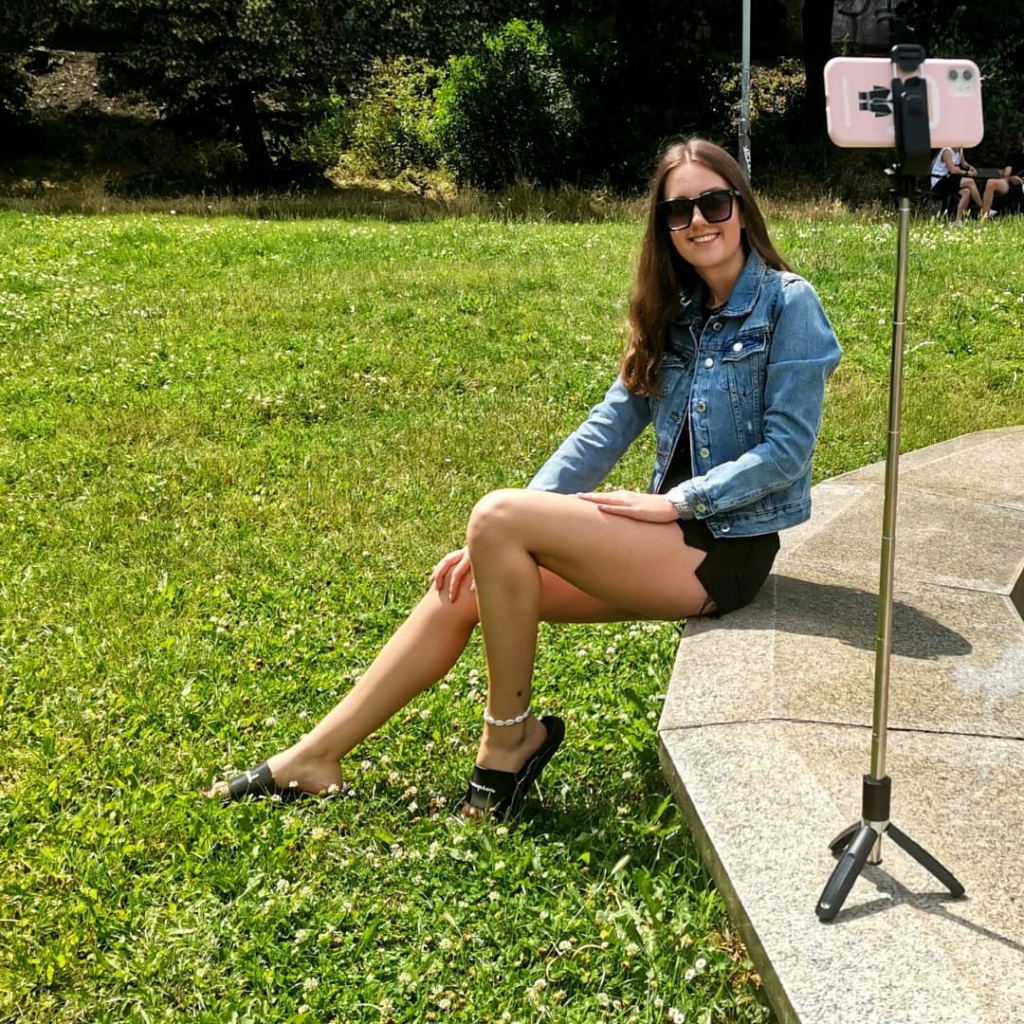
Losing personal belongings is a significant concern for any traveler. In South Korea, the centralized "Lost112" system, managed by the National Police Agency, offers a unified digital database for reporting and recovering lost items. The portal provides multilingual support, including English, to assist foreigners. This system represents a broader government commitment to public safety, allowing travelers to track the status of their belongings through local police stations.
Navigating Intercity Travel and Connectivity
When traversing the country, intercity buses are a preferred mode of transport for their efficiency and frequent rest stops. These stops, often spaced halfway through long journeys, provide essential breaks for travelers. It is standard practice to note the bus plate number, as regional terminals can be crowded with identical vehicles, potentially leading to confusion for the unobservant.
Regarding telecommunications, while Wi-Fi eggs are popular, the convenience of a local SIM card cannot be overstated. A local phone number is often required for identity verification on delivery apps and service reservations, making a SIM card a more versatile tool for the independent traveler.
Culinary Experiences for the Solo Diner
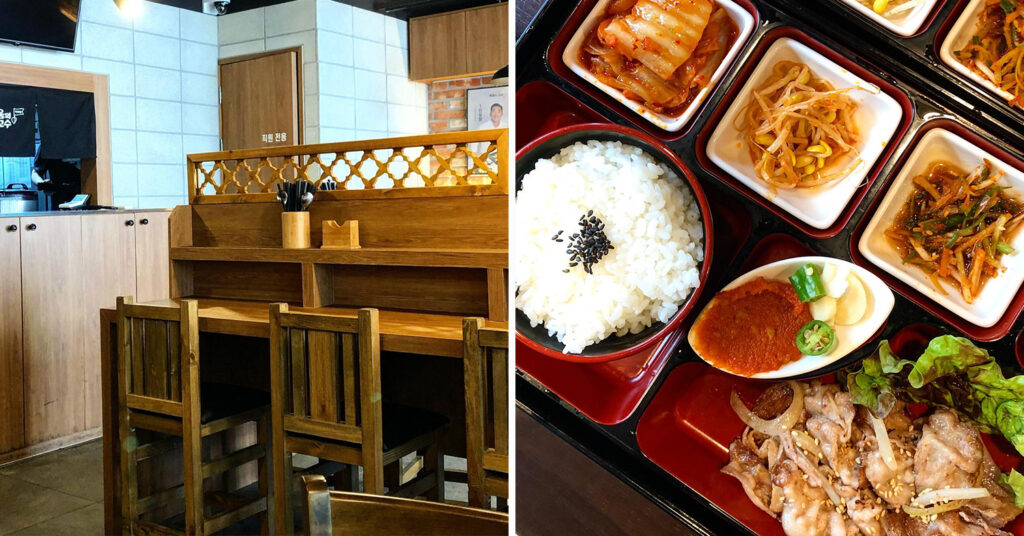
The perception that Korean dining is exclusively a communal activity is a common misconception that has been addressed by a shift in local dining culture. The rise of "hon-bap" (the culture of eating alone) has led to an increase in restaurants specifically catering to individual diners.
- Fast Food and Convenience Stores: International and local chains, such as Mom’s Touch and No Brand Burger, have standardized self-ordering kiosks with English interfaces, providing a low-stress environment for solo diners. Convenience stores, which are ubiquitous in every neighborhood, provide high-quality pre-packaged meals and instant noodles that serve as the backbone of the late-night dining scene.
- Traditional Eateries (Bunsik Sikdang): Places like the Kimbap Heaven franchise offer a variety of inexpensive, quick meals including kimbap, tteokbokki, and ramyeon. These venues are accustomed to solo customers and offer a high-speed dining experience.
- Specialized Solo-Diner Establishments: Many urban restaurants now feature counter seating or private capsules designed to minimize social pressure, allowing diners to enjoy high-quality meals like samgyeopsal (pork belly) without the typical two-person minimum requirement.
- Traditional Markets: Destinations such as Gwangjang Market offer a sensory-rich environment where individual portions of local delicacies are the norm. This allows solo travelers to sample a diverse range of foods, from bindaetteok (mung bean pancakes) to fresh sannakji (live octopus), in a bustling, social setting that is inherently inclusive of solitary visitors.
Broader Implications of Solo Tourism
The increase in solo travel to South Korea is indicative of a broader global trend toward independent exploration, supported by robust digital infrastructure and a high level of public safety. This influx of individual visitors has forced a re-evaluation of hospitality standards, leading to more inclusive dining policies and better-integrated digital services.
For the modern traveler, South Korea offers a unique synthesis of hyper-modern efficiency and deep-rooted tradition. By leveraging local apps for navigation, utilizing the integrated transit network, and embracing the evolving "hon-bap" culture, the solo traveler can experience the depth of the Korean peninsula with confidence. As the tourism sector continues to adapt to the needs of independent explorers, the barriers to entry will likely continue to diminish, further cementing South Korea’s reputation as a premier destination for those seeking to traverse the world on their own terms.

This guide serves as a preliminary roadmap; travelers are encouraged to stay updated with local regulations and leverage the official portals of the Korea Tourism Organization for real-time information regarding events and regional travel alerts. With proper planning and an openness to local customs, a solo trip to South Korea is not merely a vacation, but an opportunity for profound personal discovery and cultural enrichment.
