

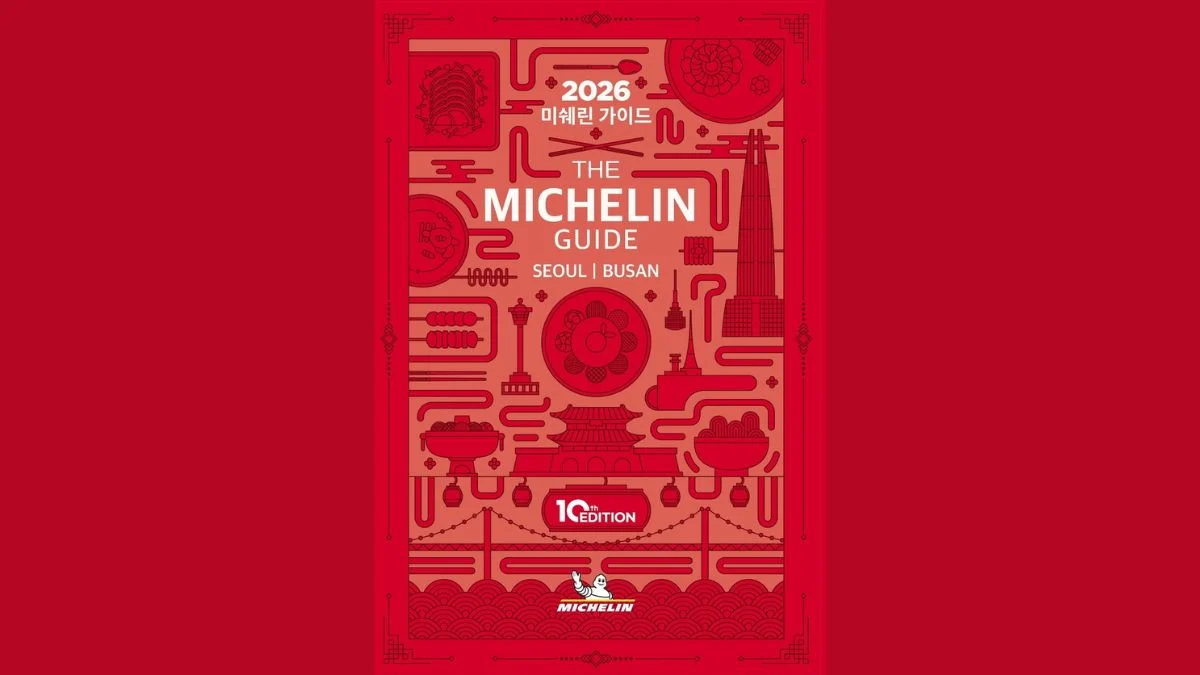
South Korea’s culinary landscape reached a historic milestone on March 5, 2026, as the Michelin Guide unveiled its landmark 10th-anniversary edition for the country. Celebrating a decade of gastronomic evolution, the 2026 guide showcases a record-breaking 233 dining establishments across Seoul and Busan. Among them, 46 restaurants earned coveted Michelin stars, representing the highest number of starred properties since the guide’s inaugural South Korean edition in 2017.
The anniversary edition underscores a definitive shift in the global culinary hierarchy. What began a decade ago as an international evaluation of whether Korean fine dining could meet Western benchmarks has transformed into a movement where domestic chefs actively shape global culinary standards. The announcement has energized industry stakeholders, investors, and tourism officials alike, reinforcing the strategic role of gastronomy in driving high-value international travel to the Korean Peninsula.
Chronology of the Michelin Guide in South Korea: A Decade of Growth
The journey of the Michelin Guide in South Korea reflects the rapid modernization and internationalization of the country’s food and beverage sector.
In 2017, Michelin introduced its first-ever Seoul guide, listing a modest number of starred restaurants. At the time, the publication was viewed primarily through the lens of validation by a legacy European institution. Over the next several years, the guide expanded its methodology, incorporating contemporary Korean fine dining, modern interpretations of temple food, and sophisticated updates to traditional royal cuisine.
By 2024, the footprint of the guide expanded beyond the capital to include the port city of Busan, recognizing the distinct maritime culinary traditions of South Korea’s second-largest metropolis. This dual-city approach created a more comprehensive national showcase.
The 2026 edition—the 10-year benchmark—represents the culmination of this decade-long expansion. Featuring 46 starred establishments and a broader emphasis on sustainability through its Green Star designations, the guide illustrates an ecosystem that has achieved both depth and maturity.
Key Winners and Notable Shifts in the 2026 Selection
The 2026 selection process produced several major highlights, headlined by the continued dominance of established culinary leaders and the triumphant return of prominent chefs.
Mingles, spearheaded by Chef Kang Min-goo, successfully defended its Three-Star status for the second consecutive year. Mingles remains the sole restaurant in South Korea to hold the guide’s highest distinction, celebrated globally for its modern, inventive approach to traditional Korean flavors and fermentation techniques.
The ceremony also marked the highly anticipated return of Mosu, led by Chef Ahn Sung-jae. Following its previous relocation phases, Mosu secured Two Stars at its new Yongsan location, validating the enduring appeal and technical precision of Chef Ahn’s vision.
In addition to star ratings, individual excellence was recognized across specialized categories. Chef Chang-uk Kim of Le DORER in Busan was awarded the Young Chef Award, making history as the first Busan-based chef to receive the honor. Meanwhile, Jungin Lee of GiwaKang received the Sommelier Award, reflecting a broader industry trend where beverage pairing and front-of-house service have reached a level of sophistication on par with the kitchen.
Macroeconomic Impact and the "Michelin Halo" Effect
The milestone anniversary arrives against the backdrop of robust economic expansion within South Korea’s food service market. Industry analysts estimate a Compound Annual Growth Rate (CAGR) of 17.8% over the decade, with the sector projected to reach a valuation of $109.3 billion by the end of 2026.
This expansion is deeply intertwined with the "Michelin Halo" effect—a phenomenon where international accolades stimulate high-yield tourism, foreign direct investment, and global media attention. As South Korea targets upwards of 20 million international visitors in 2026, Michelin-starred restaurants serve as critical trust signals for global travelers.
Government and tourism authorities have increasingly leveraged gastronomy as a form of sophisticated soft power. Unlike mass-market tourism segments, culinary travelers typically exhibit higher per-capita spending, longer average lengths of stay, and a propensity to explore regional markets beyond Seoul, such as Busan, Jeonju, and Jeju Island.
Operational Challenges and the Transition to Smart Gastronomy
Despite the celebratory mood surrounding the 10-year benchmark, the South Korean fine-dining sector faces significant structural hurdles as it enters its next decade.
Operational sustainability has emerged as a primary concern for restaurateurs. Rising inflation, volatile supply chains driven by shifting climatic patterns, and escalating labor costs—which now account for an average of 30% of total operating expenses—put considerable pressure on profit margins in high-end kitchens.
Compounding these economic pressures is the challenge of infrastructure modernization. Many top-tier establishments are currently overhauling their reservation and management systems to transition away from domestic-only booking platforms. Adopting globalized, multi-language digital interfaces is essential to accommodate the influx of international food tourists while minimizing reservation fraud and no-show rates.
Furthermore, the pressure to adopt sustainable practices has intensified. The expansion of the Michelin Green Star category—which recognized four recipients in 2026, including Fiotto—underscores a growing consumer and institutional demand for ethical sourcing. Fiotto, noted for utilizing a supply chain where 80% of produce is family-grown, exemplifies the farm-to-table model that industry observers view as vital for future resilience.
Future Outlook: The Next Decade of Korean Cuisine
As South Korea’s culinary scene looks toward 2036, industry stakeholders anticipate a transformation driven by "Smart Gastronomy." The intersection of culinary arts, food technology, and data-driven supply chain management is expected to redefine kitchen operations.
Investors and startup founders are increasingly eyeing food-tech innovations, ranging from AI-optimized inventory forecasting to advanced fermentation laboratories that preserve heritage ingredients while reducing waste. For travelers, these technological integrations promise a more seamless, transparent, and globally accessible dining experience.
The 2026 Michelin Guide Seoul Busan is more than a list of accolades; it is a macroeconomic indicator of South Korea’s cultural and economic clout. By bridging centuries-old culinary traditions with modern global standards, the nation’s top chefs have firmly established South Korea as an indispensable destination on the world culinary map.
