

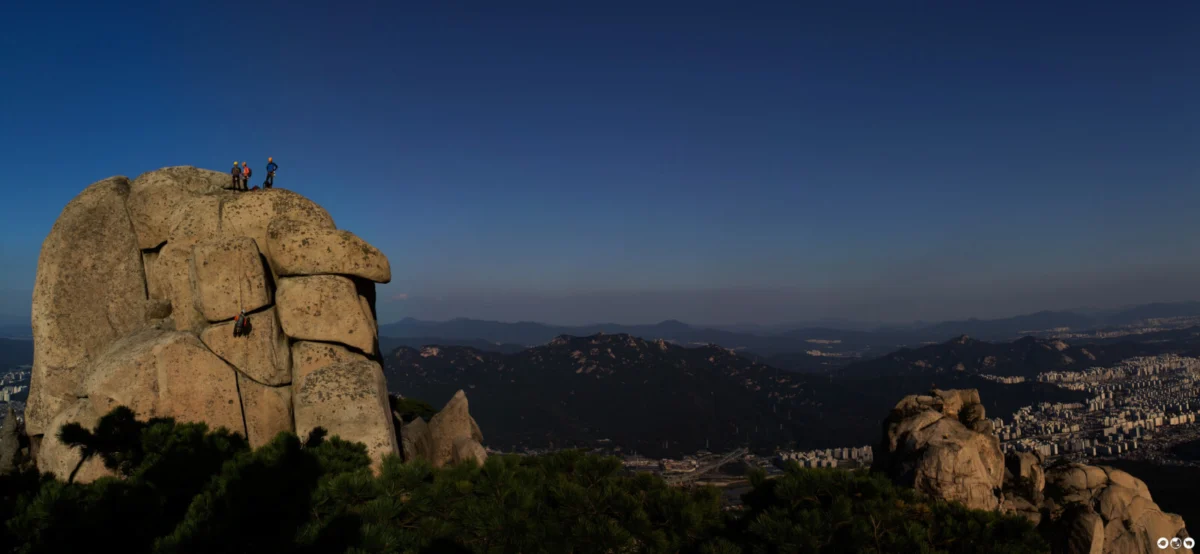
South Korea, a nation often characterized by its rapid urbanization and technological advancement, holds a remarkably well-preserved natural heritage within its 21 designated national parks. Established under the Korea National Park Service (KNPS), which was founded in 1987, these protected areas span a total of 6,700 square kilometers, representing roughly 3.9% of the country’s total land area. The system is categorized into three distinct types: 16 mountainous parks, four marine and coastal parks, and one historic national park. These regions serve as critical ecological sanctuaries, preserving biodiversity while providing infrastructure for the millions of domestic and international hikers who traverse their trails annually.

Historical Context and Evolution of the Park System
The history of South Korea’s national parks began in 1967 with the designation of Jirisan as the first national park. Following the rapid industrialization of the 1960s and 70s, the government identified an urgent need to protect the peninsula’s unique topography from unsustainable development. By the late 1980s, the administration recognized that central oversight was necessary to maintain these ecosystems, leading to the formation of the Korea National Park Service. This transition shifted the management of these lands from local authorities to a centralized body capable of implementing rigorous environmental protection policies, waste management systems, and visitor safety protocols. The most recent addition, Mudeungsan, achieved national park status in 2012, highlighting the government’s ongoing commitment to conservation.
Topographical Diversity and Ecological Significance
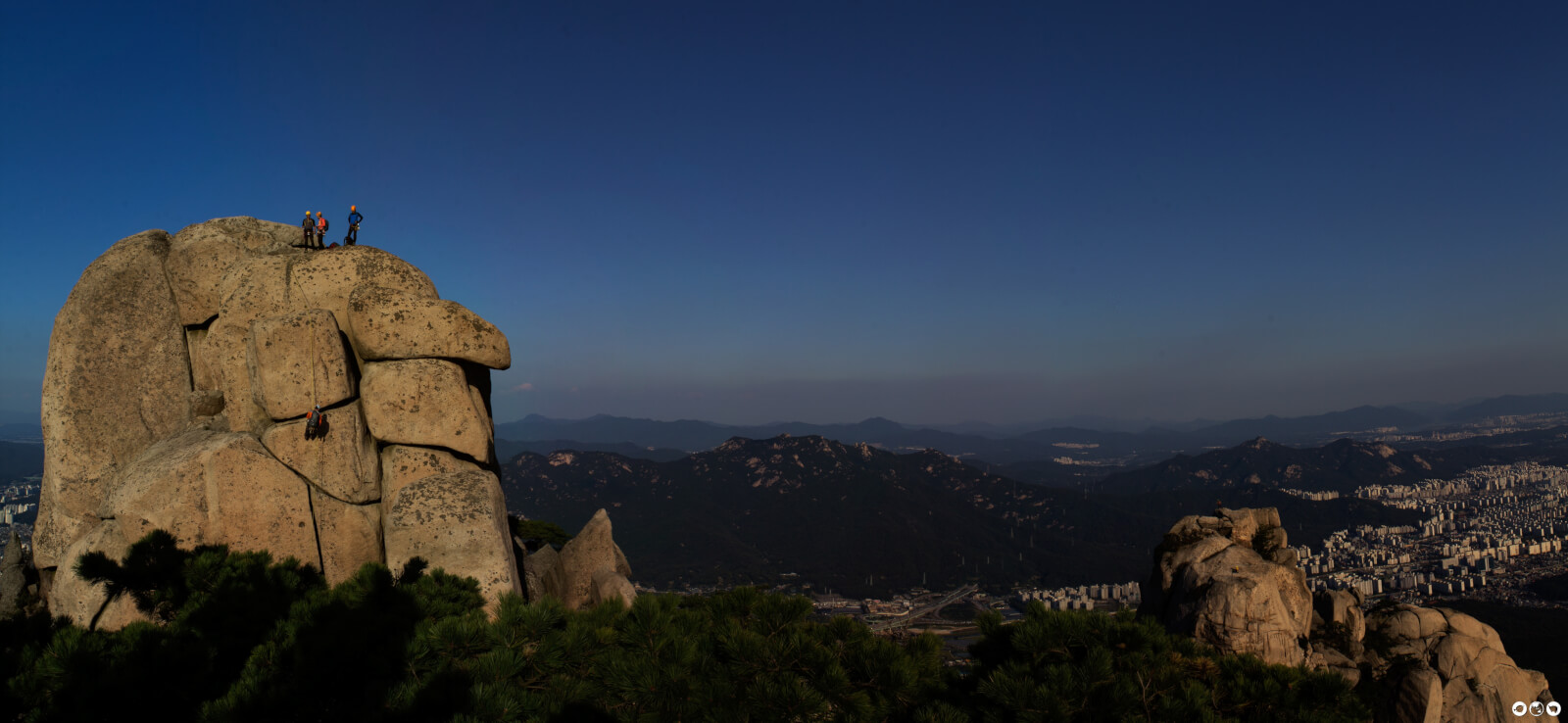
The geography of South Korea is defined by its mountainous interior, with approximately 70% of the landmass consisting of rugged, elevated terrain. This environment has fostered a high degree of biological diversity, including rare alpine plants and endemic wildlife.

The Mountainous Parks: The Backbone of the Peninsula
The mountainous parks, including Seoraksan, Jirisan, and Deogyusan, function as the "backbone" of the country. Seoraksan, located in the Gangwon Province, is perhaps the most iconic, characterized by its jagged granite peaks and diverse forest types. The park is a major research site for climate change, as its high-altitude vegetation is highly sensitive to rising temperatures. Similarly, Jirisan, covering portions of three provinces, acts as a massive carbon sink and a critical habitat for the Asiatic black bear, an endangered species subject to ongoing restoration efforts by the KNPS.

Marine and Coastal Reserves
The marine national parks, such as Dadohaehaesang and Hallyeohaesang, represent a different conservation challenge. Dadohaehaesang, the largest of the 21 parks, protects a vast network of islands and intertidal zones along the southwestern coast. These regions are essential for maintaining the health of the Yellow Sea and the South Sea ecosystems. Data from the Ministry of Oceans and Fisheries indicates that these parks play a vital role in protecting migratory bird routes and spawning grounds for various commercial fish species, which are essential for regional food security and local economies.

Historical and Cultural Integration
Gyeongju National Park is unique within the system as the only park designated specifically for its historical and cultural significance. Unlike the purely wilderness-focused parks, Gyeongju integrates ancient Silla Kingdom relics—including royal burial mounds, temple ruins, and fortress walls—within a natural landscape. This "park-within-a-city" model allows for the preservation of cultural heritage while maintaining green corridors, offering a distinct contrast to the remote, wilderness-heavy parks like Odaesan or Sobaeksan.

Visitor Infrastructure and Economic Impact
The management of 21 national parks requires a delicate balance between public access and environmental preservation. The KNPS has implemented a sophisticated trail management system that includes color-coded difficulty ratings, rigorous trail maintenance, and, in some high-traffic areas, a reservation system to prevent soil erosion and habitat fragmentation.

The economic implications of these parks are significant. Ecotourism serves as a vital revenue stream for local communities situated on the peripheries of the parks. Small mountain towns, such as those near Sokcho (gateway to Seoraksan) or Gwangju (gateway to Mudeungsan), rely heavily on the influx of hikers. Local businesses often feature regional culinary specialties, such as makgeolli (rice wine) and pajeon (savory pancakes), which have become cultural staples associated with the post-hike experience.

Challenges: Climate Change and Overcrowding
Despite their protected status, South Korea’s national parks face mounting threats. Climate change has accelerated the decline of certain alpine species in parks like Hallasan and Seoraksan. As temperatures rise, sub-alpine plants are being pushed higher into smaller, cooler zones, eventually running out of room to migrate.

Furthermore, the proximity of these parks to major urban centers—such as Bukhansan’s integration into the Seoul metropolitan area—creates issues with over-tourism. Bukhansan attracts millions of visitors annually, leading to significant pressure on trail infrastructure and waste management. In response, the KNPS has invested heavily in "smart" park management, utilizing sensor technology to monitor visitor flow and implementing strict "leave-no-trace" education campaigns to mitigate the impact of human presence on delicate granite ecosystems.

Future Outlook and Conservation Strategy
The long-term strategy for the Korean national park system is shifting toward "ecological resilience." This involves not just preserving current states, but actively restoring degraded habitats. For instance, the reintroduction programs for the Asiatic black bear in Jirisan have seen successes that provide a blueprint for other endangered species management.

Additionally, the trend of "temple stays" within parks like Songnisan (home to Beopjusa Temple) and Gayasan (home to Haeinsa Temple) has proven to be an effective method for encouraging mindful tourism. By immersing visitors in the local Buddhist culture, the KNPS fosters a deeper appreciation for the environment, encouraging a shift from high-impact hiking to lower-impact, contemplative nature experiences.

Conclusion
South Korea’s 21 national parks serve as a testament to the country’s ability to reconcile its rapid modern development with the necessity of environmental stewardship. From the volcanic heights of Hallasan on Jeju Island to the tranquil, canyon-carved trails of Juwangsan, these protected areas provide essential services: carbon sequestration, biodiversity conservation, and the preservation of cultural history. As the nation faces the dual pressures of climate change and continued urbanization, the role of these parks will only increase in importance. They are not merely recreational spaces; they are the lungs of the nation and the keepers of its natural identity. For the traveler or the researcher, they represent a complex, living landscape that requires constant vigilance, scientific management, and public respect to ensure they remain for future generations.
