

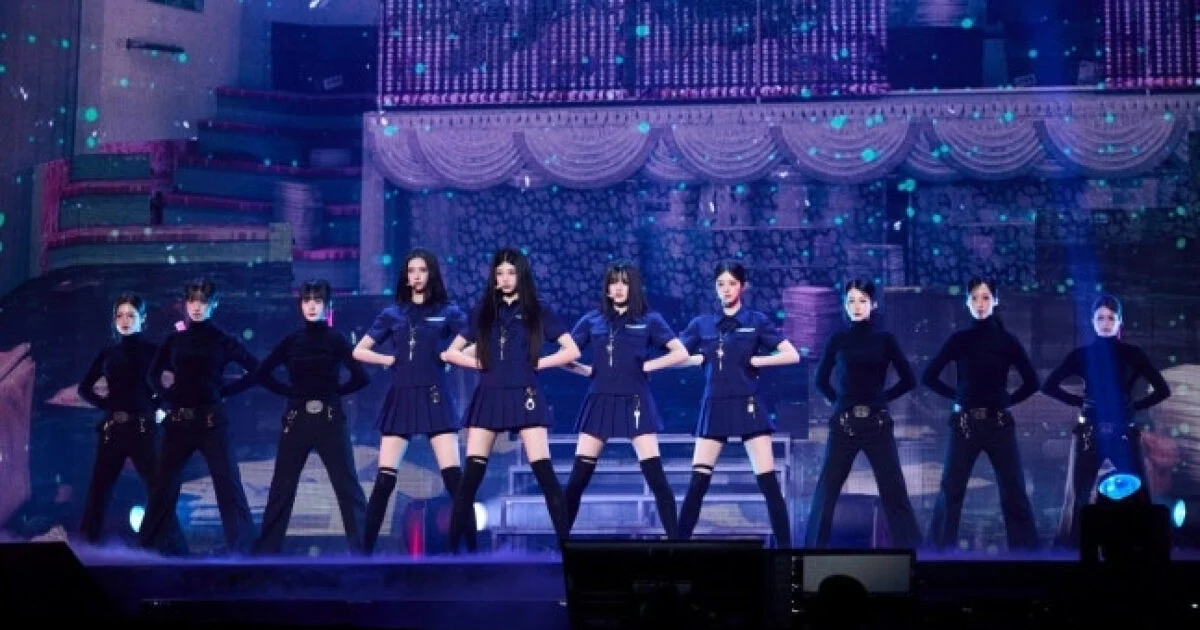
Rising K-pop girl group ILLIT has publicly addressed and clarified the growing controversy surrounding their stage costumes, which recently drew criticism from various public sectors over allegations of sexualizing professional uniforms. The response came during a high-profile media showcase held on the afternoon of October 26 at the prestigious Blue Square Woori WON Banking Hall in Seoul, where the group gathered to promote their highly anticipated fifth mini-album, titled BREAK EVEN.
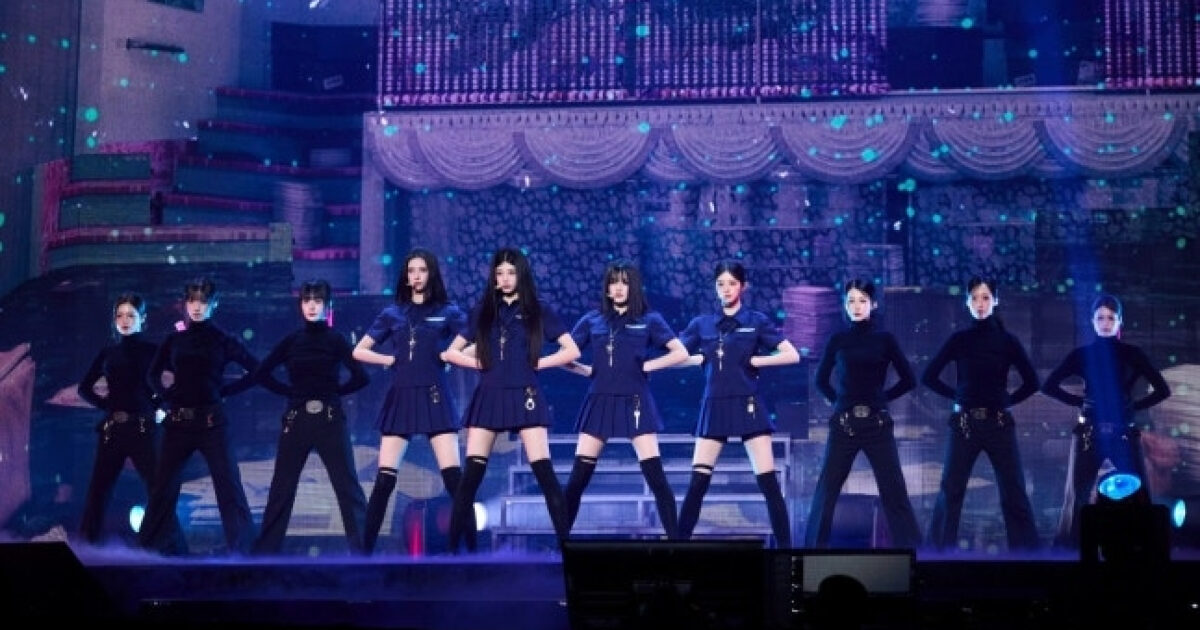
The controversy originated shortly after the group previewed their new lead single, "You’re Under Arrest," during their two-night encore concert event, PRESS START, held at the Incheon Inspire Arena on October 17 and 18. While the high-energy performance and catchy electro-pop production immediately won praise from fans in attendance, promotional images and initial stage broadcasts featuring the group’s outfits—which combined elements of traditional authority uniforms with miniskirts and knee-high socks—sparked swift online debate. Critics argued that the styling crossed ethical lines regarding the portrayal of authority figures, specifically female police officers, leading to widespread discourse across domestic and international online forums regarding the responsibilities of K-pop entertainment agencies in conceptualizing stage apparel.
Chronology of the Comeback and Pre-Release Controversy
The rollout for ILLIT’s fifth mini-album began in early October, accompanied by standard teaser schedules, concept photo drops, and tracklist reveals managed by their agency. The centerpiece of the comeback, "You’re Under Arrest," was designed as an upbeat, high-tempo electro-pop track defined by an infectious hook and a prominent whistle motif intended to maximize audience engagement and dynamic stage presence.
When the group debuted the choreography and styling for the track at the Incheon Inspire Arena on October 17, the visual presentation instantly became a primary talking point. Social media platforms quickly became saturated with contrasting viewpoints. A faction of netizens and civic commentators raised objections to the aesthetic choices, pointing out historical sensitivities surrounding the sexualization of law enforcement and official occupation uniforms within the South Korean entertainment industry. Conversely, devoted fandom supporters defended the group, arguing that the outfits were theatrical interpretations tied to a playful, spy-action narrative rather than direct replicas of official law enforcement attire.
Despite the mounting online scrutiny, BELIFT LAB and the members of ILLIT proceeded with their scheduled promotional timeline, culminating in the official press showcase in Hannam-dong, Seoul, on October 26.
Official Statements and Member Responses
During the media Q&A session at the Blue Square showcase, journalists directly questioned the group regarding the public reaction to their performance attire. Addressing the controversy with measured composure, member Yunah took the lead in responding on behalf of the group.
"We were very happy and surprised by the strong interest after first revealing the stage during our tour," Yunah stated, acknowledging the vast attention the performance generated. "We are grateful for any kind of attention to our performance."
Expanding on the narrative intention behind the styling, Yunah clarified that the visual design of the comeback is rooted in a cinematic framework rather than any real-world occupational commentary. "As you can see in the music video, the ‘You’re Under Arrest’ stage is based on a black agent concept, and we plan to show various styles in the remaining performances," she explained. "We would appreciate your continued interest then."
By framing the outfits within the context of a fictional secret agent narrative, the response sought to pivot public perception away from uniform controversy and back toward the theatrical and artistic elements of the group’s comeback.
Broader Industry Implications and Standards for K-Pop Styling
The debate surrounding ILLIT’s costumes highlights a persistent and delicate balancing act within the contemporary K-pop industry. As fourth- and fifth-generation groups increasingly rely on distinct, high-concept visual identities to capture global market share, agency styling teams frequently draw inspiration from uniforms, professional wear, and institutional aesthetics.

In recent years, South Korean media and public watchdog groups have maintained heightened scrutiny over how female idols are dressed, particularly when utilizing imagery associated with civil service, medical personnel, flight attendants, and law enforcement. Past controversies involving other major K-pop acts have demonstrated that public sensitivity to the sexualization or trivialization of official uniforms can lead to rapid corporate apologies, wardrobe redesigns, and intensified regulatory pressure from broadcasting networks.
For ILLIT—a group that achieved rapid global success following their debut under HYBE subsidiary BELIFT LAB—navigating these cultural sensitivities is crucial to maintaining a broad, mainstream appeal. Industry analysts note that while provocative or distinct concepts are effective tools for generating initial buzz and differentiation in a crowded market, agencies must carefully calibrate the execution to avoid alienating mainstream demographics or drawing institutional backlash.
Looking Ahead: Future Promotions for BREAK EVEN
With the media showcase successfully concluded, ILLIT is set to embark on full-scale music broadcast promotions for BREAK EVEN and its title track, "You’re Under Arrest." As Yunah indicated during the press conference, fans and industry observers can expect a dynamic rotation of stage wardrobes throughout the upcoming promotional cycle.
The group’s ability to successfully shift the narrative from costume controversy back to their musical output will largely depend on the reception of these upcoming stages. As ILLIT continues to promote their fifth mini-album across various domestic music programs and international platforms, the overarching focus remains on their musical growth, performance capabilities, and how the agency adapts its visual direction in response to public feedback.
