

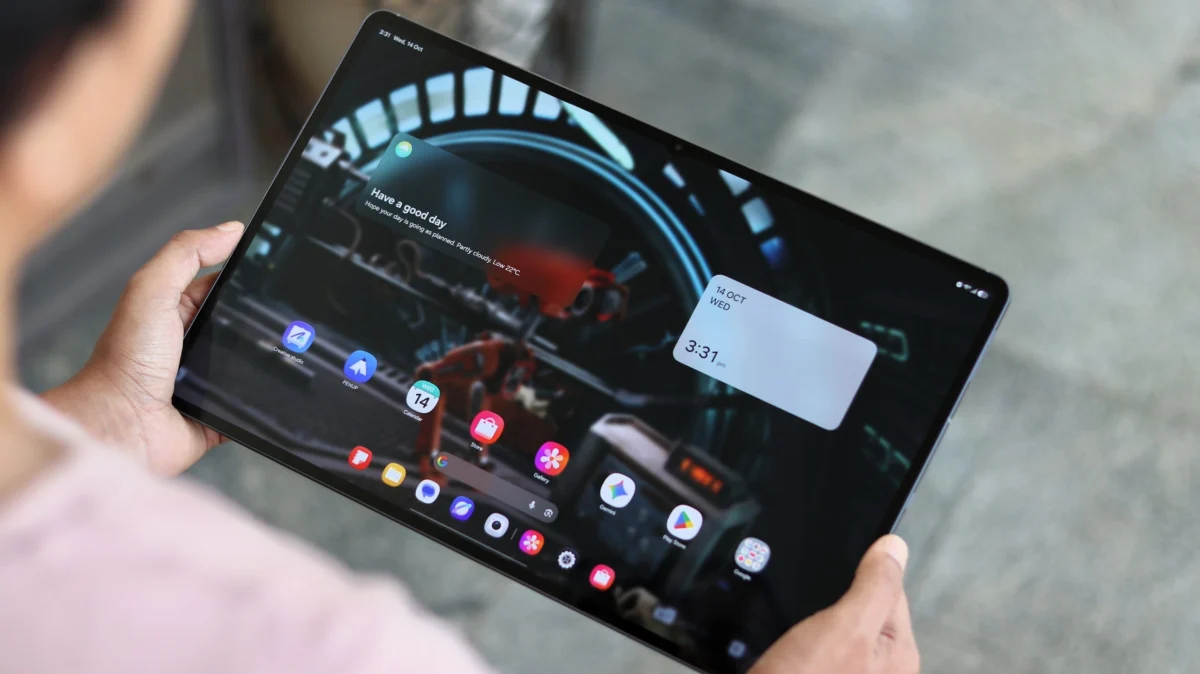
A New Standard for the iPad Mini
The latest iteration of the iPad mini arrives with an IP67 rating under the IEC standard 60529. This certification confirms that the device can withstand submersion in fresh water at depths of up to one meter for a duration of up to 30 minutes, alongside protection against dust ingress. While this represents a monumental leap for the iPad ecosystem, it is a feature that Samsung Galaxy tablet users have enjoyed since the launch of the Galaxy Tab S9 series in 2023.
The inclusion of an IP rating fundamentally changes the value proposition of the iPad mini. Historically, tablets were viewed as indoor-centric devices, largely due to their vulnerability to environmental factors such as moisture, spills, and dust. By incorporating this durability, Apple is positioning the new iPad mini as a more versatile tool capable of surviving the unpredictable nature of daily life, whether in a classroom, a professional kitchen, or during outdoor transit.
Chronology of Competitive Durability
The disparity in hardware philosophy between Samsung and Apple regarding tablet durability has been a point of interest for industry analysts for nearly three years. Samsung initiated a concerted effort to ruggedize its flagship tablet offerings in 2023. When the Galaxy Tab S9 launched, it arrived with an IP68 rating, which denotes a higher level of protection than the IP67 standard currently adopted by the new iPad mini.
The IP68 rating found on the Galaxy Tab S9, S10, and S12 series indicates that these devices are not only protected against submersion at depths greater than one meter but are also subjected to more rigorous testing protocols regarding high-pressure water jets and prolonged exposure. Samsung’s decision to standardize these ratings across its high-end tablets was a calculated move to capture users who demand resilience in professional and field environments.
Apple’s path has been more gradual. While the iPhone has featured significant water resistance since the iPhone 7, the iPad lineup remained notably absent of such protections. Industry insiders suggest that the technical challenges of sealing a larger chassis—specifically one that requires complex heat dissipation for powerful chipsets—delayed the implementation of IP ratings in Apple’s tablet portfolio. With this update to the iPad mini, Apple has finally overcome these engineering hurdles, albeit with a rating that remains slightly lower than the industry benchmark set by the Galaxy Tab S series.
Technical Specifications and Market Positioning
The transition to an AMOLED display for the iPad mini is arguably as significant as the inclusion of water resistance. By moving away from traditional LCD technology, Apple is providing users with deeper blacks, improved contrast ratios, and higher energy efficiency. This move places the iPad mini in direct competition with the premium Samsung Galaxy Tab S12 series, which has long utilized Dynamic AMOLED 2X technology to dominate the tablet display market.
However, the hardware race is not limited to screen technology or water resistance. It involves a holistic approach to ecosystem integration. Samsung has historically leveraged the integration of the S Pen with its IP-rated screens, allowing users to take notes or draw even in damp conditions. Apple’s challenge will be to ensure that the user experience on the iPad mini remains seamless, even with the added structural requirements of sealing the device.
Implications for the Tablet Industry
The entry of Apple into the "water-resistant tablet" market is likely to force a industry-wide standard shift. When Apple adopts a feature, it often becomes an expected baseline for consumers. Manufacturers in the mid-range and budget segments will now face increased pressure to justify why their devices lack similar protections.
For Samsung, this development serves as validation of their long-term strategy. The company has spent years cultivating the idea that a premium tablet should be an all-terrain device. With Apple now following suit, the competitive landscape has narrowed. The focus will likely shift toward who can offer better long-term durability and repairability. While Apple’s IP67 rating is a milestone, the company’s silence on whether this feature will expand to the iPad Air or the iPad Pro lines leaves a significant gap in their portfolio. If Apple intends to compete for the professional creative market, extending IP ratings to larger form factors will be the logical next step.
Analysis of Engineering Challenges
Implementing an IP67 rating in a tablet is significantly more complex than in a smartphone. Tablets possess larger surface areas, which increases the likelihood of chassis flex and potential seal failure. Furthermore, the integration of ports—such as the USB-C connector—requires advanced internal gasketing that must remain effective over the lifespan of the device, despite thousands of cable insertions.
Samsung’s success in this area, spanning multiple generations of tablets, suggests that they have mastered the internal architecture necessary to balance thermal management with water-tight sealing. Apple’s implementation will undergo intense scrutiny from independent repair technicians and durability testers. If the iPad mini proves resilient, it will likely accelerate the adoption of similar technologies across the entire Apple ecosystem.
Broader Market Context
The tablet market has seen a stagnation in growth over the last 24 months, as consumers hold onto their devices for longer periods. By introducing tangible, "quality-of-life" hardware improvements like water and dust resistance, companies like Apple and Samsung are attempting to incentivize upgrades. A tablet that can survive a spill in a coffee shop or a rainy commute is objectively more valuable to the average consumer than a tablet that is purely focused on marginal processing power gains.
The move by Apple also signals an acknowledgment that the "Pro" use case for tablets is changing. Professionals are increasingly working in diverse environments, from construction sites and medical facilities to creative studios and outdoor filming locations. Durability is no longer a niche requirement for ruggedized industrial tablets; it is a standard expectation for premium consumer electronics.
Future Outlook
As Apple and Samsung continue to mirror each other’s hardware advancements, the differentiation between these two tech giants will likely shift toward software ecosystem lock-in, AI integration, and the fluidity of cross-device workflows. Samsung continues to iterate on its One UI interface, emphasizing multitasking and desktop-like functionality via Samsung DeX. Apple, conversely, is focusing on the integration of its proprietary silicon with iPadOS to maintain a lead in application optimization.
With the new iPad mini, the playing field has leveled in one crucial aspect: environmental resilience. While Samsung currently holds the lead in the depth and breadth of its IP-rated tablet lineup, the entry of the iPad mini into this space marks a new chapter in the tablet wars. Consumers now have more options than ever for high-performance, durable computing, and the next few years will likely see the remaining tablet manufacturers scrambling to match these new industry standards. As the technology matures, we can expect IP ratings to move from a "premium" feature to a standard expectation, much like the transition that occurred in the smartphone industry a decade ago. For the time being, the competition between the Galaxy Tab and the iPad remains as intense as ever, with both companies pushing the boundaries of what a handheld device can endure.
