

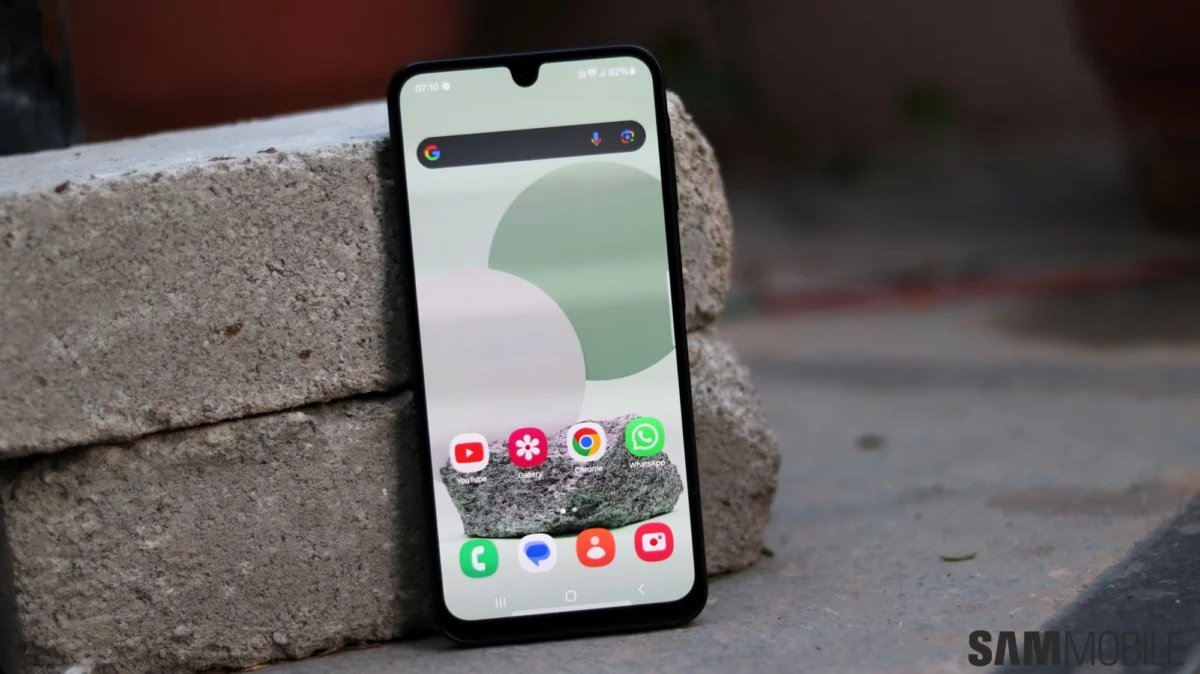
The rapid expansion of Samsung’s software support ecosystem has reached a significant milestone this week as the company officially initiated the rollout of One UI 9.0, built upon the foundation of Android 17, to the Galaxy A17 4G LTE variant. This deployment comes just days after the 5G-enabled model of the same device received the highly anticipated firmware update, signaling a streamlined deployment strategy that prioritizes feature parity across different connectivity tiers within the budget-conscious Galaxy A series.
Chronology of the One UI 9.0 Rollout
The software deployment process for the Galaxy A17 series has been marked by a swift succession of releases. Samsung’s commitment to providing timely updates—a hallmark of its recent software strategy—was on full display throughout October 2026. The initial phase of the rollout commenced earlier in the week, targeting the Galaxy A17 5G, which serves as a benchmark for the series’ mid-range performance capabilities. By October 23, 2026, reports confirmed that the 4G/LTE variant had begun receiving the identical software package, confirming that Samsung’s internal development teams have successfully managed the transition for both hardware configurations simultaneously.
This timeline is part of a broader, aggressive update schedule that Samsung has maintained since the global release of Android 17. Historically, budget-tier devices often faced significant delays when compared to their flagship S-series counterparts. However, the current strategy suggests that Samsung is utilizing a modular development framework, allowing for faster adaptation of the One UI interface across devices with varying processor architectures and modem configurations.
Technical Context and Features of One UI 9.0
One UI 9.0 represents a significant iteration in Samsung’s software philosophy, focusing heavily on the integration of artificial intelligence (AI) and system-level optimization. For the Galaxy A17 series, this update brings a variety of refinements aimed at enhancing the user experience on hardware that, while capable, operates within tighter performance envelopes than the flagship models.
Key improvements in this build include:
- System Resource Management: Enhanced background process handling, which is designed to reduce the memory footprint of the operating system, thereby improving performance on the LTE variant.
- Enhanced AI Integration: While the full suite of "Galaxy AI" features remains reserved for premium devices, the A17 series benefits from optimized machine learning algorithms that manage battery consumption and predictive text inputs.
- Security and Privacy: The update includes the latest security patches, reflecting Samsung’s commitment to maintaining a robust defensive posture against evolving digital threats.
- User Interface Refinements: Minor adjustments to the notification shade, quick settings menu, and visual animations provide a more cohesive look that aligns with the broader Samsung ecosystem.
Supporting Data and Market Context
The Galaxy A17 series, particularly the 4G LTE model, occupies a critical segment of the global smartphone market. As a high-volume device, it is a primary driver of Samsung’s market share in developing economies and price-sensitive regions. The decision to prioritize this update for the A17 reflects a shift in corporate strategy, acknowledging that the "average" user is increasingly demanding long-term software support regardless of the device’s entry-level price point.
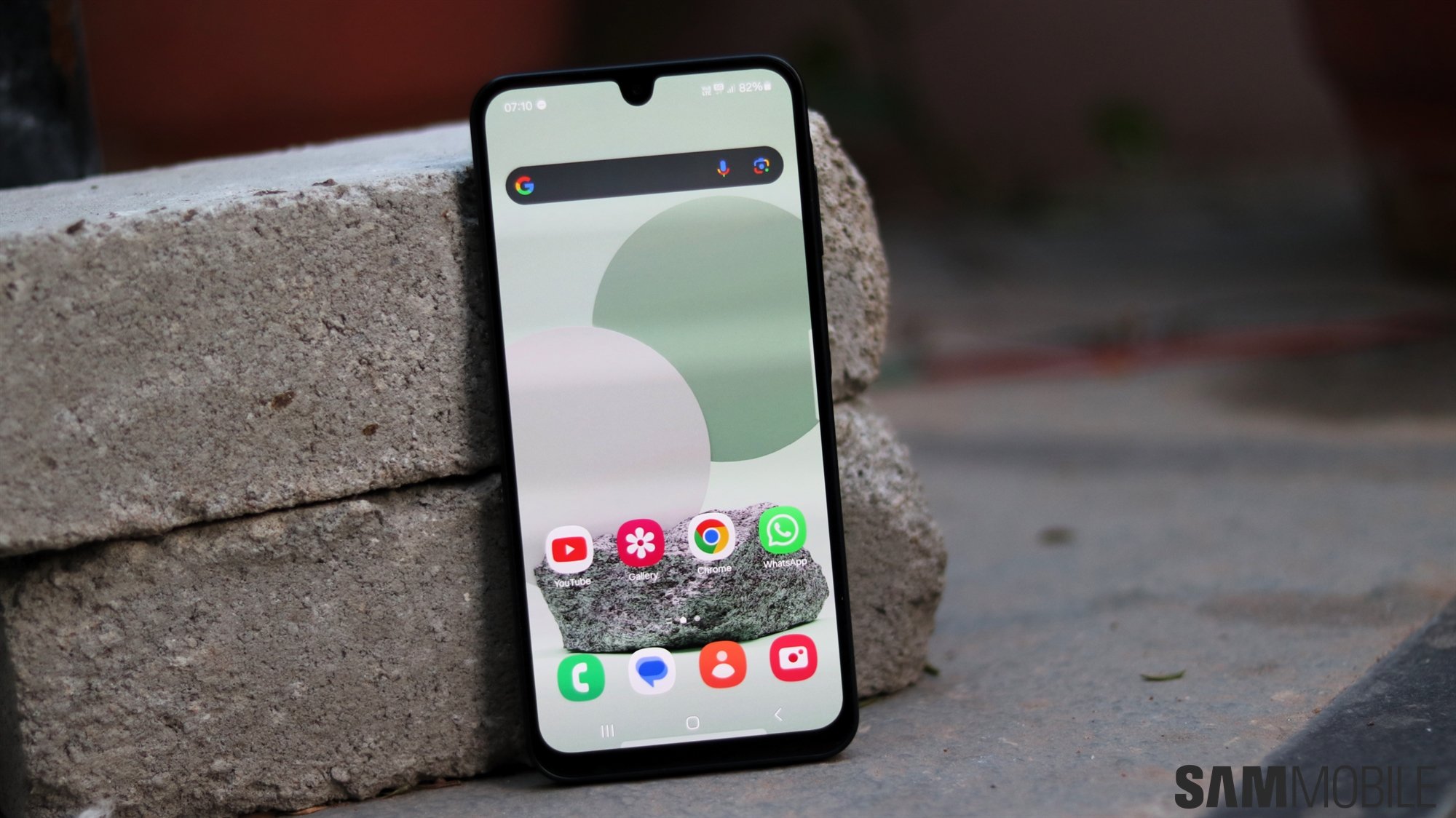
According to industry analysts, Samsung’s ability to sustain four to five years of major Android version updates for its mid-range catalog has been a deciding factor for consumers. When compared to competitors in the sub-$300 segment, Samsung’s update velocity—exemplified by the near-simultaneous release for the A17 4G and 5G models—creates a distinct competitive advantage. The reduction in the "update gap" between connectivity variants is an indicator of improved supply chain and software engineering efficiencies within the company’s mobile division.
Official Responses and Industry Outlook
While Samsung has not released a specific, individual press statement regarding the Galaxy A17’s transition to Android 17, the company’s broader software policy remains clear. A spokesperson for Samsung’s software division recently emphasized in a developer-focused briefing that "the goal is to ensure that the security and performance benefits of the latest Android version are not gatekept behind premium hardware." This sentiment aligns with the company’s internal goal of democratizing high-end features through software rather than just hardware specifications.
Industry experts observe that this move is indicative of a wider trend: the "commoditization of software support." As hardware innovation slows, the value proposition of a smartphone is increasingly defined by the longevity and reliability of its operating system. By updating the Galaxy A17 4G LTE, Samsung is effectively reducing the rate of device obsolescence, a move that is likely to be viewed favorably by environmental, social, and governance (ESG) focused investors who advocate for reduced electronic waste.
Broader Implications of the Android 17 Transition
The transition to Android 17 on the Galaxy A17 4G LTE carries several implications for both the end-user and the broader mobile industry:
- Retention and Lifecycle Extension: By receiving a major Android version update, the effective lifecycle of the A17 is extended. Users are less likely to seek a device replacement if their existing handset remains current with the latest apps and API standards.
- Developer Ecosystem Alignment: As Google shifts its API requirements for the Play Store, ensuring that budget devices run the latest version of Android is essential for maintaining app compatibility. This update ensures that A17 users retain access to the latest versions of productivity and communication applications.
- Benchmarking the Mid-Range: The speed of this update sets a new industry benchmark. Competitors who utilize a fragmented software deployment model may find it increasingly difficult to compete with Samsung’s streamlined delivery system, which utilizes a centralized One UI codebase.
- Security Standardization: The integration of the latest security protocols across the A17 line reduces the surface area for potential exploits. For a device used by millions, this contributes to a safer mobile ecosystem at scale.
How to Access the Update
For users of the Galaxy A17 4G LTE, the update is being delivered via an Over-the-Air (OTA) mechanism. Users can verify the availability of the firmware by navigating to the "Settings" application, selecting "Software Update," and tapping "Download and Install." Given the size of a major Android version upgrade, it is recommended that users initiate the download while connected to a stable Wi-Fi network and ensure that the device has at least 50% battery charge or is connected to a power source.
The deployment process is being managed on a regional basis. While the update has begun its rollout, it may take several days or even weeks for the firmware to reach every geographic territory. Samsung’s regional servers typically stagger releases to monitor for stability, ensuring that any unforeseen bugs are addressed before the update reaches a wider user base.
Concluding Analysis
The arrival of One UI 9.0 on the Galaxy A17 4G LTE is a testament to the maturation of Samsung’s software division. What was once a logistical hurdle—managing updates for dozens of variants—has become a well-oiled process that serves to solidify brand loyalty. For the consumer, the outcome is clear: the divide between flagship-level support and mid-range accessibility is rapidly closing. As we move into late 2026, the Galaxy A17 stands as a case study for how manufacturers can balance affordable hardware with the high-level software support that modern digital life requires. Whether this trend continues into the next hardware cycle remains to be seen, but for now, the Galaxy A17 series remains a primary beneficiary of Samsung’s commitment to sustained innovation.
