

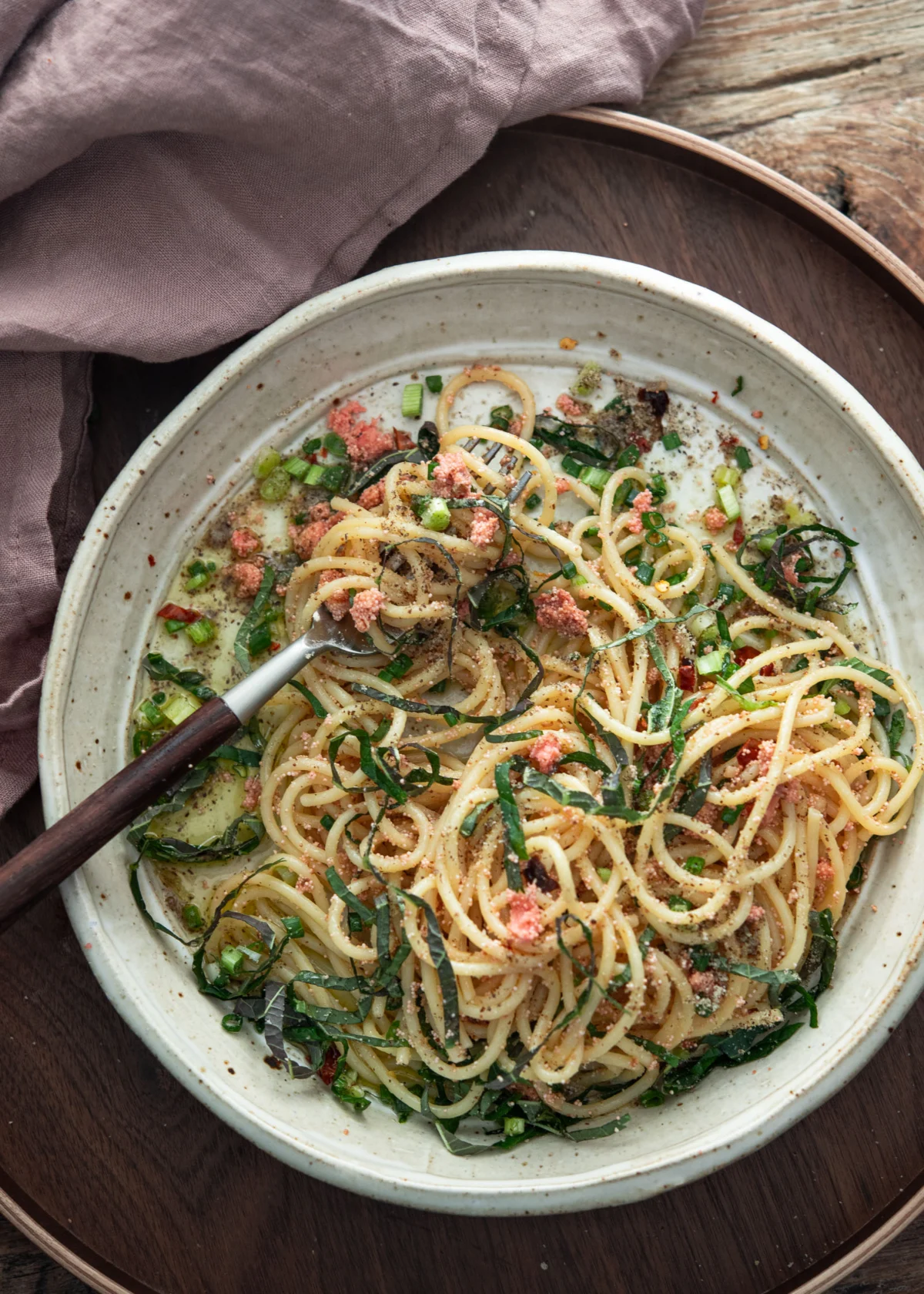
The emergence of Korean-style mentaiko pasta, locally known as myeongran pasta, represents a significant shift in the contemporary culinary landscape of Seoul, particularly within the trendy Seongsu district. While traditional Japanese mentaiko pasta typically relies on a heavy cream or mayonnaise base to mellow the intensity of the cured pollock roe, the Korean iteration has diverged toward a lighter, oil-based preparation that emphasizes the raw, saline characteristics of the roe. This evolution highlights a broader trend in Korean fusion cuisine: the adaptation of global pasta techniques to suit local palates that favor umami-rich, clean, and herbaceous flavor profiles.
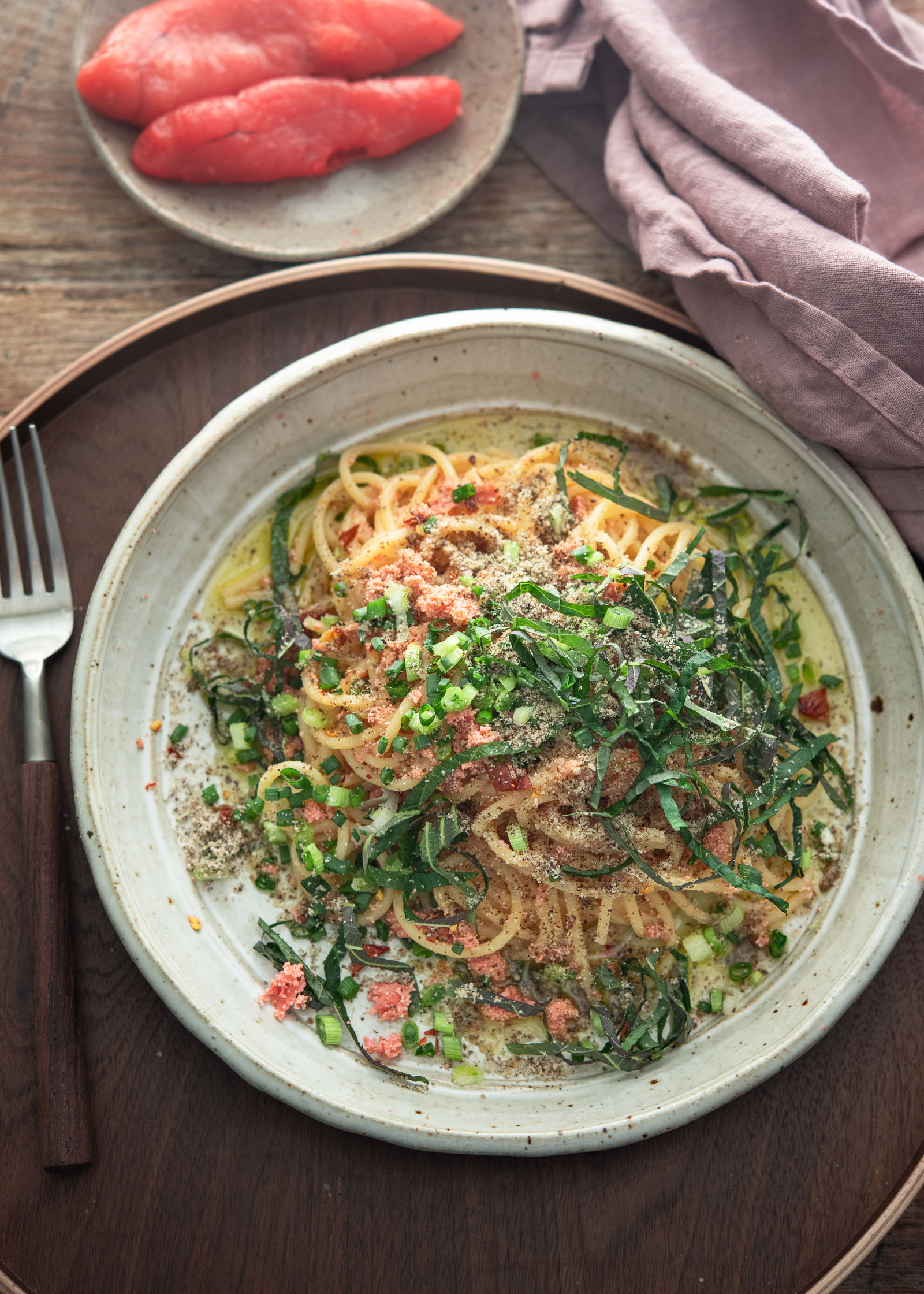
The dish centers on myeongran-jeot, a Korean staple consisting of salted and fermented pollock roe. Unlike the Japanese counterpart, which is often seasoned with chili, dashi, or mirin to create a more uniform paste, Korean myeongran retains a distinct texture and a more robust, saline profile. When integrated into a pasta dish, this ingredient is handled with precision; it is typically folded into a warm, garlic-infused olive oil emulsion at the final stages of cooking. This technique preserves the delicate integrity of the roe, allowing it to provide a "pop" sensation that differentiates it from the homogenized sauces found in mass-market fusion restaurants.
Historical Context and Culinary Evolution
The fusion of Italian pasta with Korean ingredients has been a long-standing practice in Korea’s metropolitan centers. Over the past decade, chefs in districts such as Seongsu and Hannam-dong have pivoted from "Western-style" pasta toward dishes that incorporate traditional ferments. The move toward a garlic oil base—a variation of the classic Italian aglio e olio—allows for the inherent umami of the pollock roe to take center stage without the interference of dairy fats.
This culinary development aligns with a shift in Korean dietary habits, where younger consumers are increasingly seeking out "light" dinner options that retain high-quality protein and bold flavor. By replacing heavy cream with high-quality olive oil and fresh aromatics like perilla leaves and green onions, the dish satisfies the demand for a quick, 15-minute preparation that does not sacrifice the complexity of traditional Korean ingredients.
Comparative Analysis: Mentaiko vs. Myeongran
While the two ingredients are derived from the same source—pollock roe—the processing methods result in distinct sensory profiles. Mentaiko, as produced in Japan, is generally milder, often containing a higher sugar content and a refined, smooth consistency. This makes it an ideal candidate for emulsification into butter or cream sauces.
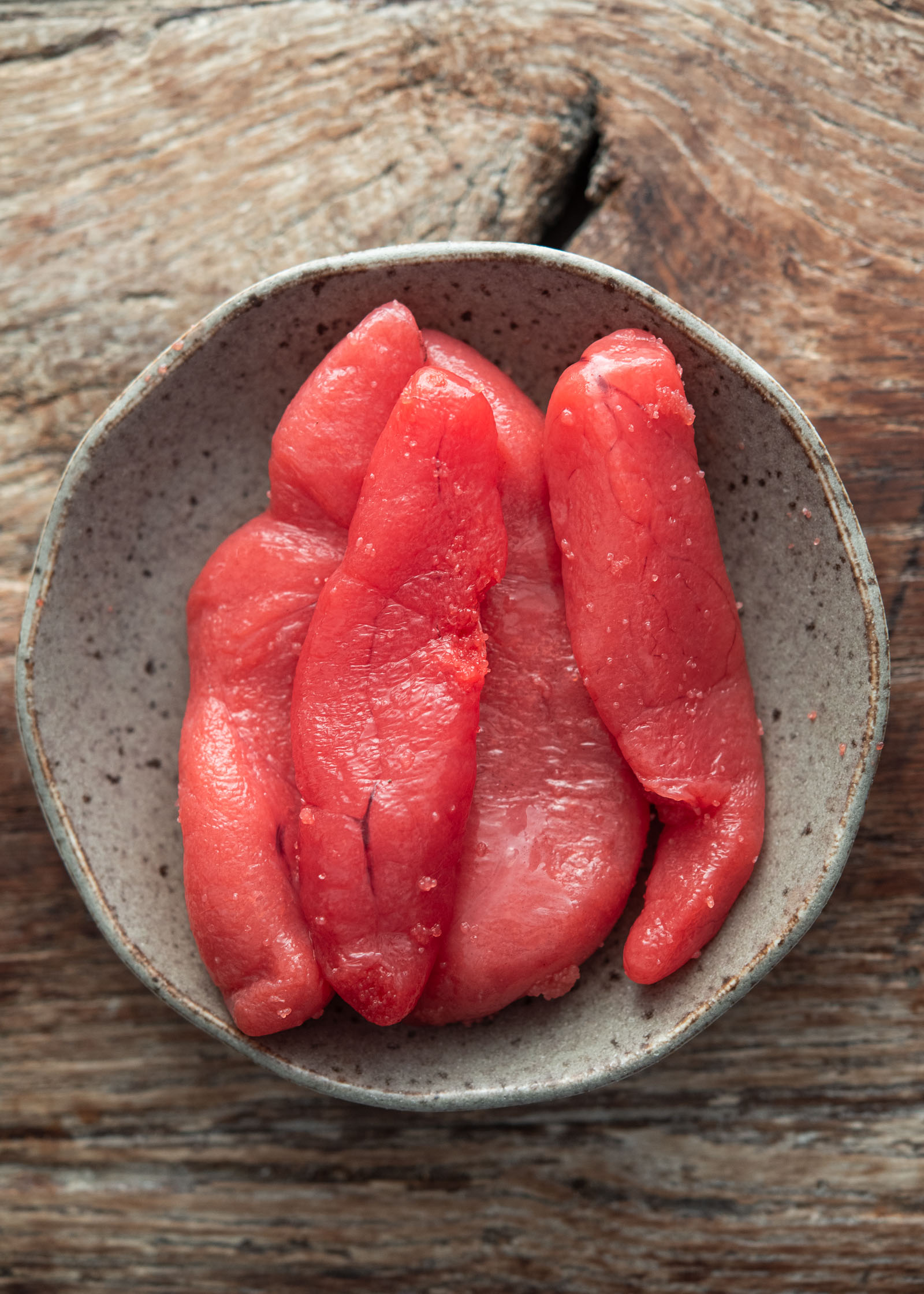
Conversely, Korean myeongran undergoes a fermentation process that intensifies its salinity and depth. When used in a garlic oil base, the roe is intended to maintain its granular structure. Culinary experts note that this makes the dish feel more "dynamic" on the palate. Data on consumer preferences in the Seoul food scene suggest that as palates become more accustomed to the funk and depth of fermented items, there is a growing appetite for ingredients that are not overly masked by emulsifiers.
The Methodology of Preparation
The preparation of this dish is characterized by a strict adherence to timing and temperature control. Because myeongran is highly sensitive to heat, the primary objective is to avoid overcooking, which results in a dry, gritty texture. The process follows a specific sequence:
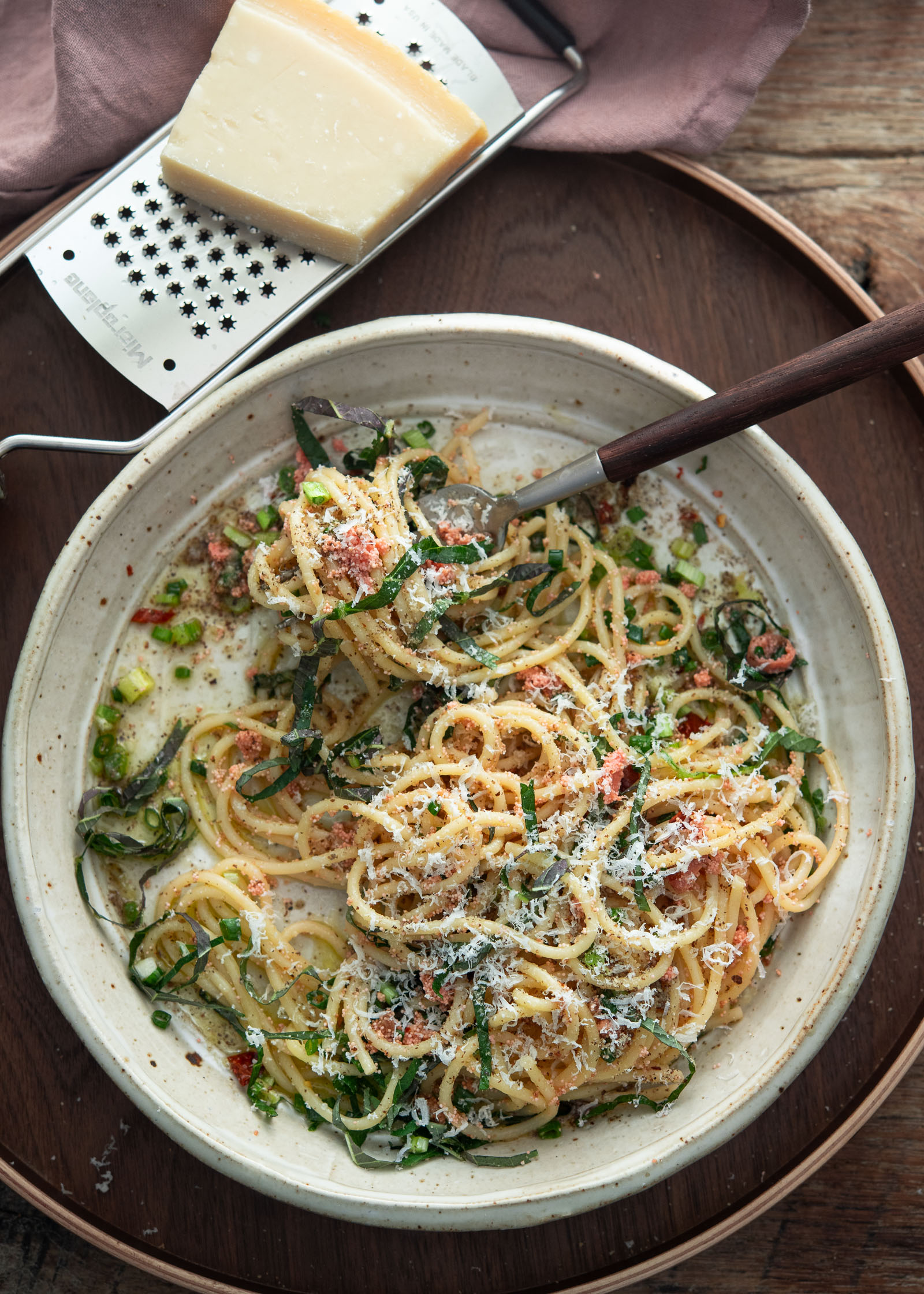
- Aromatic Infusion: Olive oil is slowly heated with sliced garlic and dried chili flakes. The goal is to extract the flavor of the garlic without browning it, as burnt garlic would introduce an undesirable bitterness that clashes with the delicate roe.
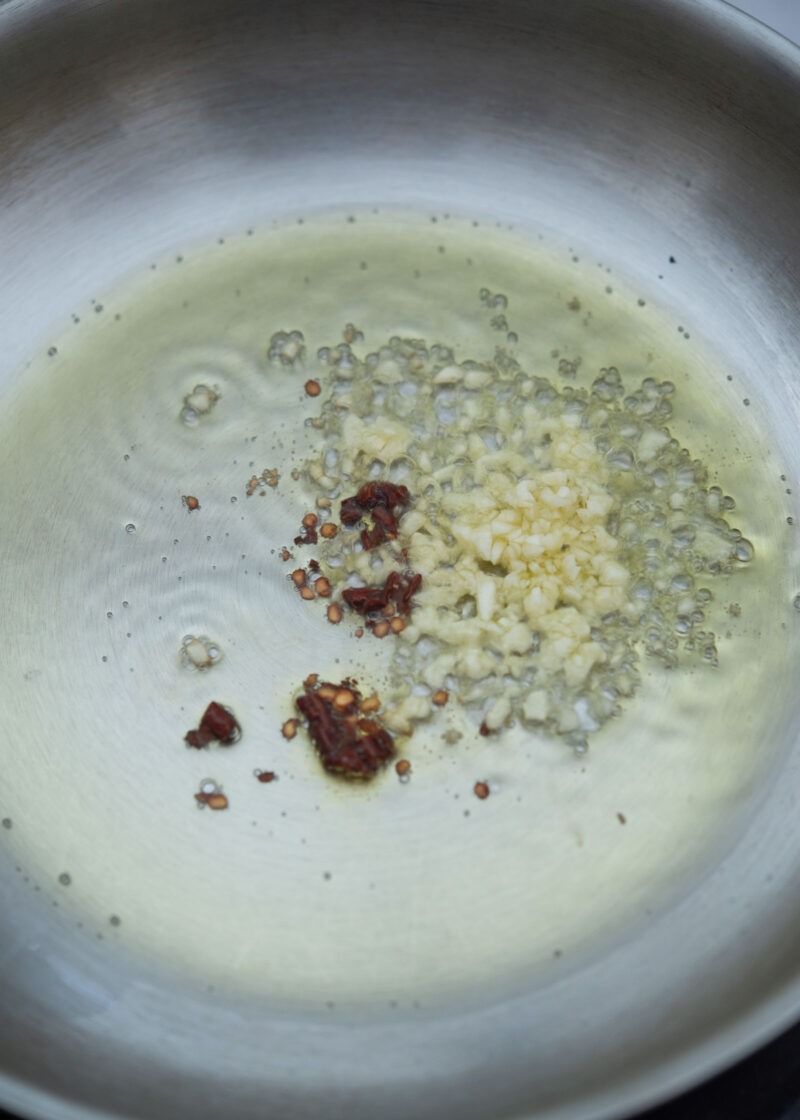
- Roe Integration: The roe is added to the oil once the garlic has softened. This step is brief, lasting only 60 to 90 seconds.
- Emulsification: A portion of the pasta cooking water—rich in starch—is added to the pan to create a light, glossy emulsion with the oil.
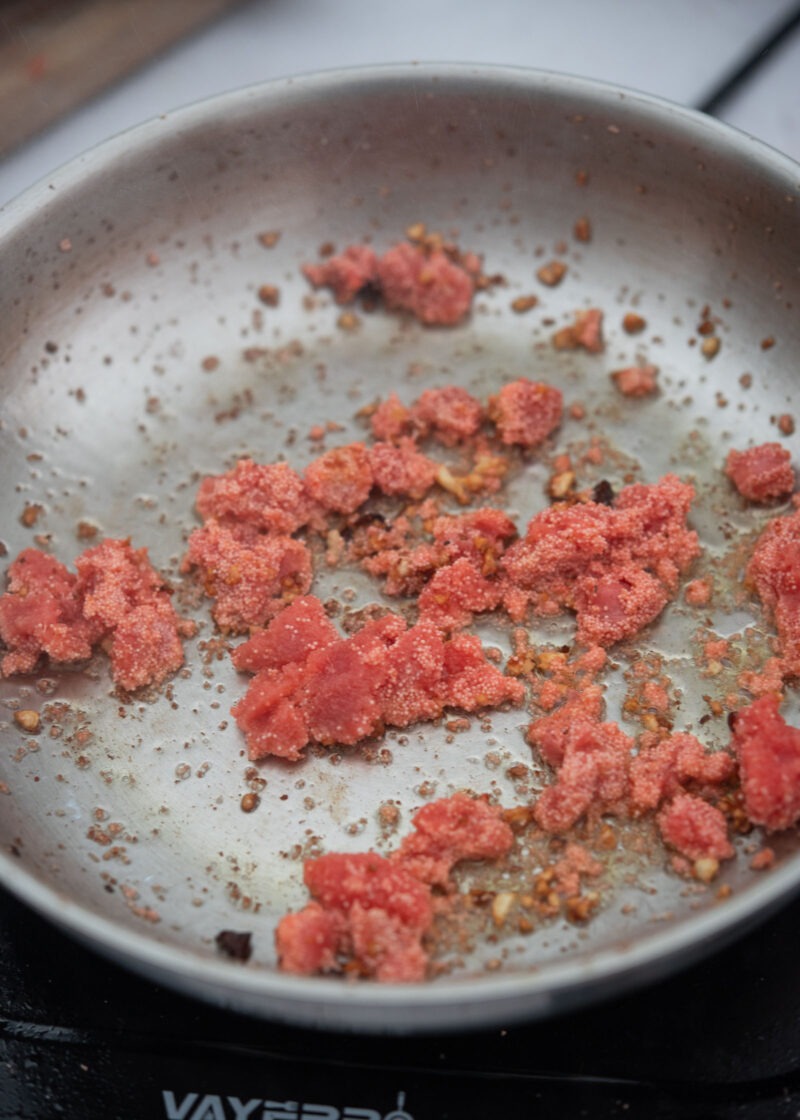
- Final Assembly: The cooked pasta is tossed into the sauce off the heat or at a very low setting.
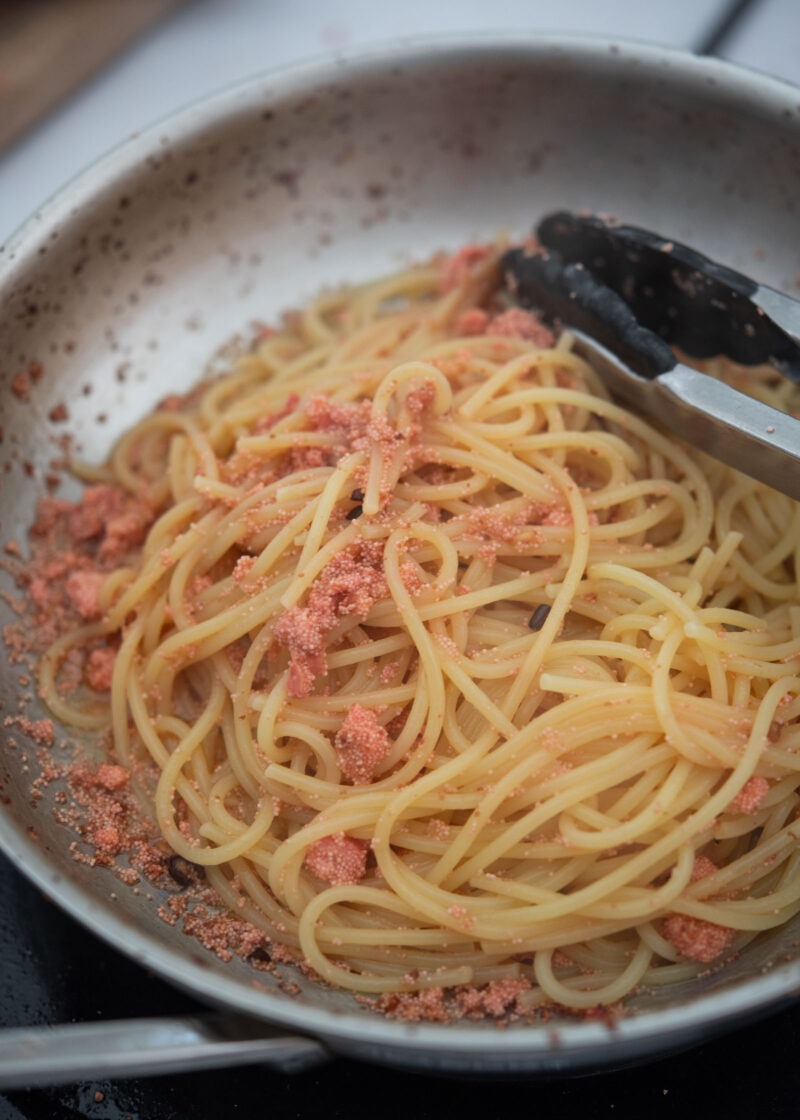
- Garnishing: The addition of fresh perilla leaves and ground perilla seeds is the defining feature of the Korean version. Perilla offers a minty, basil-like note that cuts through the saltiness of the roe, providing a balance that traditional Japanese garnishes like nori (seaweed) do not achieve.
Broader Economic and Cultural Implications
The rise of high-end, ingredient-focused home cooking in Korea has mirrored the growth of the premium ingredients market. Producers of high-quality myeongran-jeot have seen a steady increase in demand from home chefs who are willing to pay a premium for roe that has not been heavily processed or overloaded with artificial colorings.
Furthermore, this trend serves as a case study for the "Korean Wave" in food. As Korean fusion becomes more prevalent, dishes like myeongran pasta are being exported to international culinary markets. The simplicity of the recipe—requiring few, high-quality ingredients—makes it highly accessible for home cooks globally, potentially positioning it as a new standard for simple, "quick-fix" dinner staples.
Nutritional Profile and Dietary Considerations
From a nutritional perspective, this pasta offers a profile that deviates significantly from traditional carbonara or cream-based sauces. With a calorie count averaging approximately 328 kcal per serving, the dish is relatively lean. The inclusion of high-quality olive oil provides monounsaturated fats, while the pollock roe acts as a dense source of protein and essential fatty acids.
However, the sodium content is a critical consideration. Myeongran-jeot is a cured product, and therefore inherently high in sodium. For health-conscious consumers, the recipe typically relies on the inherent saltiness of the roe, negating the need for additional salt in the cooking water or the final plating. This natural seasoning method is consistent with a move toward reducing the use of processed table salt in home-cooked meals.
Expert Perspectives on Future Trends
Industry analysts observe that the success of such dishes is contingent upon the "premiumization" of staple ingredients. The fact that home cooks are now replicating restaurant-quality fusion dishes suggests a high degree of culinary literacy among the demographic currently driving the Seongsu food scene.
"The shift toward oil-based sauces represents a move away from the ‘heavy’ comfort food of the 2000s toward a more sophisticated, ingredient-driven dining experience," notes one industry observer. As supply chains for artisanal Korean products continue to improve, the accessibility of high-grade myeongran is expected to grow, potentially leading to further variations, such as the inclusion of other fermented seafood products or locally sourced, seasonal herbs.
Conclusion: The Future of Fusion
The Korean-style myeongran pasta is more than just a passing trend; it is a manifestation of the synthesis between Italian culinary structure and Korean flavor profiles. By stripping away the heavy components that defined early fusion efforts, contemporary chefs are creating dishes that are both minimalist and deeply flavorful.
As the culinary world continues to embrace cross-cultural integration, the success of this dish underscores a vital lesson: the most enduring fusion recipes are those that treat each component with respect, allowing individual ingredients to shine rather than blending them into a uniform, indistinct mass. Whether served in a high-end restaurant in Seoul or a domestic kitchen, the dish remains a testament to the versatility of the pantry, provided the cook understands the fundamental chemistry of the ingredients involved. With its combination of speed, nutritional balance, and depth of flavor, the myeongran garlic oil pasta is poised to remain a staple of the modern home kitchen for the foreseeable future.
