

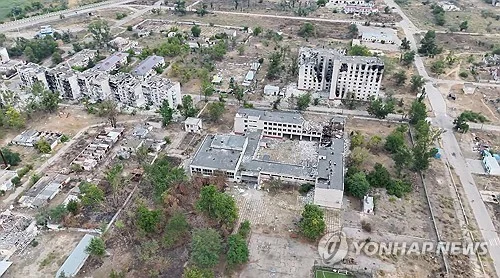
In a significant diplomatic development, U.S. First Lady Melania Trump has successfully brokered a localized ceasefire agreement between Russian and Ukrainian authorities for the embattled city of Oleshky. The announcement, released by the White House on Friday, marks a rare instance of direct high-level intervention by a First Lady in an active conflict zone, aiming to establish a critical humanitarian corridor in one of the most volatile regions of the ongoing war.
The ceasefire is scheduled to commence on October 29. According to the Office of the First Lady, the agreement mandates a total suspension of military operations within the municipal boundaries of Oleshky. This pause is intended to permit the delivery of essential medical supplies, food, and clean water, while simultaneously establishing a secure passage for remaining civilians who wish to evacuate to either Russia or Ukraine.
Background and Context of the Conflict in Oleshky
Oleshky, situated on the southern bank of the Dnipro River directly across from the city of Kherson, has been a focal point of intense military friction since the onset of the conflict. Its strategic location near the river delta has rendered it a "front-line war city," frequently caught in the crossfire of artillery exchanges and tactical maneuvers.
Prior to the full-scale invasion, Oleshky boasted a population of approximately 24,000 residents. However, persistent shelling, the destruction of critical infrastructure, and the subsequent environmental crises—compounded by the flooding events associated with the destruction of regional dams—have decimated the city’s habitability. Current estimates from the White House suggest that only 1,700 to 2,000 residents remain in the city. The demographic profile of these survivors is notably vulnerable, consisting primarily of the elderly who were unable to flee earlier in the conflict and approximately 50 children who remain in precarious conditions.
The humanitarian situation has reached a critical tipping point. Electricity supplies have been intermittent or entirely severed, preventing the operation of hospitals and heating systems as winter approaches. The lack of access to basic sanitation and potable water has elevated the risk of public health emergencies, prompting the international community to express concern over the potential for a localized humanitarian catastrophe.
The Diplomatic Framework: An Exclusive Intermediary
Melania Trump’s involvement in this negotiation represents an unconventional diplomatic channel. Serving as an "Exclusive Intermediary," the First Lady worked directly with leadership figures in both Moscow and Kyiv to define the operational parameters of the truce.
The agreement is comprehensive, covering not only the timing of the ceasefire but also the specific procedures for the movement of supplies. A key component of the arrangement is the deployment of civilian representatives from both sides. These individuals are tasked with conducting a needs assessment, visiting households to verify the welfare of the remaining residents, and coordinating the logistics of transport for those who opt to leave the front line.
To ensure transparency and compliance, the First Lady has secured the participation of an independent American media organization. This outlet will document the humanitarian operation, acting as an impartial observer to ensure that the preferences of the civilians—whether they choose to move toward Ukrainian-controlled territory or Russian-held zones—are respected without coercion.
Chronology of Negotiations
While the formal announcement was made on Friday, October 23, the diplomatic groundwork for this agreement was laid over several weeks of quiet, back-channel discussions.
- Early October: Initial reports regarding the dire conditions in Oleshky reached the White House, prompting an evaluation of humanitarian options.
- Mid-October: The Office of the First Lady initiated direct contact with Russian and Ukrainian diplomatic conduits.
- October 20-22: Intensive negotiations took place to finalize the "Rules of Engagement" for the humanitarian pause, ensuring that military commanders on the ground would honor the ceasefire.
- October 23: The White House issued an official statement confirming the agreement, with the start date set for October 29.
Supporting Data and Strategic Implications
The logistical challenge of evacuating a front-line city is immense. Oleshky’s infrastructure, including roads and bridges connecting it to neighboring districts, has suffered significant damage. The success of the mission hinges on the total cessation of artillery and drone activity during the evacuation window.
From a strategic perspective, the Oleshky agreement is being watched closely by international observers. While the ceasefire is localized and temporary, it demonstrates that even amidst a hardened, long-term conflict, specific humanitarian carve-outs remain possible when high-level diplomatic pressure is applied.
However, analysts caution that the success of this mission is contingent on the strict adherence of local military commanders to the directives of their respective capitals. "The risk of miscommunication on the ground remains the primary threat to this operation," noted a policy analyst familiar with the region. "The presence of an independent media observer is a vital safeguard, as it provides a mechanism for accountability that is often missing in such isolated regions."
Official Responses and International Reaction
The White House statement emphasized that the First Lady’s primary focus is the preservation of human life. "The situation in Oleshky is dire," Melania Trump stated. "It is a city on the brink of disaster, and the most vulnerable—the elderly and our children—are paying the highest price."
While both Russian and Ukrainian officials have remained relatively tight-lipped regarding the specifics of their private communications with the U.S. First Lady, the fact that the agreement reached the public announcement stage indicates a degree of consensus rarely seen in the current geopolitical climate. International humanitarian organizations, including the International Committee of the Red Cross (ICRC) and United Nations agencies, have previously highlighted the difficulties of reaching civilians in the Dnipro River region, and they are expected to monitor the progress of the October 29 operation with keen interest.
Analysis: What This Means for Future Humanitarian Efforts
The Oleshky initiative could serve as a pilot program for future interventions in other contested areas. By isolating a specific, manageable urban zone and applying high-level diplomatic oversight, the international community may be able to replicate this success in other cities where civilian access is currently blocked.
However, the precedent also raises questions about sustainability. If the ceasefire succeeds, it may lead to renewed calls for broader humanitarian corridors across the entire front line. Conversely, if the operation faces significant hurdles or security failures, it could discourage future attempts at such high-stakes diplomacy.
For the 2,000 residents of Oleshky, the coming days represent a narrow window of opportunity. The success of the humanitarian operation will be measured by the number of civilians safely evacuated and the volume of life-saving aid that reaches those who choose to remain. As the October 29 start date approaches, the international community remains in a state of cautious anticipation, waiting to see if this diplomatic breakthrough will indeed provide a reprieve for those trapped in one of the war’s most isolated front lines.
The U.S. government has confirmed that further details regarding the specific transport routes and the identity of the media partner will be released in the coming days, as final preparations for the mission are concluded. The eyes of the world are now fixed on Oleshky, hoping for a successful execution of a plan that seeks to prioritize human dignity in the midst of a relentless conflict.
