

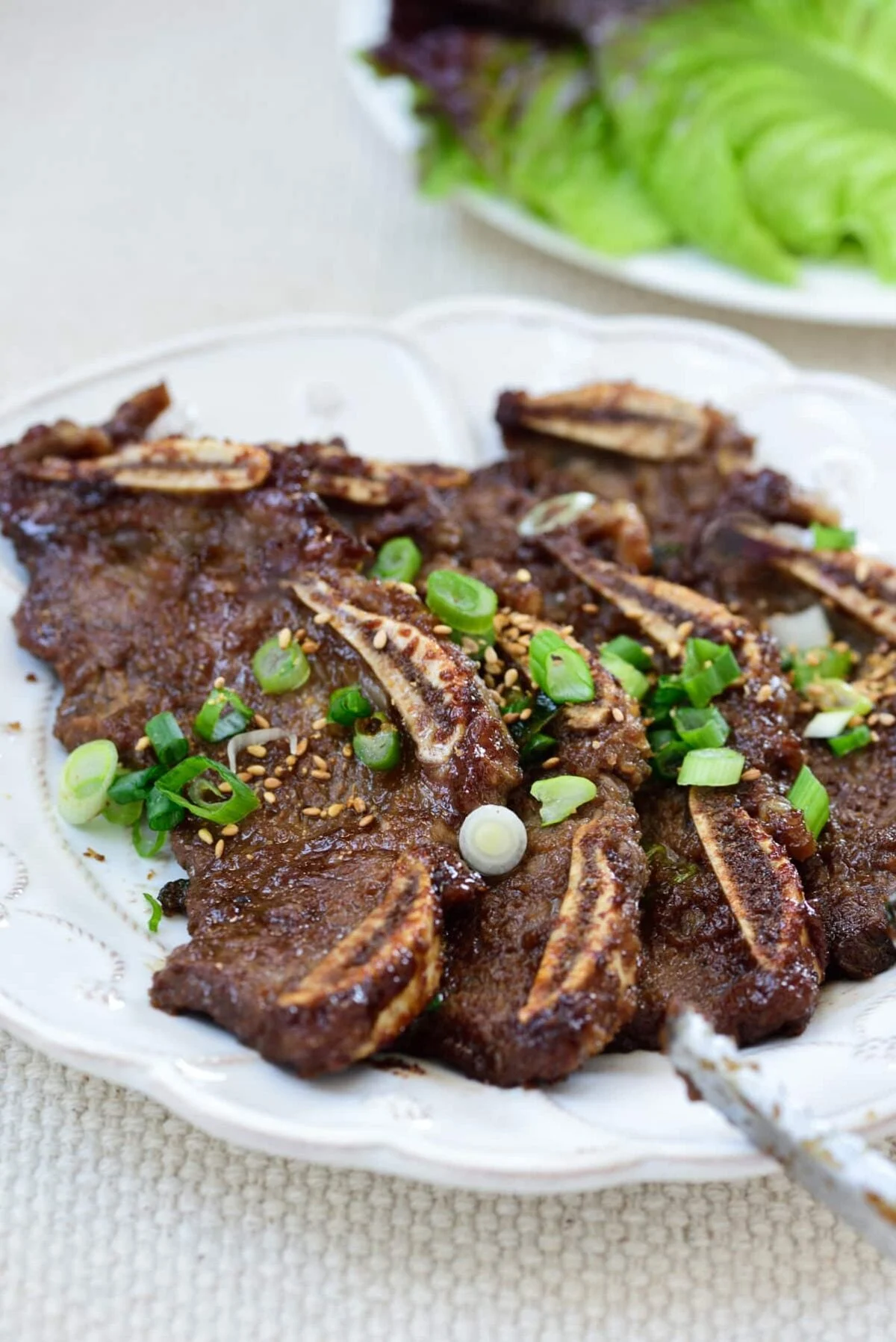
The culinary tradition of Korean barbecue, known globally as a hallmark of Korean gastronomy, finds its most celebrated expression in the preparation of galbi. While traditional Korean cuisine features various beef preparations, the specific cut known as "LA Galbi"—a flanken-cut short rib—has emerged as a staple of both domestic Korean tables and the international diaspora. Achieving the ideal balance of flavor and texture requires a mastery of the marinade, an understanding of meat selection, and precise application of heat.
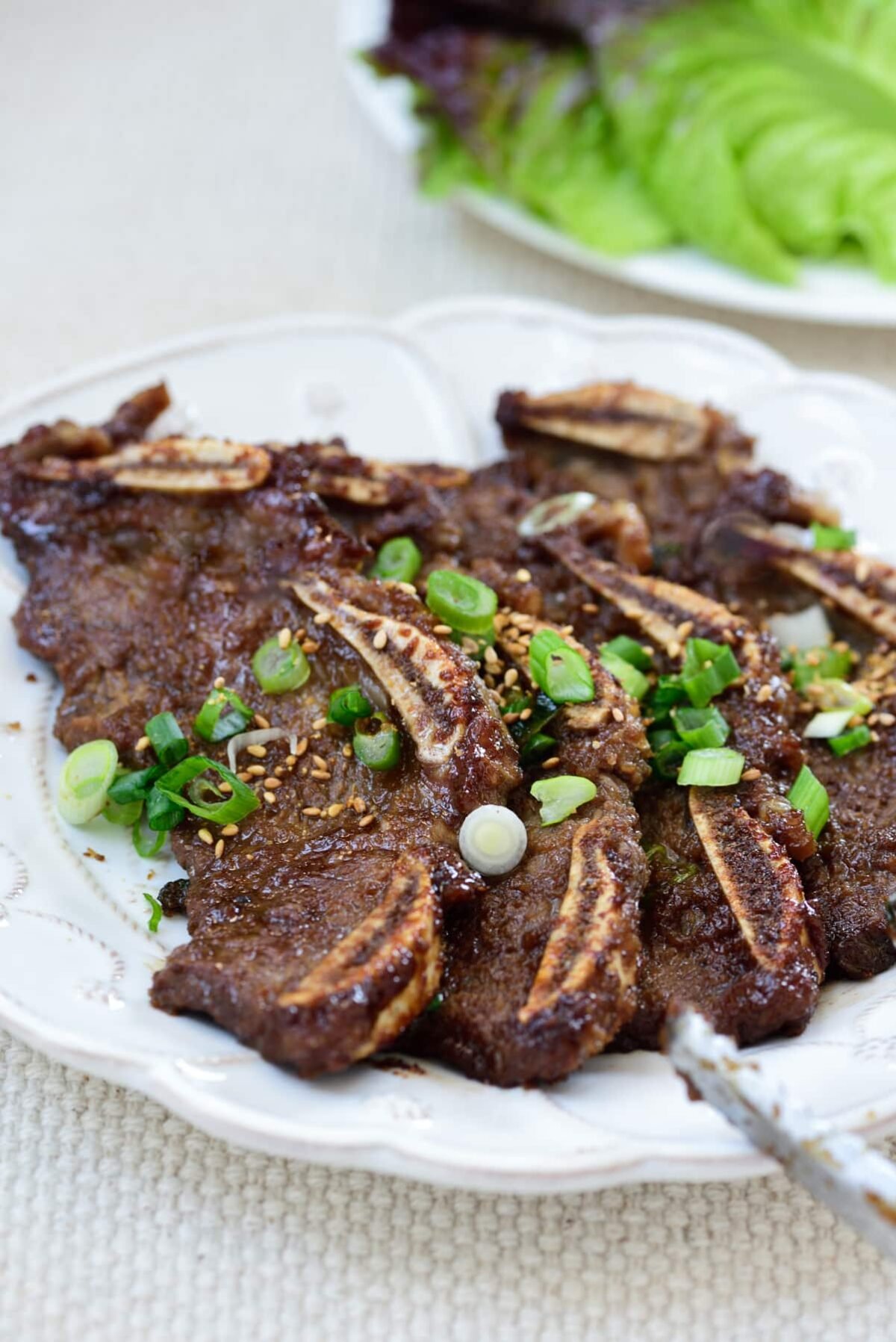
The Evolution and Cultural Context of LA Galbi
The nomenclature "LA Galbi" is deeply rooted in the history of Korean migration to the United States during the mid-20th century. Historical accounts indicate that Korean immigrants in Los Angeles, encountering American-style butcher cuts, adapted the traditional Korean preparation of short ribs to the flanken cut (sliced thin across the bone) commonly available in local supermarkets. This innovation allowed for faster marination and quicker cooking times, which was highly compatible with the fast-paced lifestyle of the immigrant community.
Over the past four decades, this preparation has crossed back into the Korean peninsula, where it has become a standard offering in both home cooking and upscale dining establishments. It is now widely considered a celebratory dish, frequently prepared for Chuseok (the Korean mid-autumn harvest festival), Seollal (Lunar New Year), and significant family gatherings.
Anatomy of the Cut: English vs. Flanken
The selection of beef is the foundational step in preparing authentic galbi. There are two primary butchery styles used in Korean cooking:
- The English Cut: In this style, the ribs are separated and cut into individual lengths. In traditional culinary practice, these are often utilized for galbi-jjim, a slow-braised stew, or butterflied to maximize surface area for direct grilling.
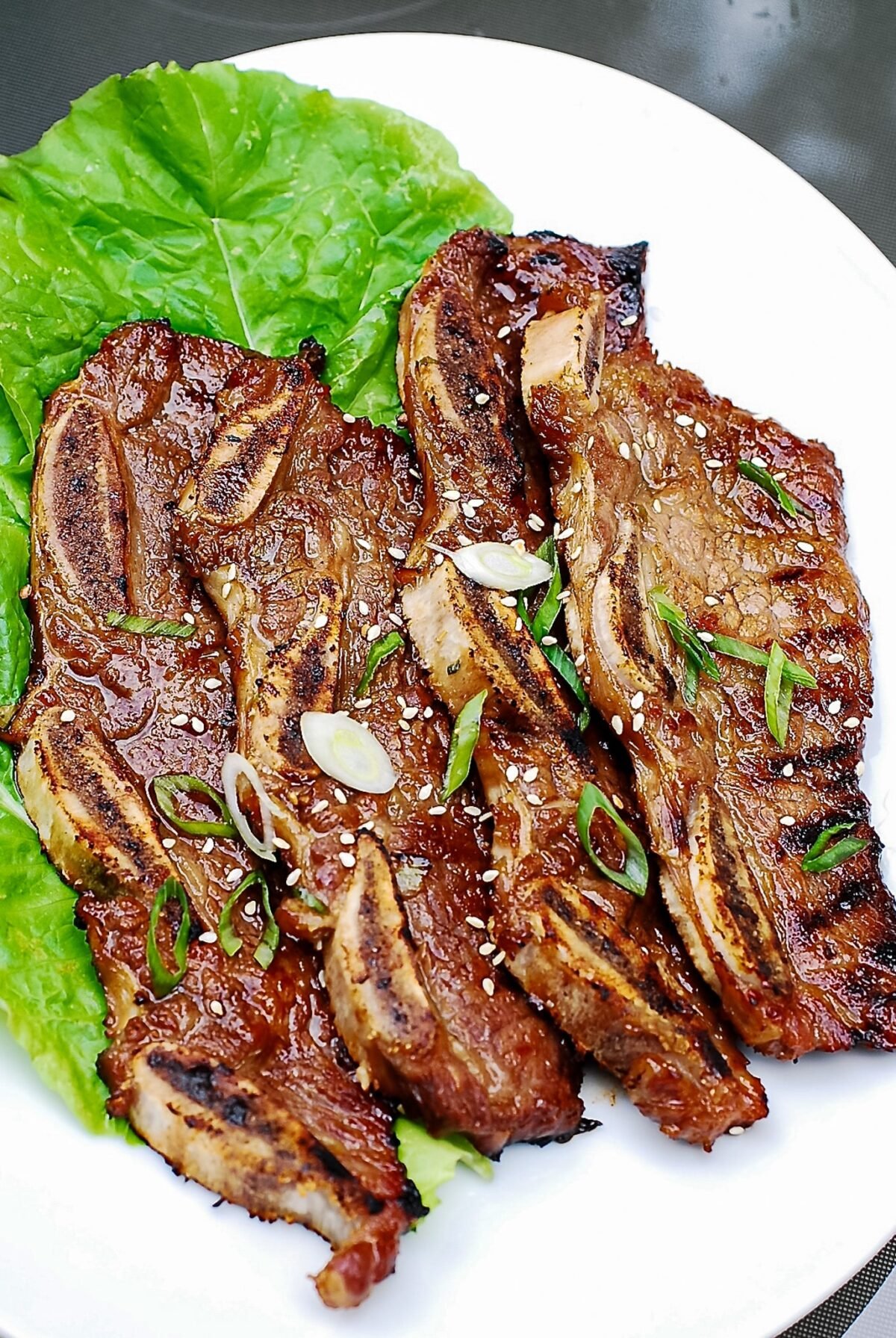
- The Flanken Cut: This is the definitive cut for LA Galbi. By slicing the ribs perpendicular to the bone, the butcher ensures that each segment contains three to four cross-sections of the bone. This specific geometry is critical because it allows the marinade to penetrate the muscle fibers while the bone marrow imparts a deep, savory richness to the meat during the heating process.
The Science of the Marinade
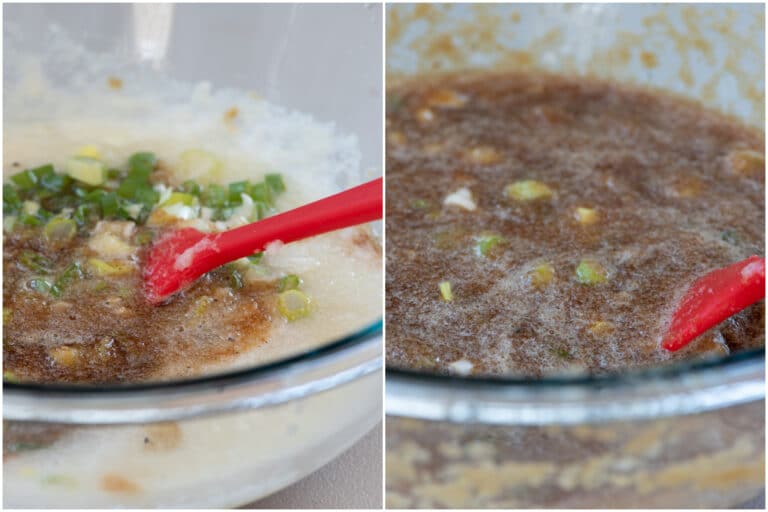
The efficacy of a galbi marinade rests on the chemical interaction between enzymes and proteins. Tougher cuts of meat, such as short ribs, contain high levels of connective tissue. Traditional recipes rely on natural proteolytic enzymes to tenderize the meat without compromising its structural integrity.
- Fruit Enzymes: Asian pears (Pyrus pyrifolia) are the gold standard in traditional recipes. They contain calpain, a cysteine protease that helps break down collagen. In regions where Asian pears are unavailable, chefs often substitute with apples, kiwis, or pineapple juice. However, caution is advised: high-acid fruits like pineapple or high-enzyme fruits like kiwi can over-tenderize the meat, resulting in a mushy texture if left for extended periods.
- The Sugar-Savory Balance: A successful marinade operates on a ratio of sugar (or fruit-based sweeteners) to soy sauce. The goal is a Maillard reaction—a chemical reaction between amino acids and reducing sugars that gives browned food its distinctive flavor.
- Aromatic Bases: Grated onion and garlic are standard, serving as both flavor enhancers and mild tenderizers. The inclusion of mirin or traditional grain-based alcohol serves to neutralize any gaminess in the beef while providing a clean finish to the glaze.
Standardized Preparation Timeline
To achieve the optimal balance of flavor, a specific chronological approach to preparation is required:
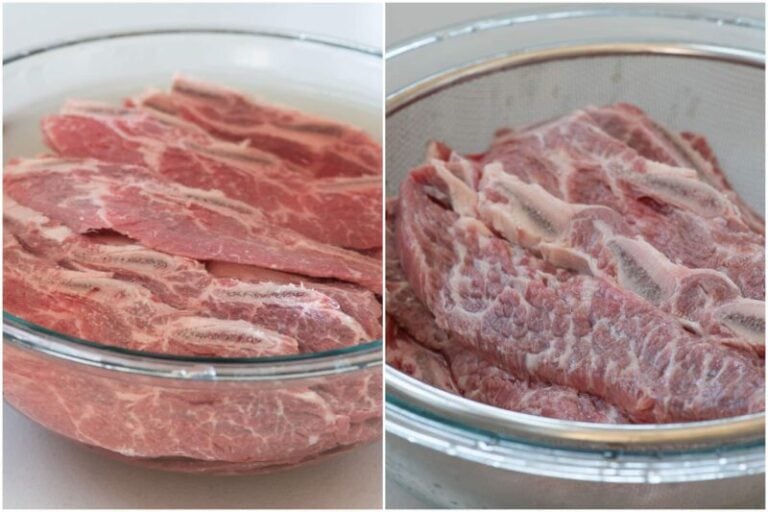
- Pre-marination (0–2 hours): The meat should be cleaned of bone fragments and excess fat. Soaking the meat in cold water for 30 minutes prior to marination is a common professional technique used to leach out residual blood, ensuring a clean, vibrant flavor.
- Marination (6–24 hours): While 6 hours provides basic flavor, the gold standard for home preparation is an overnight soak in a refrigerated environment. This allows the salinity of the soy sauce to fully penetrate the center of the meat, while the fruit enzymes work to denature the tougher proteins.
- Resting and Cooking (Final Phase): Once removed from the marinade, the ribs should be brought to room temperature shortly before cooking to ensure even heat distribution.
Technical Analysis of Cooking Methods
The cooking method chosen significantly impacts the final sensory profile of the dish.
1. Direct Heat Grilling (Charcoal or Gas)
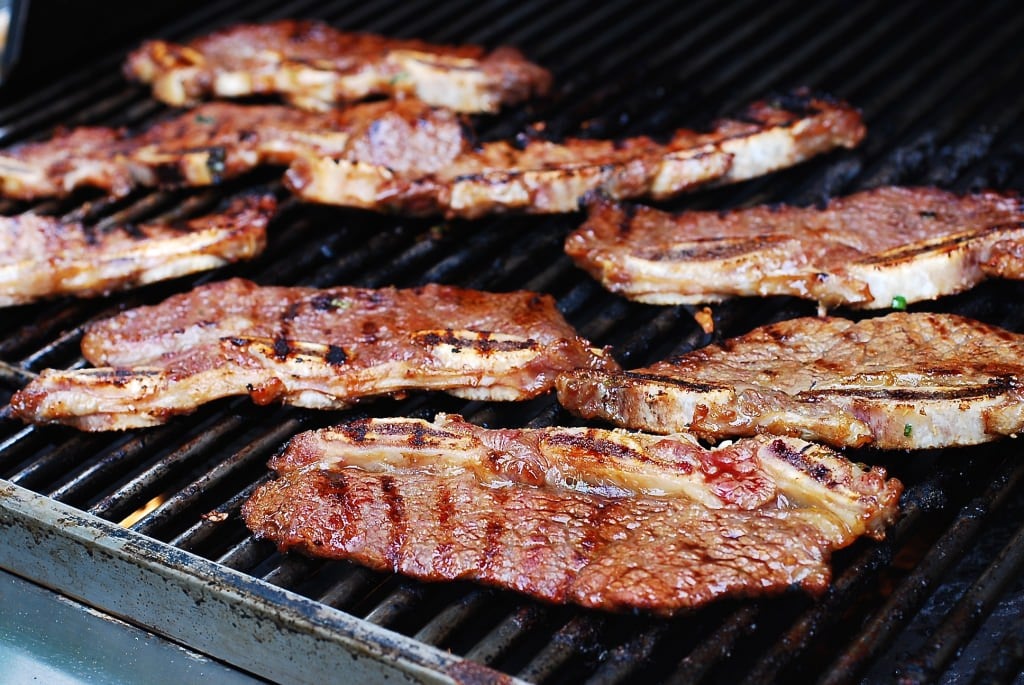
This is the traditional method, often referred to as sootbul in Korean. The intense heat of charcoal provides a smoky flavor profile that cannot be replicated by indoor appliances. The high heat caramelizes the sugars in the marinade almost instantly, creating a crust that locks in the juices.
2. The Oven Broiler Approach
For home cooks without access to outdoor grills, the oven broiler is a highly effective substitute. By placing the meat on the top rack, roughly 6 inches from the heat source, the cook can mimic the high-intensity heat of a grill. This requires constant vigilance to prevent the sugar-heavy marinade from burning.
3. Pan-Frying and Braising
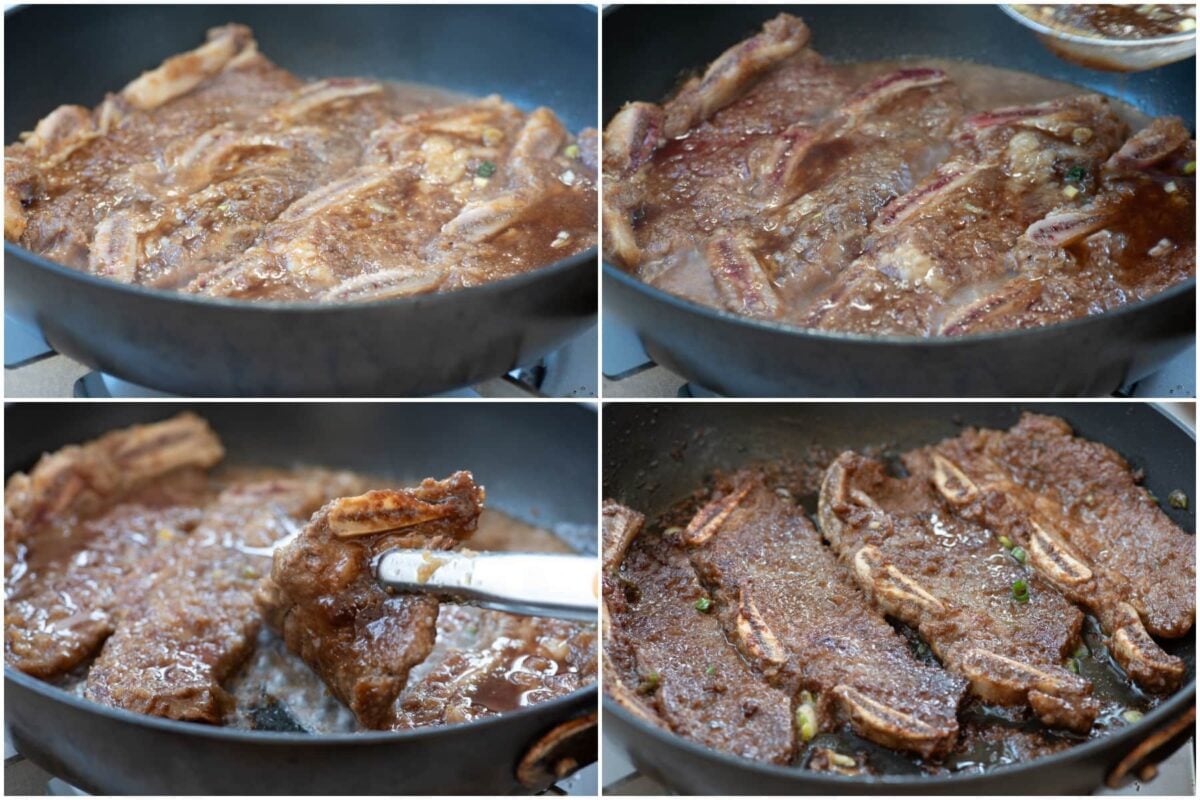
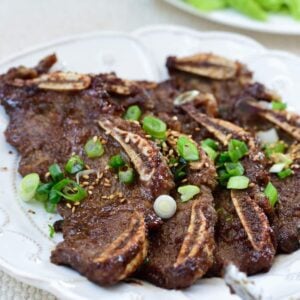
This technique is often favored for its convenience. By placing the ribs in a non-stick pan and adding a small amount of the remaining marinade, the cook performs a hybrid technique: searing and light braising. As the liquid evaporates, the residual sugars glaze the meat. This method is particularly effective for achieving a tender, succulent result if the marination period was shorter than ideal.
Nutritional and Cultural Implications
From a nutritional standpoint, short ribs are a calorie-dense protein source. However, the accompanying side dishes—collectively known as banchan—provide a structural balance. Vegetables such as lettuce, perilla leaves, and pickled radish provide fiber and acidity, which mitigate the richness of the fatty beef.
Sociologically, the act of preparing and consuming galbi is inherently communal. In Korea, the ritual of wrapping the meat in a leaf with ssamjang (a fermented soybean and chili paste) and pa muchim (scallion salad) is a practice that encourages social interaction. The dish is not merely a meal; it is a centerpiece of hospitality.
Expert Perspectives on Modern Trends
Industry analysts have noted a significant uptick in the consumption of Korean-inspired beef products globally, a trend often attributed to the "Hallyu" (Korean Wave) of cultural influence. Culinary experts suggest that the accessibility of the LA Galbi recipe has been a key factor in this growth. Unlike other, more complex Korean dishes that require specific fermented pastes or hard-to-find ingredients, the ingredients for galbi are readily available in mainstream global grocery chains.
Furthermore, the versatility of the dish—being adaptable to various cooking appliances—has made it a "gateway" dish for those interested in exploring East Asian home cooking. As demand for authentic, high-quality, at-home dining experiences continues to rise, the status of LA Galbi as a foundational dish in the modern culinary repertoire appears secure.
Conclusion: Maintaining Culinary Standards
Whether prepared over the glowing embers of a charcoal grill or in a simple kitchen pan, the success of LA Galbi rests upon the adherence to fundamental culinary principles: respecting the meat’s texture, balancing the enzymatic tenderization, and achieving the delicate threshold of caramelization without charring. As the dish continues to evolve through global adoption, the core values of this Korean staple—patience in preparation and generosity in serving—remain the essential components that define its enduring popularity.
