

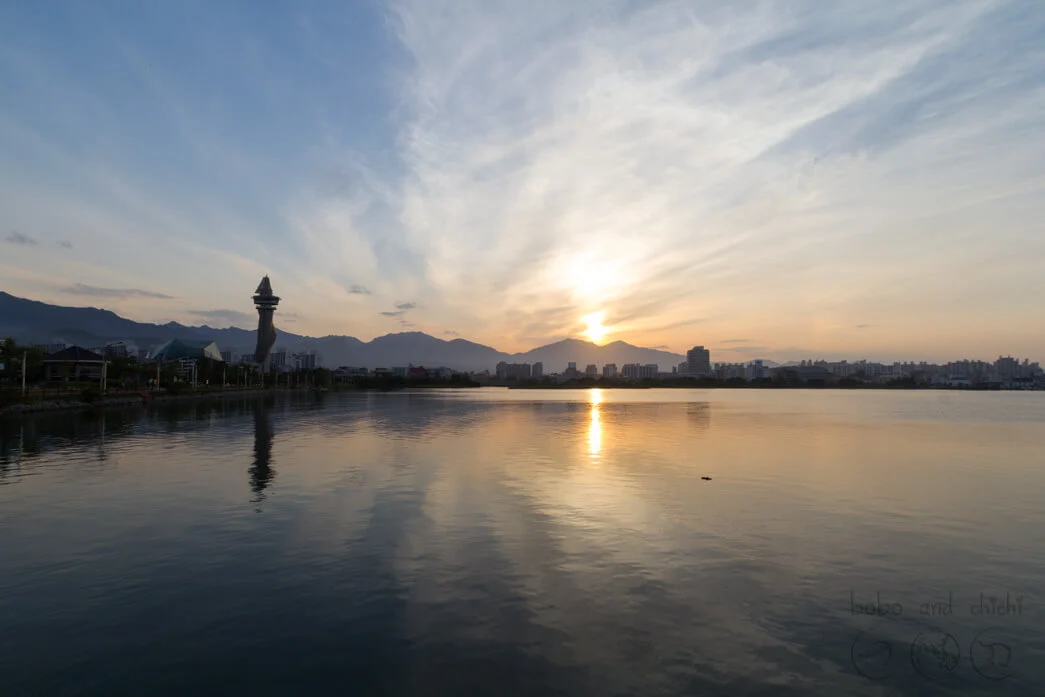
While Seoul serves as the primary international gateway to South Korea, accounting for the vast majority of inbound tourism, the South Korean Ministry of Culture, Sports and Tourism has recently intensified efforts to redistribute visitor traffic. This shift aims to alleviate over-tourism in the capital while boosting the economies of provincial regions. For international travelers, the country’s efficient high-speed rail network—the KTX—and an extensive intercity bus system make venturing beyond the metropolitan area both practical and rewarding. Understanding the regional landscape is essential for those seeking to engage with the cultural, historical, and environmental diversity that exists outside the capital.

The Strategic Shift Toward Regional Tourism
The South Korean tourism sector has observed a consistent trend where domestic and international travelers gravitate toward a handful of "must-see" locations within the Seoul Metropolitan Area. To counter this, local governments in provinces such as Gyeongsang, Gangwon, and Jeolla have invested heavily in infrastructure to highlight UNESCO World Heritage sites, coastal attractions, and seasonal festivals.

Statistics from the Korea Tourism Organization (KTO) indicate that regional dispersal is not merely a convenience but a necessity for sustainable growth. In 2023, the government announced the "Visit Korea Year" initiative, which specifically targets the promotion of secondary cities to international audiences. By emphasizing regional culinary traditions, specialized museums, and outdoor recreation, the authorities aim to transform weekend trips into extended cultural immersion experiences.

Cultural and Coastal Hubs: The Case of Busan and Jeonju
Busan, located on the southeastern tip of the peninsula, functions as the country’s second-largest city and its primary maritime gateway. Unlike the frenetic, vertical pace of Seoul, Busan offers a distinct coastal culture characterized by its massive fish markets, such as Jagalchi, and the integration of urban infrastructure with mountainous terrain. Recent developments in the Haeundae district have solidified its status as a luxury hospitality hub, attracting both domestic vacationers and international business travelers.

In contrast, the city of Jeonju in North Jeolla province serves as a repository of historical architecture. The Jeonju Hanok Village is one of the most significant collections of traditional housing in the country. The region is widely recognized as the birthplace of bibimbap and a center for the production of makgeolli, a traditional rice wine. The preservation of these neighborhoods is part of a broader national strategy to maintain tangible cultural heritage amidst rapid modernization.

The Ecological Significance of Korea’s National Parks
South Korea’s geography is dominated by rugged, mountainous terrain, with approximately 70% of the landmass covered by forests and ranges. The national park system, overseen by the Korea National Park Service, provides a critical framework for environmental conservation and outdoor tourism.

Seoraksan National Park, situated in the Gangwon province, is frequently cited as the country’s most iconic alpine region. It serves as a benchmark for ecological tourism, balancing the influx of millions of annual visitors with strict preservation mandates. Similarly, the wetland ecosystems of Suncheon Bay have gained international recognition, including designation as a Ramsar site. These locations represent a growing segment of the tourism market: the "nature-seeker" who prioritizes biodiversity and landscape photography over urban shopping centers.

Infrastructure and Connectivity: Overcoming Logistical Hurdles
One of the primary barriers to regional tourism has historically been the difficulty of navigating areas outside the reach of the subway system. While the KTX connects major hubs like Busan, Daegu, and Gwangju, reaching secondary destinations like Pocheon or the more remote coastal islands requires a more nuanced approach to travel.

The government has addressed this through the implementation of standardized intercity bus terminals and the introduction of foreigner-friendly navigation apps. For instance, in areas like Gapyeong, the local government has facilitated shuttle services to connect rail stations with tourist landmarks such as Nami Island and the Garden of Morning Calm. This coordination between public transit and tourism boards is a critical component of the national strategy to make the countryside accessible to those who do not possess a local driver’s license.

The Rise of Themed Hospitality
A significant development in the Korean hospitality market is the proliferation of specialized, themed accommodations. In regions such as Gapyeong and Muju, the "pension" culture has evolved into a sophisticated industry. These properties, often family-owned or boutique-managed, cater to niche markets—ranging from ski enthusiasts in the Deogyusan mountains to travelers seeking the unique, minimalist aesthetic of the hanok-stay experience in Andong or Gyeongju.

Data from hospitality platforms suggest that these regional stays provide higher satisfaction ratings than standard business hotels, as they offer a more authentic engagement with local architectural styles and host-guest interaction. For instance, stays in Andong’s Hahoe Village, a UNESCO-designated site, provide travelers with an immersive, living history experience that is simply not available within a modern high-rise hotel.

Economic and Societal Implications
The push to decentralize tourism has significant economic implications for the provinces. Many of these regions have faced the twin challenges of an aging population and rural flight. By creating a robust tourism ecosystem, municipalities are creating jobs in the hospitality, logistics, and retail sectors, thereby slowing the demographic decline.

Moreover, the promotion of regional sites facilitates a more nuanced understanding of the Korean peninsula. Visitors who venture to the DMZ-adjacent city of Paju, for example, gain a deeper understanding of the geopolitical history of the region through institutions like the Odusan Unification Observatory. Likewise, trips to the southern coastal cities like Yeosu and Namhae reveal the importance of the maritime industry to the nation’s history.

Conclusion and Future Outlook
The expansion of tourism beyond Seoul is a long-term strategic priority for South Korea. As the country continues to refine its public transport networks and promote its diverse provincial heritage, the experience of the international traveler is shifting from a singular focus on the capital to a multi-faceted exploration of the peninsula. Whether through the lens of ecological conservation in Seoraksan, historical preservation in Jeonju, or maritime culture in Busan, the provinces offer a more comprehensive narrative of Korean identity.

For the modern traveler, the primary challenge remains the planning phase. Given the linguistic and logistical nuances, utilizing resources provided by the Korea Tourism Organization and local municipal offices is highly recommended. As infrastructure continues to improve, these regional destinations are poised to transition from "hidden gems" into essential components of the standard South Korean itinerary, ensuring that the benefits of tourism are felt across all levels of the national economy.
