

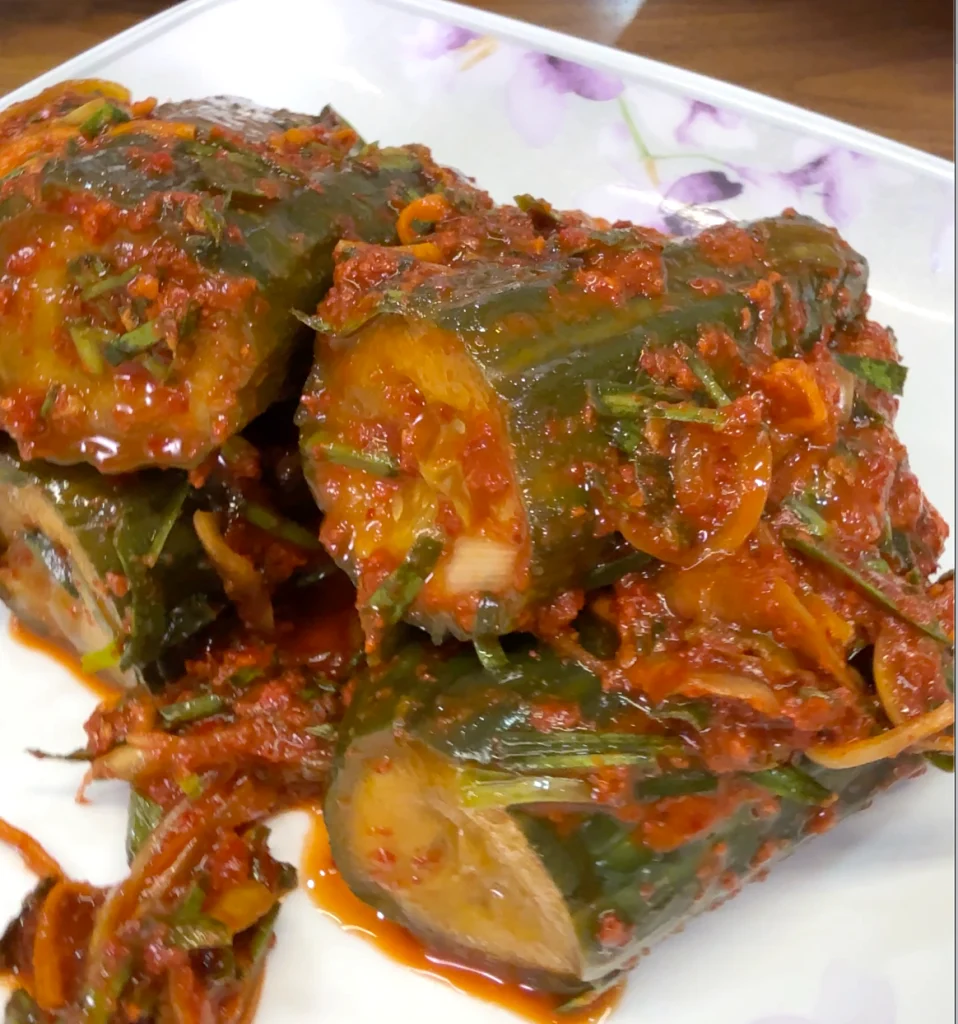
Oi Sobagi stands as a hallmark of seasonal Korean gastronomy, representing the delicate balance between rapid fermentation and fresh, crisp produce. While the global culinary landscape is often dominated by the ubiquitous Baechu-kimchi—made with napa cabbage—the cucumber-based variety, known as Oi Sobagi, serves as a vital, lighter alternative, particularly favored during the humid summer months in the Korean Peninsula. Unlike its cabbage-based counterparts, which often require months of maturation, Oi Sobagi offers a shorter, more immediate fermentation cycle that highlights the refreshing, hydrating properties of the cucumber.
Historical Context and Seasonal Origins
The tradition of fermenting vegetables in Korea dates back centuries, rooted in the necessity of preserving food through the harsh winter months. However, Oi Sobagi emerged as a distinct sub-category of kimchi designed for immediate consumption during the agricultural peak of spring and summer. Traditionally, the dish serves as a testament to the Korean philosophy of yak-sik-dong-won, or the belief that food and medicine share the same origin. During the high temperatures of July and August, the high water content of cucumbers provides essential electrolytes and hydration, making it an ideal side dish for the season.
In modern Korean households, the preparation of Oi Sobagi is often viewed as a communal activity, though the labor-intensive nature of stuffing individual cucumbers has led to contemporary innovations in home preparation. The shift toward simplified, bite-sized preparation methods reflects the evolving pace of modern life, allowing for the retention of traditional flavor profiles without the significant time investment previously required.

The Science of Fermentation and Ingredient Selection
The fermentation process for Oi Sobagi is uniquely sensitive. Because cucumbers contain significantly higher water content than cabbage or radishes, they are susceptible to softening if the fermentation process is not carefully managed. The standard brining process, which typically lasts one hour, serves to draw out excess moisture while firming the cell structure of the vegetable. This step is critical; without it, the kimchi would lose its characteristic "crunch," a texture highly prized by enthusiasts.
Selecting the appropriate variety of cucumber is the first technical hurdle. Ideally, cultivators and chefs look for varieties with a low seed count, such as the Korean cucumber (Oi), Kirby, or English varieties. The seeds often harbor excess water and can turn mushy during the fermentation process. By choosing firm, thin-skinned varieties, one ensures the structural integrity of the dish remains intact throughout its lifespan.

The spice profile is dictated by gochugaru (Korean red pepper flakes). This ingredient serves not only as a flavoring agent but also as a natural preservative due to its capsaicin content. The concentration of gochugaru can be adjusted to suit personal preference, yet it remains the primary driver of the dish’s microbial health. When combined with aromatics like chives, garlic, and ginger—and stabilized by either anchovy fish sauce or salted shrimp—the mixture creates an environment that promotes the growth of Lactobacillus, the beneficial bacteria responsible for the signature tangy profile of kimchi.
Chronology of Preparation
For those seeking to replicate this dish in a home or professional kitchen, the process follows a strict chronological order to ensure food safety and quality:

- Preparation (60 minutes): Washing and cutting the cucumbers. If following the traditional "stuffed" method, a cross-slit is made, ensuring the base remains intact. If opting for the modern "bite-sized" method, uniform chunks are created.
- Brining (60 minutes): Soaking the cucumbers in a high-concentration salt brine. This step is non-negotiable for achieving the correct osmotic balance.
- Filling Formulation: Preparing the paste, which involves mixing gochugaru, fish sauce, minced garlic, ginger, and chopped chives.
- Integration: The filling is carefully inserted into the cucumber slits or tossed with the chunks. This must be done while wearing food-safe gloves to protect the skin from the intense chili oils.
- Initial Fermentation: The product is stored in a container—preferably a specialized vacuum-seal vessel—at room temperature for 12 to 24 hours to kickstart the fermentation process.
- Refrigeration: The final stage requires immediate transfer to a cold environment (ideally 34°F to 38°F). Unlike aged kimchi, Oi Sobagi should be consumed within two to three weeks, as its texture degrades rapidly beyond this window.
Technical Equipment and Industry Standards
In the contemporary culinary market, the storage of kimchi has evolved into a specialized sector. The traditional Onggi (earthenware jars) allowed for natural gas exchange, effectively "breathing" while protecting the contents. Modern advancements have seen the introduction of specialized kimchi refrigerators and vacuum-seal containers that replicate the low-oxygen environment necessary for high-quality fermentation.
Industry data suggests that the use of proper storage containers significantly impacts the longevity of the product. By minimizing exposure to ambient air, users can prevent the growth of undesirable molds and maintain the crisp texture of the cucumber for the duration of the two-week consumption window. For individuals preparing larger batches, utilizing a container with an internal vacuum lid is recommended to ensure consistent pressure and to contain the potent, pungent odors associated with fermentation.

Broader Impact and Nutritional Implications
The rising global popularity of fermented foods has brought Oi Sobagi into the mainstream, moving beyond the confines of Korean restaurants and into the global kitchen. The health implications of consuming such fermented products are significant. Beyond the probiotics provided by the fermentation process, the inclusion of chives and garlic provides antioxidant benefits, while the low-calorie, high-fiber nature of the cucumber makes it a nutrient-dense addition to any meal.
However, culinary experts emphasize that consumers must be mindful of the sodium content inherent in the brining process. As with all preserved foods, moderation is advised. From a broader perspective, the appreciation for Oi Sobagi reflects a growing consumer trend toward understanding the "source-to-table" journey of fermented vegetables, valuing the craftsmanship behind artisanal food preservation.

Expert Guidance on Common Challenges
A frequent point of inquiry among home cooks is the issue of "sogginess." When a batch of cucumber kimchi loses its crunch, it is almost invariably the result of an insufficient brining duration or the use of cucumbers that were not adequately drained. Experts suggest that if the product is intended to be kept for more than one week, it is better to slightly under-ferment the batch initially, as the process continues slowly even at refrigerated temperatures.
Furthermore, the choice of seasoning—specifically the decision between salted shrimp and anchovy sauce—often hinges on regional preference. The southern regions of Korea historically favor a higher concentration of fish sauce, resulting in a deeper, more savory umami profile, while the northern regions often prefer a lighter, cleaner finish achieved with salted shrimp. Understanding these nuances allows for a more personalized approach to the recipe, catering to individual palates while respecting the foundational principles of the craft.
As the global food community continues to prioritize gut health and the integration of traditional preservation techniques, Oi Sobagi remains a primary example of how a simple vegetable can be transformed into a sophisticated, nutrient-rich, and globally recognized delicacy. Whether prepared as a traditional stuffed masterpiece or a quick-mix side dish, the essence of the recipe remains rooted in the pursuit of freshness, crunch, and the timeless art of Korean fermentation.
