

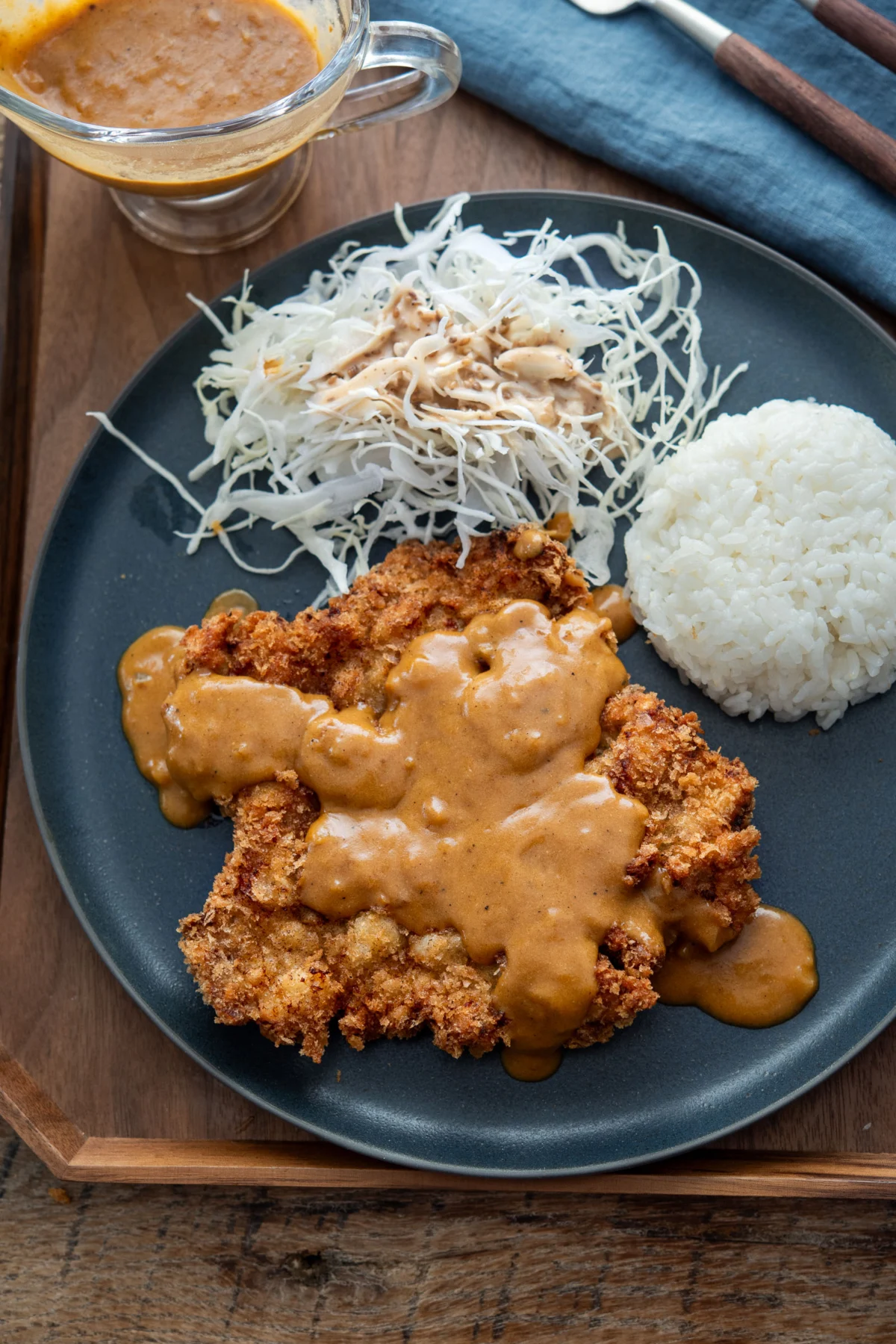
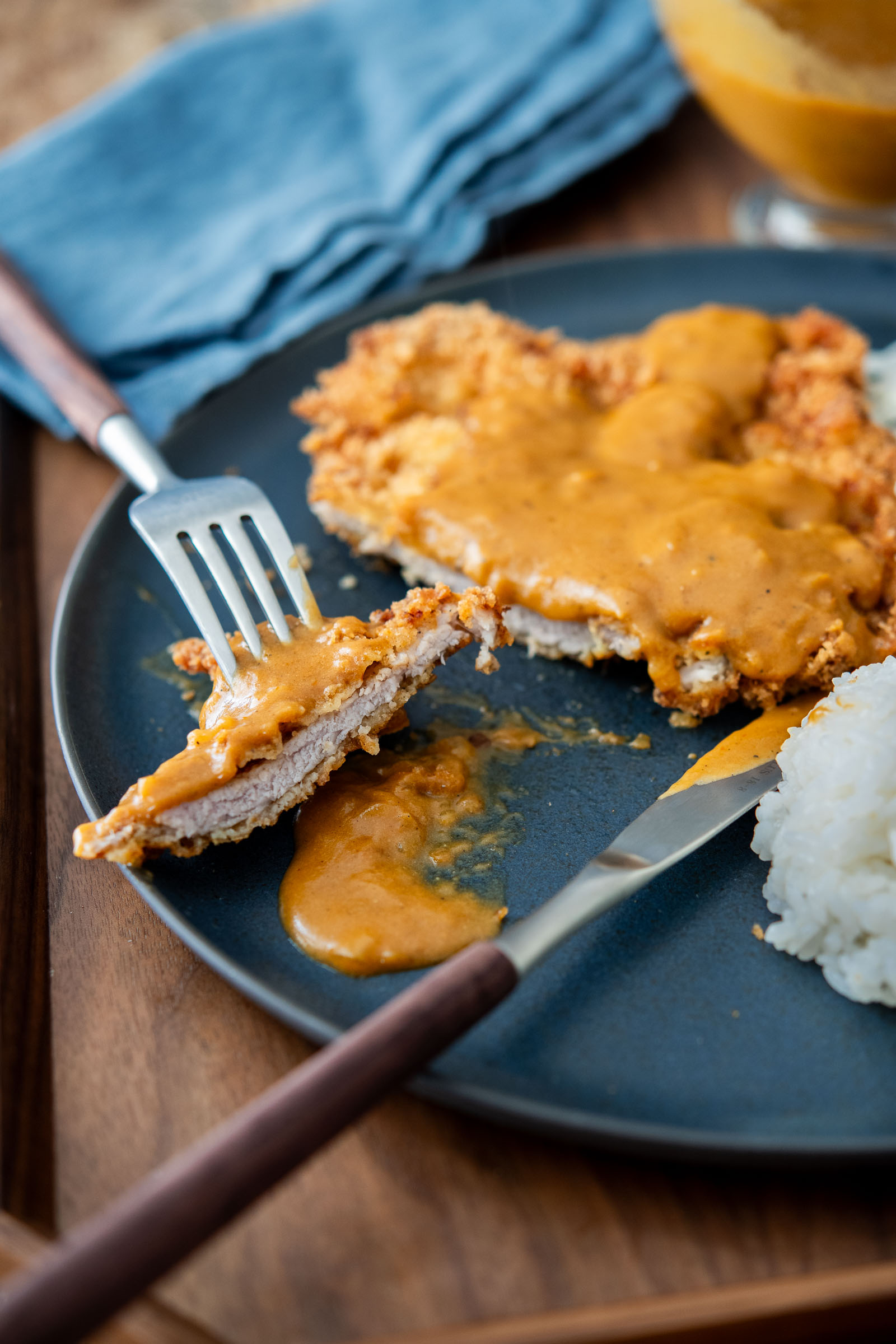
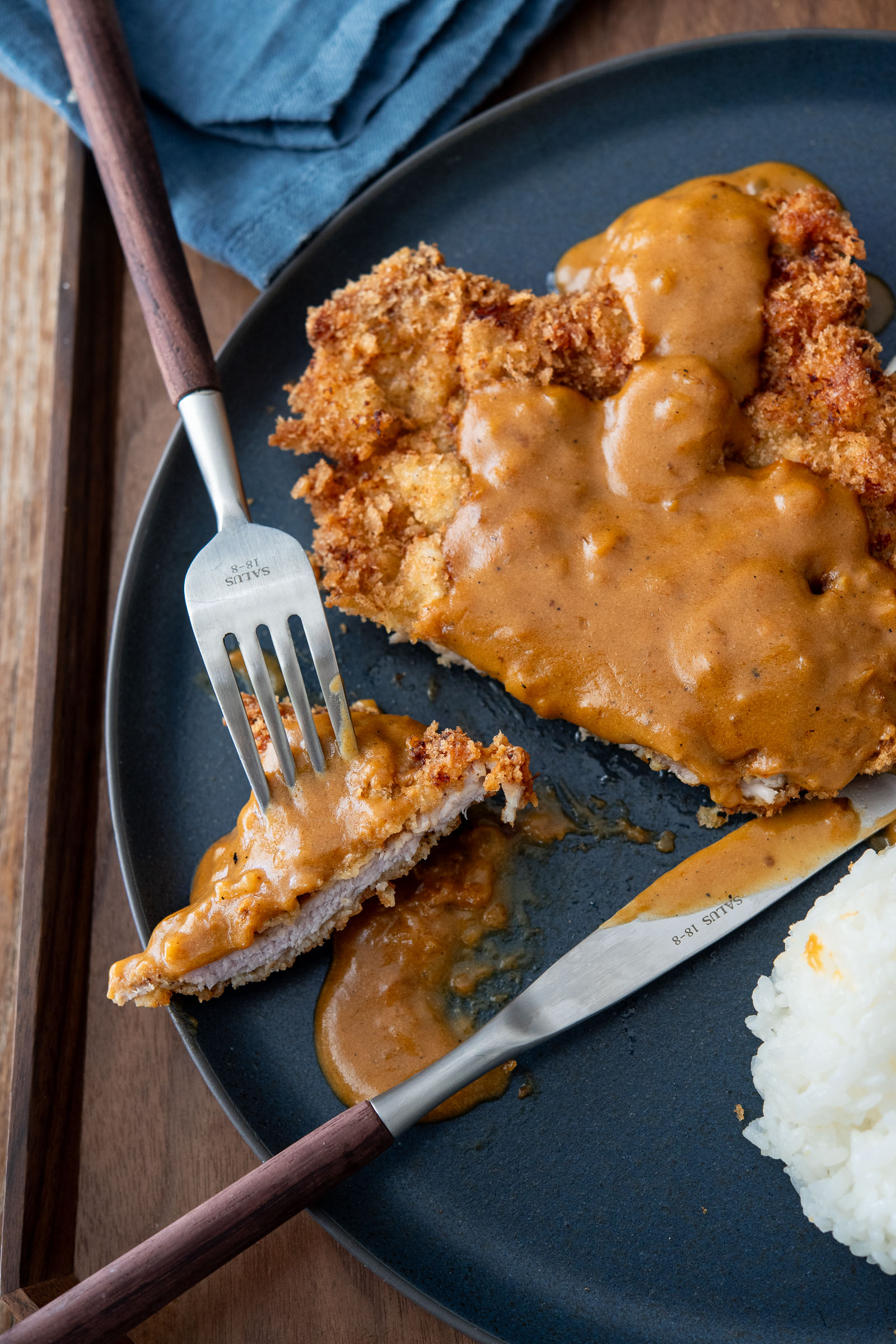
The Korean donkatsu, a thin, breaded pork cutlet served with a signature savory-brown gravy, stands as a defining artifact of South Korea’s mid-20th-century culinary evolution. While the dish traces its lineage to the Japanese tonkatsu—which itself was an adaptation of the European veal cutlet—the Korean iteration has developed a distinct identity. Unlike its Japanese counterpart, which is typically characterized by a thick loin and a crunchy, vertical panko crust, the Korean donkatsu is defined by its expansive, thin profile and its reliance on a rich, pourable sauce that transforms the dish into a comfort food staple served in the traditional gyeongyangsik style.
Historical Context and the Rise of Gyeongyangsik
The emergence of donkatsu in the Korean diet corresponds with the post-Korean War era, specifically the 1960s and 1970s. During this period, South Korea experienced rapid urbanization and the proliferation of gyeongyangsik restaurants. These establishments, translated as "light Western-style" restaurants, sought to introduce Western-influenced cuisine to a local palate. Donkatsu became the flagship dish of this movement. It represented an aspirational meal for a generation transitioning from traditional agricultural diets to urban dining habits.
For many Koreans, the dish is inextricably linked to childhood nostalgia. It was a primary celebratory meal—often served during graduations or family outings—and it solidified its place in the national consciousness as a symbol of accessible luxury. While the culinary landscape of Seoul has since diversified, the popularity of the dish has remained resilient, with specialized restaurants continuing to command long queues near landmarks like Namsan, an area historically famous for its dense concentration of donkatsu purveyors.
Technical Differences and Preparation Methods
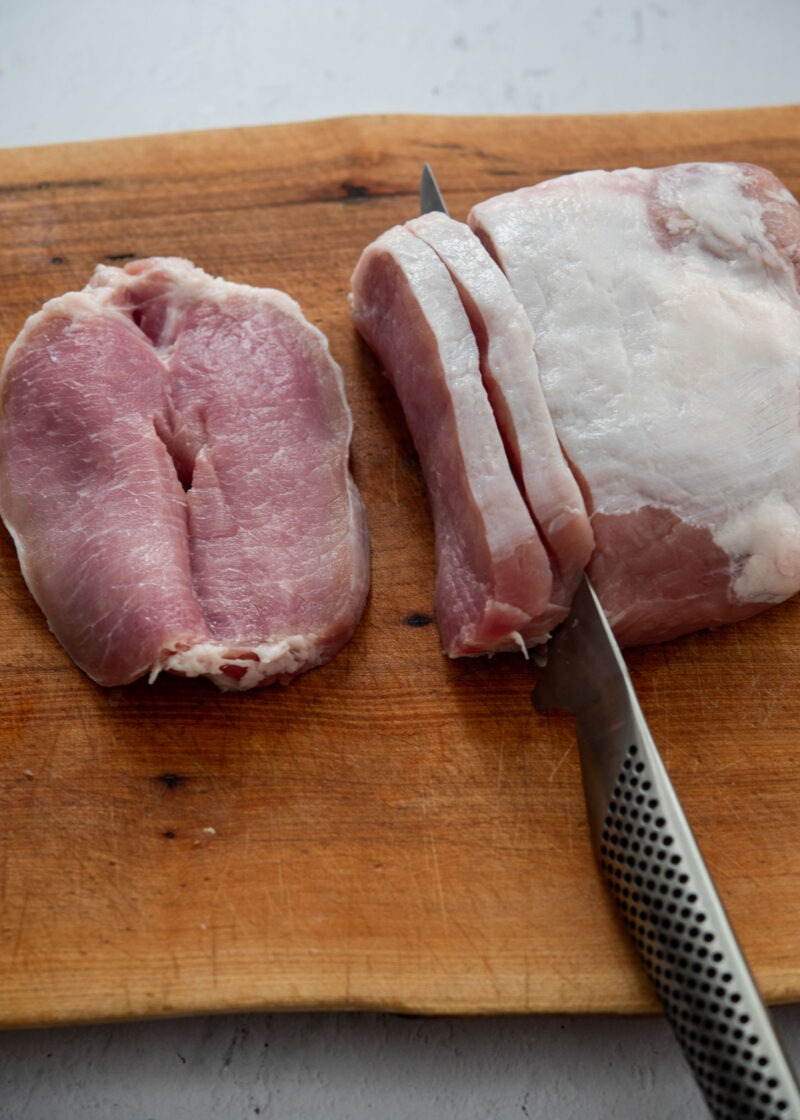
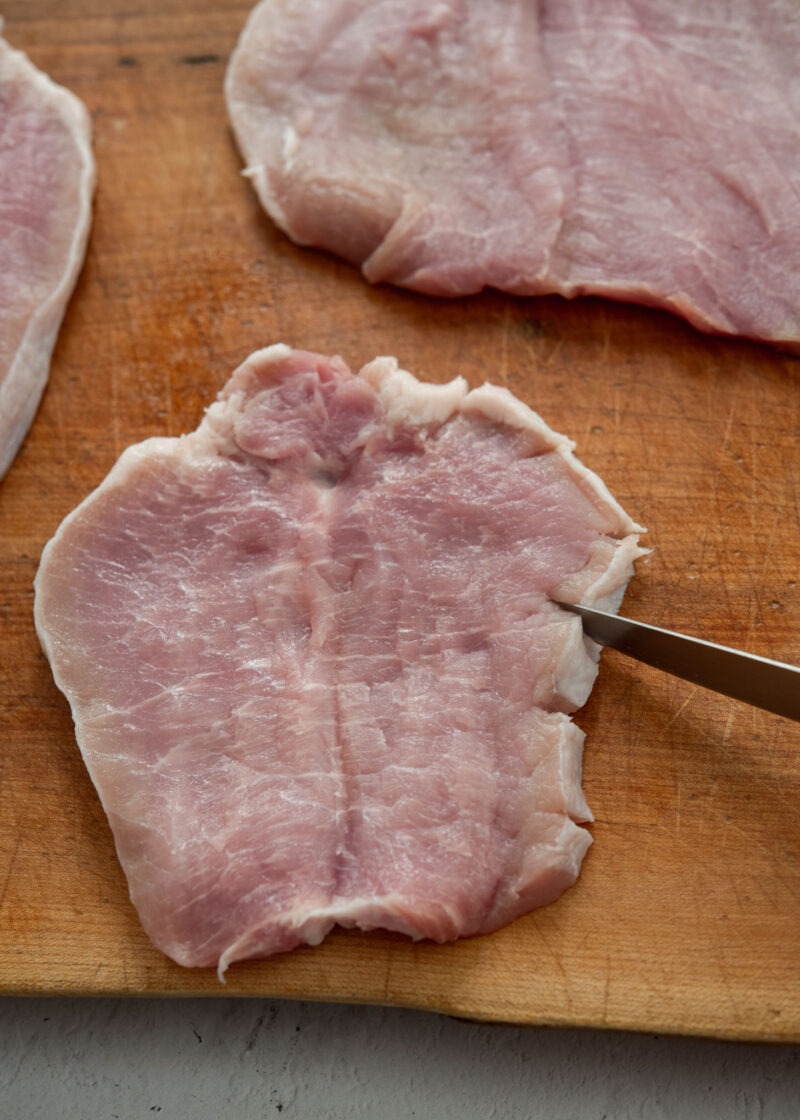
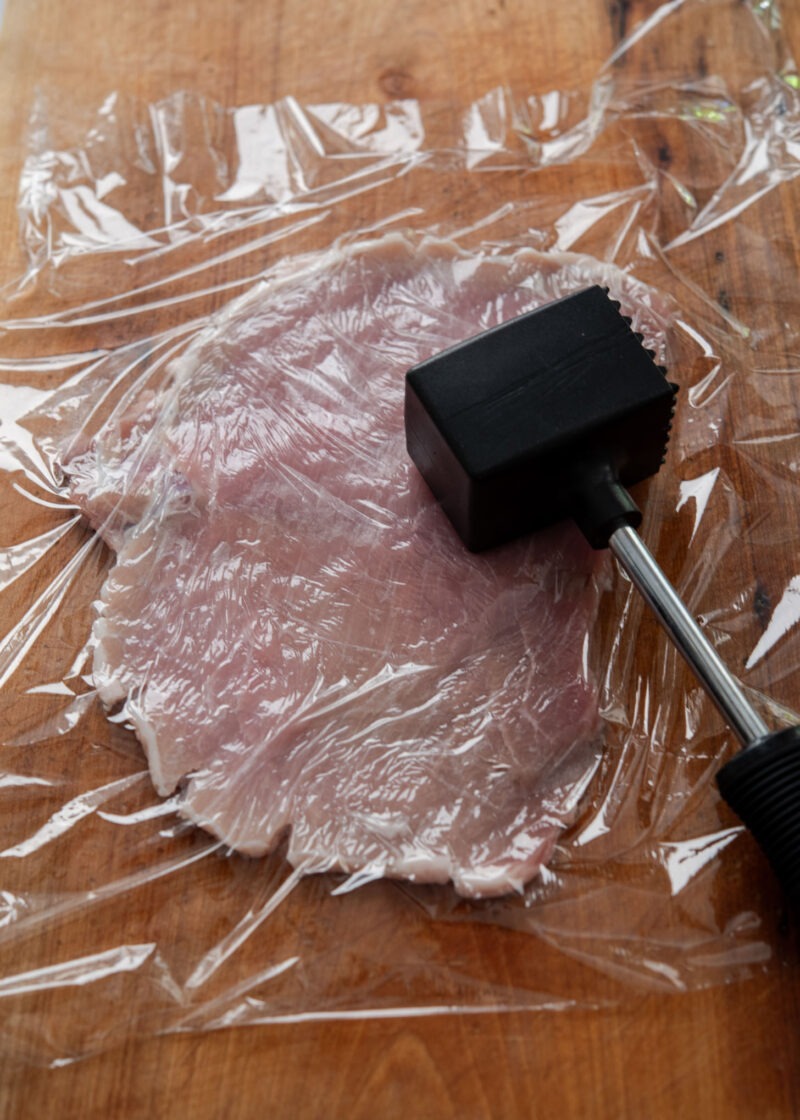
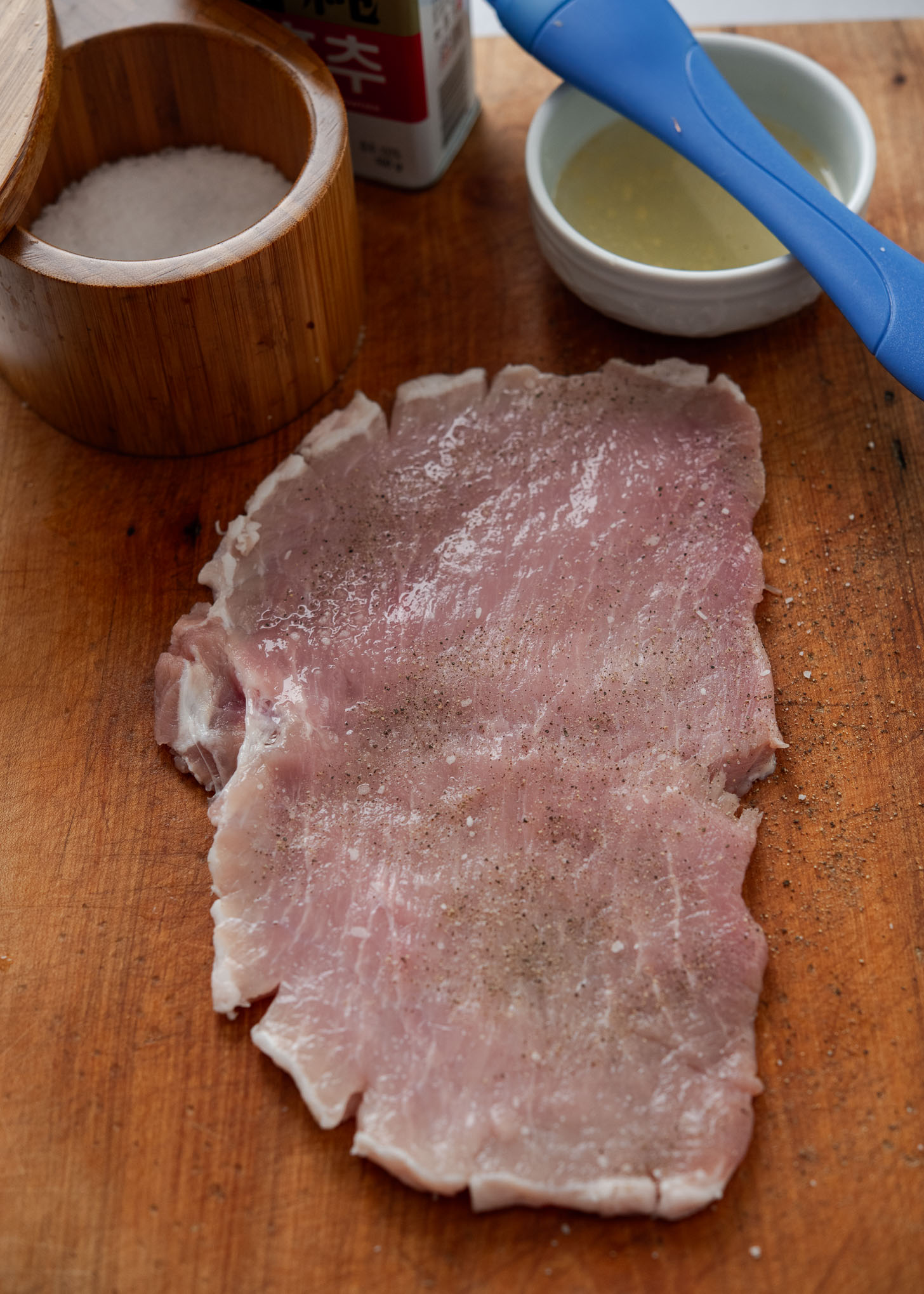
Culinary experts often note that the primary distinction between Japanese tonkatsu and Korean donkatsu lies in the physical preparation of the meat. In the Japanese tradition, the loin is often served at a thickness of 2 to 3 centimeters to emphasize the texture of the pork itself. Conversely, the Korean method prioritizes the surface area. Chefs frequently butterfly the pork loin and use a meat mallet to pound the cutlet until it reaches a uniform thickness of approximately 0.5 centimeters.
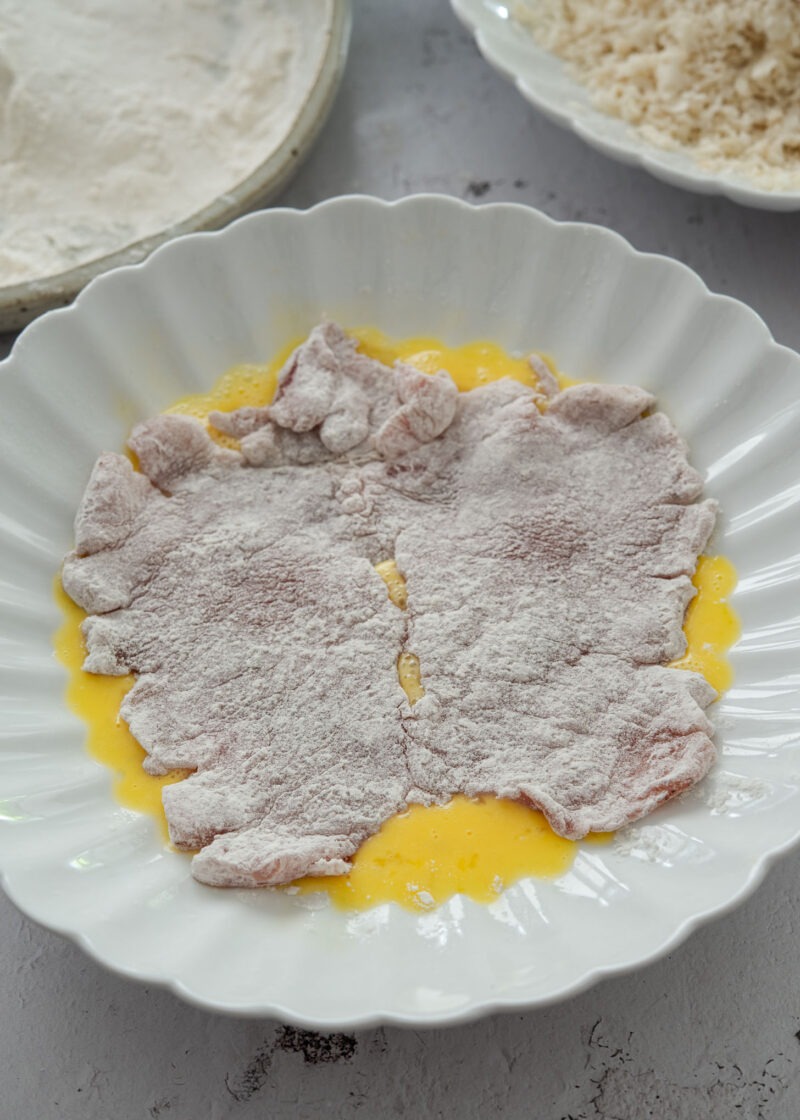
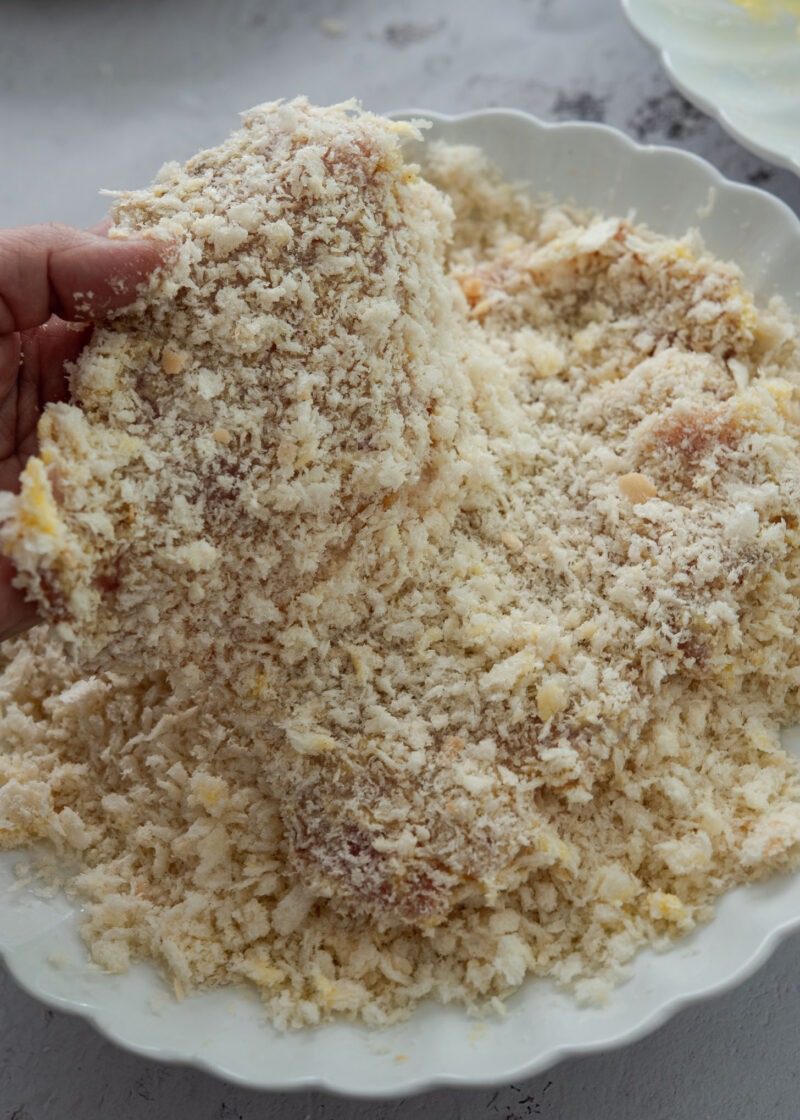
This flattening process serves a specific purpose: it allows for rapid, uniform frying and ensures that the meat achieves a tender, consistent texture that complements the specific style of breading. The breading process involves a standard three-stage application of flour, egg wash, and panko. However, the quality of the panko is considered paramount. Professional kitchens in Korea often favor "fresh" or frozen panko over dry, shelf-stable varieties, as the larger, airier flakes provide the characteristic craggy crust that absorbs the sauce without becoming overly sodden.
The Role of the Signature Brown Sauce
The sauce is the most significant point of divergence between Japanese and Korean varieties. Japanese tonkatsu is typically paired with a thick, fruit-based, acidic sauce—similar in profile to Worcestershire. In contrast, the Korean brown sauce is a derivative of a classic demi-glace or roux-based gravy.
The production of this sauce follows a specific chronological sequence in the kitchen:
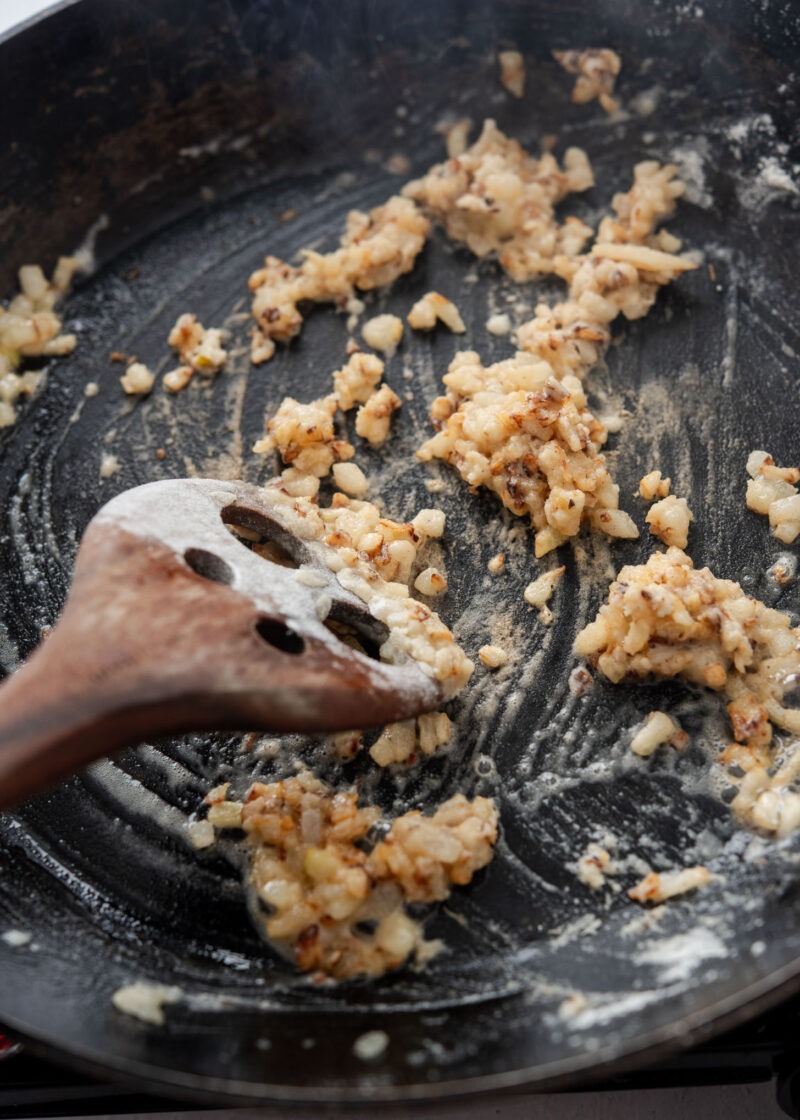
- Roux Foundation: Butter and flour are cooked together to create a light roux.
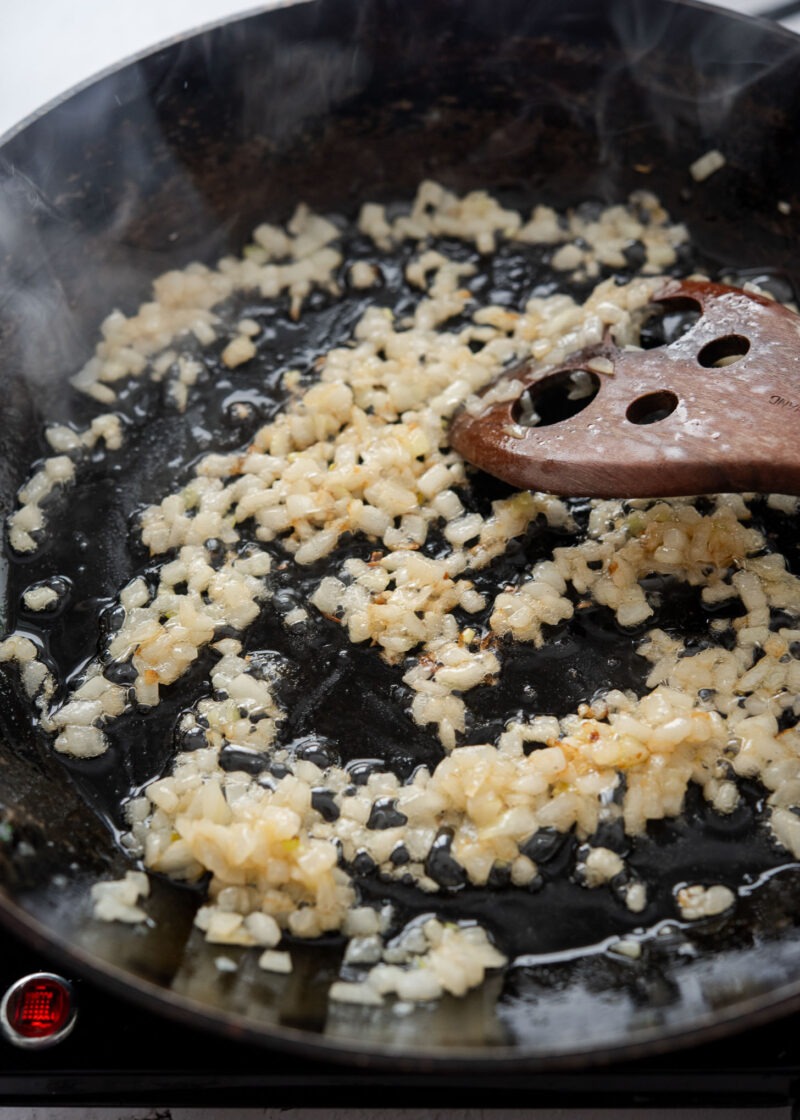
- Aromatics: Onions are caramelized to provide depth and natural sweetness.
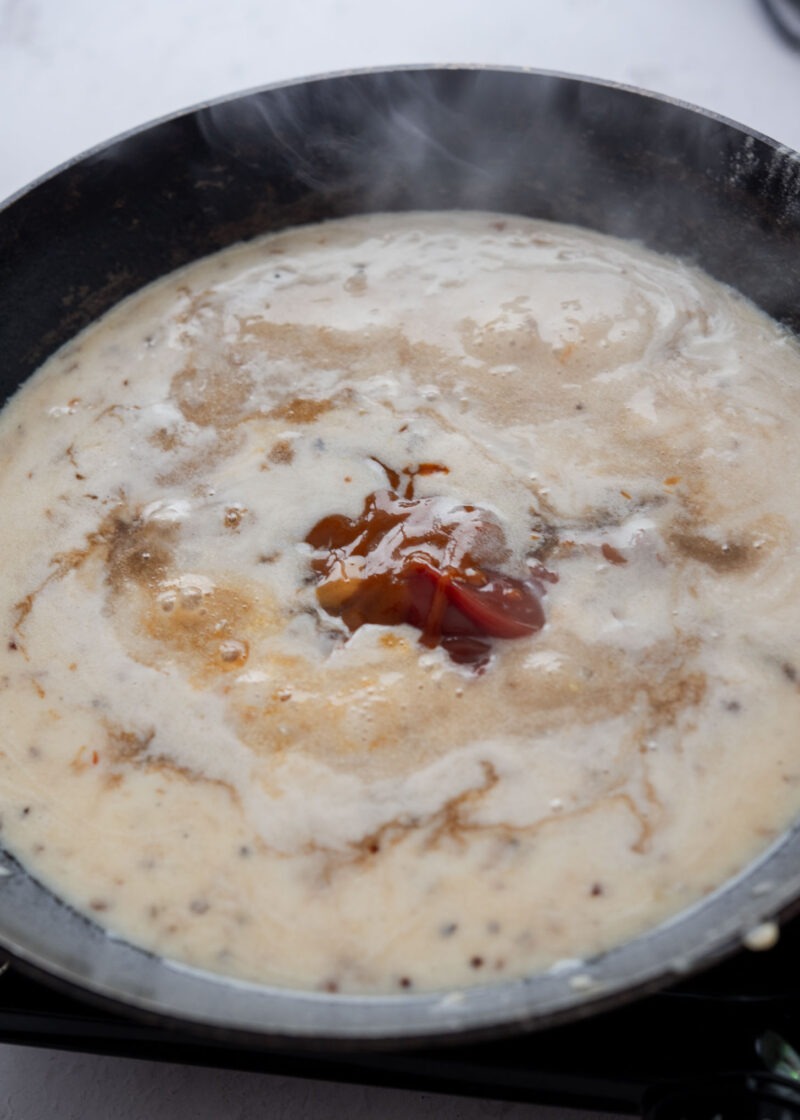
- Liquids and Seasonings: A blend of milk, ketchup, steak sauce, and occasionally Worcestershire sauce is whisked in to create a balanced profile of savory, sweet, and tangy notes.
- Simmering: The mixture is reduced to a consistency that is thin enough to be poured over the entire cutlet but thick enough to coat it uniformly.
This sauce serves as the defining element of the gyeongyangsik experience. By serving the cutlet drenched in this gravy, the dish loses the "dry" crunch of a traditional schnitzel and instead adopts a softened, integrated texture that has become the standard for the genre.
Economic and Cultural Implications
The enduring popularity of donkatsu has had a measurable impact on the South Korean pork industry. According to industry data, the demand for high-quality pork loin—the leanest cut of the pig—has remained consistently high due to the ubiquity of donkatsu restaurants. Unlike other pork dishes that utilize fatty belly or shoulder cuts, the demand for loin highlights a specific consumer preference within the domestic market.
Furthermore, the "Wang Donkatsu" (King Donkatsu) phenomenon, where portions are oversized to cover the entire plate, reflects a broader cultural trend in Korea towards "value-added" dining. The aesthetic of the dish, typically served with a scoop of white rice, shredded cabbage with a creamy dressing, and side dishes like kkakdugi (radish kimchi), demonstrates a fusion of Western plating with Korean side-dish culture. The inclusion of kimchi is not merely a side; it serves a functional purpose, providing a sharp, acidic counterpoint to the deep-fried, fatty profile of the cutlet.
The Evolution of the Industry
In recent years, the donkatsu market in South Korea has seen a bifurcation. On one end, there is a push toward "premium" artisanal restaurants that prioritize high-grade, aged pork and Japanese-style thick-cut methods. On the other, the "old-school" restaurants maintain a steady base of customers who prioritize the familiar, nostalgic taste of the 1980s-era brown sauce.
Food analysts note that this dual evolution is common in markets with a strong historical culinary attachment. The dish is no longer just a "Western-style" import; it has been fully naturalized into the Korean canon. The fact that the recipe can be prepared in approximately 40 minutes makes it a viable home-cooking option, further cementing its role in the modern Korean household.
Final Considerations for Preparation
The success of the dish relies heavily on the technique used to stabilize the meat. Chefs emphasize the importance of scoring the edges of the cutlet before frying; this prevents the meat from curling as it contracts under high heat. A temperature range of 170°C to 175°C (340°F–350°F) is considered the "sweet spot" for achieving a golden-brown crust without burning the panko.
As South Korea continues to refine its global culinary image, the donkatsu remains a humble, effective reminder of the country’s mid-century modernization. While it may have started as an imitation of foreign cuisine, it has evolved into a domestic institution, proving that even the most "Western" of dishes can become an essential pillar of local culture when adapted with local techniques and, most importantly, local flavor preferences.
