

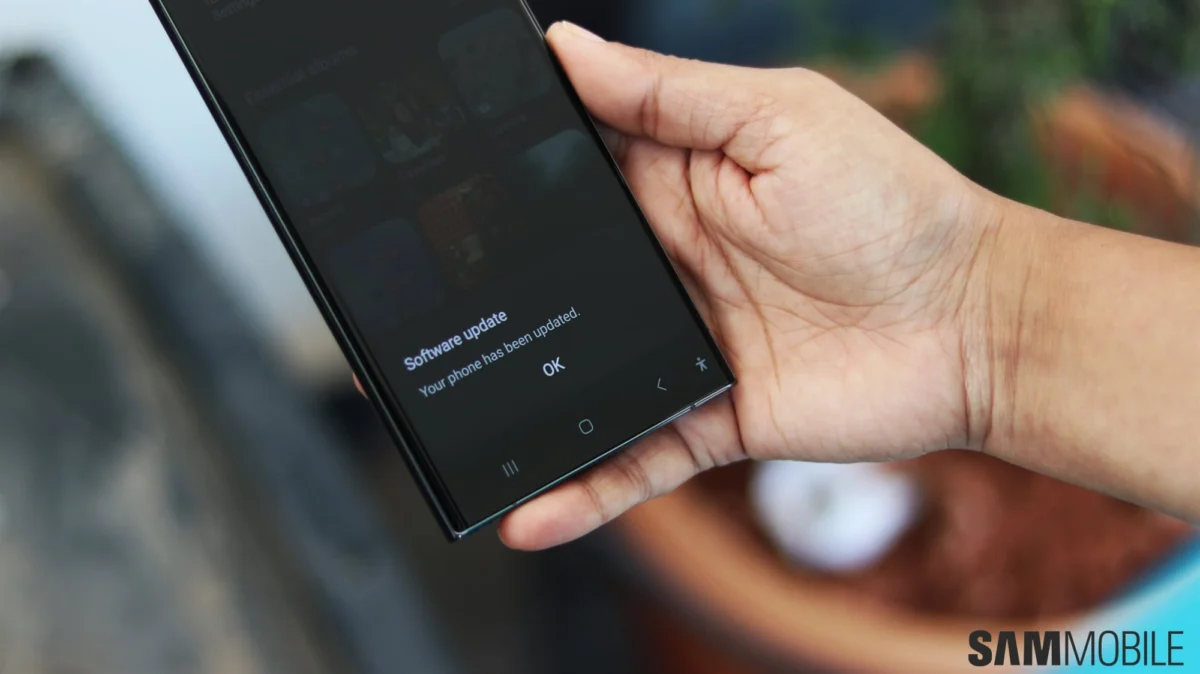
The rollout marks a significant milestone in Samsung’s software support lifecycle, as the Galaxy S23 series—launched in early 2023—continues to receive major platform upgrades ahead of many competitors in the Android ecosystem. This release, confirmed on October 14, 2026, initiates the transition from the beta testing phase to a full public rollout, beginning with users in South Korea who participated in the preliminary One UI 9.0 testing program.
Chronology of the One UI 9.0 Development
The journey toward this stable release began months prior, following the standard cadence of Samsung’s development cycle. Samsung typically initiates its One UI beta programs in the late summer, allowing developers and enthusiasts to stress-test new Android iterations.
In mid-2026, Samsung opened the One UI 9.0 beta program for the flagship S-series, allowing select users to provide telemetry and feedback regarding system stability, battery optimization, and UI fluidity. The progression followed a series of beta builds that addressed critical bugs identified during the initial weeks of testing. By early October 2026, the software reached a level of stability deemed suitable for a general consumer audience. Following the initial deployment in South Korea, Samsung is expected to expand the availability of the firmware to European and North American markets within the coming weeks, adhering to its regional phased rollout strategy.
Technical Context and Android 17 Integration
One UI 9.0, built upon the foundation of Android 17, introduces several refinements aimed at system efficiency and user privacy. While the underlying Android 17 architecture focuses on granular permission management and enhanced background task optimization, Samsung’s custom overlay—One UI—adds proprietary features that define the Galaxy experience.
Key improvements in this version include a redesigned notification shade, enhanced multitasking capabilities, and deeper integration of on-device artificial intelligence. Samsung has focused heavily on reducing the "jank" or frame-rate drops often associated with high-refresh-rate displays during intense system animations. Furthermore, the update includes the latest security patches, which are critical for mitigating vulnerabilities discovered in the Android kernel during the third quarter of 2026.
Supporting Data and Device Longevity
The Galaxy S23 series, which launched with Android 13, has now successfully received four major Android OS upgrades. This trajectory aligns with Samsung’s commitment to providing long-term software support for its flagship devices. Historically, Android manufacturers struggled to provide more than two years of support; however, Samsung’s current policy—which guarantees four generations of OS upgrades and five years of security updates for select models—has redefined consumer expectations.
As of October 2026, the Galaxy S23 Ultra remains one of the most widely used devices in the Samsung ecosystem, retaining a high retention rate among power users. The stability of One UI 9.0 is crucial for these users, as software performance is a primary driver for hardware longevity. Internal data from Samsung’s developer portal suggests that the transition to Android 17 is significantly less resource-intensive than previous transitions, potentially extending the usable lifespan of the S23 series hardware well into 2027 and beyond.
Strategic Implications for Samsung
The rollout of One UI 9.0 is not merely a software update; it is a critical component of Samsung’s competitive strategy. In the highly saturated premium smartphone market, software support is a major differentiator. By providing timely updates, Samsung minimizes the incentive for users to migrate to rival platforms, specifically those that offer similar longevity promises.

Moreover, the rollout highlights the efficiency of Samsung’s software division. Managing the fragmentation of the Android ecosystem remains the primary challenge for original equipment manufacturers (OEMs). By leveraging a standardized "One UI" framework across the S23, S23+, and S23 Ultra, Samsung streamlines the debugging process. The South Korea-first deployment strategy serves as a final "field test," allowing the company to intercept any localized issues before the software reaches the broader, more heterogeneous global market.
Official Stance and User Expectations
While Samsung has not issued a formal press release detailing every granular change in One UI 9.0, the company’s developer documentation emphasizes "seamless ecosystem integration." Samsung officials have previously noted that the goal of each iteration is to reduce the barrier between mobile devices, tablets, and Windows-based PCs.
The community reaction, monitored through various forums and tech feedback channels, has been largely positive regarding the stability of the beta versions. Users have highlighted improvements in thermal management during high-performance tasks, an area that was previously a point of contention during the initial launch phase of the S23 series. As the stable version reaches more devices, analysts expect a decrease in support tickets related to system instability, which is a testament to the effectiveness of the beta testing program.
Broader Market Impact
The release of Android 17 for the Galaxy S23 series sets a benchmark for the rest of the Android industry. It underscores the importance of the "Software-as-a-Service" model within the hardware industry. As smartphones become increasingly powerful, the hardware often outlasts the software support provided by the manufacturer. By extending this support, Samsung is effectively reducing e-waste and increasing the secondary market value of their devices.
Furthermore, this update provides developers with a stable target for optimizing applications. With a significant portion of the Samsung user base transitioning to Android 17, application developers can confidently implement features that rely on the latest APIs provided by the operating system, knowing that a large, active segment of the market is capable of supporting them.
Looking Ahead
The rollout will continue in stages. Following the South Korean launch, Samsung typically releases updates to its home market first, followed by markets in Europe, and finally the Americas and the rest of Asia. Owners of the Galaxy S23, S23+, and S23 Ultra can monitor the "Software Update" section within their device settings to check for the availability of the firmware.
To ensure a smooth transition to One UI 9.0, Samsung recommends that users back up their data via Samsung Cloud or Smart Switch before initiating the update. The update, which is several gigabytes in size, is best downloaded over a stable Wi-Fi connection to avoid potential data corruption.
As the technology landscape continues to evolve, the ability for Samsung to maintain this update cadence will remain a central pillar of their market dominance. The successful deployment of One UI 9.0 serves as a validation of the company’s long-term software strategy, reinforcing their position as a leader in both hardware innovation and software lifecycle management. As the industry moves toward 2027, the focus will likely shift to how this new software architecture handles the demands of next-generation mobile applications and the ever-increasing need for robust cybersecurity measures.
