

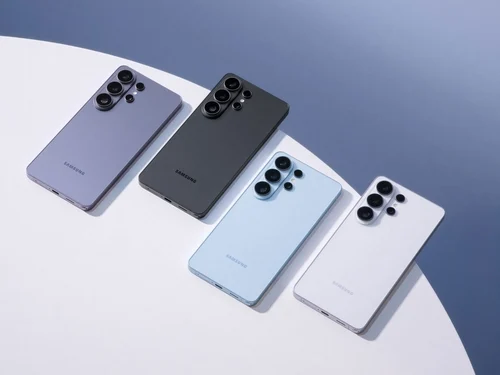
The prestigious annual recognition from TIME, which highlights products and services changing the way we live, work, and play, has once again underscored the dominance of South Korean technology giant Samsung Electronics. In its 2026 iteration, the magazine selected the Galaxy S26 Ultra smartphone, the Bespoke AI Family Hub refrigerator, and the Odyssey G8 G80HS gaming monitor as standout inventions. This achievement marks a significant milestone for Samsung, as the company navigates an increasingly competitive global landscape defined by rapid advancements in generative artificial intelligence and high-performance hardware.
The Methodology of Selection
The TIME Best Inventions list is compiled through a rigorous process involving nominations from the publication’s editors and correspondents across the globe. Each candidate is evaluated based on a specific set of criteria, including originality, efficacy, ambition, and overall impact. By selecting these three distinct Samsung products, TIME has signaled that the company’s current strategy—which focuses on integrating deep AI capabilities into everyday consumer electronics—is resonating with industry analysts and the broader public alike.
Galaxy S26 Ultra: Redefining Mobile Security and Market Reach
Perhaps the most notable inclusion is the Galaxy S26 Ultra. Despite an entry price point exceeding US$1,000, the device has achieved the title of the world’s fastest-selling Android smartphone of the year. This commercial success is particularly striking given current global economic headwinds and a market characterized by consumer hesitation toward high-end electronics.
The primary driver behind the S26 Ultra’s acclaim is its innovative approach to user privacy. The device features a proprietary privacy display technology that utilizes advanced light-refraction layers to limit screen visibility from extreme side angles. While screen privacy protectors have existed for years as physical add-ons, Samsung’s implementation is hardware-integrated, maintaining color accuracy and brightness for the primary user while effectively "blacking out" the display for onlookers.
Beyond privacy, the device’s success is a testament to the maturation of the "Ultra" brand within the Galaxy ecosystem. Analysts suggest that the convergence of professional-grade photography hardware, long-term software support, and the integration of on-device AI for real-time translation and content summarization has cemented the S26 Ultra as the gold standard for enterprise and power users.
The AI Kitchen: Bespoke AI Family Hub
In the realm of smart home appliances, Samsung’s Bespoke AI Family Hub refrigerator has been recognized for its practical application of generative AI. By partnering with Google to integrate the Gemini AI model, Samsung has moved beyond simple inventory tracking. The refrigerator can now visually identify over 2,000 distinct packaged food items through its internal camera array, providing users with automated expiration alerts and recipe suggestions based on current inventory.
This integration represents a pivot in the "Smart Home" sector. For years, critics argued that smart fridges were an unnecessary novelty. However, by solving the perennial issue of food waste through automated inventory management, Samsung has moved the product into the realm of essential utility. Industry experts note that as the cost of groceries continues to fluctuate globally, appliances that actively assist in household resource management are seeing a significant uptick in adoption rates among mid-to-high-income demographics.
Gaming Evolution: The Odyssey G8 G80HS
Completing the trio is the Odyssey G8 G80HS gaming monitor. This 32-inch display has been praised for bridging the gap between high-fidelity creative work and competitive esports performance. The monitor features a dual-mode display architecture that allows users to toggle between two distinct output settings: a 6K resolution mode for high-fidelity tasks such as video editing or graphic design, and a 3K resolution mode that prioritizes a 330Hz refresh rate.
This "hybrid" capability is designed to cater to the growing segment of "prosumers"—individuals who use the same hardware for high-stakes gaming and professional productivity. By allowing users to switch between resolution and speed with the press of a button, Samsung has eliminated the need for users to maintain two separate setups, thereby optimizing both desk space and capital investment.
Chronology of Samsung’s 2026 Innovation Cycle
The road to these accolades began in late 2025, when Samsung unveiled its "AI-First" vision for the upcoming year. The company’s internal R&D roadmap prioritized the decentralization of AI—moving from cloud-dependent tasks to on-device processing.
- January 2026: Samsung introduces the "AI-Everywhere" ecosystem at major global tech trade shows, highlighting the integration of large language models (LLMs) into consumer appliances.
- March 2026: The global rollout of the Galaxy S26 series begins, with initial sales figures immediately exceeding internal projections by 15%.
- June 2026: Samsung expands its Bespoke AI appliance lineup to include markets in Europe and North America, focusing on energy efficiency and AI-assisted waste reduction.
- August 2026: The Odyssey G8 G80HS is launched, targeting the premium PC gaming market, which has seen a resurgence following the release of next-generation graphics hardware.
- October 2026: TIME magazine publishes its annual Best Inventions list, featuring the three products, marking a successful third quarter for the company.
Industry Implications and Market Impact
The inclusion of these products in such a prominent list serves as a validation of Samsung’s current business strategy. By focusing on the "invisible" integration of AI, the company is successfully differentiating itself from competitors who often focus solely on hardware specifications.
Market analysts from firms such as Gartner and IDC have noted that the "AI-feature gap" is becoming the primary driver of consumer purchasing behavior. As software features like real-time translation, generative image editing, and automated household management become common expectations, companies that successfully implement these features on stable, reliable hardware will likely capture the largest share of the premium market.
Furthermore, the recognition of these products provides a significant marketing advantage. In an era where consumers are bombarded with thousands of product choices, a "TIME Best Invention" seal carries substantial weight, potentially shortening the sales cycle for these specific models during the upcoming holiday shopping season.
Official Response and Future Outlook
While Samsung Electronics has not released a formal press conference in response to the announcement, internal statements from executive leadership have emphasized the company’s commitment to "Human-Centric Innovation." A spokesperson for the company noted that the goal for the remainder of the decade is to continue refining the interaction between humans and machines, ensuring that AI acts as an invisible facilitator rather than an intrusive presence.
Looking ahead, the success of the Odyssey G8 and the S26 Ultra indicates that Samsung is likely to further consolidate its "dual-purpose" hardware strategy. Future iterations of these devices are expected to leverage even more sophisticated NPU (Neural Processing Unit) architectures, potentially allowing for complex machine learning tasks to be performed entirely offline, further enhancing the privacy features that contributed to the S26 Ultra’s recognition.
Conclusion
The selection of three Samsung products for the 2026 TIME Best Inventions list is more than a marketing victory; it is a barometer for the current state of consumer technology. It highlights a shift toward AI-integrated appliances, hardware that adapts to user needs, and a heightened demand for privacy-first mobile devices. As the tech industry continues to evolve, the ability to balance cutting-edge software with durable, well-designed hardware will remain the key determinant of long-term success. Samsung’s presence on this list suggests that, at least for the current year, the company has successfully navigated these challenges, setting a high bar for competitors in the process.
