

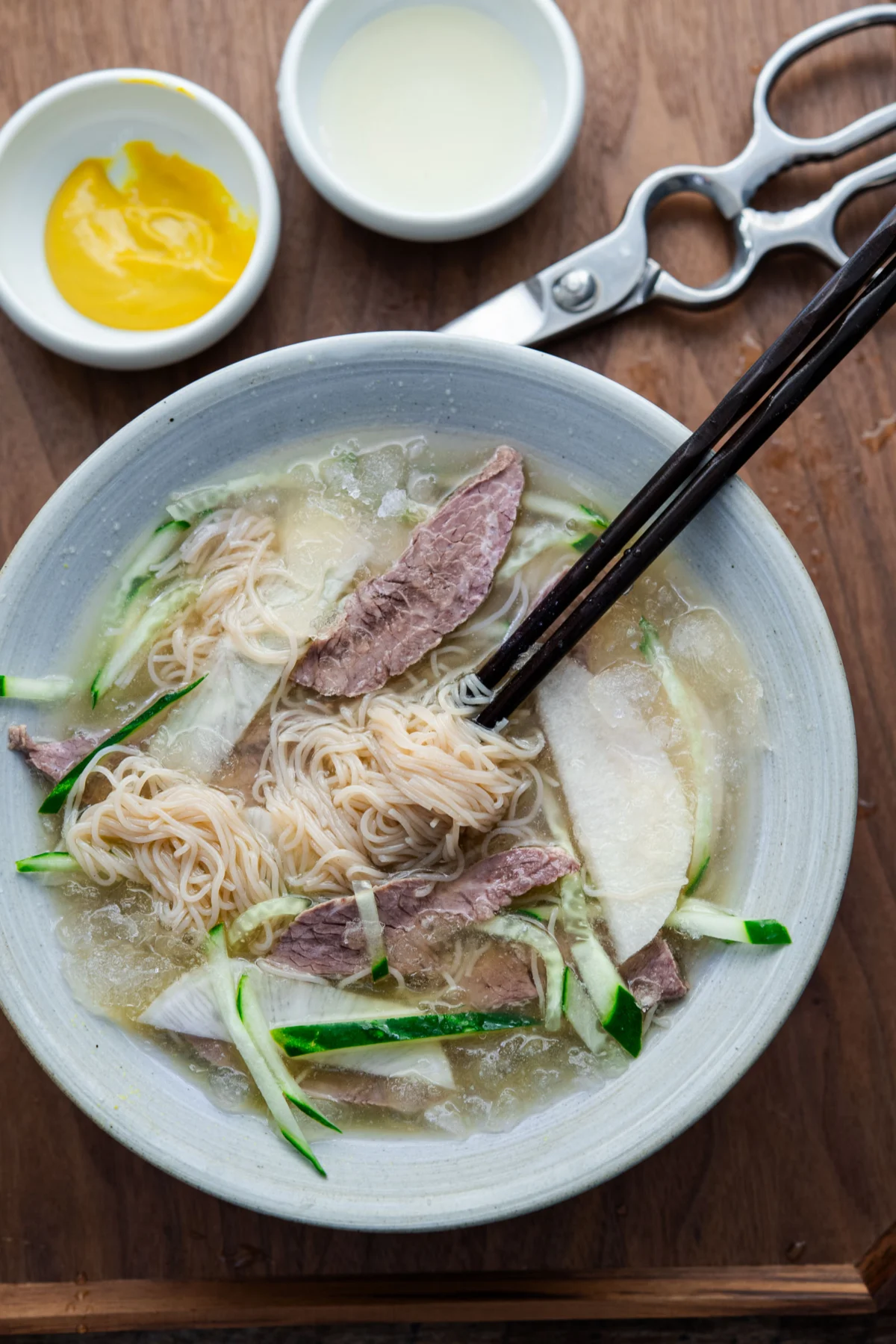
Mul naengmyeon stands as one of the most iconic culinary symbols of the Korean summer, representing a sophisticated balance of tradition, science, and sensory relief against high temperatures. This dish, characterized by its thin, chewy buckwheat noodles submerged in a chilled, clear, and savory beef-based broth, serves as a staple of the Korean peninsula’s gastronomic heritage. While the dish was historically associated with the northern regions—most notably Pyongyang—it has evolved into a ubiquitous seasonal offering across Korea and, increasingly, within the global culinary landscape.
The history of naengmyeon is deeply rooted in the agricultural cycles of the Korean peninsula. Traditionally, buckwheat was a hardy crop harvested in the late autumn, making buckwheat noodles a winter delicacy in Northern Korea. Cold noodle soup was historically consumed during the colder months when the natural ambient temperature provided the necessary chilling effect for the broth. However, with the advent of modern refrigeration and urban migration, the consumption patterns shifted dramatically. By the mid-20th century, the dish transitioned into a quintessential summer meal, valued for its ability to lower core body temperature and provide hydration during the humid, sweltering summer months of July and August.
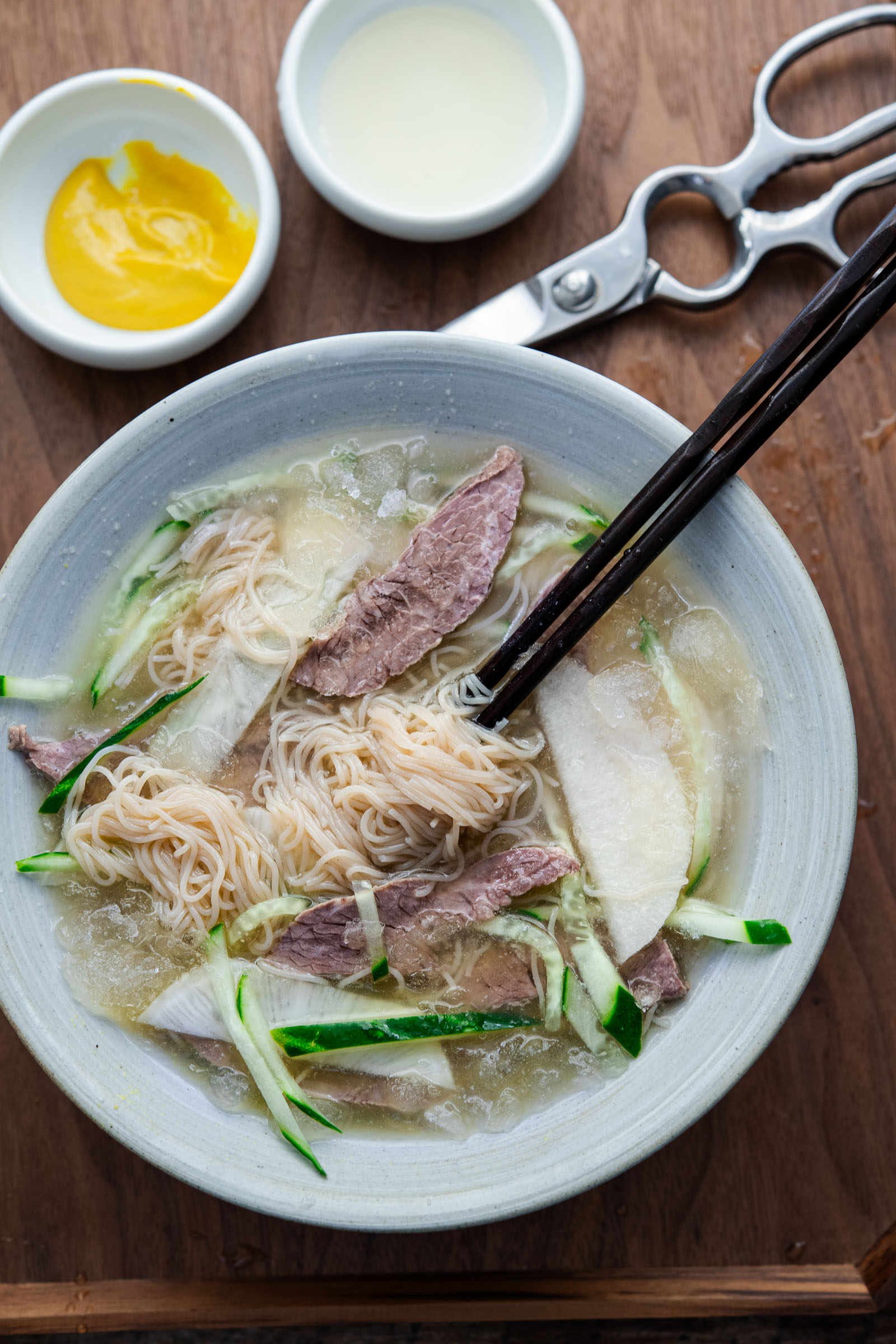
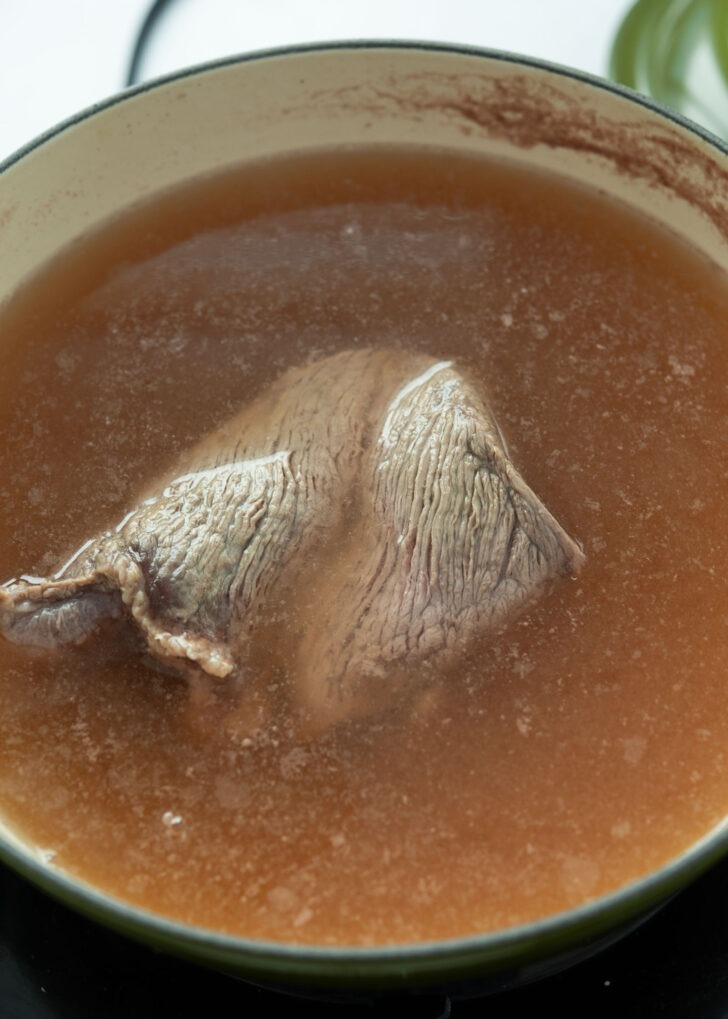
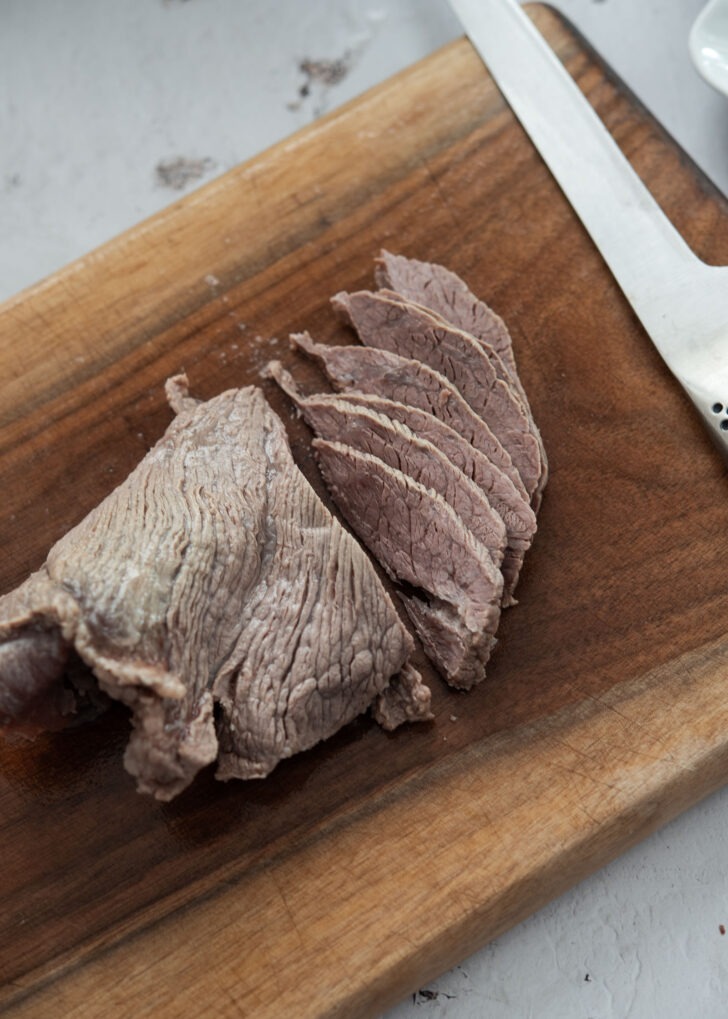
The production of mul naengmyeon requires a precise, methodical approach. Unlike many other noodle dishes that rely on rich, heavy sauces or fats, this dish is defined by its restraint. The broth is the centerpiece; it is typically prepared by simmering beef brisket or shank with aromatic vegetables to create a deep, umami-rich base. The cooling process is equally critical. In professional kitchens, the broth is often tempered with dongchimi—a traditional radish water kimchi—which introduces a delicate acidity and a characteristic tang. This blend of beef stock and fermented brine creates a nuanced profile that is simultaneously clean and complex.
From a nutritional and physiological perspective, mul naengmyeon offers a unique profile for warm-weather consumption. Data suggests that the combination of buckwheat, which is high in dietary fiber and resistant starch, and the lean protein content from the beef slices, provides a balanced energy source that is easily digestible. A standard serving contains approximately 420 calories, with a protein content of roughly 22 grams. The high water content in the broth, combined with essential electrolytes from the fermented brine, assists in maintaining hydration levels during extreme heat, a functional benefit that has bolstered its popularity among the workforce during summer heatwaves.
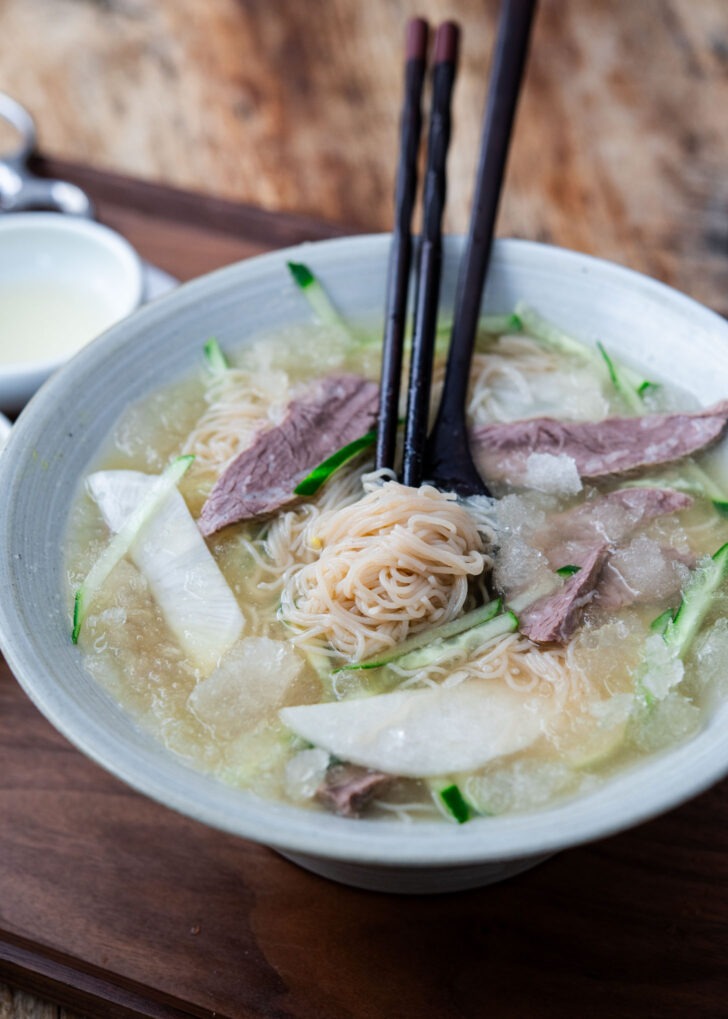
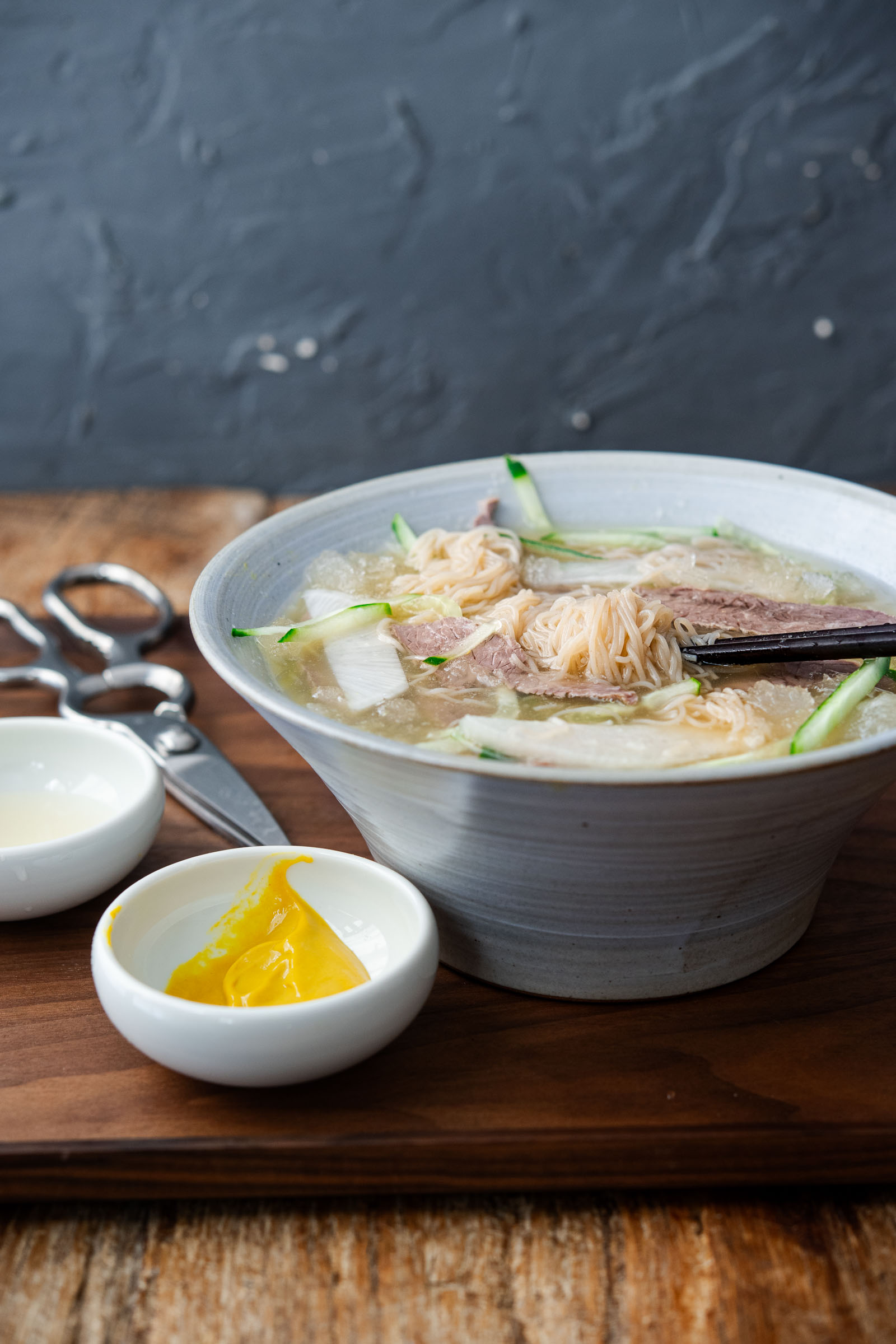
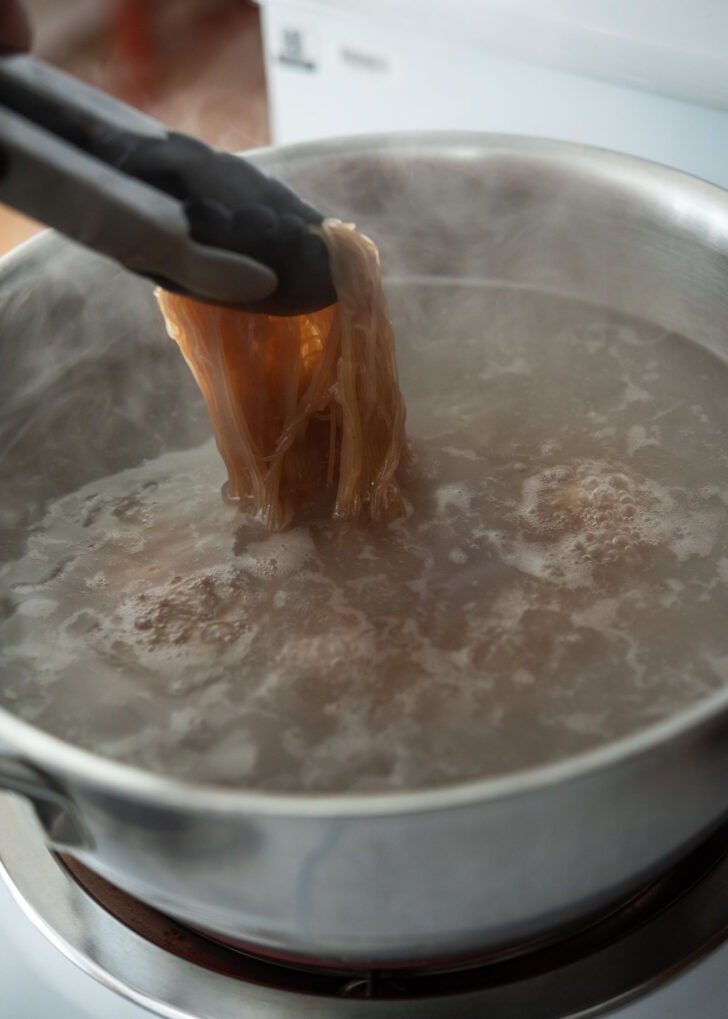
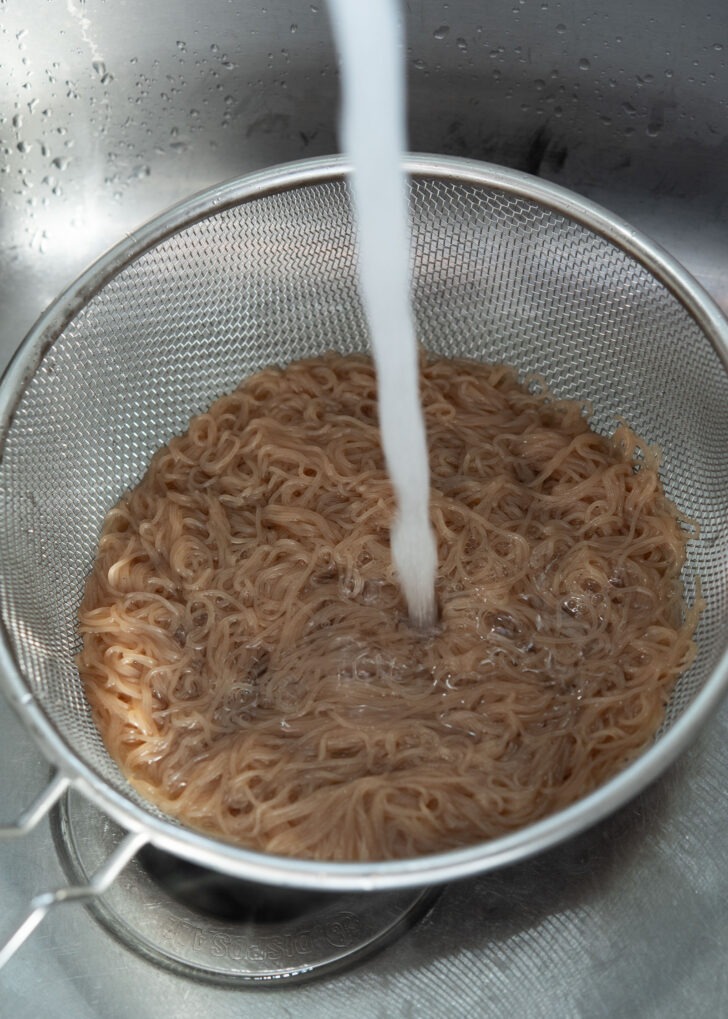
The technical assembly of the dish follows a strict order to maintain the integrity of the noodles. The buckwheat noodles are boiled briefly before being subjected to a rigorous ice-water rinse. This process is not merely for cooling; it is a vital step in removing surface starch, which ensures the noodles maintain their signature "chew" (often referred to as ‘jjolgit’ in Korean). Once rinsed, the noodles are coiled into a bowl, followed by the pouring of the chilled broth, and finally garnished with thin slices of beef, pickled cucumber, julienned Korean pear, and occasionally a hard-boiled egg. The final touch—a slushy, icy layer—is often achieved by chilling a concentrated portion of the broth until it forms fine ice crystals, which are then distributed over the top. This technique serves to keep the bowl at an optimal serving temperature, preventing the broth from warming up during consumption.
The broader implications of the mul naengmyeon market are significant within the hospitality industry. Seasonal sales data from major South Korean restaurant chains consistently show a 30% to 40% spike in revenue specifically attributed to naengmyeon offerings between June and August. This demand has led to a standardized industrial approach where high-quality broth bases are now produced at scale, allowing for the "home-kitchen" adaptation of the dish using specialized beef stock granules, such as the popular "sogogi dashida." While purists argue that the labor-intensive, slow-simmered approach is superior, culinary analysts note that the rise of high-quality, shelf-stable ingredients has democratized the dish, allowing for wider consumption outside of traditional restaurant settings.
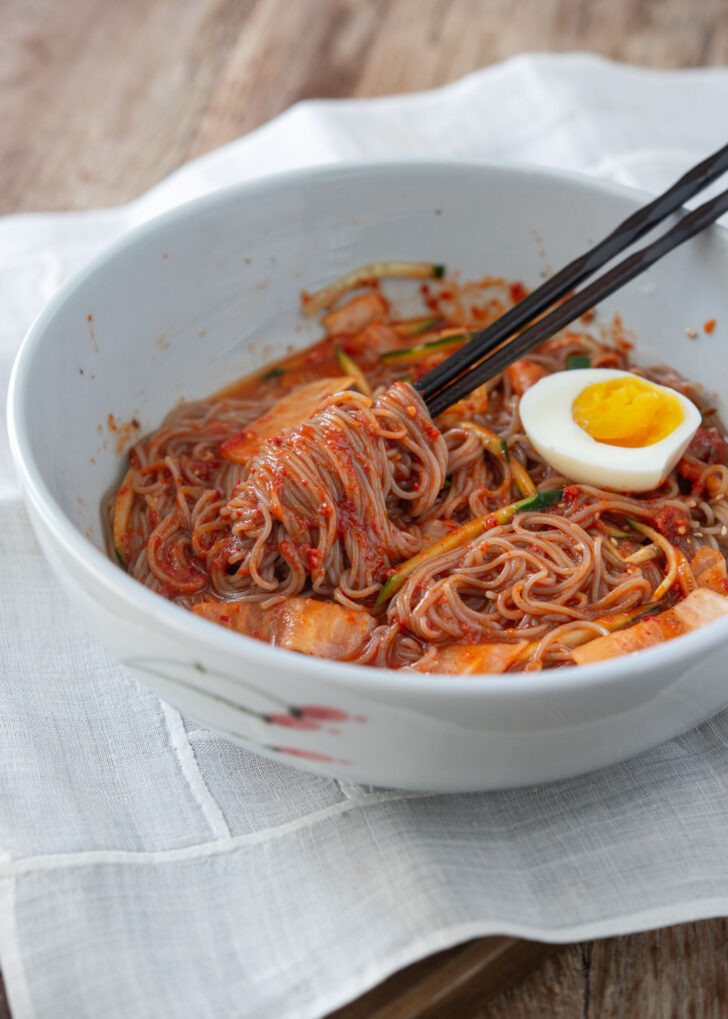
Culinary experts frequently distinguish between the two primary regional styles: the Pyongyang style and the Hamheung style. The Pyongyang variety focuses on the delicate, mild, and clean broth profile, emphasizing the natural flavor of the buckwheat. In contrast, the Hamheung style is typically synonymous with "bibim naengmyeon"—a spicy, brothless variant that relies on a potent gochujang-based sauce. The existence of these two distinct categories highlights the geographical diversity of Korean cuisine, where the northern climate influenced a reliance on fermented, clear liquids, while the coastal and eastern regions favored bolder, spice-forward profiles.

The cultural significance of mul naengmyeon extends into the realm of social dining. In many parts of Korea, it is common for the dish to be seasoned at the table by the diner. Vinegar and spicy yellow mustard are provided as standard condiments, allowing individuals to customize the acidity and sharpness of the broth. This interaction is considered an essential part of the dining experience, reflecting a cultural preference for personalized flavor balance. Furthermore, the use of kitchen scissors to cut the long, elastic noodles is a standard, if occasionally debated, practice that emphasizes the importance of comfort and convenience in traditional dining etiquette.
Modern food science has also taken an interest in the "chew" factor of naengmyeon. The elasticity of the noodles, often achieved through the addition of potato or sweet potato starch to the buckwheat flour, is a subject of ongoing research regarding food texture and consumer preference. The balance between the firmness of the noodle and the fluidity of the broth creates a texture contrast that is highly sought after. Restaurants that master this balance are often the subject of intense media scrutiny and competitive reviews, reflecting the high standards expected by the public.
As the global interest in Korean cuisine continues to grow, mul naengmyeon is increasingly appearing on menus in international culinary hubs, including New York, London, and Tokyo. The challenge for international chefs remains the sourcing of high-quality buckwheat and the maintenance of the strict temperature requirements necessary for the dish’s success. Despite these challenges, the dish is widely regarded as an accessible entry point for those interested in the subtle, non-spicy side of Korean gastronomy.
Looking ahead, the evolution of mul naengmyeon may see further innovation in the use of plant-based broths and sustainable ingredients, as consumers become more conscious of the environmental impact of beef production. However, the core identity of the dish—a cold, refreshing, and clean bowl of noodles—remains firmly anchored in its history. Whether served in a high-end restaurant or prepared in a home kitchen, the dish persists as a masterclass in culinary restraint, proving that simplicity, when executed with technical precision, remains one of the most effective ways to combat the heat of summer. The enduring nature of this recipe serves as a reminder of how food can bridge the gap between ancient traditions and modern lifestyle demands, providing a consistent, reliable, and deeply satisfying experience for millions of people annually.
