

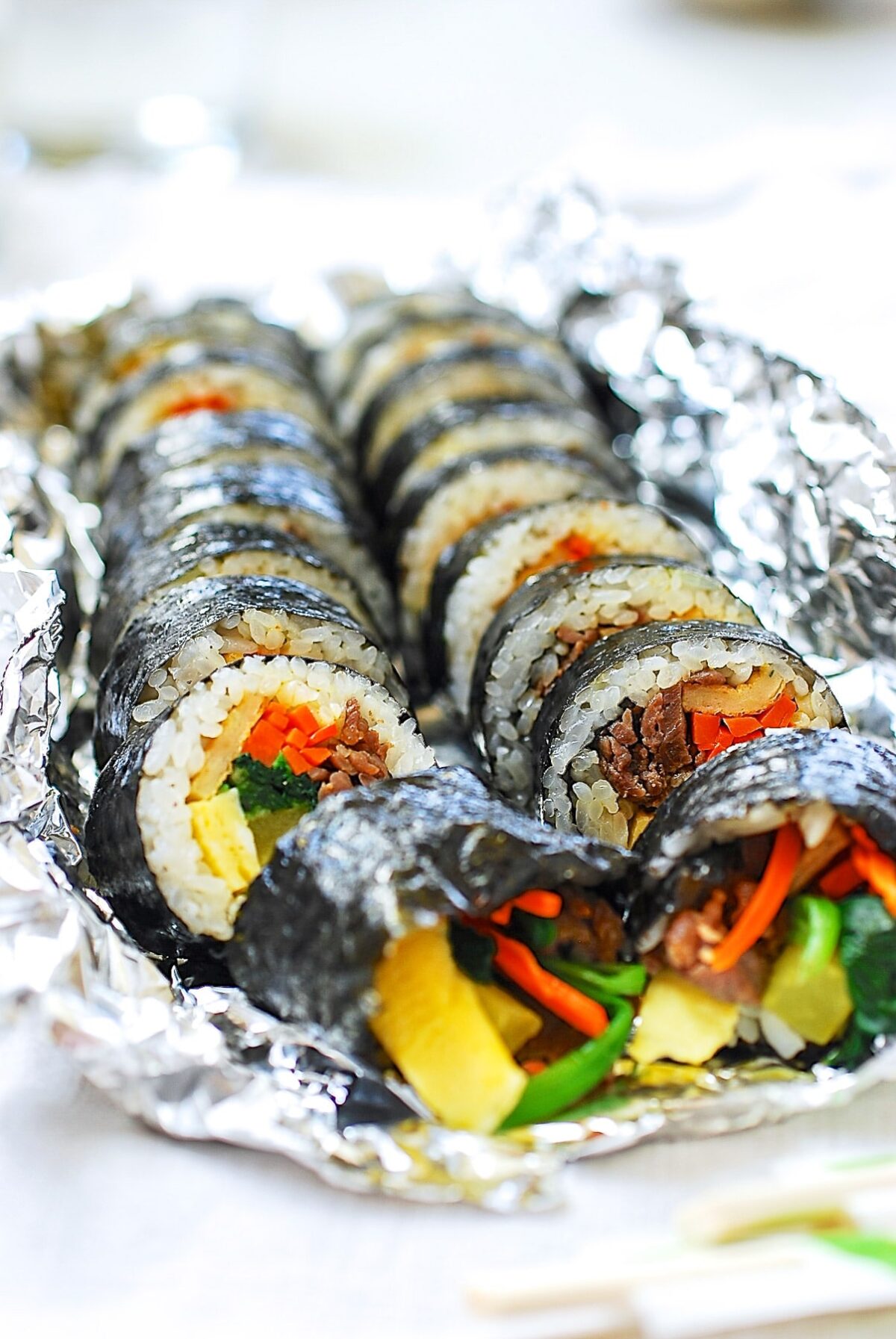
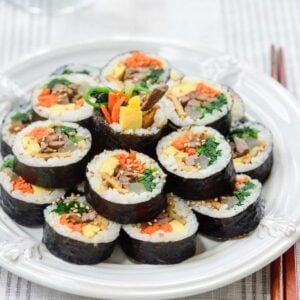
Kimbap is Korea’s most popular on-the-go meal and represents a cornerstone of the nation’s culinary culture, blending historical influences with modern convenience. Known as gimbap in Korean—derived from the words gim (dried seaweed) and bap (cooked rice)—this dish has evolved from a portable picnic staple into a global phenomenon, appearing in international grocery stores and on the menus of trendy eateries worldwide. As the demand for convenient, healthy, and flavorful quick-service food rises, kimbap stands out for its versatility, aesthetic appeal, and nutritional balance.
Historical Context and Cultural Significance
The origins of kimbap are a subject of ongoing historical debate, though most food historians trace its lineage to the mid-20th century. While some scholars suggest it may have been influenced by the Japanese futomaki during the period of colonial occupation, kimbap has developed a distinct identity that is uniquely Korean. Unlike sushi, which relies on vinegar-seasoned rice, traditional kimbap uses sesame oil-seasoned rice, reflecting the preference for nutty, aromatic flavors in Korean cuisine.
For generations, kimbap has been inextricably linked to the social fabric of Korea. It is the quintessential food for so-poong (school field trips) and family excursions. Its popularity surged during the rapid industrialization of the 1970s and 1980s, when workers and students required a reliable, non-perishable, and easy-to-consume lunch option. Today, it is sold everywhere from high-end department store food courts to small, family-run street stalls known as bunsik shops.
Anatomy of a Perfect Roll
The structural integrity of kimbap relies on a delicate balance of moisture control and ingredient preparation. The foundation is short-grain rice, which provides the necessary starch to hold the roll together. To achieve the signature texture, the rice is typically cooked with slightly less water than usual to ensure it remains firm. Once cooked, it is seasoned with a precise ratio of toasted sesame oil and fine sea salt, which acts as a preservative and flavor enhancer.
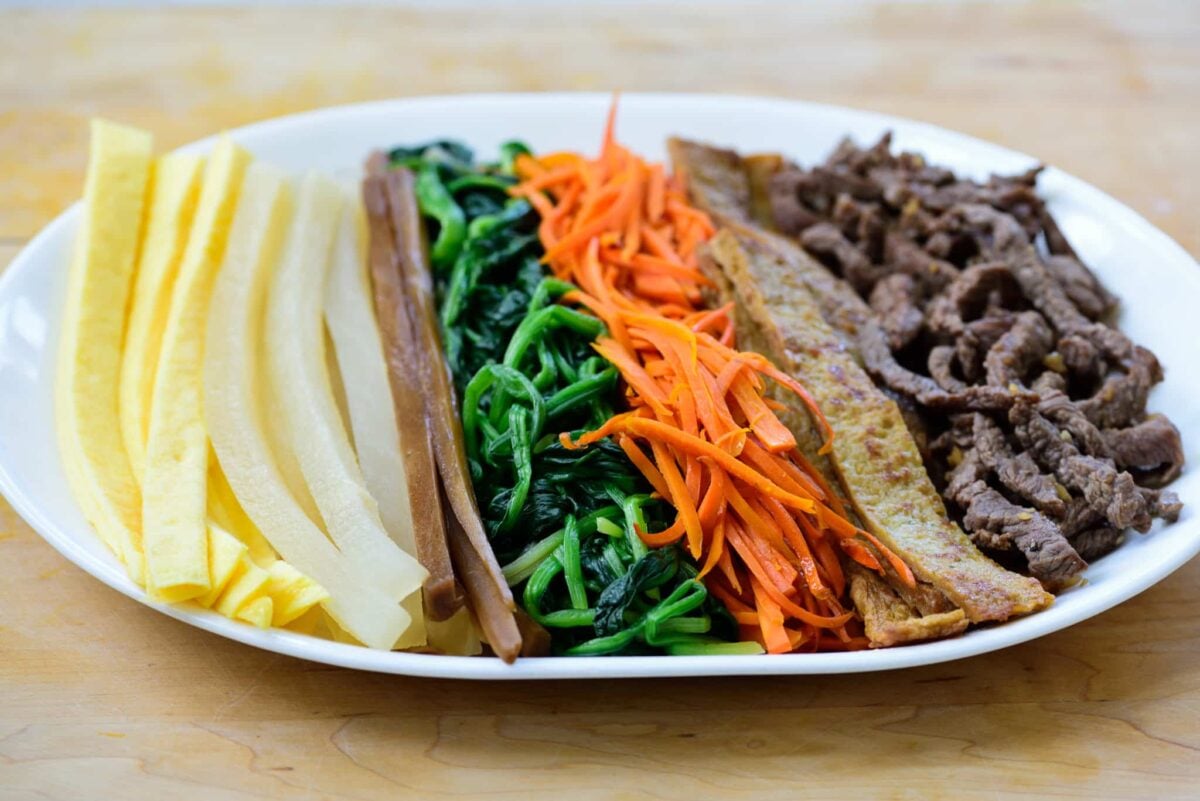
The filling, or sok, is where the dish achieves its nutritional complexity. A standard, traditional roll typically includes:
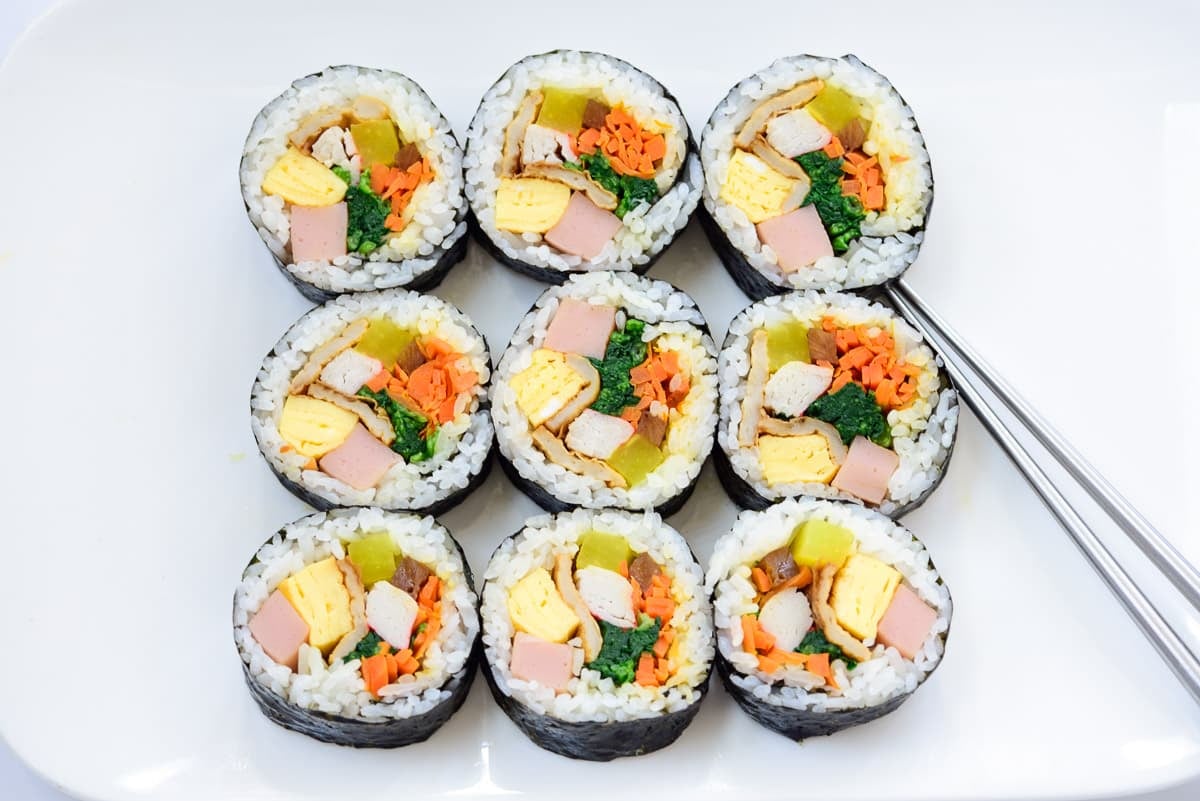
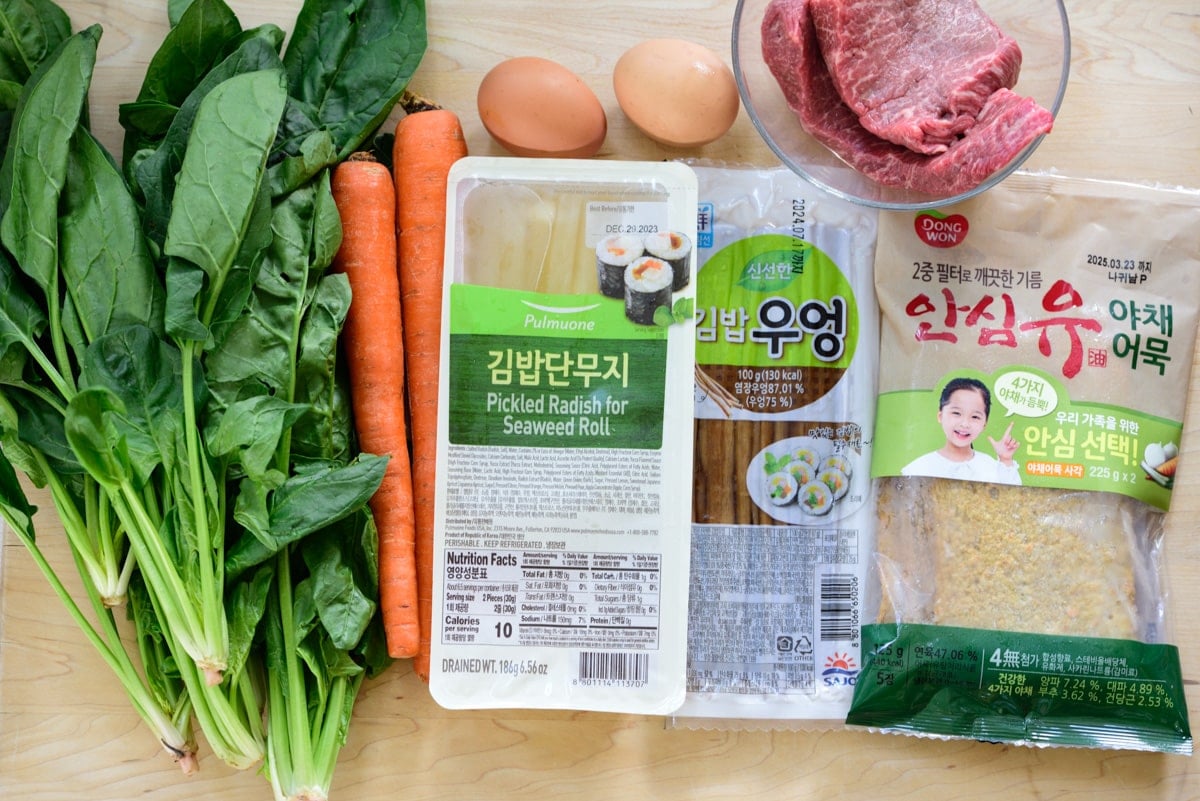
- Pickled Radish (Danmuji): Provides a crisp, acidic crunch that cuts through the richness of the other ingredients.
- Braised Burdock Root (Ueong): Adds an earthy, sweet-savory note.
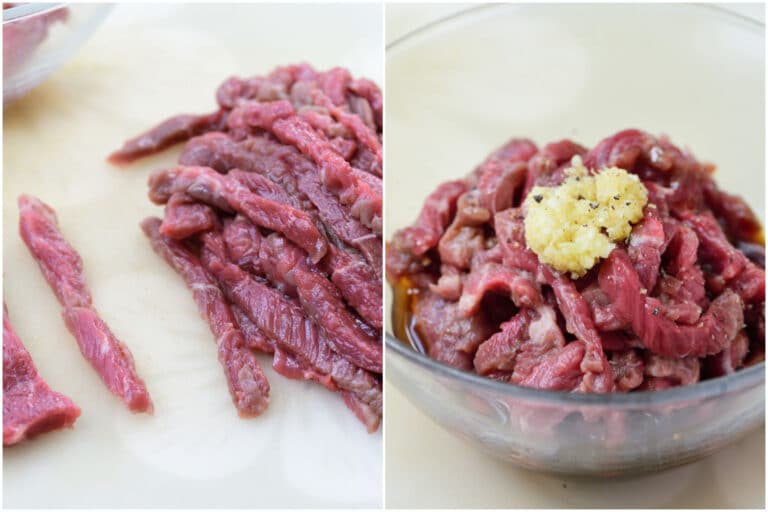
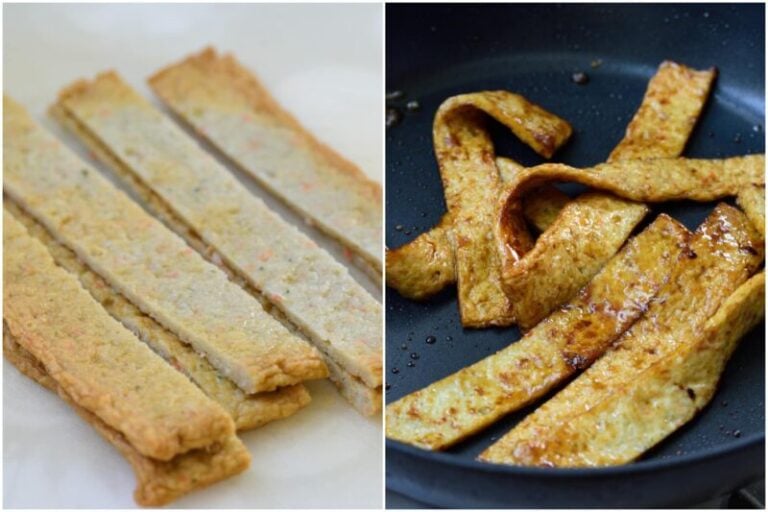
- Protein Sources: Traditionally consisting of seasoned beef, imitation crab meat, fish cake (eomuk), or fried egg strips.
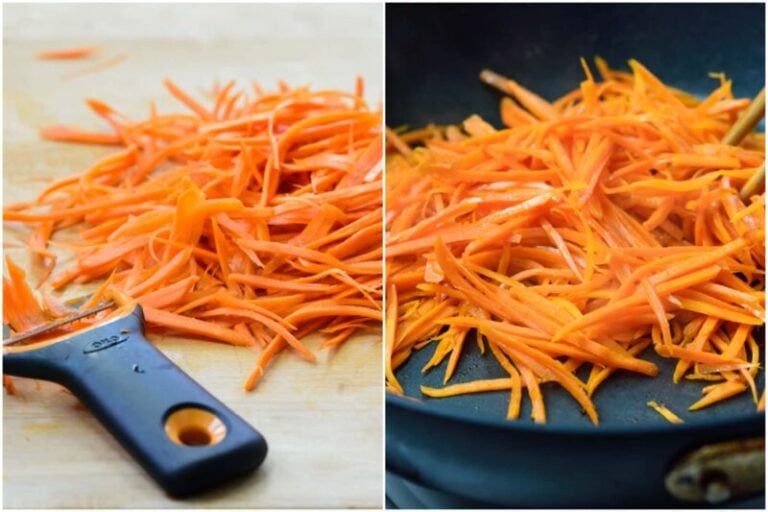
- Vegetables: Commonly features spinach blanched with garlic and sesame oil, and julienned carrots that have been lightly sautéed to maintain their texture.
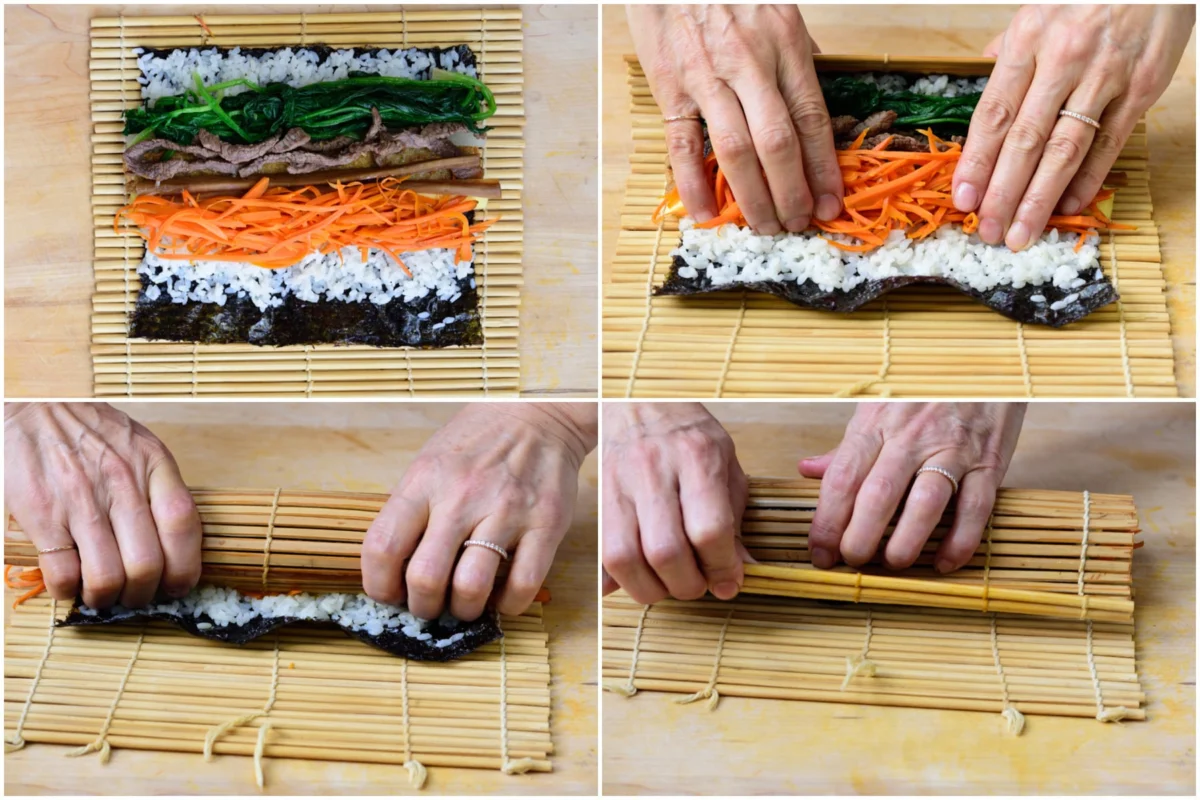
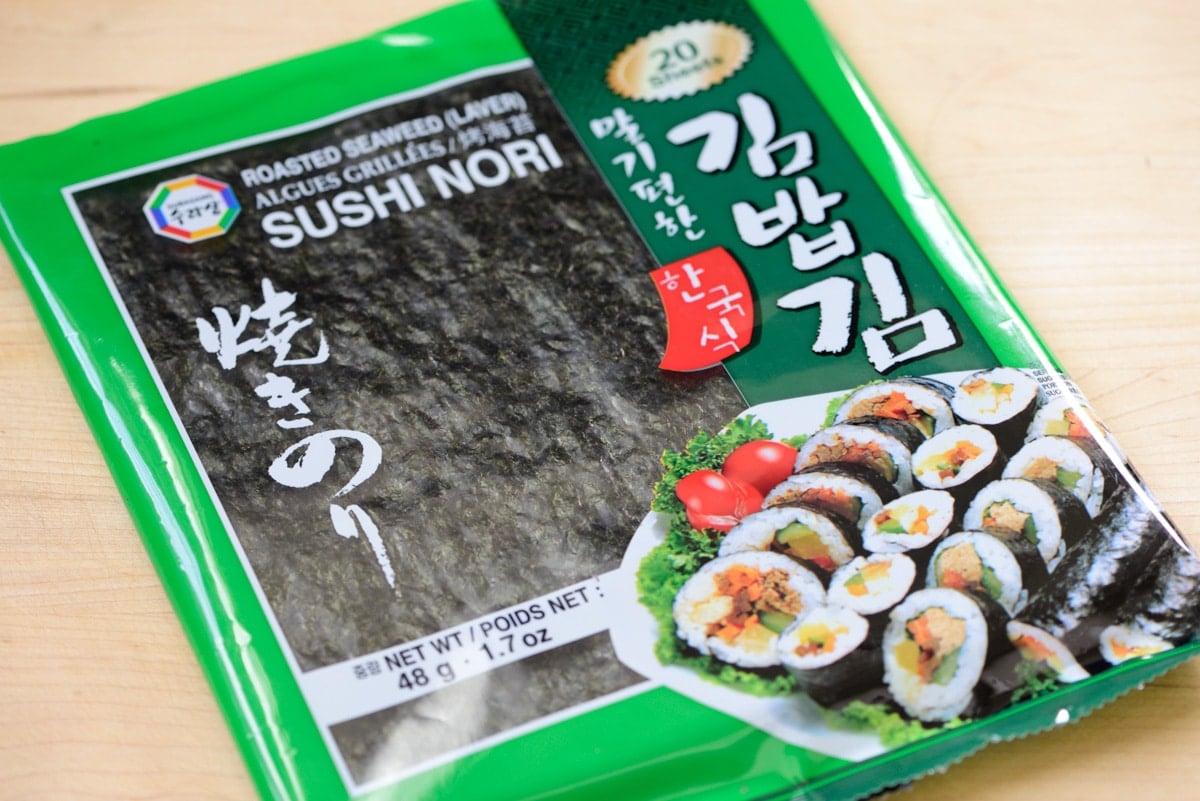
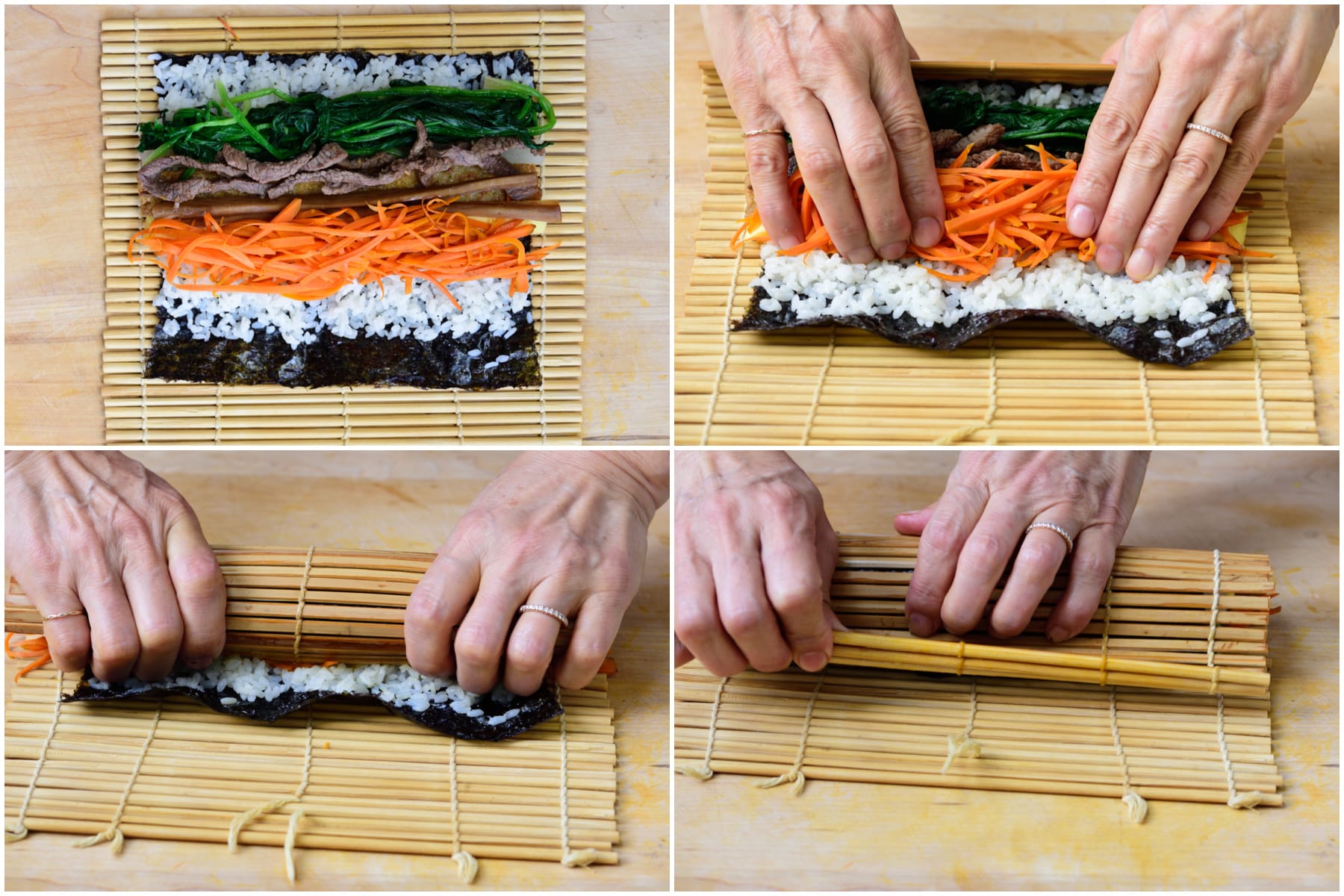
The assembly process is a testament to the importance of consistency in Korean cooking. Each ingredient is prepped individually before being placed onto the sheet of gim. The rolling process requires a bamboo mat (gimbal) to exert uniform pressure, ensuring the cylinder remains tight and does not fall apart when sliced.
The Pop Culture Phenomenon
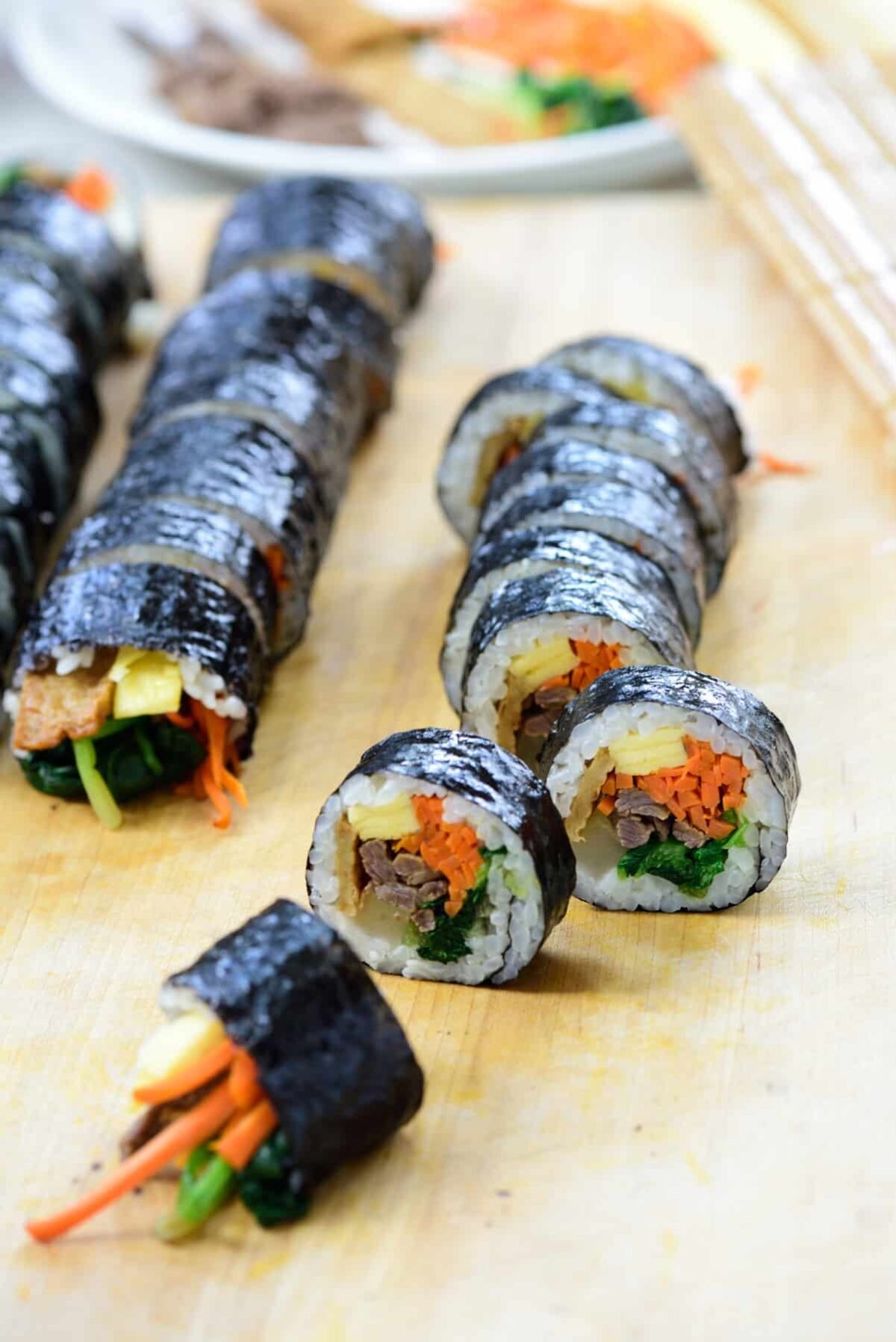
In recent years, the profile of kimbap has been elevated by its inclusion in mainstream media. The 2022 Netflix series Extraordinary Attorney Woo introduced a global audience to the dish, specifically through the protagonist’s fondness for it. The character’s preference for kimbap was attributed to the "trustworthiness" of the dish—because the ingredients are visible upon slicing, there are no hidden surprises, reflecting her desire for predictability and order.
This cultural moment served as a catalyst for increased international interest. Following the show’s success, search engine queries for "how to make kimbap" spiked by approximately 40% in Western markets, according to data from various social media analytics platforms. This shift highlights the power of digital media in driving culinary trends and promoting traditional dishes to a global demographic.
Economic and Culinary Implications
The rise of kimbap in the international market is not merely a trend but an indicator of a broader shift in consumer behavior. With the global rise of "grab-and-go" culture, consumers are increasingly seeking meals that are healthy, plant-forward, and free of the heavy processing associated with standard fast food.

Kimbap is highly adaptable, making it an ideal candidate for commercial expansion. Because it does not require raw fish, it is more accessible to consumers with dietary restrictions or food safety concerns regarding sushi. Furthermore, the ability to modify fillings—such as using tofu, pickled vegetables, or spicy stir-fried ingredients—allows for endless innovation.
Data from the Korea Agro-Fisheries & Food Trade Corporation (aT) suggests that exports of processed Korean food products have seen a steady upward trajectory. Kimbap, as a representative "K-Food," has played a significant role in this growth. Its shelf-stability and ease of transport have made it a viable option for pre-packaged retail, leading to the development of frozen and refrigerated kimbap lines that are now making inroads into major supermarket chains across North America and Europe.

The Technical Challenge: Rolling and Slicing
For the home cook, the barrier to entry for making kimbap is the rolling technique. Professional practitioners in Korea are trained to achieve a uniform thickness throughout the roll, which is essential for aesthetic presentation. The secret, according to culinary experts, is the "press-and-pull" method: using the bamboo mat to hold the fillings in place while rolling the seaweed over them with firm, consistent pressure.

Another technical consideration is the blade used for slicing. Because the seaweed sheet is delicate, it requires a sharp, slightly wet knife to slice through the roll without tearing the gim. A clean slice ensures that the cross-section of the kimbap displays the vibrant colors of the ingredients, a feature that is highly prized in Korean food presentation.
Future Outlook
As the food industry continues to emphasize sustainability and health, kimbap is well-positioned to remain a staple of the global diet. Its reliance on plant-based components and high-fiber ingredients like burdock and carrot aligns with contemporary dietary trends. Furthermore, the rise of "specialty" kimbap—including low-carb variations using egg-sheets instead of rice or protein-packed versions for fitness-conscious consumers—indicates that the dish is capable of evolving alongside changing consumer preferences.
The transition of kimbap from a local school lunch staple to a global icon serves as a case study for the success of traditional foods in the modern era. By maintaining the integrity of its core components while remaining open to innovation, kimbap has successfully crossed borders, demonstrating that a simple roll of rice and seaweed can carry the weight of a nation’s culinary history while appealing to a world of diverse palates. Whether enjoyed as a quick snack on a busy workday or prepared as a meditative weekend project, kimbap remains a reliable, trusted, and delicious testament to the endurance of Korean home cooking.
