

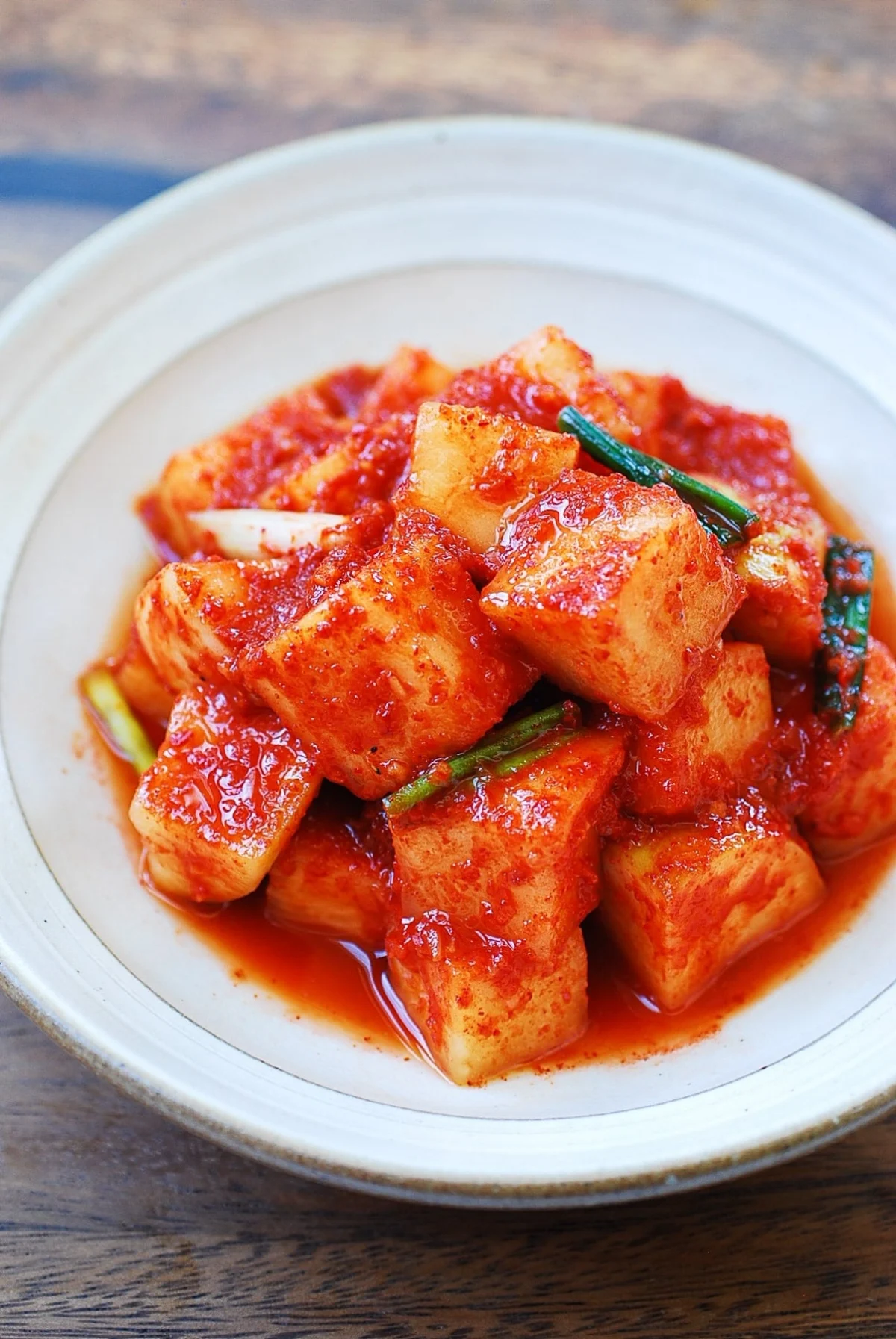
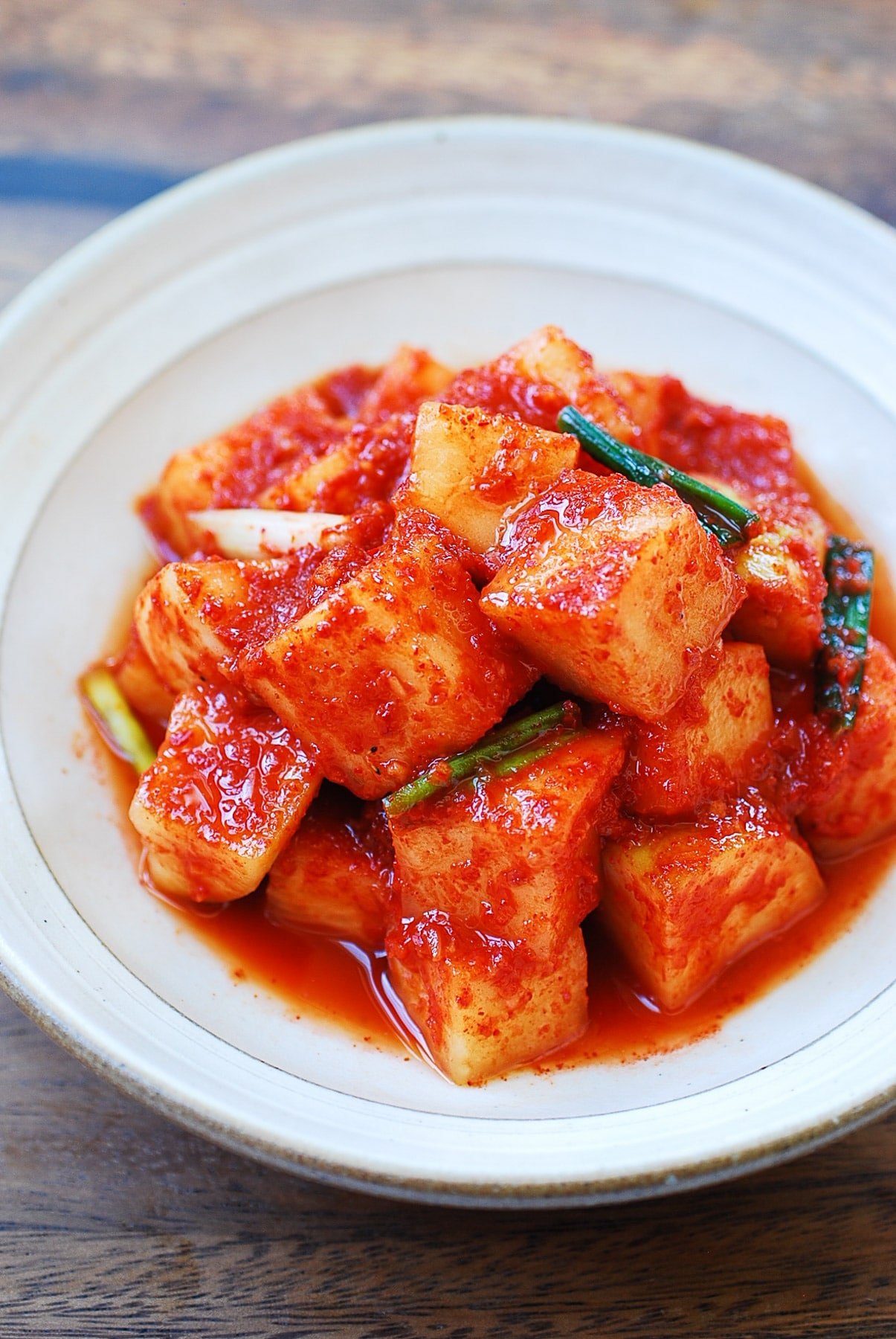
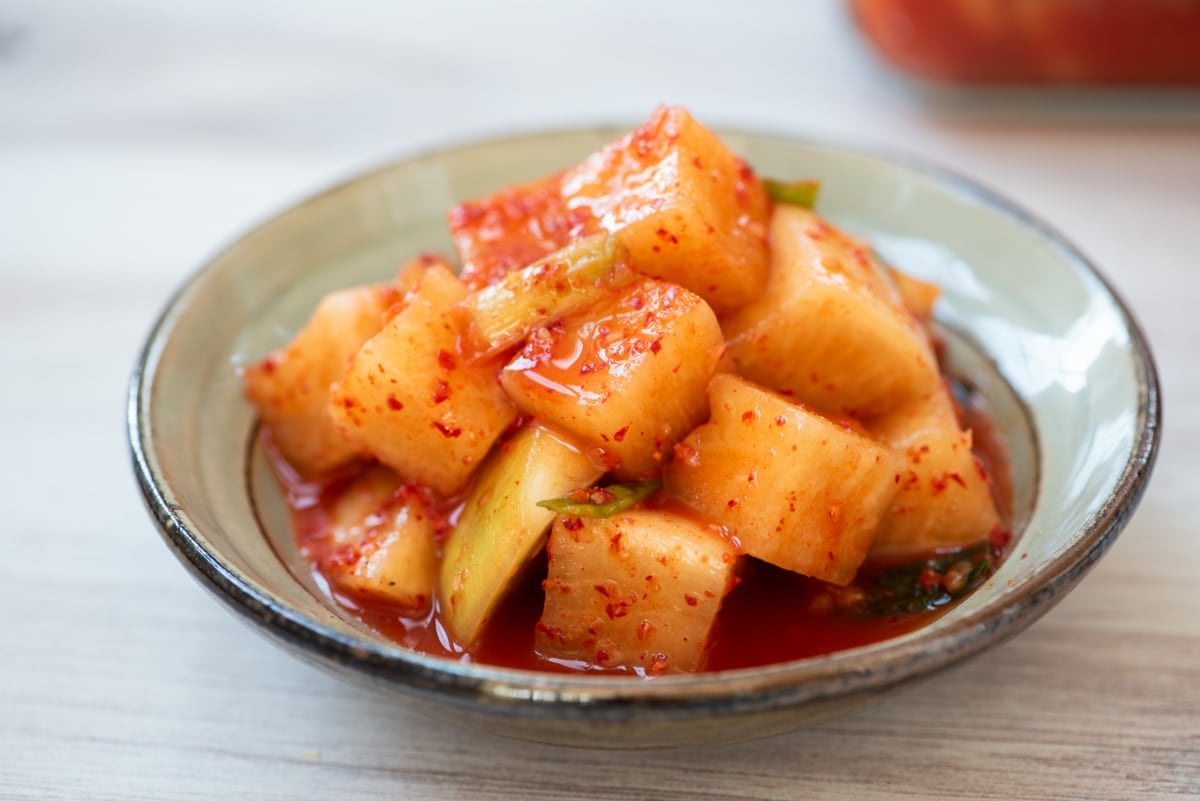
Kkakdugi, a traditional Korean side dish characterized by its vibrant red color, spicy profile, and distinctively crisp texture, remains one of the most recognizable iterations of kimchi globally. Unlike the more commonly known napa cabbage kimchi, known as tongbaechu-kimchi, kkakdugi utilizes the Korean radish, or "mu," as its primary base. This fermented vegetable dish serves as a fundamental component of the Korean dining table, reflecting a history of preservation techniques designed to sustain households through the harsh winter months. As global interest in fermented foods continues to rise due to their purported probiotic benefits, kkakdugi has transitioned from a regional specialty to a staple in international culinary discourse.
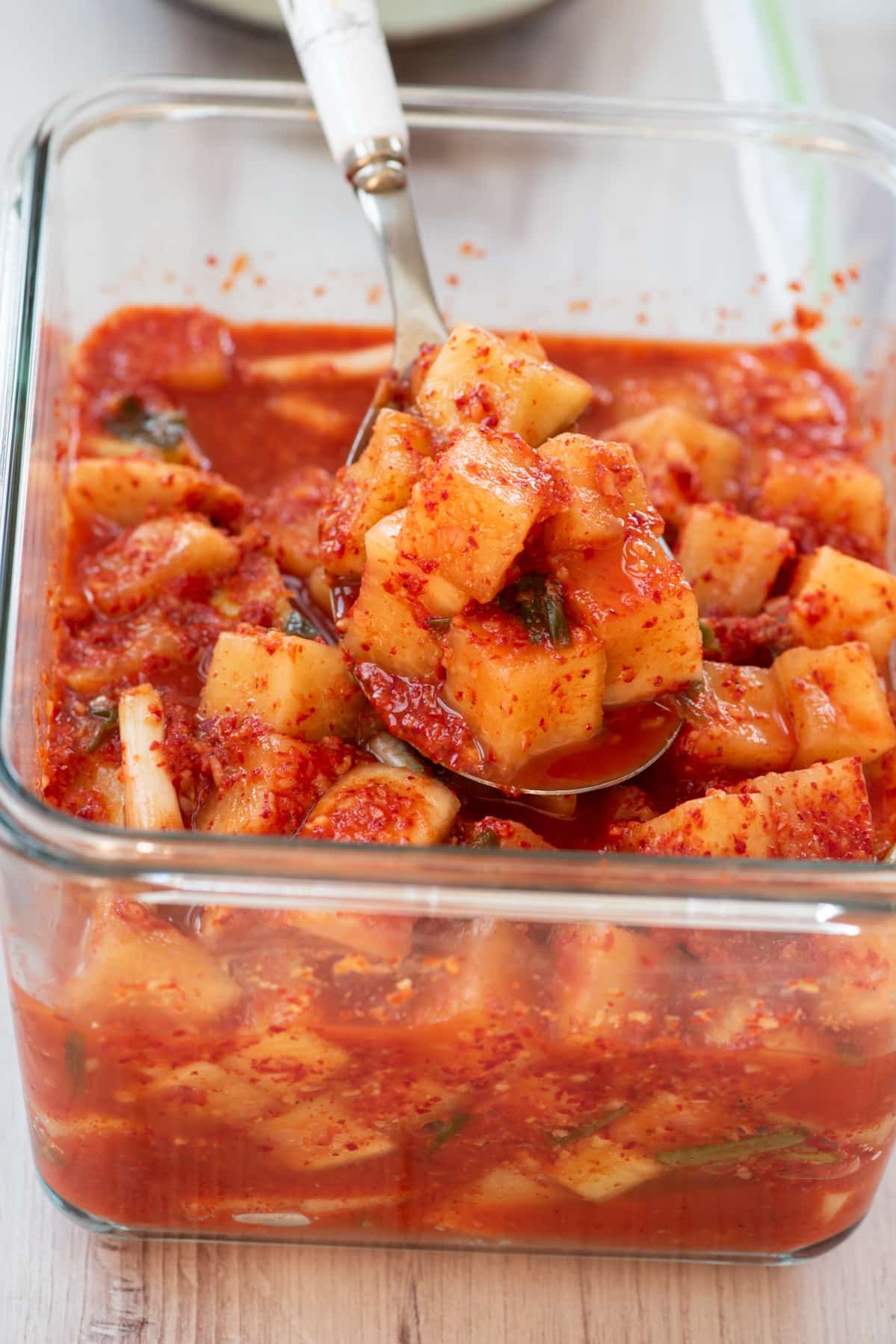
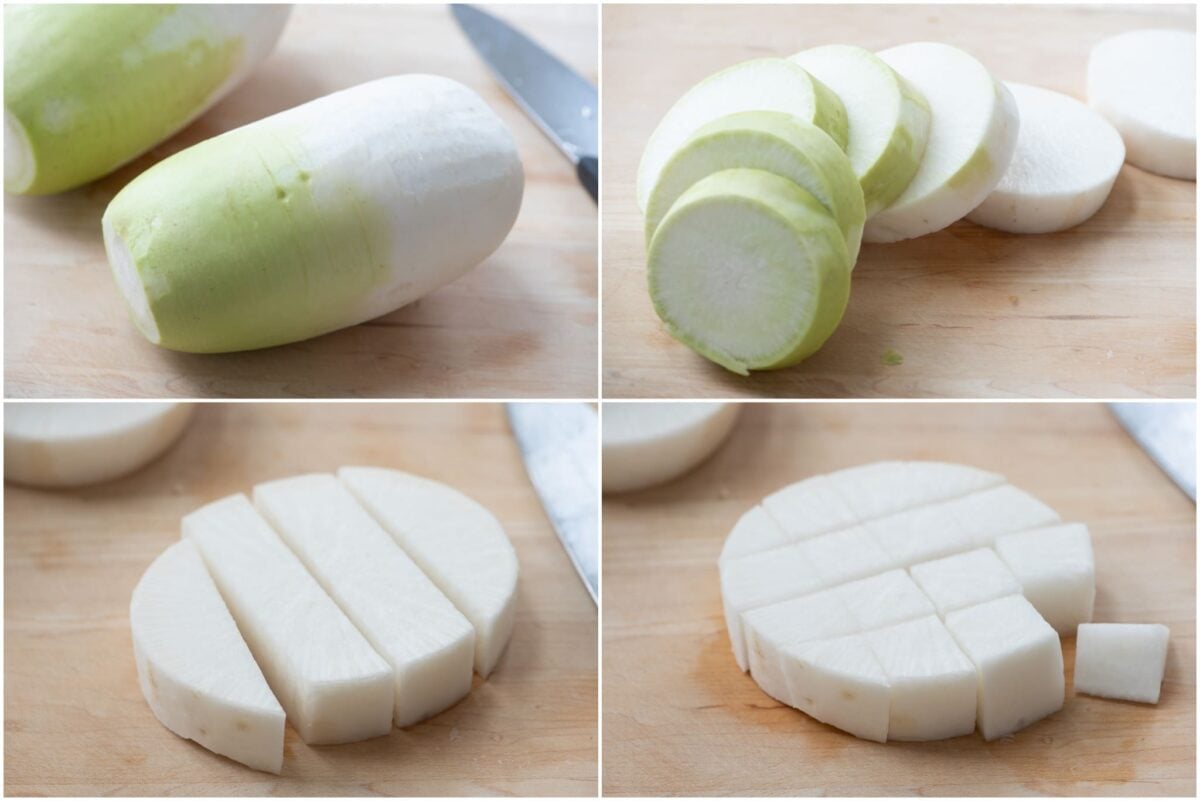
The etymology of the dish is rooted in its preparation method. The term "kkakdugi" is derived from the Korean verb "kkakdu-euda," which translates to "cutting into small, uniform cubes." This specific geometric preparation is not merely aesthetic; it is functional. The cubic shape ensures that each piece maintains a structural integrity that resists softening during the fermentation process, allowing the radish to retain its characteristic "crunch" for an extended duration.
Historical and Seasonal Context
Historically, the production of kkakdugi was tied to the agricultural cycle of the Korean peninsula. The Korean radish thrives in cool-weather environments, reaching its peak sweetness and texture during the late autumn and early winter. In traditional Korean households, the late autumn period—often coinciding with "gimjang," the communal practice of preparing large quantities of kimchi—was the critical window for selecting the highest quality radishes.
Data from the Rural Development Administration of South Korea suggests that radishes harvested during the post-first-frost period possess a higher sugar-to-water ratio, which provides a natural sweetness that balances the heat of the gochugaru (Korean red chili powder). In contrast, summer-harvested radishes often exhibit a higher water content and a bitter undertone, requiring culinary intervention through the addition of natural sweeteners such as Korean pear, apple, or maesilcheong (green plum syrup).
The Chemistry of Fermentation
The transformation of raw, peppery radish into the savory, tangy dish known as kkakdugi is a process of controlled lactic acid fermentation. Upon the addition of salt, the cellular walls of the radish undergo osmosis, releasing excess water. This step is vital; by drawing out the moisture, the radish cubes become firmer and more receptive to the subsequent seasoning paste.
The seasoning, a complex mixture of gochugaru, garlic, ginger, and fermented seafood products like saeujeot (salted shrimp) or myulchiaekjeot (anchovy fish sauce), introduces the necessary microbial population to initiate fermentation. The salt serves two purposes: it acts as a selective agent, inhibiting the growth of spoilage-causing bacteria, while simultaneously creating a hospitable environment for beneficial Lactobacillus strains. These bacteria convert the sugars within the radish into lactic acid, which imparts the signature sourness that defines the finished product.
Standardized Preparation and Methodology
Modern culinary standards for preparing kkakdugi follow a rigorous, step-by-step process that ensures both safety and flavor profile consistency.
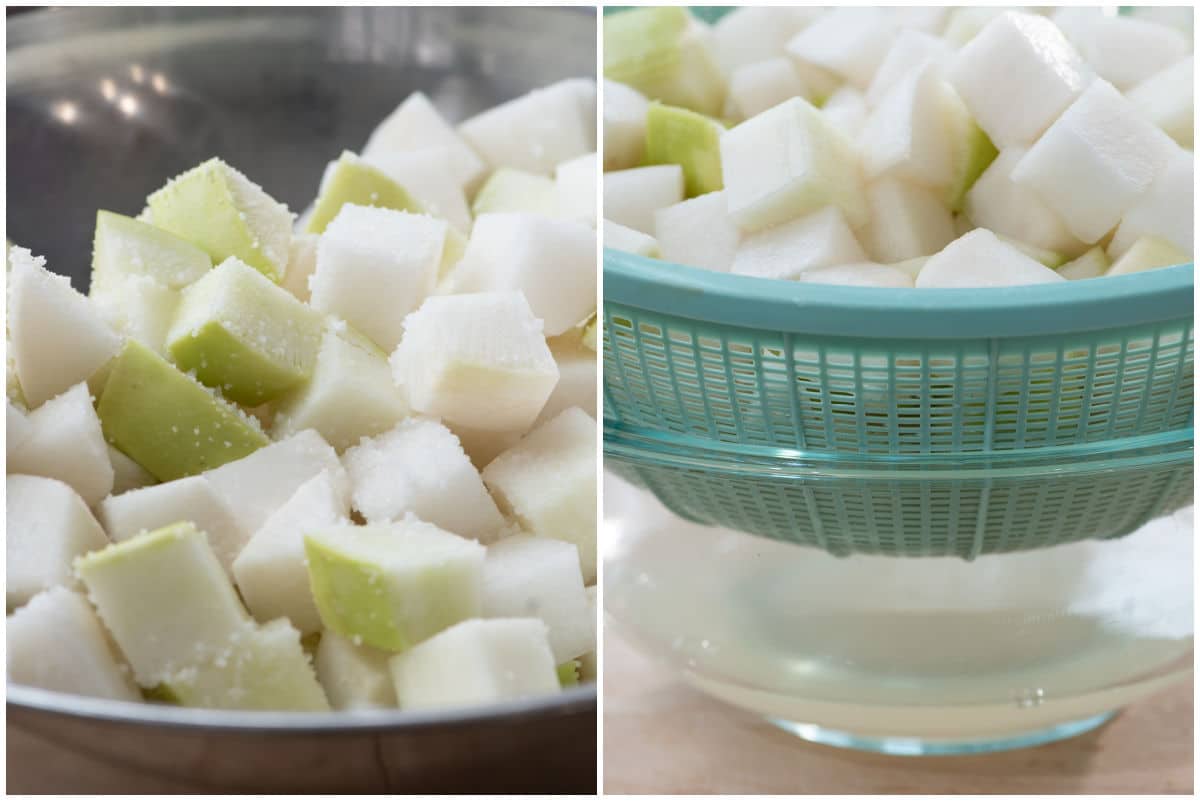
- Selection and Preparation: The ideal radish for kkakdugi is firm, heavy for its size, and possesses a smooth, unblemished skin. The vegetable is typically cut into 3/4 to 1-inch cubes. Uniformity is paramount to ensure that the fermentation process occurs at an equal rate across the entire batch.
- The Salting Phase: The cubed radishes are tossed in coarse sea salt. Experts recommend coarse sea salt over fine table salt, as the latter can cause the radish to draw out moisture too quickly, resulting in a limp texture. The salting process typically lasts 60 minutes, with the radish being turned every 20 minutes to ensure even distribution.
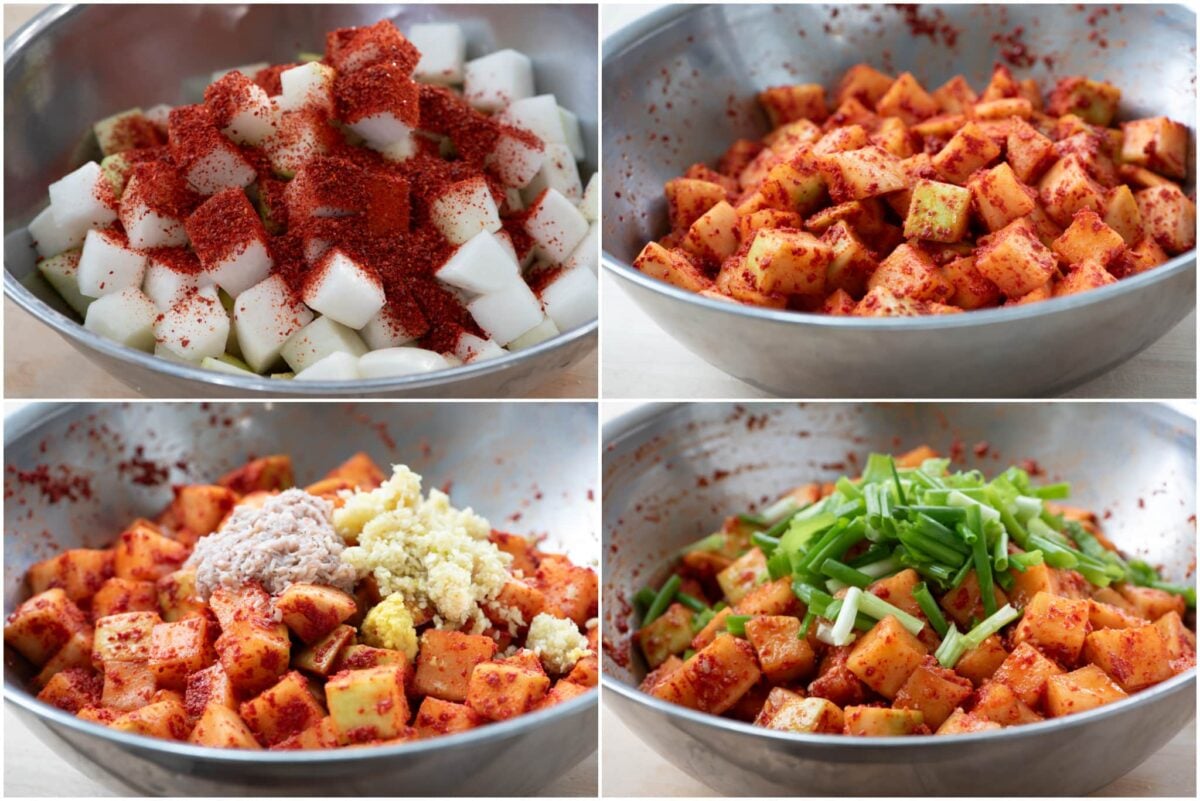
- The Seasoning Integration: After draining the excess liquid, the radishes are coated in gochugaru. This step is critical, as the chili powder binds to the radish surface, creating a protective barrier and providing the iconic aesthetic. The remaining aromatics—garlic, ginger, and the umami-heavy fermented seafood components—are then introduced.
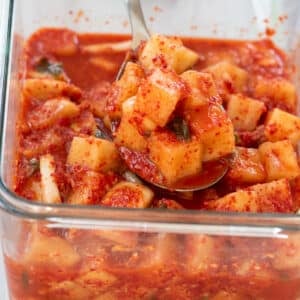
- Controlled Fermentation: Once mixed, the kkakdugi is stored in airtight containers. It is generally left at room temperature for 24 to 72 hours, depending on the ambient climate, before being transferred to a refrigerated environment. Refrigeration slows the fermentation process, allowing the flavors to meld and mature over several weeks.
Economic and Dietary Implications
The rise of kkakdugi in the global market reflects a broader shift toward fermented, gut-healthy foods. Nutritionists point to the high vitamin C content and digestive enzymes present in fermented radishes as significant health benefits. Furthermore, the reliance on traditional preservation methods aligns with modern trends toward sustainable, low-waste food practices.
From an economic perspective, the production of kkakdugi remains a significant sub-sector of the Korean food manufacturing industry. Export data indicates a steady increase in the demand for pre-packaged kimchi, with kkakdugi occupying a high-growth niche due to its popularity among both Korean nationals and international consumers seeking more varied textures than those offered by traditional cabbage-based products.
Cultural Significance in Modern Dining
While kkakdugi is a versatile side dish, it has a specific, symbiotic relationship with certain traditional Korean soups and stews. It is considered an essential accompaniment to dishes such as seolleongtang (beef bone soup) and galbitang (beef short rib soup). The acidity of the fermented radish cuts through the richness of the bone broth, providing a palate-cleansing effect that enhances the overall dining experience.
In the contemporary food landscape, chefs have begun experimenting with the application of kkakdugi in fusion cuisine. Its bold flavor profile and crunch have made it a popular topping for tacos, a textural element in modern grain bowls, and even a base for specialized kimchi stews when the product has reached an advanced stage of fermentation.
Summary of Best Practices
For those looking to prepare kkakdugi, professional chefs emphasize the importance of the "do not rinse" rule. After the salting process, the radish releases a significant amount of brine. While this liquid contains salt, it also contains extracted sugars and flavor compounds from the radish itself. Discarding this liquid is standard, but rinsing the radish with water would wash away the salinity and the structural integrity gained during the salting phase.
Additionally, the use of fermented seafood products is highly recommended for those seeking an authentic flavor profile. However, for those with dietary restrictions, the use of gukganjang (soup soy sauce) or high-quality sea salt remains a viable alternative, though it will result in a slightly different umami profile.
As an enduring symbol of Korean culinary ingenuity, kkakdugi continues to be a testament to the power of simple, high-quality ingredients transformed by time and technique. Whether served as a humble side dish in a home kitchen or as a refined element in a fine-dining establishment, its place in the global culinary lexicon is firmly established. Through the adherence to traditional methods—and an understanding of the science behind its fermentation—the art of making kkakdugi remains accessible to anyone wishing to engage with one of the most vibrant components of Korean food culture.
