

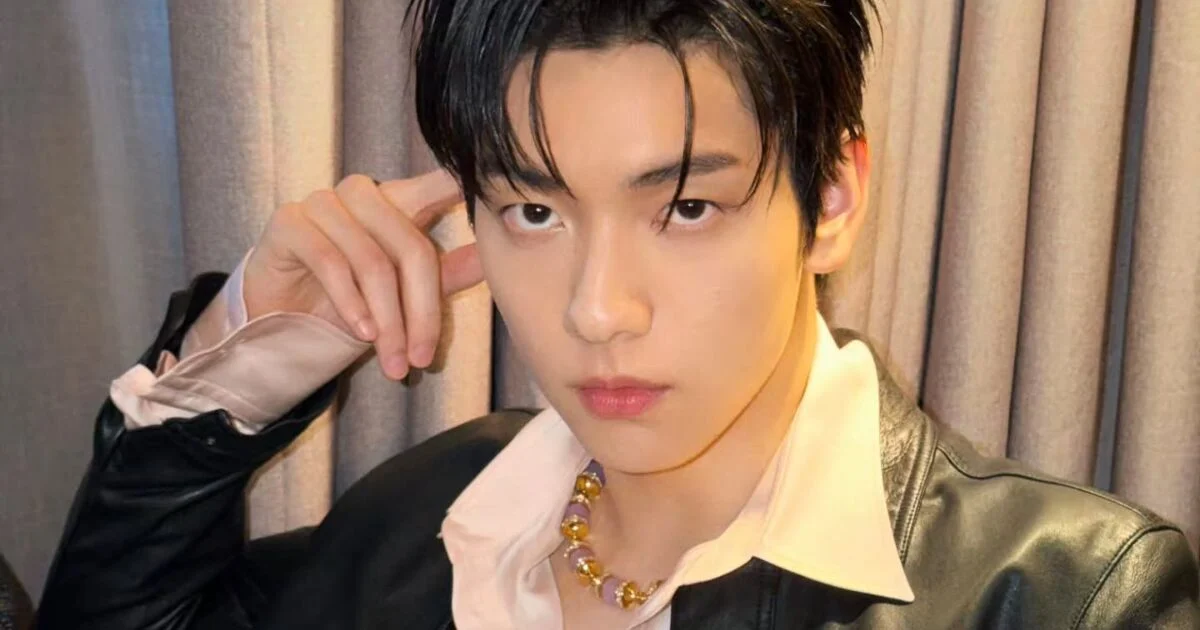
The landscape of modern entertainment is increasingly marred by the malicious application of emerging technologies, presenting unprecedented challenges for talent agencies and artists alike. On October 22, BIGHIT MUSIC issued a definitive and stern legal warning addressing the rampant circulation of fabricated, explicit deepfake images targeting Soobin, a prominent member of the globally acclaimed K-pop group TXT (Tomorrow X Together). The agency’s intervention marks a critical turning point in a controversy that had festered across domestic and international digital spaces for weeks, drawing intense public outcry, widespread fan mobilization, and growing concerns regarding the safety, privacy, and digital security of public figures in the digital age.
The Genesis and Escalation of the Controversy
The controversy erupted several weeks prior to BIGHIT MUSIC’s official statement when explicit, manipulated images purported to be of TXT member Soobin began circulating across various social media platforms, messaging applications, and niche online communities. The manipulated media utilized advanced synthetic media techniques—commonly known as deepfakes—to superimpose the artist’s likeness onto explicit and compromising scenarios.
Almost immediately, the illicit content triggered alarm and fury among the global fandom, collectively known as MOA. Fans quickly identified the images as malicious fabrications designed to tarnish the artist’s reputation and psychological well-being. However, the initial weeks following the leak were characterized by profound frustration among supporters. Despite mounting evidence of the widespread dissemination of the falsified content across major networking sites, the initial silence from BIGHIT MUSIC and its parent corporation, HYBE, drew sharp criticism.
Netizens and fan advocacy groups took to online forums to voice their discontent, arguing that the agency’s delay in issuing a public statement allowed the malicious rumors to metastasize further. Hashtags demanding immediate legal protection for Soobin trended globally as fans urged the company to utilize its legal resources to clamp down on perpetrators who weaponized artificial intelligence for harassment and character assassination.

BIGHIT MUSIC’s Official Stance and Legal Action
Breaking its silence on October 22, BIGHIT MUSIC released a comprehensive and uncompromising statement detailing its rationale for the delayed public response and outlining its aggressive legal strategy moving forward. The agency explained that it had initially refrained from releasing official announcements to avoid inadvertently amplifying the reach of the false rumors through mainstream attention. However, with the malicious attacks reaching a critical juncture—coinciding precariously with the artist’s impending musical comeback—the label determined that immediate, decisive intervention was mandatory.
"We have recently identified the indiscriminate spread of false information and malicious rumors targeting our artist across social media platforms and online communities, and we have been taking appropriate internal measures in response," the agency stated. Emphasizing the gravity of the situation, the label explicitly categorized the creation and distribution of deepfake content as criminal acts that severely violate personal rights and cause reputational damage.
BIGHIT MUSIC confirmed that it has been systematically gathering digital evidence across both domestic and international platforms. The agency reiterated its zero-tolerance policy, vowing to pursue perpetrators to the fullest extent of the law without the possibility of settlements or leniency. Furthermore, the company called upon the global fanbase to aid in monitoring and eradication efforts by reporting malicious activities through the official HYBE Artist Rights Violation Report System.
The Broader Implications of Deepfake Harassment in K-pop
The controversy surrounding TXT’s Soobin is not an isolated incident but rather part of a deeply disturbing and accelerating trend within the global entertainment industry. In recent years, the rapid democratization and accessibility of artificial intelligence tools, particularly generative adversarial networks (GANs) and face-swapping software, have made the creation of high-fidelity deepfakes alarmingly easy. While these technologies hold legitimate creative potential, their malicious exploitation has disproportionately targeted high-profile celebrities, particularly within the K-pop industry.

Female and male idols alike have increasingly found themselves the targets of non-consensual sexualized media, cyberbullying, and targeted disinformation campaigns. Because K-pop idols derive a significant portion of their professional capital from their public image, approachability, and pristine reputations, malicious actors frequently weaponize digital fabrication as a tool for extortion, harassment, or organized defamation.
Industry analysts note that the psychological toll on victims of deepfake harassment is immense. Artists often face the grueling challenge of navigating professional obligations, such as televised appearances, promotional tours, and album comebacks, while dealing with the fallout of invasive and humiliating online controversies that are entirely outside of their control. The timing of the Soobin controversy—hitting directly ahead of TXT’s scheduled comeback rollout—highlights a deliberate strategy by malicious actors to disrupt professional schedules and induce maximum emotional distress.
Legal Frameworks and Corporate Responsibilities
The rising tide of synthetic media abuse has exposed significant vulnerabilities in existing global legal frameworks regarding digital privacy and copyright infringement. In South Korea, lawmakers and regulatory bodies have faced mounting pressure to tighten legislation concerning the production and distribution of non-consensual explicit deepfakes. Recent legislative amendments have sought to classify the distribution of digitally manipulated pornography as a serious criminal offense, carrying heavy prison sentences and substantial fines.
Despite these legal advancements, enforcement remains a complex challenge. Many perpetrators operate under the cloak of anonymity provided by overseas servers, encrypted messaging apps, and decentralized online communities. This jurisdictional fragmentation necessitates aggressive cross-border cooperation between entertainment conglomerates, tech platforms, and international law enforcement agencies.
For talent agencies like HYBE and BIGHIT MUSIC, the responsibilities have expanded far beyond traditional artist management, vocal training, and media scheduling. Modern entertainment enterprises must now maintain sophisticated, dedicated digital forensic teams tasked with round-the-clock monitoring of global cyberspace. These teams utilize automated scraping tools and artificial intelligence detection software to identify, catalog, and report illicit content before it achieves viral traction.

Fan Engagement and the Power of Digital Advocacy
The Soobin deepfake controversy also underscores the evolving and vital role of fan communities in modern crisis management. In the absence of immediate corporate communication during the early stages of the rumor’s spread, organized fan networks assumed a primary defensive posture. MOAs across platforms like X (formerly Twitter), Weibo, and various community boards established reporting drives, mass-emailed agency tip lines, and systematically countered misinformation with verified positive media and demands for legal accountability.
This symbiotic relationship between artists, agencies, and fandoms has redefined digital advocacy in the K-pop sphere. While corporate statements provide the essential legal muscle required to pursue civil and criminal litigation, grassroots fan efforts remain indispensable for real-time monitoring and containment. However, industry watchdogs caution that relying heavily on fans to police the internet places an undue emotional burden on supporters, reinforcing the necessity for proactive, institutional monitoring systems.
Moving Forward: The Future of Artist Protection
As the entertainment industry stands at the intersection of technological innovation and digital exploitation, the resolution of the Soobin deepfake case will likely serve as an important precedent for future legal battles involving K-pop talent. BIGHIT MUSIC’s unequivocal refusal to offer settlements or leniency signals a hardening stance among major South Korean labels, reflecting a collective realization that soft approaches are entirely ineffective against organized malicious actors.
The incident serves as a stark reminder of the urgent need for comprehensive digital literacy, stricter platform regulations, and robust international legal protections safeguarding individuals from the predatory applications of artificial intelligence. As TXT prepares for their upcoming musical endeavors, the swift and uncompromising legal actions pledged by BIGHIT MUSIC aim to establish a clear boundary: that the dignity, safety, and legal rights of artists will be vigorously defended against the dark side of the digital age.
