
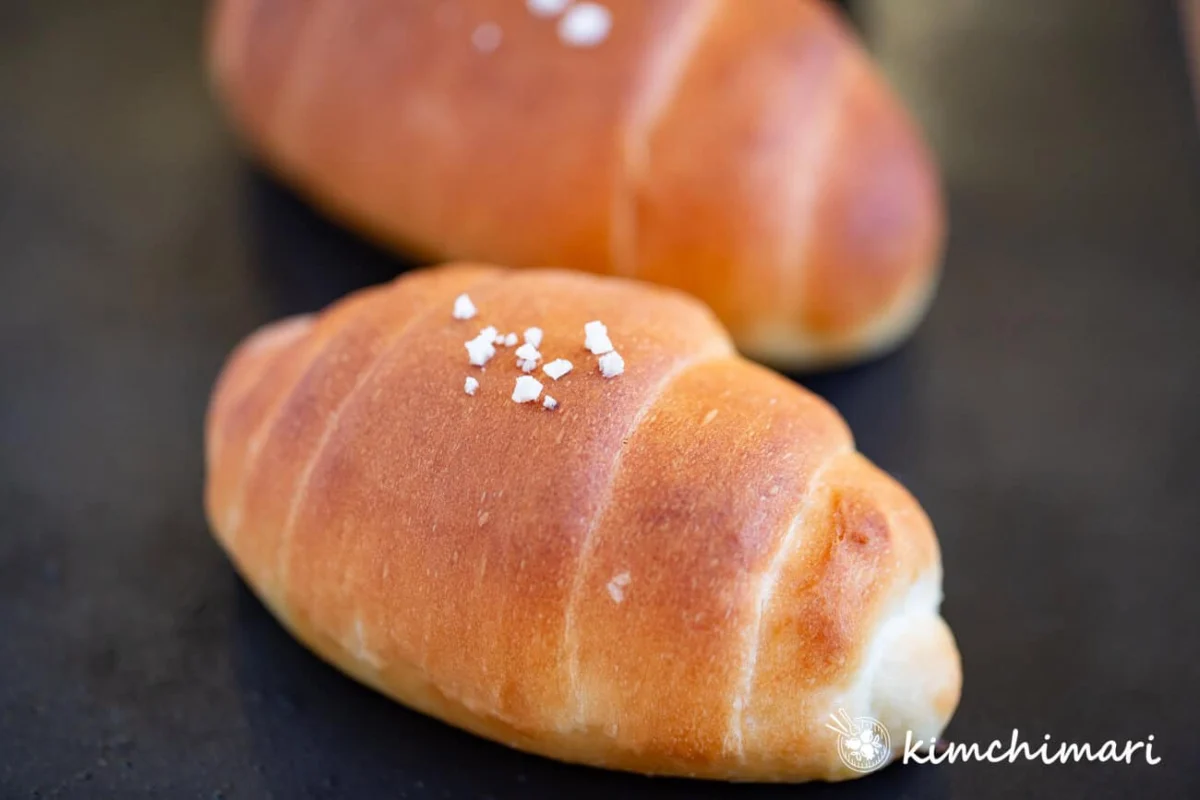
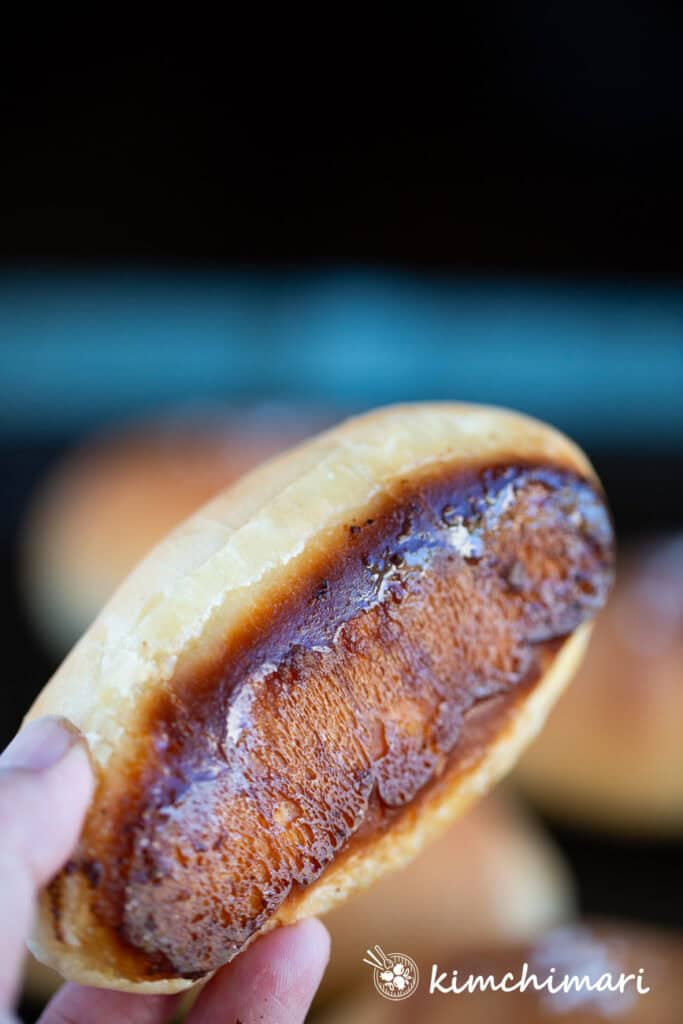
Salt bread, a seemingly simple yet exquisitely crafted pastry, has quietly captured the hearts and palates of both Japan and South Korea, evolving into a beloved bakery staple. Known as "shio pan" in its native Japan and "sogeum ppang" in Korea, this bread is characterized by its lustrous golden crust, a yielding interior that boasts a buttery, silken texture, and a uniquely crispy, brown-butter-kissed bottom. The final flourish of flaky sea salt crystals provides a perfect counterpoint, creating a harmonious balance between sweetness and savory notes that entices consumers to reach for more.
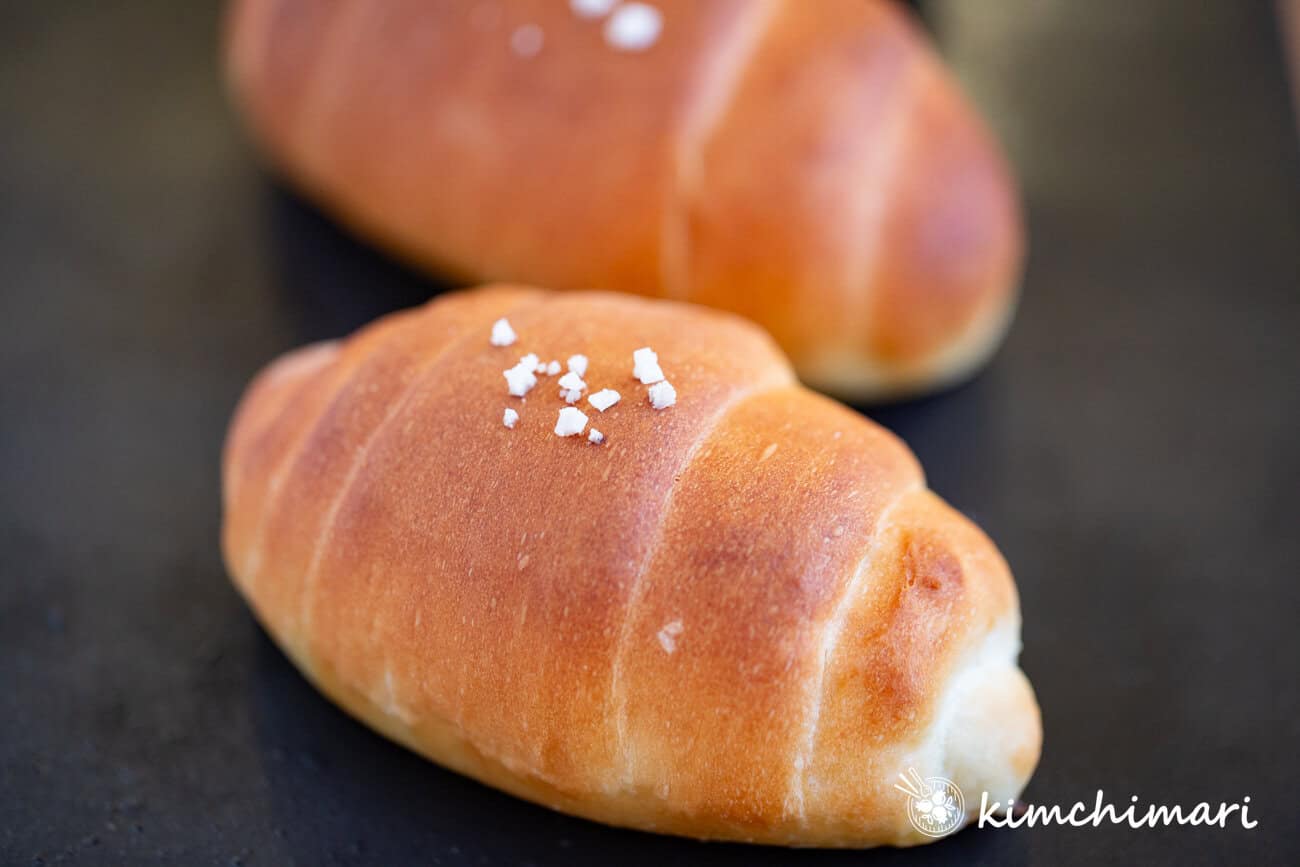
What distinguishes salt bread from its more conventional bread counterparts lies in its meticulous construction and the deliberate interplay of textures and flavors. At its core, it is a bread baked with a generous portion of cold butter nestled within the dough. This technique, combined with a light dusting of salt on the exterior, ensures that as the bread bakes, the butter melts, infusing the dough with a rich, buttery essence. This process not only contributes to the bread’s signature soft and slightly chewy interior but also creates a distinctively crisp, caramelized bottom as the butter seeps out and browns on the baking surface.
The appeal of salt bread is not solely attributed to its textural complexity; its flavor profile is equally compelling. The richness of the melted butter is present but never overwhelming, offering a subtle yet satisfying indulgence. This delicate richness is what makes the bread so addictive, prompting an immediate desire for a second, and perhaps a third, piece. For those seeking an even more decadent experience, variations have emerged, notably in South Korea, where some versions are enhanced with a substantial pat of cold butter and a dollop of sweet red bean paste, creating a delightful fusion of buttery, sweet, and slightly savory elements.
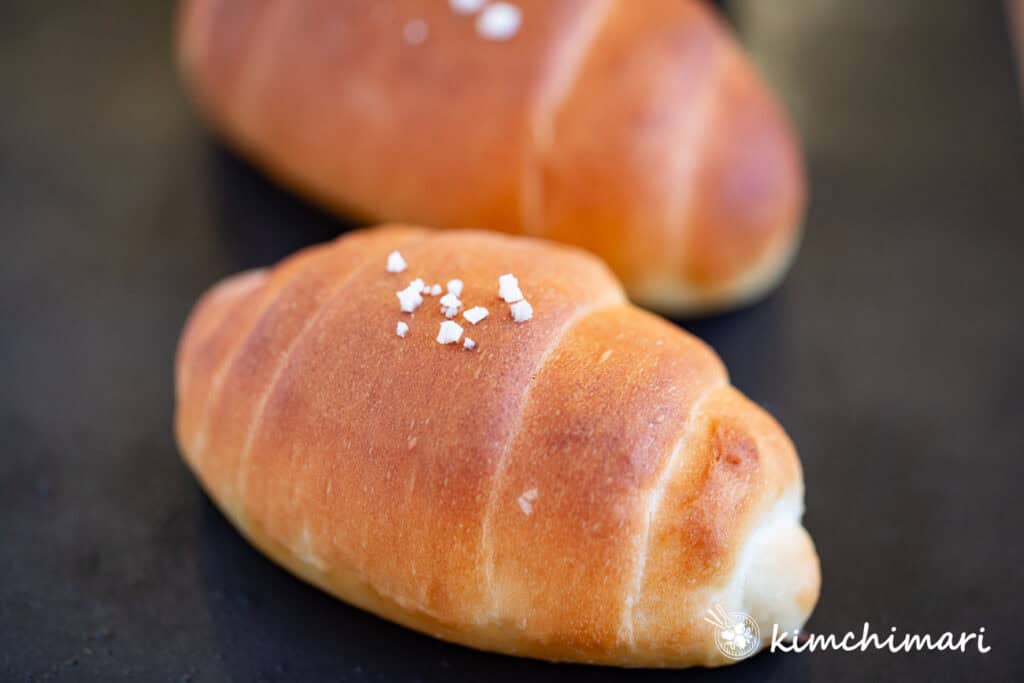
The genesis of salt bread can be traced back to Japan, where it emerged as "shio pan." This relatively modern invention, often credited to bakers in Ehime Prefecture, was conceived with a focus on simplicity, affordability, and profound satisfaction. The philosophy behind its creation was not about elaborate ingredients or complex techniques, but rather about perfecting the fundamentals. Bakers aimed to maximize the inherent flavor of butter, allowing it to meld with the dough and contrast beautifully with the salt crystals adorning the crust. The result is a bread that, while appearing unassuming, delivers a remarkably complex sensory experience.
As salt bread made its journey across the Sea of Japan to South Korea, it underwent a subtle yet significant transformation, developing into what is now recognized as "sogeum ppang." While Japanese shio pan tends to be lighter and more minimalist in its composition, with an airier texture and a thinner, crisper crust often featuring a hollow interior, Korean sogeum ppang leans towards a richer, more buttery character. Korean versions are often characterized by a deeper golden hue, a more pronounced butter flavor, and a noticeably crisp, butter-caramelized bottom. This evolution reflects the distinct culinary preferences and traditions of Korean baking, which often emphasize a more robust flavor and a more substantial texture.
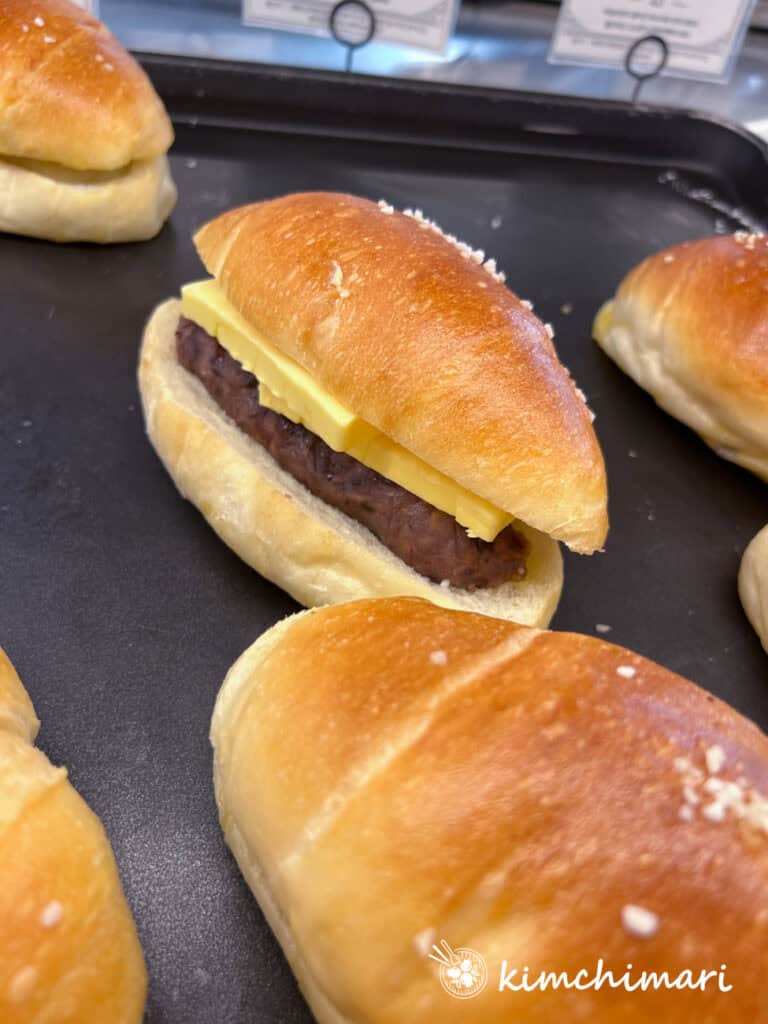
However, the landscape of Korean salt bread is not monolithic. As observed in Seoul, variations in sogeum ppang are prevalent, with some iterations offering a sweeter profile and others a more delicately savory taste. This inherent diversity suggests a dynamic and evolving culinary scene, where bakers continually experiment and adapt the core concept to cater to a wide range of palates. The recipe for homemade salt bread often aims to strike a balance between these two prominent styles, allowing for adjustments in sugar and butter content to cater to individual preferences.
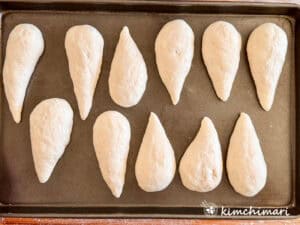
The artisanal process of creating salt bread, particularly the shaping of the dough, can be a meticulous undertaking. While the ingredients themselves are relatively straightforward, achieving the desired form requires patience and practice. The shaping process typically involves transforming a basic dough ball into a cone shape, and then further into a more intricate, croissant-like spiral. This complexity is often best illustrated through visual demonstrations, such as instructional videos, which highlight the delicate manipulation required to achieve the signature form.
Baking salt bread also presents certain technical considerations for achieving optimal results. One crucial tip for bakers aiming for uniformly perfect rolls involves a strategic approach to baking multiple trays. Because the shaping of individual rolls can be time-consuming, the first tray of dough will naturally begin its proofing process earlier than subsequent trays. This differential proofing can lead to variations in the final appearance of the baked goods. To mitigate this, bakers can opt to bake the trays sequentially, allowing each tray to achieve its optimal proof before being placed in the oven. This ensures that all rolls bake under similar conditions, resulting in a more consistent outcome.
The texture of the bottom crust is a hallmark of exceptional salt bread. Achieving a crispy, butter-browned bottom is paramount. This is often facilitated by using dark-colored baking pans, which conduct heat more effectively, and by avoiding the use of parchment paper, which can create a barrier that hinders direct contact between the dough and the hot pan. The interaction of the melting butter with the dark pan is what imparts that desirable crispness and rich, caramelized flavor.
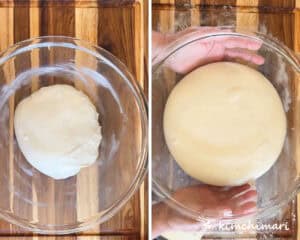
Another common concern for home bakers is the potential for butter leakage during the baking process. While some butter seepage is to be expected and contributes to the characteristic crispy bottom, excessive leakage can indicate issues such as overly warm or soft butter, or an over-proofed dough. Careful management of the butter’s temperature and ensuring the dough is not over-proofed are key to minimizing this problem. Furthermore, maintaining a controlled environment during the final proofing stage, avoiding excessive warmth, can help retain the butter within the dough.
The presence of a hollow interior within the salt bread is another desirable characteristic, though it can be somewhat elusive. This is often achieved by using very cold butter and by avoiding rolling the dough too tightly during the shaping process. However, even experienced bakers may find that the formation of a hollow interior can be inconsistent, occurring sporadically even among rolls baked from the same batch. This adds a layer of delightful unpredictability to the homemade baking experience.
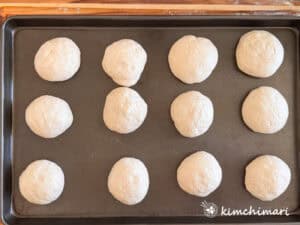
Bread spreading excessively during baking can be a sign of over-proofing or an oven that is not sufficiently hot. Proper proofing times and ensuring the oven reaches the correct temperature are crucial for maintaining the structural integrity of the salt bread and achieving its characteristic shape.
The nutritional profile of a typical serving of salt bread, based on a standard recipe yielding 16 pieces, reveals approximately 217 calories per serving. This breakdown includes around 26 grams of carbohydrates, 4 grams of protein, and 10 grams of fat, with saturated fat contributing about 6 grams. The bread also contains small amounts of fiber, sugar, and essential micronutrients like Vitamin A, calcium, and iron.
The popularity of salt bread is a testament to the universal appeal of well-executed simple baked goods. Its success in both Japan and South Korea, and its growing recognition internationally, highlights a trend towards appreciating artisanal quality and balanced flavors. As consumers increasingly seek out comforting yet sophisticated treats, salt bread, with its perfect marriage of buttery richness, subtle saltiness, and delightful textural contrasts, is poised to remain a beloved fixture in bakeries worldwide. Its journey from a humble Japanese creation to a celebrated East Asian pastry underscores the power of thoughtful baking to transcend cultural boundaries and captivate palates.
