

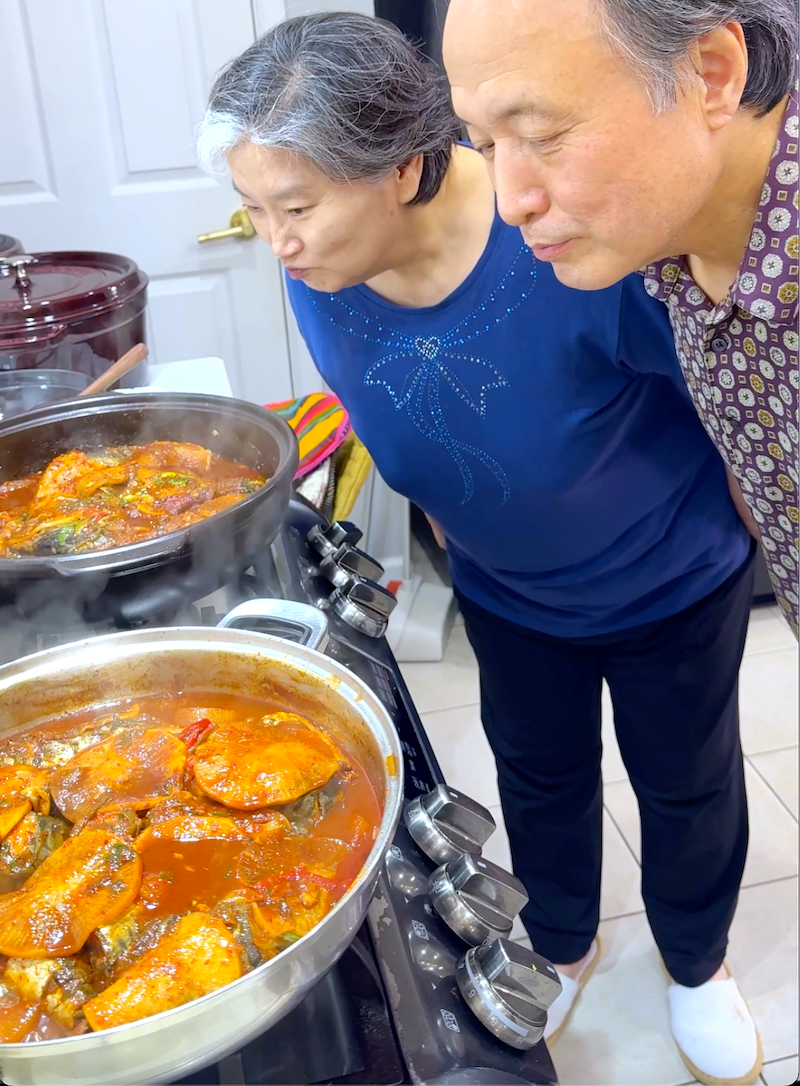
A cherished family recipe, often prepared with the humble yet nutrient-rich mackerel, highlights the profound connection between deliciousness and health benefits in Korean cuisine. This particular dish, favored by the father of the recipe’s originator, elevates mackerel beyond its common grilled form, showcasing the transformative power of simple ingredients and skillful preparation. The accompanying radishes, in this preparation, are so flavorful that they are often lauded as being even more delectable than the fish itself, a testament to the dish’s balanced and nuanced taste profile.
The Nutritional Prowess of Mackerel
Mackerel, a widely consumed fish in many cultures, including Korea, is celebrated not only for its robust flavor but also for its exceptional nutritional density. It is an abundant source of omega-3 fatty acids, specifically EPA (eicosapentaenoic acid) and DHA (docosahexaenoic acid), which are vital for cardiovascular health, brain function, and reducing inflammation. A typical 3-ounce serving of cooked mackerel can provide well over 100% of the daily recommended intake of omega-3s. Beyond these essential fats, mackerel is also a good source of high-quality protein, vitamin D, and vitamin B12, contributing to overall well-being and energy levels.
The dietary guidelines of numerous health organizations, including the World Health Organization and national health bodies, consistently recommend the inclusion of fatty fish like mackerel in a balanced diet due to their documented health advantages. Regular consumption has been linked to a lower risk of heart disease, stroke, and certain types of cancer. Furthermore, the vitamin D content is crucial for bone health and immune function, while vitamin B12 is essential for nerve function and the formation of red blood cells.
A Culinary Tradition Rooted in Simplicity and Flavor
The preparation method described is a cornerstone of Korean home cooking, where a few high-quality ingredients are allowed to shine. The emphasis on a shallow pan, just large enough to accommodate the fish in a single layer, is critical to the success of this dish. This specific technique ensures that the liquid from the simmering ingredients reduces effectively, concentrating flavors and preventing a watery outcome. The choice of a "saucier" or shallow pan is not merely a matter of preference but a functional requirement for achieving the desired texture and depth of flavor.
The ingredients, while not explicitly detailed in the provided excerpt beyond the mention of fish and radishes, typically involve a savory broth infused with Korean pantry staples. These often include soy sauce, garlic, ginger, gochugaru (Korean chili flakes), and potentially some sweetness from ingredients like mirin or a touch of sugar. The radishes, often daikon or Korean radish (mu), absorb the flavorful braising liquid, becoming tender and sweet, their slight peppery note mellowing into a delightful complement to the rich fish.

The Role of Radishes in Korean Cuisine
Radishes, particularly the daikon variety, hold a significant place in Korean culinary traditions. They are a staple ingredient, appearing in numerous dishes, from the ubiquitous kimchi to refreshing soups and hearty stews. Their versatility lies in their ability to adapt to various cooking methods and flavor profiles. In this mackerel preparation, the radishes serve a dual purpose: they act as a flavorful bed for the fish, preventing it from sticking to the pan, and as an integral component of the dish, absorbing and releasing delicious savory notes.
Korean radishes are known for their crisp texture and subtly sweet, slightly pungent flavor. When braised, they soften beautifully, their natural sugars intensifying, and they readily soak up the surrounding broth, transforming into succulent morsels. The statement that the radishes "almost taste better than the fish" is a powerful endorsement of their culinary alchemy in this recipe, suggesting a perfect harmony of textures and tastes where the supporting element becomes a star in its own right.
A Look at the Preparation Timeline and Equipment
The recipe outlines a total preparation time of one hour, with 30 minutes dedicated to preparation and another 30 minutes for cooking. This moderate timeline makes it an accessible dish for weeknight meals, balancing a desire for wholesome, flavorful food with the practicalities of daily life. The specific equipment recommendation – a shallow pan or saucier – underscores the importance of the cooking vessel in achieving the desired outcome. A pan that is too deep would lead to a steaming effect rather than a concentrated reduction of the braising liquid, potentially resulting in a less intense flavor profile.

The typical ingredients for such a Korean braised fish dish often include:
- Fish: Mackerel fillets or whole fish, cut into portions.
- Radishes: Sliced Korean radish or daikon.
- Aromatics: Garlic, ginger, green onions.
- Braising Liquid: Water or anchovy broth, soy sauce, gochugaru, sesame oil, rice wine or mirin, and a touch of sugar or honey.
- Optional additions: Sometimes, onions, mushrooms, or even tofu might be included to add further depth and texture.
The process generally involves layering the radishes at the bottom of the pan, arranging the fish on top, and then pouring over the prepared braising liquid. The dish is then simmered, allowing the flavors to meld and the fish and radishes to cook through and become tender.
Broader Implications and Culinary Significance
This particular preparation of mackerel speaks to a larger trend in global gastronomy: the rediscovery and appreciation of traditional, nutrient-dense ingredients prepared using time-honored methods. As consumers become increasingly health-conscious and discerning about the origins and nutritional value of their food, dishes like this gain prominence.

The emphasis on omega-3 rich fish aligns with global public health recommendations aimed at combating lifestyle-related diseases. Furthermore, the focus on simple, fresh ingredients and effective cooking techniques reflects a growing movement towards mindful eating and a deeper understanding of culinary science. The ability of a dish to highlight humble ingredients like radishes to such a remarkable degree showcases the sophistication and artistry inherent in Korean cuisine.
The enduring popularity of such family recipes also serves as a vital link to cultural heritage. These dishes are not merely sustenance; they are vessels of memory, tradition, and familial connection. The passing down of these culinary skills and recipes ensures that cultural identity is preserved and celebrated through the shared experience of food.
The mention of "healthy" as a keyword associated with this recipe further reinforces its appeal in contemporary food culture. It suggests that deliciousness and health are not mutually exclusive but can be beautifully integrated into a single, satisfying meal. This approach to cooking appeals to a wide audience seeking to nourish their bodies without compromising on taste or culinary enjoyment.

Conclusion: A Testament to Flavor and Health
The described mackerel preparation is more than just a recipe; it is a culinary philosophy that celebrates the inherent goodness of its ingredients. By prioritizing fresh, nutrient-rich fish and allowing simple yet flavorful components like radishes to absorb and enhance the savory broth, this dish offers a compelling example of how delicious and healthy eating can go hand-in-hand. Its moderate preparation time and reliance on accessible ingredients further solidify its status as a valuable addition to any home cook’s repertoire, offering a taste of Korean culinary tradition that is both deeply satisfying and remarkably beneficial. The fact that the radishes are often considered the highlight of the dish is a profound lesson in culinary balance, proving that sometimes, the supporting cast can truly steal the show.
