

Seoul, the sprawling capital of South Korea, stands as a testament to the seamless integration of ancient heritage and futuristic innovation. With a metropolitan population exceeding 9.7 million people, the city serves as the country’s political, economic, and cultural heartbeat. For travelers seeking an exhaustive itinerary, Seoul offers an unparalleled diversity of experiences ranging from serene mountain retreats to the high-octane energy of its global-leading entertainment and fashion districts.

The Historical Foundation of Seoul
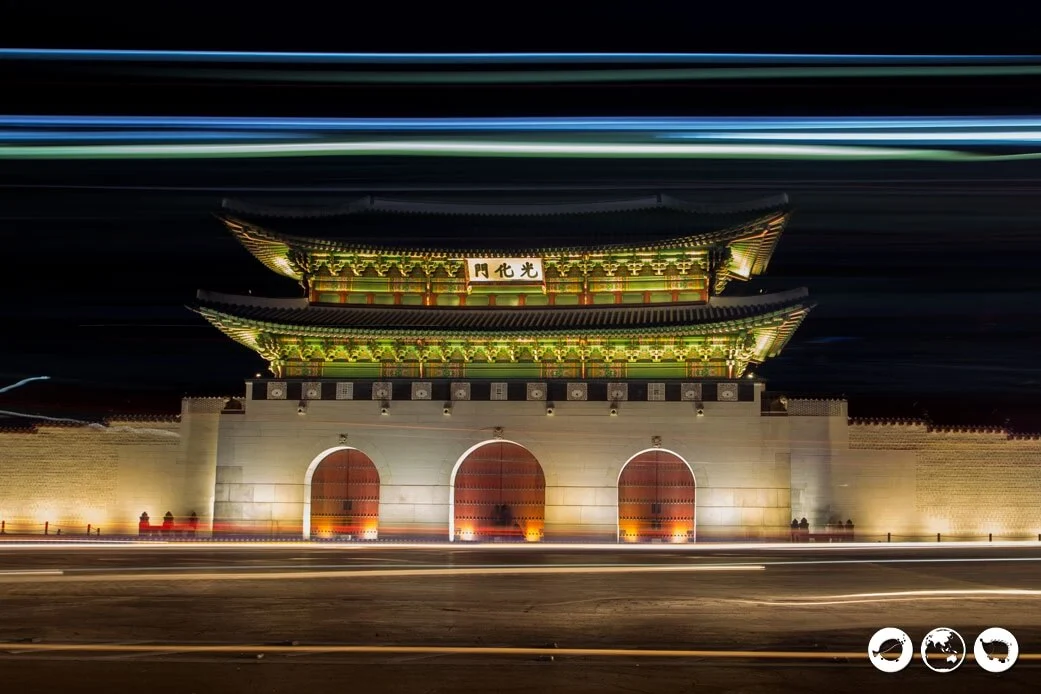
The city’s identity is firmly rooted in the Joseon Dynasty (1392–1897), which established the "Five Grand Palaces." Gyeongbokgung Palace, the largest and most iconic of these, remains a primary destination for those interested in the architectural and political history of the peninsula. Adjacent to the palace grounds, the National Folk Museum of Korea provides essential context regarding the daily lives, beliefs, and customs of the Korean people throughout the centuries.

Further historical significance is found at the Jongmyo Shrine, a UNESCO World Heritage site that stands as the best-preserved Confucian royal shrine. For those interested in the complexities of the 20th century, the Seodaemun Prison History Hall offers a somber yet vital look at Korea’s struggle for independence during the period of Japanese colonial rule (1910–1945). These sites collectively provide a foundational understanding of the resilience that defines modern South Korean society.

Urban Planning and Natural Integration
Seoul is unique among major global metropolises for its ability to integrate rugged mountainous terrain into the urban landscape. Bukhansan National Park, located within the city limits, attracts millions of hikers annually, offering panoramic views of the skyline from granite peaks. Similarly, Ingwansan Mountain allows visitors to walk alongside sections of the ancient fortress wall that once protected the capital, providing a literal bridge between the city’s past and present.

In the heart of the city, the Cheonggyecheon Stream represents a triumph of modern urban renewal. Once a concrete-covered drainage ditch, the 5.8-kilometer restoration project has become a central public park that mitigates the urban heat island effect while hosting major cultural events like the annual Seoul Lantern Festival. The Han River, flowing through the center of the city, acts as the primary recreational spine, hosting parks such as Yeouido, which serve as hubs for cycling, camping, and festivals.

Economic and Cultural Powerhouses
The global influence of Seoul is perhaps most visible in its commercial districts. Gangnam, popularized internationally by the viral success of local pop culture, is the center of the nation’s tech-forward economy and luxury retail sector. The COEX Mall, one of the largest underground shopping centers in Asia, sits at the center of this district, adjacent to the serene Bonguensa Temple—a striking visual representation of the city’s dichotomy between high-tech consumerism and traditional Buddhist practices.

Fashion remains a pillar of Seoul’s cultural exports, with Dongdaemun Market serving as the epicenter. Historically a traditional marketplace, it has evolved into a global fashion manufacturing and wholesale hub. The Dongdaemun Design Plaza (DDP), a neofuturistic structure designed by the late architect Zaha Hadid, serves as a landmark for this industry, hosting fashion shows, design exhibitions, and international trade events.

The Evolution of Entertainment
South Korea has successfully branded itself as a global leader in entertainment, a phenomenon often referred to as Hallyu, or the "Korean Wave." This is reflected in the city’s diverse amusement offerings. Lotte World, a massive indoor/outdoor amusement complex, demonstrates the Korean preference for year-round entertainment, while Everland Resort in the neighboring city of Yongin provides a full-scale theme park and zoo experience that is easily accessible via the extensive Seoul Metropolitan Subway system.

The entertainment landscape is also deeply personal. The popularity of noraebang (private karaoke rooms), multibang (multi-purpose game rooms), and PC bang (high-performance gaming centers) highlights a culture that prioritizes shared social experiences. Furthermore, the city’s cinema culture is highly advanced, with luxury theaters offering features like premium lounge beds and gourmet dining, signaling a shift toward experience-based consumerism.

Navigating the Capital
The efficiency of Seoul’s infrastructure is central to its reputation as a premier destination. The Seoul Metropolitan Subway, consisting of over 20 lines, is widely considered one of the most reliable and affordable transit systems in the world. The implementation of the T-Money card system allows for seamless transfers between subways and buses, fostering a highly mobile society.

While digital navigation tools like Google Maps have seen improvements in recent years, travelers are often advised that the local map provider, Naver Maps, offers more precise real-time data for bus arrivals and walking directions within the complex labyrinth of city alleyways. This reliance on localized tech underscores a broader national trend: South Korea’s early adoption of high-speed internet and mobile technology has created a digital environment that is integrated into every aspect of daily life, from public transportation payments to medical tourism.

Socio-Economic Implications of Medical and Cosmetic Tourism
A noteworthy sector in Seoul is the medical tourism industry, specifically regarding dermatology and elective cosmetic surgery. The city is often cited as the "plastic surgery capital of the world," attracting thousands of international patients annually. This industry is supported by a high concentration of board-certified specialists and state-of-the-art facilities. While this has bolstered the economy, it has also sparked international debate regarding societal beauty standards, illustrating the complexities of a city that is constantly redefining its cultural narrative.

Seasonal Dynamics
The "best" time to visit is often debated, though climate data suggests a preference for the spring (April–May) and autumn (September–November) months. Spring brings the cherry blossom season, transforming parks like Seokchon Lake into pink-hued corridors, while autumn offers mild temperatures and vibrant foliage. Conversely, summers can be characterized by intense heat and humidity, followed by the monsoon season, while winters are marked by sub-zero temperatures, necessitating a robust infrastructure for indoor activities.

Conclusion and Practical Recommendations
For the modern traveler, Seoul is not merely a collection of sites but an experience of constant motion. Whether exploring the ancient alleys of Ikseondong, observing the cutting-edge architectural designs of Gangnam, or engaging with the unique cafe culture—ranging from animal-themed venues to conceptual spaces—the city rewards those who delve beneath the surface.

As with any major international city, preparation is key. Procuring a T-Money card upon arrival, familiarizing oneself with local navigation apps, and maintaining a respectful attitude toward cultural traditions—such as the etiquette required when visiting historical palaces or temples—will ensure a productive and immersive experience. With nearly 100 distinct neighborhoods and landmarks to explore, the capital of South Korea remains a destination that defies a single definition, offering layers of discovery for every type of visitor.
