

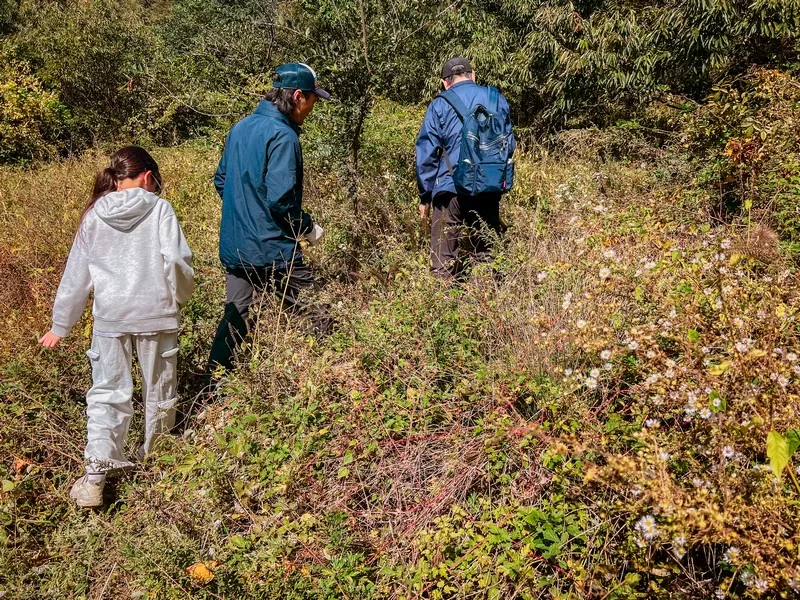
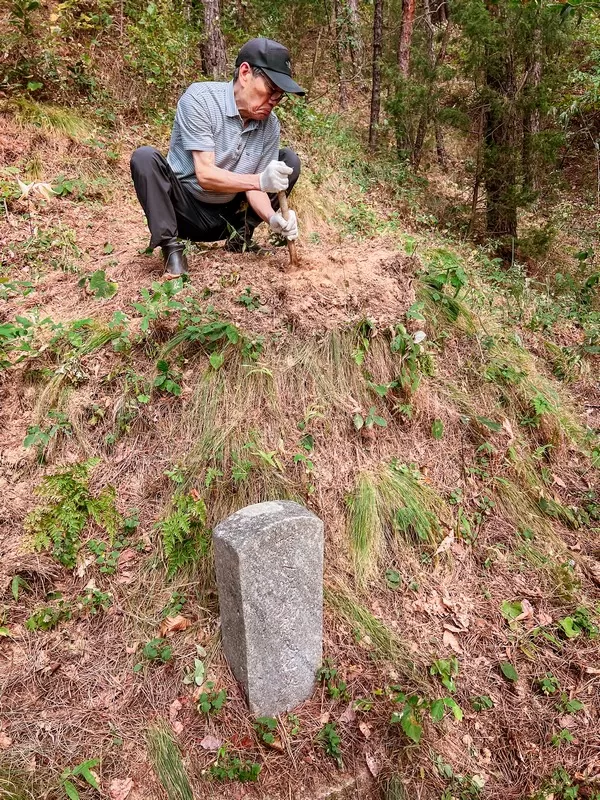
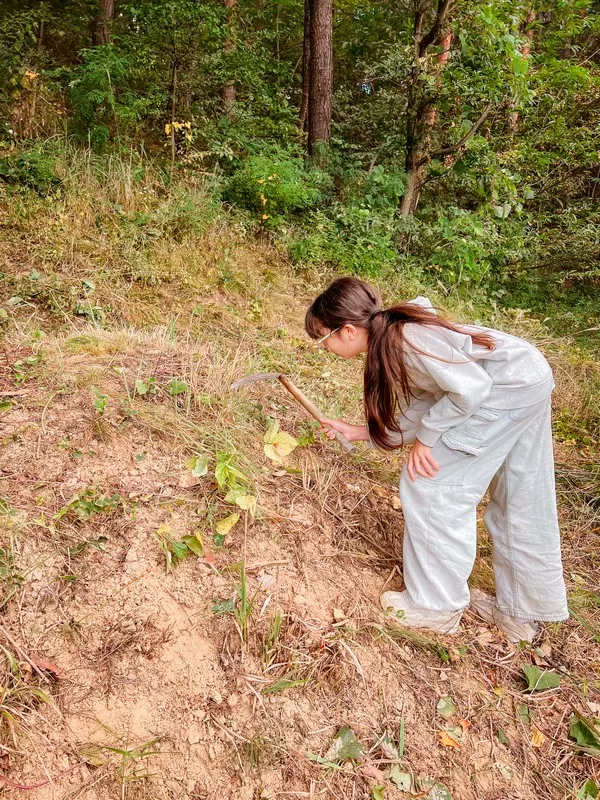
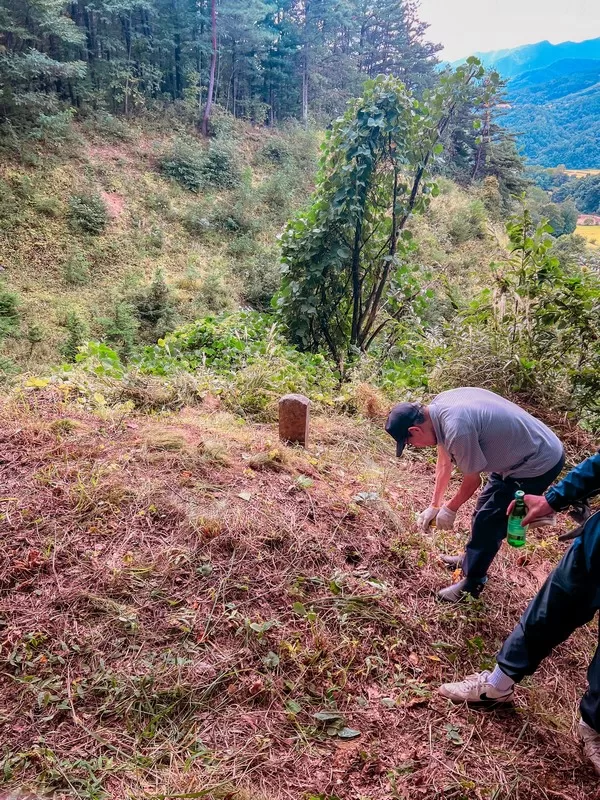
The enduring cultural practice of beolcho represents a foundational pillar of ancestral reverence in South Korea, deeply rooted in the Confucian philosophy of hyo, or filial piety. Each year, predominantly during the weeks preceding the autumn harvest festival of Chuseok, families across the Korean Peninsula undertake the strenuous labor of clearing overgrown vegetation, cutting grass, and restoring ancestral burial mounds. While modern shifts toward cremation and urbanization have transformed contemporary death care, the ritual maintenance of traditional earthen graves remains a vital manifestation of intergenerational duty and cultural continuity.
Historical Context and Cultural Significance of Beolcho
The etymology of beolcho combines the terms for cutting (beol) and grass (cho), yet the practice extends far beyond basic landscaping. Historically, the relationship between the living and the deceased in traditional Korean society did not terminate with death. Descendants were obligated to maintain burial sites regularly and perform ancestral rites to demonstrate ongoing respect and ensure the spiritual well-being of past generations.
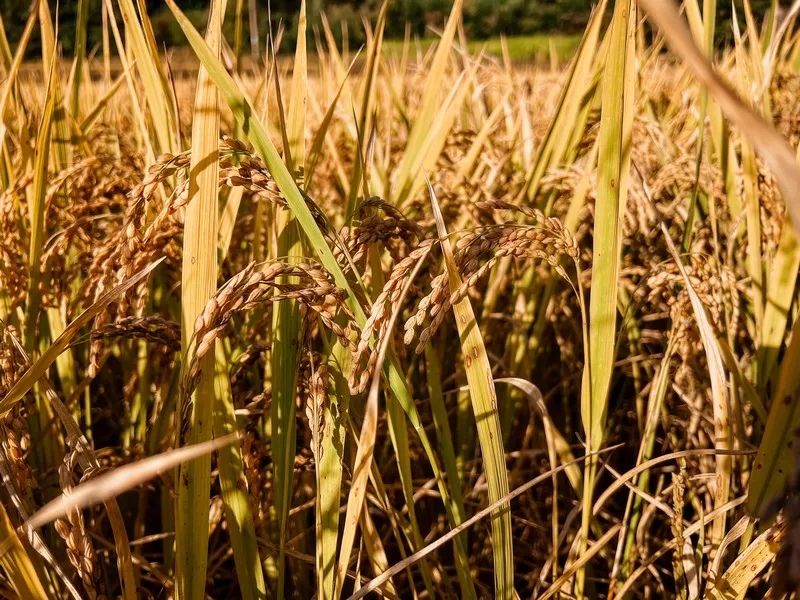
In agrarian communities, where family graves were typically situated on hillsides near ancestral villages, the state of a burial mound served as a public indicator of a lineage’s diligence and moral standing. A neglected, overgrown grave implied that a family was failing in its filial duties—a transgression subject to community scrutiny. This cultural imperative generated the enduring Korean proverb warning that unmaintained graves would force ancestors to attend holiday feasts entangled in briars. Consequently, the ritual window—traditionally beginning after Baekjung, the fifteenth day of the seventh lunar month, and extending through Cheoseo, when seasonal plant growth decelerates—remains a critical period of national mobilization.
Geographical Variations: From Mainland Mounds to Jeju Island’s Sobun
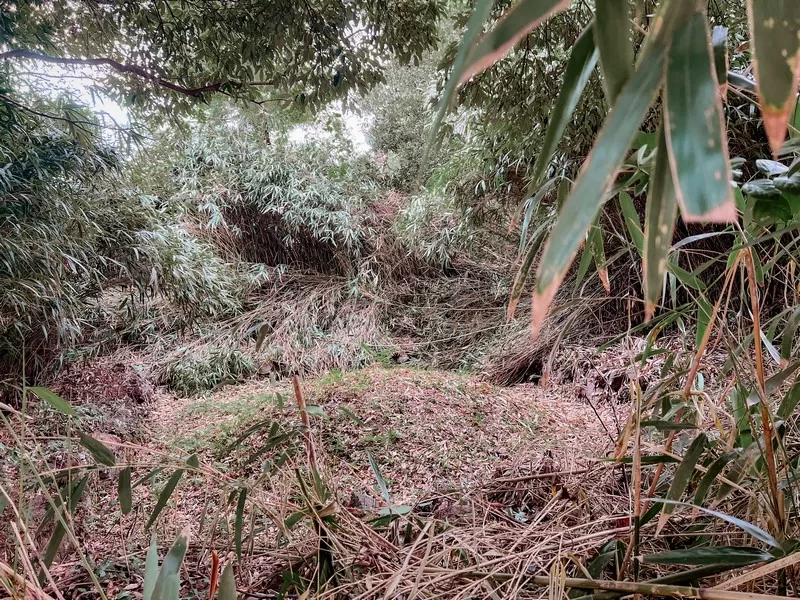
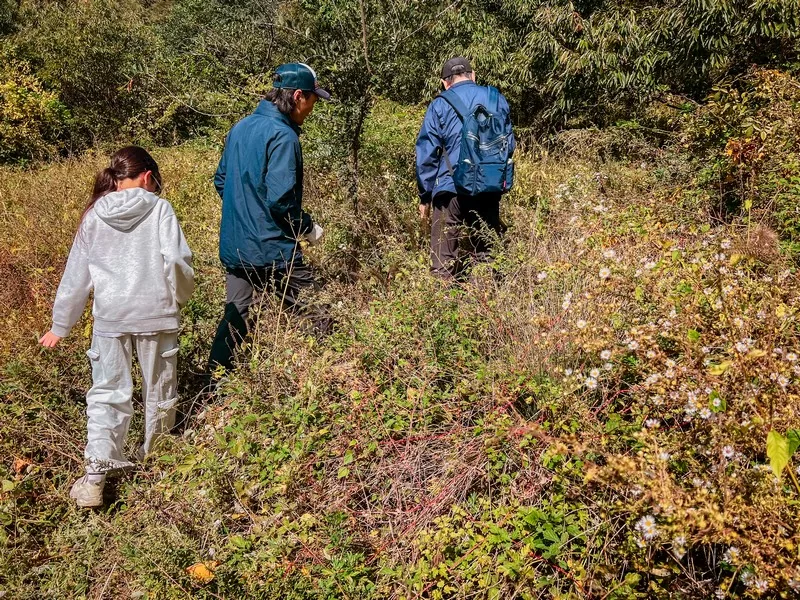
Burial architecture and maintenance traditions vary significantly across geographic regions. On the mainland, ancestral graves (bongbun) are frequently established on rural hillsides, selected in accordance with pungsu, the traditional Korean practice of geomancy. These sites often require arduous treks through dense undergrowth, demanding careful preparation, protective clothing, and specialized tools such as sickles and motorized brush cutters.
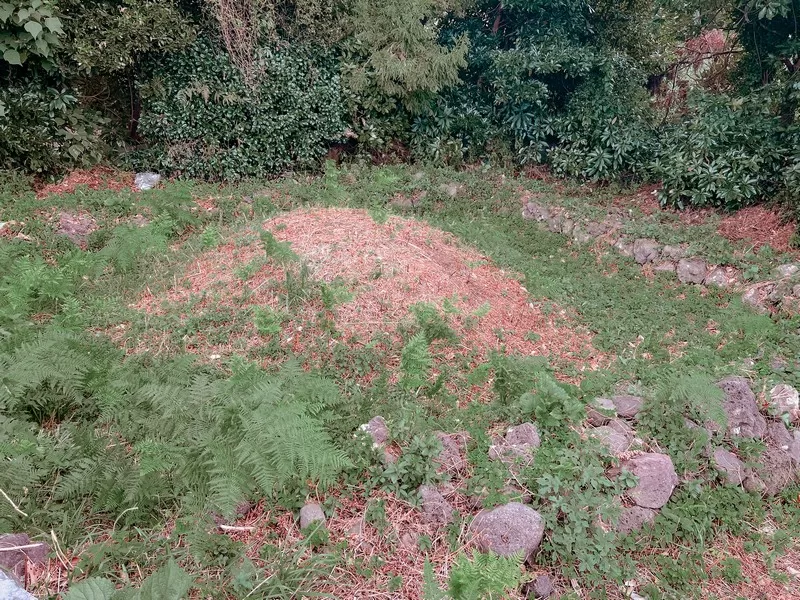
In contrast, Jeju Island exhibits distinct regional nomenclature and architectural features. Known locally as sobun, the practice of grave-cleaning on Jeju adheres to a structured timeline, typically commencing around the first day of the eighth lunar month. Jeju burial sites are frequently enclosed by low, dry-laid basalt stone walls called sandam, historically engineered to prevent livestock from trampling the mounds. Jeju communities traditionally organized two distinct tiers of maintenance: gajok beolcho, focusing on direct ancestors, and modum beolcho, a communal clan gathering to tend ancient lineage plots dating back to the island’s earliest settlers.
Socioeconomic Shifts and Modern Adaptation
The landscape of South Korean mortuary customs has undergone a profound transformation over recent decades. According to data from the Ministry of Health and Welfare, the national cremation rate surged from under 20 percent in 1993 to approximately 94 percent by the close of 2024. This dramatic shift toward cremation, columbariums, and municipal memorial parks has been driven by rapid urbanization, space constraints, and demographic aging.
Despite the proliferation of alternative death-care methods, millions of existing ancestral earthen mounds require ongoing maintenance. As younger generations migrate to metropolitan centers like Seoul or emigrate abroad, many descendants face logistical barriers to performing beolcho personally. This demographic reality has catalyzed the growth of professional grave-maintenance services. Regional agricultural cooperatives, such as local branches of the National Agricultural Cooperative Federation (NH Nonghyup), alongside forestry cooperatives and private enterprises, now offer commercial beolcho services. Pricing typically ranges from 80,000 to 200,000 South Korean won per grave, varying by plot size, slope gradient, and accessibility, with providers commonly supplying digital verification through before-and-after photography.
Occupational Hazards and Safety Protocols
The physical execution of beolcho involves substantial operational challenges and environmental risks. Governmental agencies and emergency services consistently issue safety advisories ahead of the Chuseok holiday rush, highlighting hazards associated with steep terrain, venomous wildlife, and manual cutting equipment.
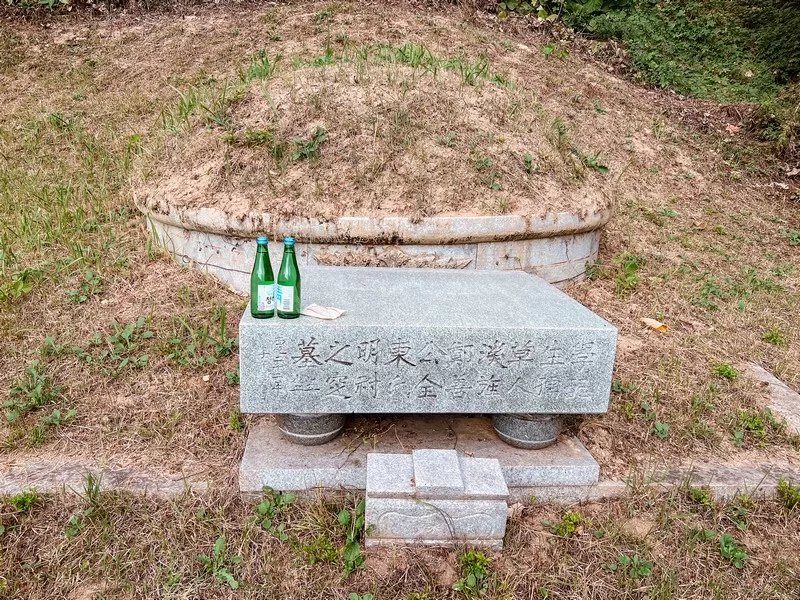
Data compiled by the National Fire Agency and the Korea Consumer Agency indicate that a significant proportion of seasonal injuries and emergency hospitalizations occur during August and September. Key risk factors include:
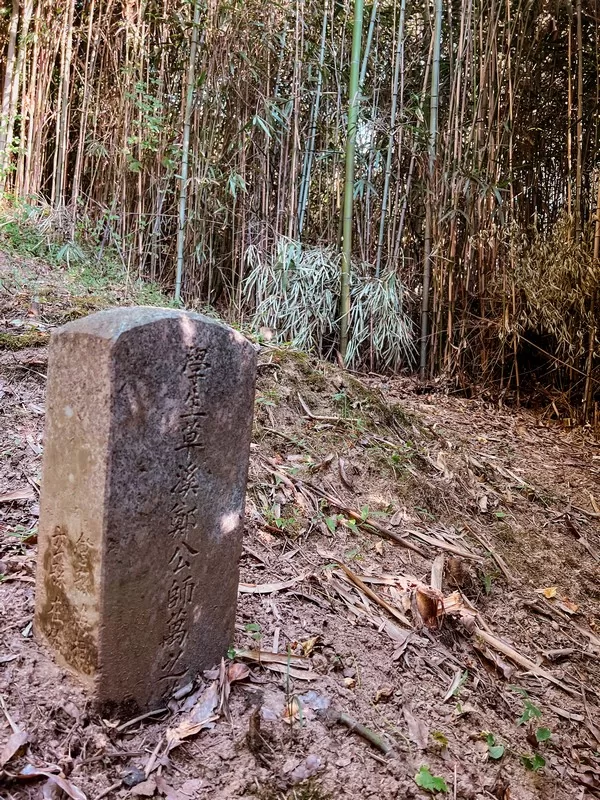
- Vector-Borne Pathogens: Scrub typhus and severe fever with thrombocytopenia syndrome (SFTS), transmitted by ticks and mites inhabiting tall grass, present acute health risks to older adults and outdoor workers.
- Venomous Insects: Encounters with aggressive hornets during brush-clearing operations frequently result in severe stings, prompting safety directives regarding the use of light-colored clothing and pre-work site inspections.
- Equipment Accidents: Lacerations caused by mechanical brush cutters and sickles account for numerous emergency room admissions during the peak maintenance window.
Implications for Intangible Cultural Heritage
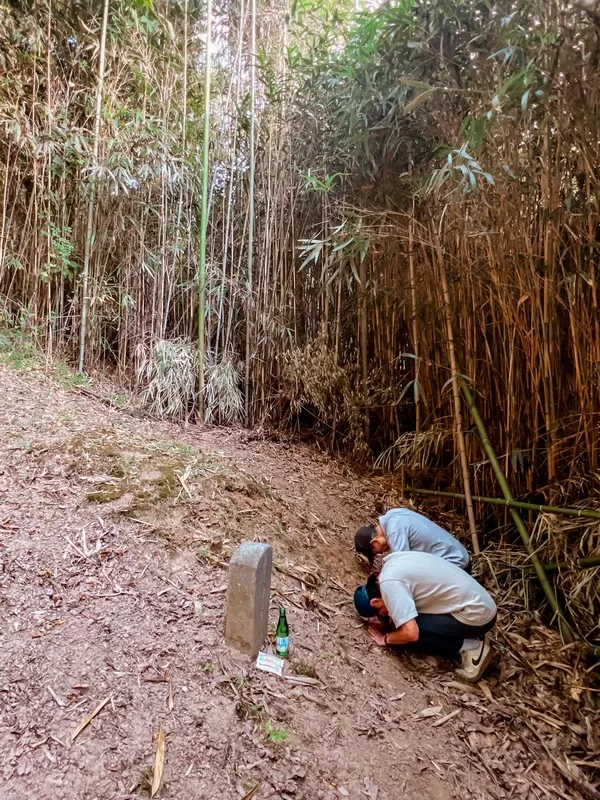
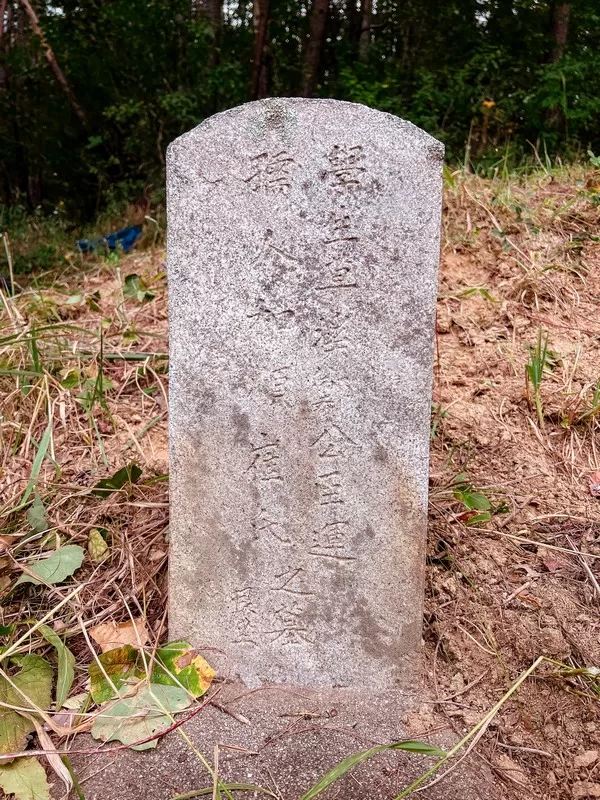
The evolution of beolcho reflects a broader societal transition as traditional agrarian customs adapt to modern industrial realities. While the widespread adoption of cremation signals a gradual decline in the creation of new earthen burial sites, the institutional and familial commitment to maintaining existing ancestral markers endures. Whether executed through arduous family pilgrimages across rugged mountainsides or delegated to professional cooperative services, beolcho continues to function as a tangible manifestation of historical continuity, binding contemporary generations to their ancestral lineage.
