

South Korea’s cultural landscape is characterized by a unique and pervasive openness regarding human waste—a phenomenon that often startles foreign visitors accustomed to the strict taboos surrounding bodily functions in Western societies. Far from being viewed with disgust, waste—commonly referred to in Korean as ddong or ttong—occupies a prominent place in historical agriculture, traditional folklore, linguistics, and modern popular culture. To understand this normalization, sociologists and cultural historians point to a combination of agrarian necessity, ancient superstitions, and a pragmatic view of human health that has successfully bridged centuries of modernization.
Historical Roots: The Agrarian Value of Human Waste
For the vast majority of Korean history, human and animal waste was not considered refuse, but a vital and scarce economic resource. In traditional agrarian societies where chemical fertilizers were nonexistent, agricultural productivity depended entirely on organic compost to enrich the soil for staple crops such as rice, barley, and vegetables. Historical records, including archives maintained by the National Folk Museum of Korea, underscore the extreme value placed on manure. Traditional farming proverbs such as “a bowl of poop is a bowl of rice” reflect a society where biological waste was directly equated with food security and survival.
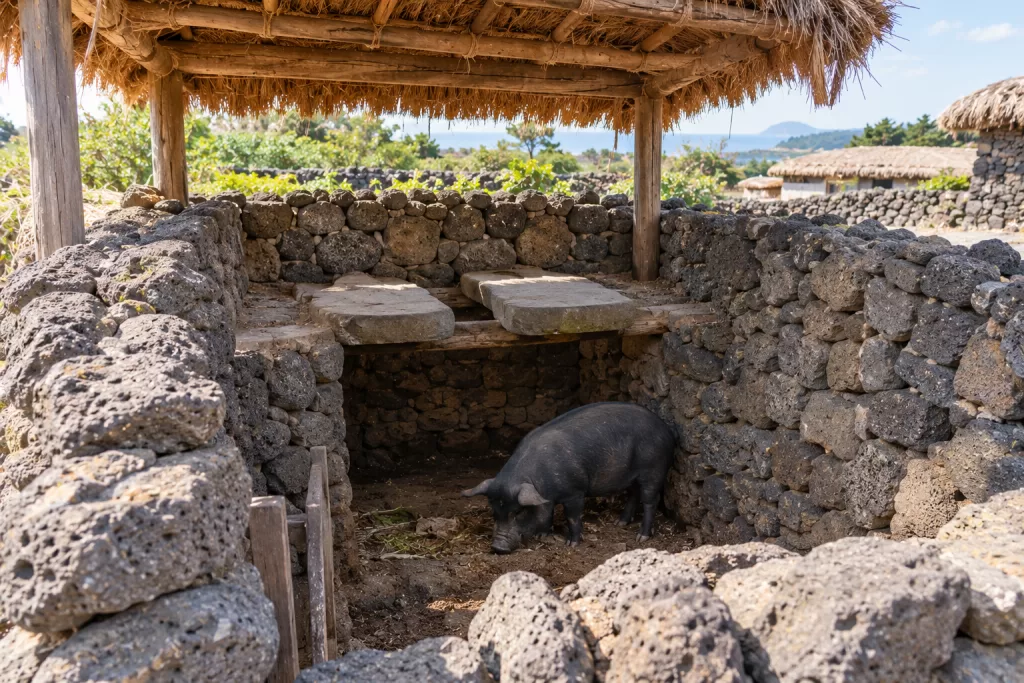
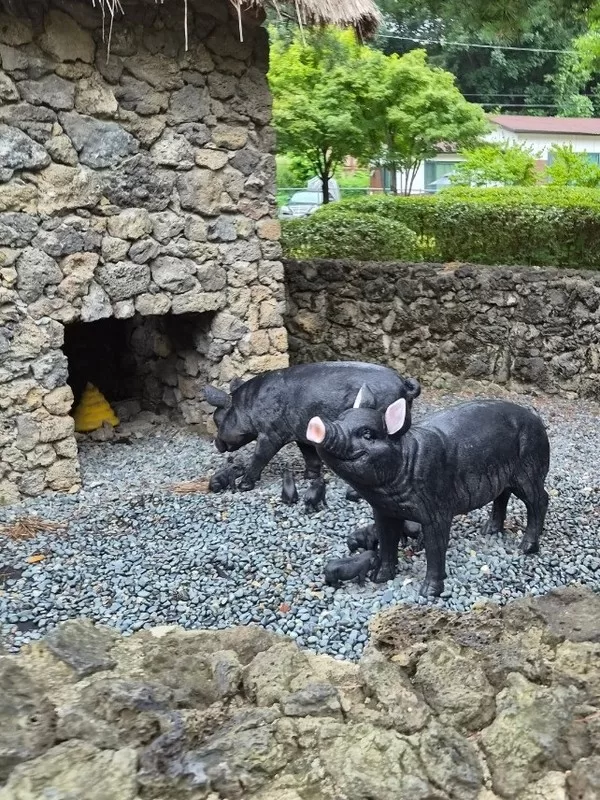
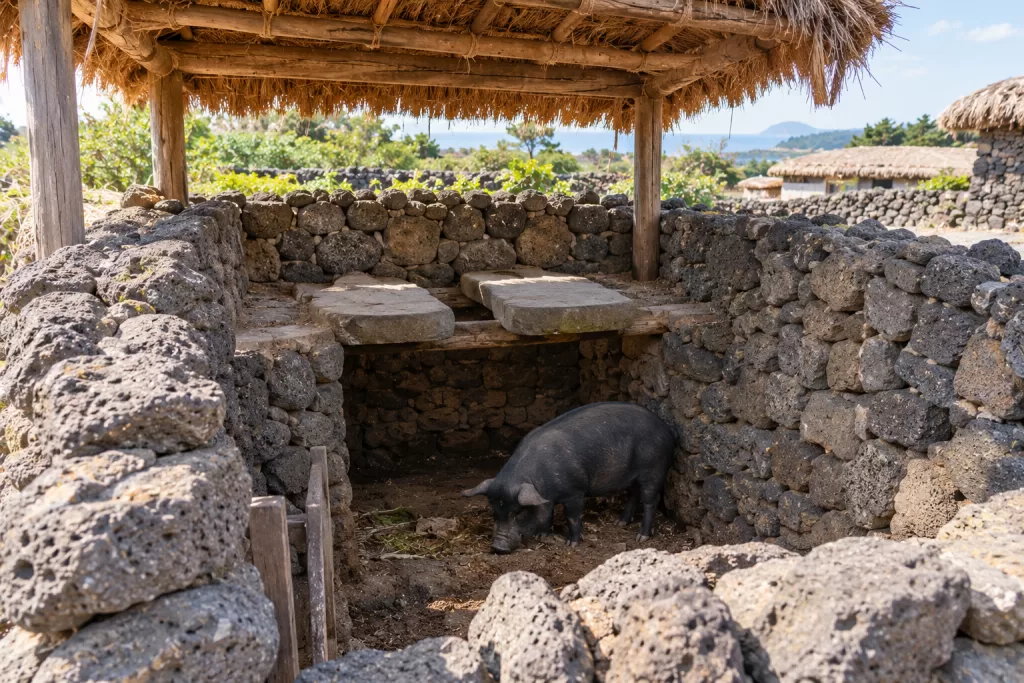
This reliance shaped domestic architecture and rural practices. On Jeju Island, traditional homesteads utilized an ingenious, albeit jarring, integrated architecture known as the dottongsi—a combined outhouse and pigpen. Built using low black basalt walls, the facility featured two flat stones positioned over an enclosure where the family’s black pigs (ddong-dwaeji, or "poop pigs") were kept. The pigs consumed the human waste, while straw trampled on the floor mixed with animal manure to generate high-grade compost. This closed-loop system ensured that every biological byproduct was maximized to sustain the island’s challenging agricultural ecosystem.
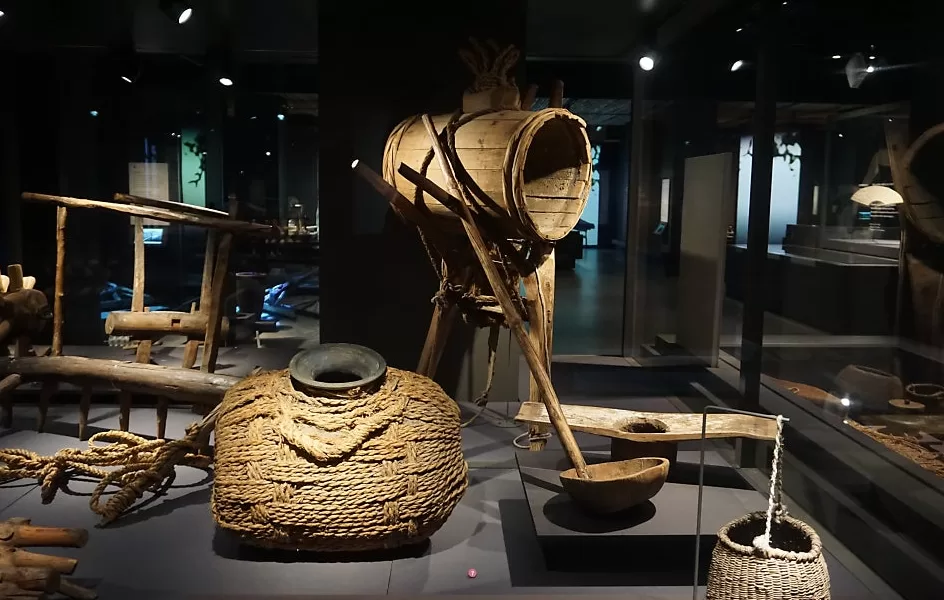
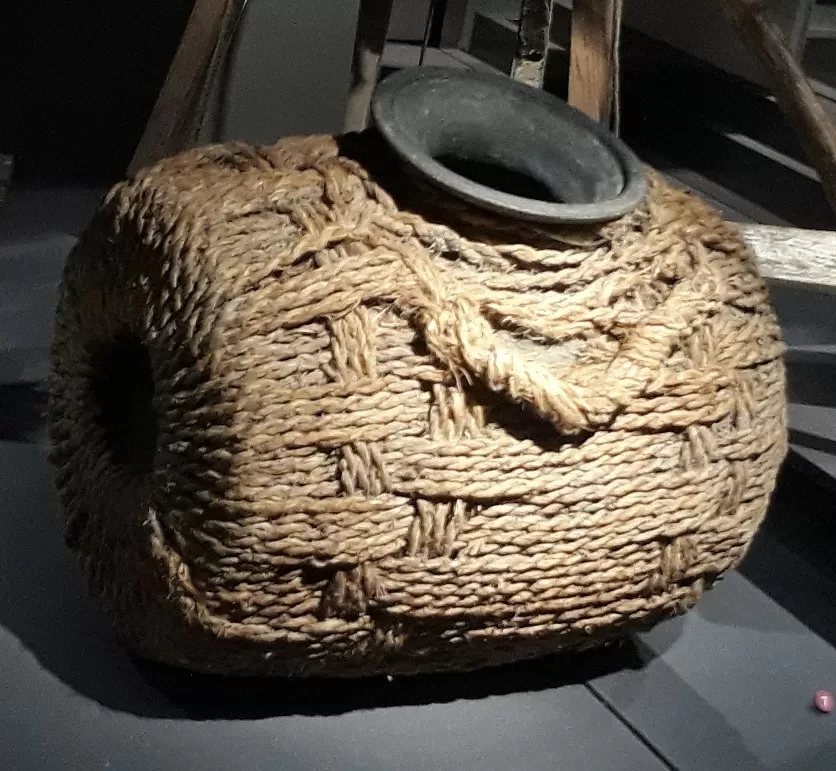
Specialized earthenware jars, known as ddong-janggun (literally "poop generals"), were manufactured specifically for transporting the heavy fertilizer across fields. Because manure was so precious, customary village etiquette dictated that individuals should endeavor to return home to defecate, or at least use their own fields, to avoid inadvertently donating valuable fertilizer to neighboring farmers. Although rapid modernization and public health campaigns in the late 20th century—particularly ahead of major international events like the 1988 Seoul Olympics and the 2002 FIFA World Cup—phased out these traditional methods in favor of modern plumbing, the cultural memory of waste as a life-sustaining element persisted.
Linguistic Integration: Idioms, Superstitions, and Everyday Vocabulary
The pragmatic acceptance of waste is deeply embedded in the Korean language, appearing in unexpected idioms, childhood nicknames, and descriptive nouns. Linguists note that terms incorporating the root ddong often function as standard descriptors rather than vulgarities. For instance, a shooting star is formally and colloquially termed byeol-ttong-byeol, a literal translation of "a star that poops a star." Similarly, a firefly is known as gae-ddong-beolle ("dog poop bug"), while dirt-cheap pricing is referred to as ddong-gap ("poop price").
Other everyday expressions utilize the term to denote clumsiness or negative outcomes. An individual lacking manual dexterity is described as having ddong-son ("poop hands"), contrasted with geum-son ("gold hands"). Experiencing severe misfortune is metaphorically expressed as having stepped in waste (ddong balbatda), while facing intense pressure under a tight deadline is described as having a burning "poop line" (ddongjul tada).
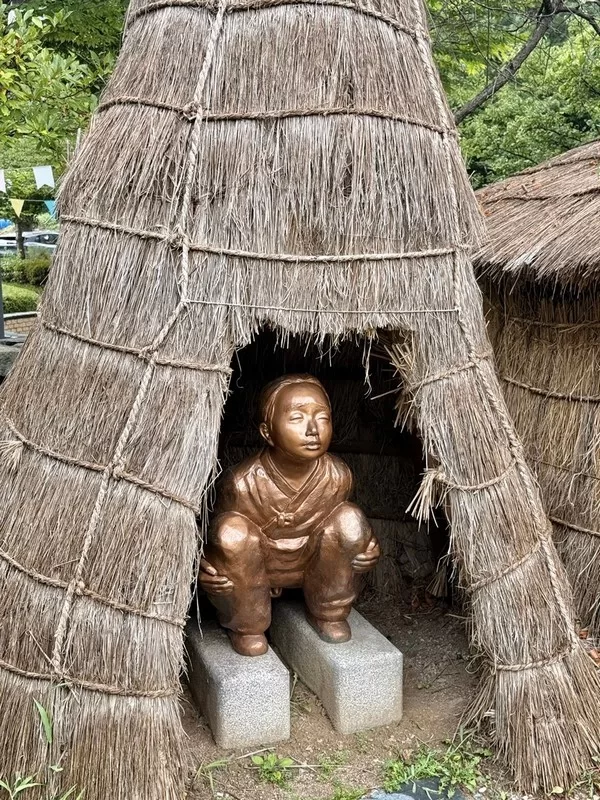
Cultural historians note that this linguistic omnipresence stems from historical superstitions. Traditional folk belief held that dreaming of waste (ddong-kkum) portended immense financial prosperity, with the volume of waste in the dream directly correlating to the scale of incoming wealth—a superstition that continues to drive sporadic lottery ticket purchases today. Furthermore, historical high infant mortality rates gave rise to protective naming customs. Parents frequently bestowed derogatory childhood nicknames, or amyeong, such as gae-ddong-i ("dog poop"), upon newborns. The prevailing belief was that malevolent spirits and bad luck would bypass a child possessing a worthless-sounding name, thereby granting them longevity. Even historical figures, including Korea’s final monarch, Emperor Gojong, reportedly answered to such protective monikers during their early childhood.
Architectural and Institutional Legacy: The Advocacy of "Mr. Toilet"
The cultural normalization of sanitation achieved international recognition through the efforts of the late Sim Jae-duck, the former mayor of Suwon who earned the global moniker "Mr. Toilet." Born in an outhouse in accordance with his grandmother’s wishes to ensure a long life, Sim dedicated his political career to revolutionizing public sanitation standards. Ahead of the 2002 World Cup, he spearheaded a municipal campaign that transformed Suwon’s public restrooms into architectural showcases praised for their cleanliness and design.
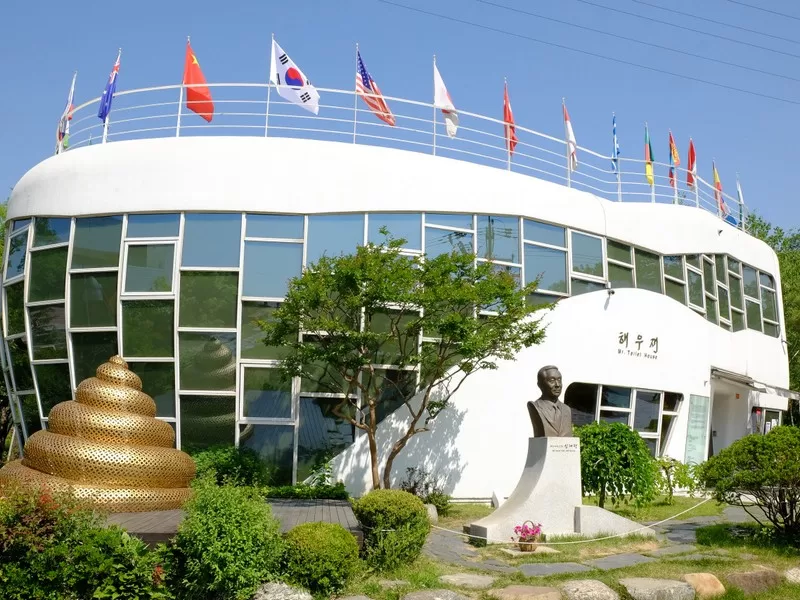
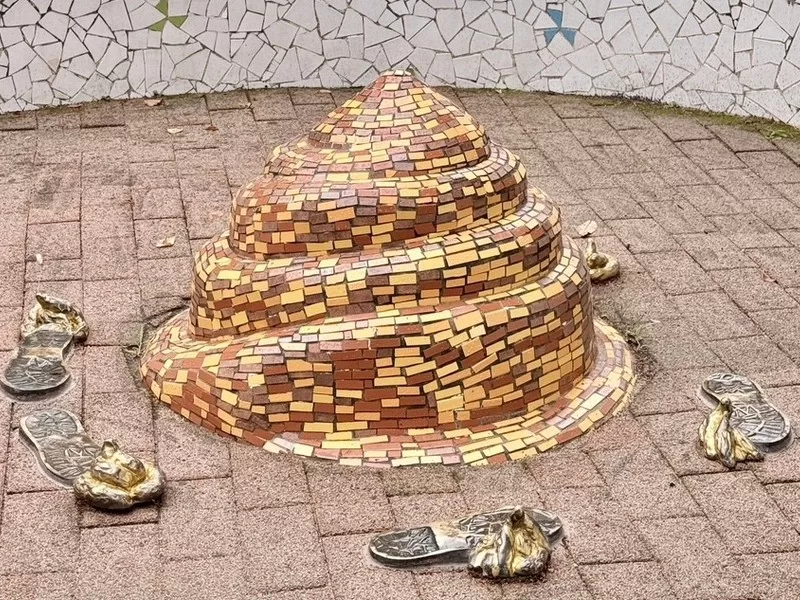
In 2007, Sim established the World Toilet Association and demolished his personal residence of thirty years to construct a facility shaped like a giant toilet. Named Haewoojae—translated as "a house for relieving worries," a nod to the traditional Buddhist temple designation haeuso for monastic restrooms—the structure featured a central, glass-walled bathroom equipped with automated privacy glass. Following Sim’s death in 2009, his family donated the building to the city of Suwon. It now operates as the Haewoojae Museum of Toilet Culture, serving as an educational institution dedicated to global sanitation awareness and hygiene dignity.
Modern Manifestations in Education, Commerce, and Pop Culture
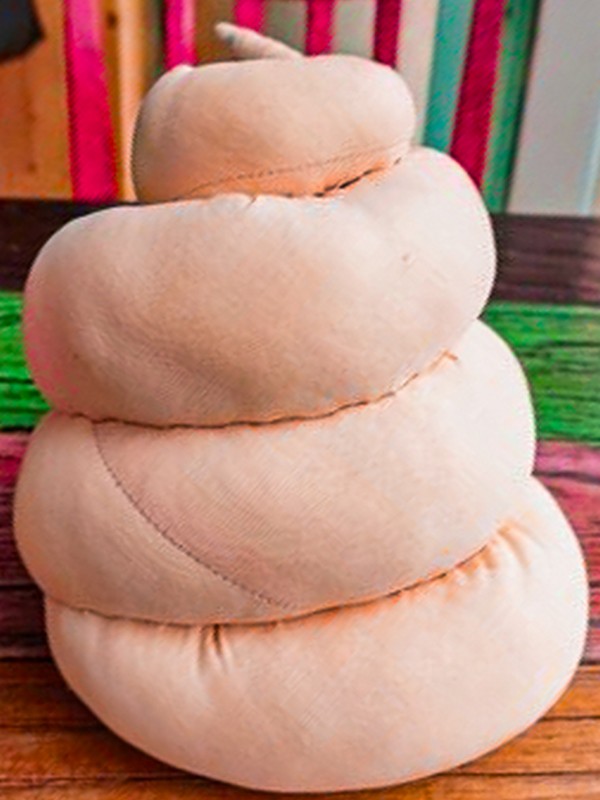
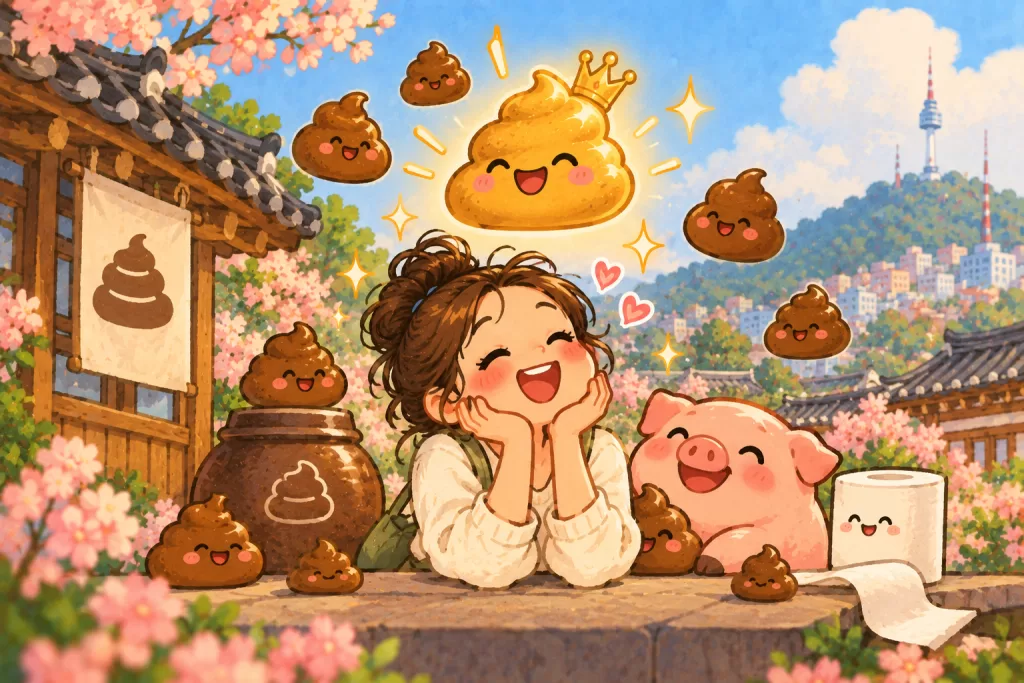
In contemporary South Korea, the historical destigmatization of waste has evolved into a whimsical aesthetic embraced across generations. In academic environments, educators routinely distribute reward stickers featuring smiling waste motifs to commend student achievement. Children’s literature frequently explores the theme with philosophical depth; Kwon Jeong-saeng’s classic 1969 children’s book Kkangaji Ttong ("Puppy Poop"), which depicts a discarded dropping discovering its ultimate purpose by nourishing a blooming dandelion, remains a foundational text that has sold over a million copies and been adapted into traditional claymation.
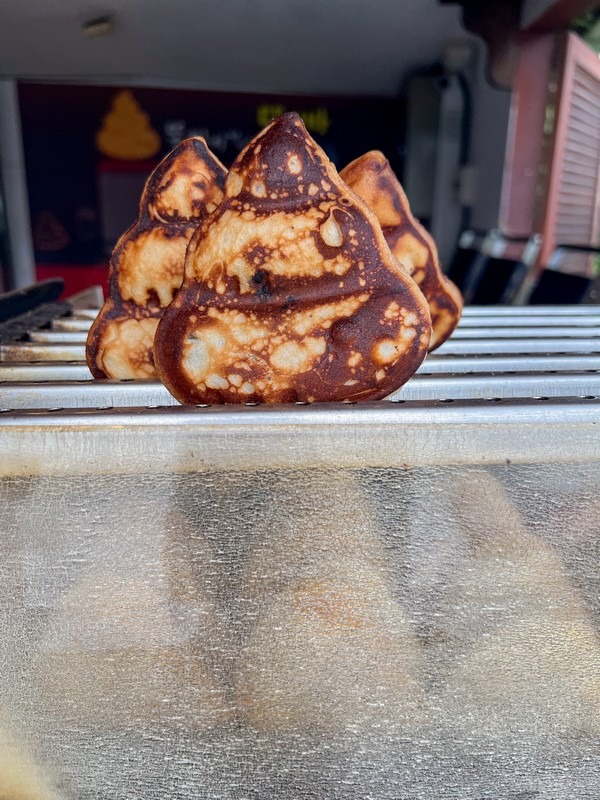
Simultaneously, commercial enterprises have capitalized on the aesthetic through themed venues. Cafes and bakeries across Seoul and surrounding provinces specialize in waste-themed pastries, such as ddong-ppang (sweet-red-bean-filled pastries molded in the shape of a spiral), and serve beverages in miniature ceramic toilet bowls. Novelty traditions also persist among youth, most notably ddong-chim—a playful prank where individuals press their index fingers together and jab an unsuspecting peer in the lower back.
Sociologists analyze these modern commercial and social expressions as a continuation of historical resilience and cultural comfort with bodily realities. By transforming a universal biological necessity into a symbol of luck, humor, and communal utility, South Korea has cultivated a distinct socio-cultural paradigm that sets it apart globally, framing natural bodily functions not as a source of shame, but as an integral part of human existence.
