

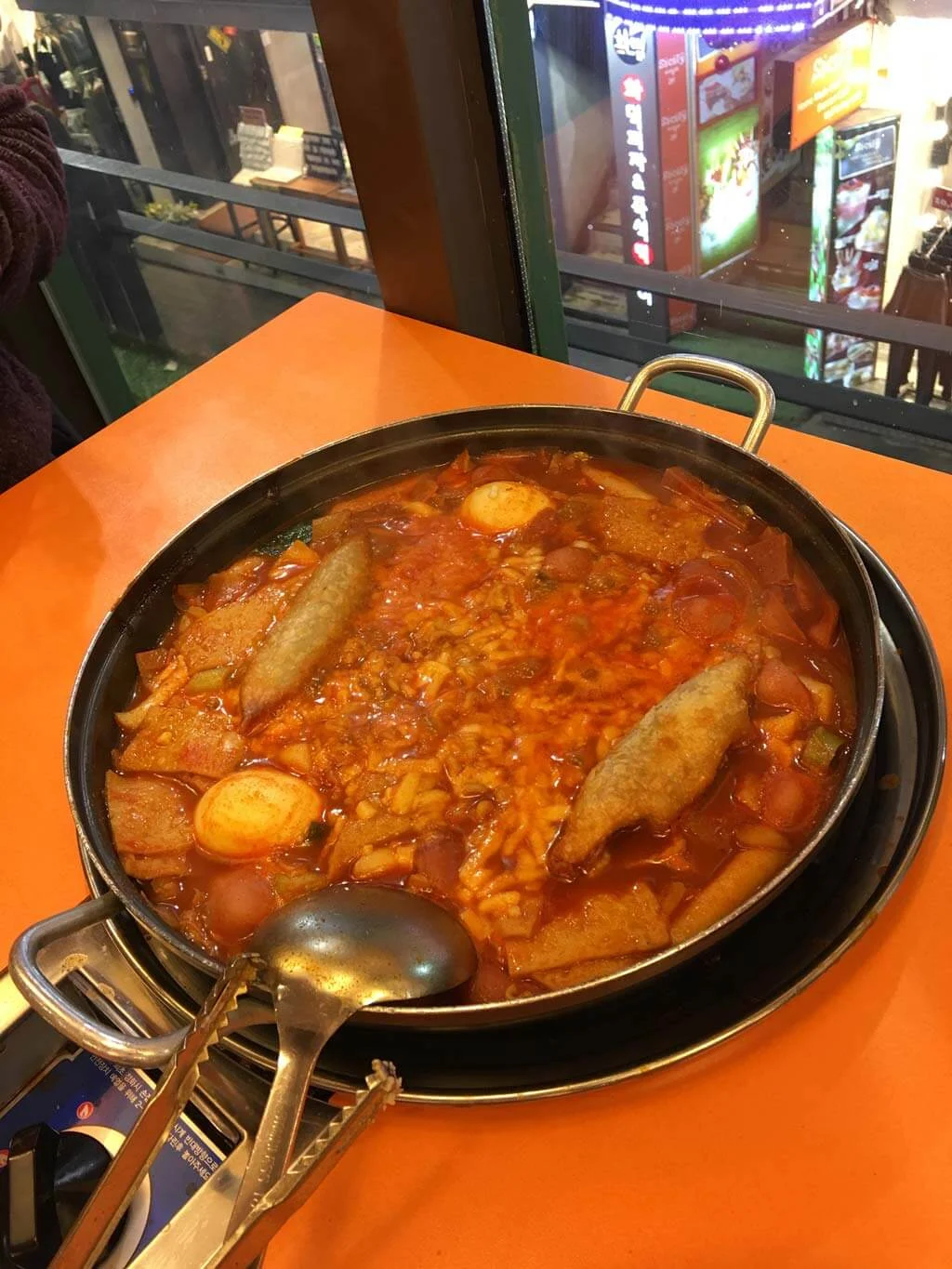
The culinary landscape of South Korea is defined by a profound cultural commitment to spice, a hallmark that has garnered international recognition and serves as a fundamental pillar of the nation’s gastronomic identity. For both domestic consumers and the growing influx of international travelers, the prevalence of capsaicin-heavy dishes—often centered on gochujang (fermented red chili paste) and cheongyang gochu (a high-scoville fresh green chili)—presents a unique sensory experience. Understanding the history, preparation, and societal integration of these dishes requires an analysis of how historical necessity and modern industrial innovation have shaped the Korean palate.

Historical Evolution of the Spicy Palate
The contemporary reliance on extreme heat in Korean cuisine is a relatively recent development in the context of the country’s long history. While chili peppers were introduced to the Korean peninsula from the Americas via Portuguese trade routes in the late 16th century, the widespread adoption of spicy pastes for preservation and flavor occurred over several centuries.
A significant turning point in the evolution of spicy Korean food occurred during the mid-20th century, particularly during and after the Korean War (1950–1953). The influx of foreign processed goods, such as canned meats, sausages, and Spam, necessitated a fusion of flavors to suit local preferences. This era birthed budae jjigae, or "army base stew," a pragmatic culinary invention that combined Western rations with traditional spicy broth bases. This dish serves as a primary example of how necessity fostered a new genre of comfort food that prioritized bold, high-heat profiles.

Categorizing the Staples of Heat
Korean spicy cuisine is not monolithic; it varies by preparation method, ranging from fermented stews to stir-fried proteins. A survey of the most prominent dishes reveals a distinct trend toward high-intensity spice levels that are now considered standard in urban culinary centers like Seoul and Busan.
The Stews: Budae Jjigae and Dak Dori Tang
Budae jjigae remains a testament to historical adaptation. Modern iterations often feature processed meats, rice cakes (tteok), and occasionally instant ramen noodles, unified by a base of gochujang and chili flakes. Dak dori tang, a braised spicy chicken dish, occupies a similar space in the domestic culinary canon. Unlike the "hodge-podge" nature of army stew, dak dori tang is characterized by its slow-braised preparation, where chicken, potatoes, and vegetables are simmered in a reduced, concentrated spicy broth. This dish is frequently cited by culinary historians as a quintessential example of "home-style" cooking, often served during seasonal transitions to provide thermal comfort.

Poultry-Centric Spice: Dak Galbi and Dakgangjeong
Dak galbi, originating from the Chuncheon region, has seen a resurgence in popularity due to its communal preparation style. The dish involves marinating chicken in a gochujang-based sauce and stir-frying it on a large, flat iron grill at the table. The inclusion of melted cheese has become a common culinary strategy to moderate the acidity and heat of the chili, a practice that gained significant traction in the early 2010s to attract younger demographics.
Similarly, dakgangjeong represents the integration of spice into the street-food culture. These double-fried, bite-sized chicken pieces are coated in a viscous, spicy-sweet glaze. This dish is distinct for its focus on texture—the "crackling" of the skin against the heat of the sauce—and is frequently consumed in tandem with chilled beverages, which aid in the mitigation of capsaicin intensity.

The Noodle Phenomenon: Instant Ramen
South Korea currently maintains the highest per-capita instant noodle consumption in the world. According to data from the World Instant Noodles Association, the average South Korean consumes approximately 75 servings of instant noodles annually. The industry has capitalized on this by creating a diverse range of "heat tiers." Products like Shin Ramyun and the significantly more potent Buldak (fire chicken) series have become cultural exports. The latter, specifically the "Fire Noodle Challenge" that went viral globally, demonstrates the intersection of food, digital media, and extreme spice tolerance.
The Physiology of Spice and Consumer Response
The physiological reaction to these dishes—often marked by elevated heart rate, diaphoresis, and localized inflammation of the mucous membranes—is viewed by many Koreans as a form of stress relief. This phenomenon, often colloquially referred to as "spicy stress-busting" (maewoon-mat seut-reseu haeso), has been a subject of interest in consumer psychology.

Data from major South Korean food franchises suggest that during periods of economic downturn or heightened societal stress, the sales of high-scoville products increase. This is attributed to the endorphin release triggered by the ingestion of capsaicin. Restaurant operators have noted that customers frequently request "extreme" spice levels as a means of achieving this physiological "high," leading to a competitive landscape where establishments attempt to outdo one another in heat intensity.
Broader Socio-Economic Implications
The ubiquity of spicy food in Korea has created a ripple effect in the hospitality and service sectors. The common practice of providing cooling agents, such as fermented dairy drinks, pickled radishes, or side dishes with high water content, is a strategic element of service design. These accompaniments are not merely sides; they are essential safety buffers for the consumer.

Furthermore, the rise of the "spicy economy" has prompted food manufacturers to invest heavily in R&D to standardize the "scoville experience." This ensures that a dish served in a casual canteen in Seoul maintains a consistent flavor profile, reinforcing brand loyalty. However, this shift toward extreme spice has also sparked a minor public health discourse regarding the long-term impact of high-sodium, high-capsaicin diets on gastric health. Health professionals in the country have periodically advised moderation, though the cultural attachment to these dishes remains robust.
Future Trajectories
As South Korean cuisine continues to gain global traction through the "Hallyu" (Korean Wave) phenomenon, the specific profile of its spicy dishes is undergoing a process of globalization. International franchises are adapting these traditional recipes to suit a wider range of global palates, often by offering "mild" versions or providing supplementary cooling sauces.

The evolution of these dishes from wartime sustenance to a source of national pride and a global culinary trend underscores the adaptability of the Korean food industry. Whether through the refined, braised textures of Andong Jjimdak or the immediate, searing heat of Cheese Buldak, the nation’s culinary output continues to prioritize a bold, unapologetic sensory experience. As the industry moves forward, the challenge will remain in balancing the traditional demand for high-heat dishes with the evolving nutritional awareness of a globalized consumer base.
The enduring legacy of these foods—ranging from the humble instant noodle packet to the elaborate, table-cooked dak galbi—ensures that the "land of the morning calm" will continue to be recognized as a premier destination for those seeking to test the limits of their culinary endurance. The data remains clear: the appetite for heat in Korea is not merely a passing trend, but a deeply ingrained aspect of the nation’s social and economic fabric, one that will likely continue to innovate and expand in the years to come.
