

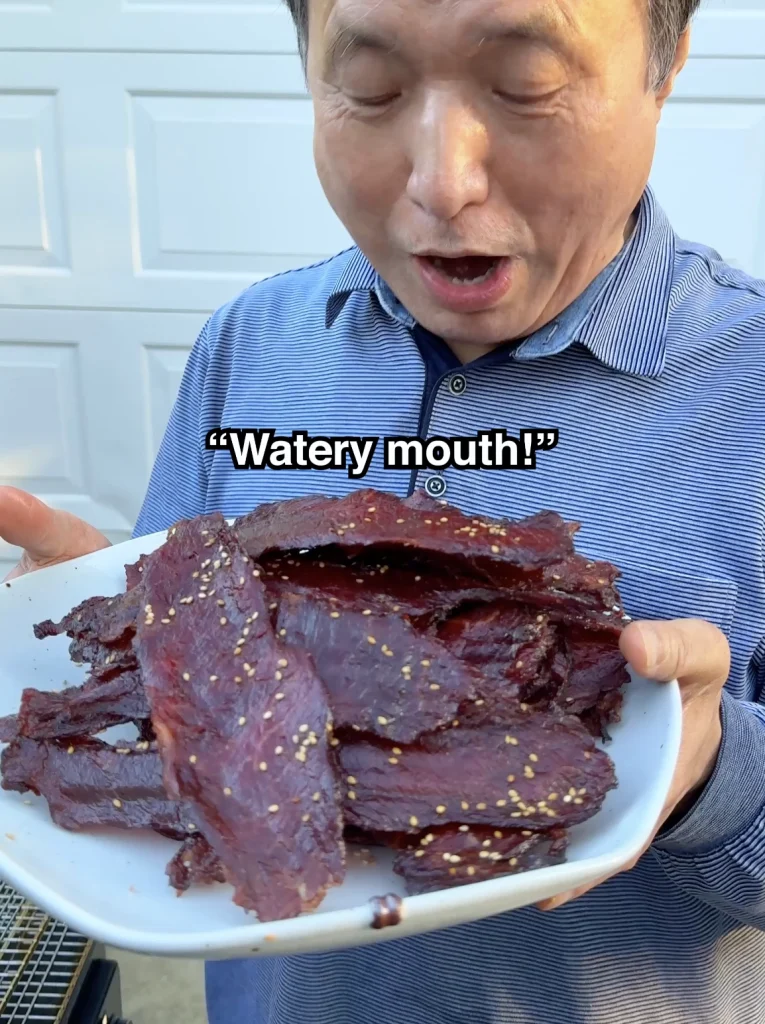
The emergence of artisanal, home-prepared snacks has seen a significant shift toward flavor-forward, high-protein options that prioritize culinary complexity over the traditional, overly processed alternatives found on supermarket shelves. Among these, the preparation of Korean BBQ jerky has gained traction as a sophisticated culinary endeavor that blends traditional preservation techniques with the bold, umami-rich profiles characteristic of Korean cuisine. By leveraging a multi-day marination process and a slow-cook dehydration method, home cooks are increasingly producing snacks that rival commercial offerings in both quality and nutritional value.
The Evolution of Homemade Jerky
Jerky, historically a method of preservation developed to sustain protein supplies through periods of scarcity, has transitioned into a gourmet snack category. Modern consumer demand for "clean label" products—items with fewer additives, lower sodium levels, and high-quality ingredients—has prompted a resurgence in DIY food preparation. Traditional mass-produced jerky is frequently criticized for its reliance on nitrates, excess sugars, and artificial preservatives. In contrast, the Korean BBQ approach focuses on the infusion of natural aromatics, such as soy sauce, ginger, garlic, and fruit-based tenderizers, which elevate the product beyond simple salt-cured meat.
The specific appeal of Korean-style jerky lies in its flavor profile, which often includes a balanced harmony of sweet and savory notes. The addition of applewood smoke, a technique common in professional smokehouses, introduces a nuanced layer of depth that complements the fermented tang of the soy-based marinade.
Chronology of the Preparation Process
Achieving the optimal texture and flavor profile for Korean BBQ jerky requires a structured approach spanning several days. The process is defined by three distinct phases: preparation, marination, and dehydration.
The initial preparation phase typically requires one hour of active time. During this stage, proteins—usually lean cuts of beef—are sliced into uniform strips to ensure consistent dehydration. Precision in slicing is essential; strips that are too thick will remain chewy, while those that are too thin risk becoming brittle or overcooked.
The marination phase is the most critical component, requiring approximately 48 hours. This extended duration allows the marinade to penetrate the muscle fibers of the meat, facilitating a chemical process known as enzymatic tenderization, often assisted by the natural acidity found in Korean pear or apple purées used in traditional marinades. This process does not merely coat the exterior of the meat but fundamentally alters the protein structure to create a tender, flavorful final product.
The final phase, the cooking and dehydration stage, lasts approximately four hours. Utilizing specialized equipment such as a multi-layer baking rack allows for efficient airflow, ensuring that all pieces dehydrate at an equal rate. The integration of applewood smoke during this stage is the final defining characteristic that differentiates this method from standard oven-drying techniques.
Nutritional and Economic Analysis
Data regarding the consumption of high-protein snacks indicates that consumers are increasingly willing to invest time in food preparation to ensure dietary control. When comparing homemade Korean BBQ jerky to commercial equivalents, several economic and nutritional factors emerge.

From a cost perspective, purchasing high-quality cuts of beef in bulk is significantly more economical than purchasing pre-packaged jerky, which carries a premium price tag due to processing, packaging, and marketing costs. Furthermore, the ability to control the quality of the raw ingredients allows the consumer to bypass the high sodium levels often found in commercial brands, which can contain upwards of 400–500 milligrams of sodium per small serving. By opting for a homemade marinade, the sodium content can be reduced by nearly 30% without sacrificing the flavor density of the product.
The Role of Specialized Equipment
The rise of the "prosumer" kitchen has enabled home cooks to achieve results previously reserved for professional food manufacturers. The use of multi-layer baking racks is a direct response to the need for increased efficiency. By maximizing the surface area within a standard oven or dehydrator, cooks can process several pounds of meat simultaneously. This equipment-driven efficiency reduces the energy expenditure associated with long cooking times, making the process more sustainable for the average household.
Industry analysts note that sales of home dehydrators and specialized cooling racks have seen a steady increase, mirroring the growth of the home-cooking trend. This shift suggests that consumers are moving toward a more hands-on relationship with their food, prioritizing artisanal techniques that allow for greater creative control over flavor and texture.
Broader Culinary Implications
The popularity of Korean-inspired snacks is a symptom of a broader trend in global gastronomy: the fusion of regional preservation techniques with international flavor palettes. Korean BBQ, characterized by its reliance on fermented ingredients and complex sauces, provides a robust foundation for the jerky category.
Experts in food science point out that the umami-rich nature of Korean marinades—largely driven by the presence of glutamates in soy sauce and fermented bean pastes—is particularly effective at enhancing the savoriness of dried meat. This sensory satisfaction is why Korean BBQ jerky is increasingly viewed as a viable alternative to other protein-dense snacks like nuts or yogurt.
Reactions and Community Engagement
The feedback from home cooking communities regarding this specific method of preparation has been largely positive. Users frequently report that the combination of the long marination period and the low-temperature smoke results in a product that is significantly more tender than the standard commercial varieties found in gas stations or convenience stores.
Social media platforms and culinary forums have become central hubs for sharing variations of the marinade, with some contributors experimenting with additions such as gochujang (Korean chili paste) for a spicy profile or additional sesame oil for aroma. This collaborative environment serves to refine the recipe, transforming it from a static instruction set into a living culinary tradition.
Conclusion and Future Outlook
As consumers continue to prioritize health-conscious and cost-effective eating, the practice of preparing artisanal jerky at home is likely to maintain its upward trajectory. The integration of traditional Korean seasoning methods with modern kitchen technology provides a blueprint for how home cooks can reclaim control over their dietary intake.
Moving forward, the focus is expected to shift toward further experimentation with non-meat protein sources, such as plant-based seitan or soy-based analogs, using the same Korean BBQ marination techniques. The success of this specific recipe underscores a fundamental truth in contemporary food culture: when time and quality ingredients are prioritized, the results far exceed the convenience of industrial alternatives. The professionalization of the home kitchen, supported by accessible technology and shared knowledge, ensures that such culinary crafts will continue to evolve and thrive in the modern household.
