

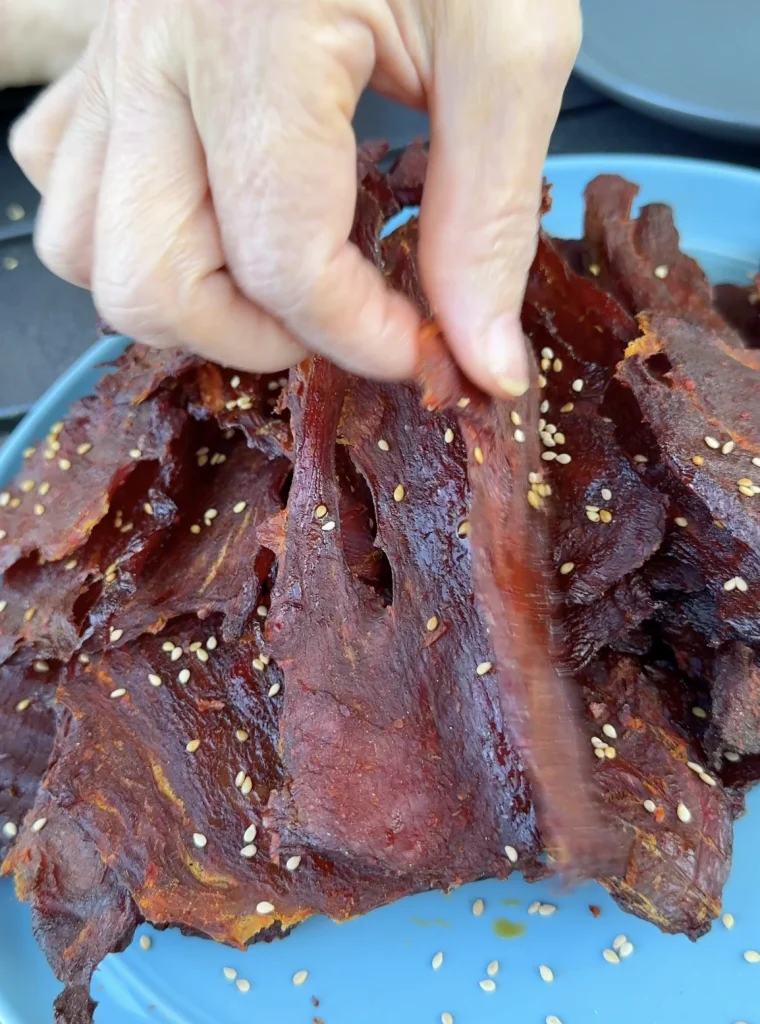
The art of home-prepared beef jerky has undergone a significant transformation, moving from a simple preservation method to a sophisticated culinary endeavor defined by international flavor profiles and artisanal techniques. Among the latest trends in DIY charcuterie, Korean BBQ-style beef jerky has emerged as a standout, primarily due to its complex umami profile and the infusion of applewood smoke. This transition toward home-based production is largely driven by a growing consumer preference for additive-free, high-protein snacks that bypass the high sodium and preservative content often found in mass-produced commercial jerky.
The Rise of Artisanal Home Curing
Historically, beef jerky was manufactured primarily for durability, with salt and smoke serving as the primary agents for long-term storage. However, contemporary culinary enthusiasts are prioritizing flavor complexity over shelf stability. By utilizing traditional Korean marinade components—such as soy sauce, Asian pear, garlic, ginger, and brown sugar—home cooks are replicating the depth of flavor associated with Bulgogi, a classic Korean dish.
The integration of applewood smoke adds a secondary layer of complexity. Applewood is a mild, sweet-smelling hardwood that pairs exceptionally well with the savory-sweet notes of Korean marinades, preventing the bitterness that can sometimes occur with stronger woods like hickory or mesquite. This marriage of Eastern flavor profiles and Western smoking techniques represents a significant evolution in home-cooking trends.
Chronology of the Preparation Process
Achieving a high-quality, professional-grade jerky at home requires patience and a disciplined approach to time management. Unlike standard cooking methods, jerky production is a multi-day process that relies on enzymatic breakdown and controlled dehydration.
- Day 1-2: The Maceration Period: The process begins with the preparation of a marinade, which typically involves soy sauce, aromatics, and enzymes (often derived from pureed Asian pear) to tenderize the muscle fibers of the beef. The meat is sliced into uniform strips to ensure even dehydration. The marinating phase, which spans approximately 48 hours, is critical. During this time, the marinade penetrates the meat, ensuring that the umami flavors reach the center of each strip.
- Day 3: Prep and Initial Drying: After the marination is complete, the meat is removed and patted dry. Moisture removal is the most vital step in the process, as excess surface moisture inhibits the smoking process and can result in an uneven texture.
- Final Stage: Controlled Dehydration and Smoking: The meat is placed on multi-layered baking racks, which allow for consistent airflow. The process typically requires one hour of active preparation, followed by four hours of cooking in an oven or smoker at low temperatures. This low-and-slow approach ensures that the proteins coagulate without searing, maintaining the "chew" characteristic of high-quality jerky.
Comparative Nutritional and Economic Analysis
Data regarding the commercial jerky industry indicates that traditional store-bought products often contain between 300mg and 500mg of sodium per ounce, alongside various chemical preservatives such as sodium nitrite, potassium sorbate, and artificial flavor enhancers. By contrast, the home-prepared Korean BBQ jerky model allows the consumer to exercise complete control over ingredient purity.
From an economic perspective, the cost-benefit analysis favors home production for frequent consumers. While the initial investment in equipment—such as specialized multi-layer baking racks or an electric smoker—represents an upfront cost, the price per pound of home-prepared jerky is significantly lower than that of artisanal or specialty jerky sold in retail settings. By purchasing bulk lean cuts of beef, such as top round or eye of round, and utilizing pantry staples for the marinade, home cooks can achieve a price point approximately 40% to 60% lower than high-end retail brands.

Culinary Implications and Industry Feedback
Professional chefs and food scientists note that the success of this preparation method lies in the balance of the Maillard reaction and the dehydration process. The inclusion of sugar in the marinade aids in the browning of the meat during the final stages of the heat application, creating a caramelized exterior that complements the interior tenderness.
"The shift toward home-processed snacks is not merely a cost-saving measure; it is a movement toward transparency in nutrition," says food policy analyst Dr. Elena Vance. "Consumers are increasingly aware of the ingredients in their snacks. By taking control of the marinade and the smoking duration, the individual is effectively operating as a small-batch producer, ensuring a product that is both healthier and more tailored to personal palate preferences."
The Role of Technology in Modern Home Kitchens
The resurgence of home jerky production is facilitated by the availability of specialized equipment. The use of multi-layer baking racks has been identified as a critical factor in scaling production. These racks facilitate maximum airflow around each piece of meat, which is essential for preventing spoilage and ensuring a consistent, leathery texture. Furthermore, modern digital thermometers and precision convection ovens allow home cooks to maintain the exact temperature required for safe dehydration—usually between 160°F and 170°F—to eliminate pathogens while preserving the integrity of the meat proteins.
Broader Impact on the Snack Food Sector
The popularity of Korean-inspired DIY snacks highlights a broader trend in the global food market: the "gourmetization" of convenience foods. As consumer demand for high-protein, low-carbohydrate snacks continues to rise, the jerky category has seen a surge in experimentation.
The move toward home-prepared, complex-flavored jerky challenges the dominance of traditional, mass-produced meat snacks. Companies that rely on standard, high-sodium recipes are facing increased competition from a demographic of home cooks who prioritize authenticity and health. This trend is expected to influence future commercial product developments, with more companies likely to adopt clean-label, ethnically inspired flavor profiles in response to the standards set by the home-cooking community.
Safety and Regulatory Considerations
While the process is straightforward, adherence to food safety protocols remains paramount. Food safety experts emphasize that the dehydration process must be conducted at a temperature sufficient to kill bacteria such as Salmonella and E. coli. The inclusion of salt in the marinade is not only for flavor but serves as a crucial preservative. Furthermore, the selection of the meat is vital; using extremely lean cuts is necessary, as residual fat can become rancid during the storage process. Proper storage—ideally in airtight containers or vacuum-sealed bags in a cool, dry environment—is essential to ensuring the jerky remains safe for consumption over several weeks.
Conclusion: A Sustainable Culinary Shift
The rise of Korean BBQ jerky as a home-prepared snack represents a convergence of health-conscious eating, culinary exploration, and economic practicality. By blending the tradition of the Korean marinade with the technical precision of modern dehydration and smoking, home cooks are creating a snack that is superior in both flavor and nutritional quality to its commercial counterparts. As the trend gains momentum, it underscores a fundamental shift in how consumers view convenience—moving away from the reliance on industrial food production toward a more engaged, DIY approach that prioritizes quality, cost-effectiveness, and the preservation of global culinary traditions. The ability to customize the intensity of the smoke, the sweetness of the marinade, and the texture of the finished product provides a level of satisfaction that mass-market production simply cannot replicate.
