

Korean cuisine, renowned for its complex flavors and nourishing ingredients, offers a rich tapestry of dishes that are inherently plant-based or can be easily adapted to a vegan lifestyle. Beyond the widely recognized barbecue and fried chicken, a deeper dive into Korean culinary traditions reveals a profound reliance on grains, legumes, and a vibrant array of vegetables. This extensive collection of 20 Korean vegan recipes provides a gateway for both seasoned vegans and those looking to incorporate more plant-forward meals into their diets, especially as a healthy start to the New Year.
The foundation of many traditional Korean dishes lies in the careful preparation of seasonal produce, a practice deeply rooted in the country’s agricultural heritage and historical dietary patterns. Before the widespread availability of meat, Korean ancestors sustained themselves on a diet rich in staple grains like rice, barley, and millet, complemented by an abundance of vegetables and legumes. This historical context underscores why so many classic Korean recipes are naturally vegan or readily adaptable.
A significant influence on Korean vegan cuisine comes from its rich Buddhist history, which has given rise to a distinct and revered culinary tradition: temple food. Korean temple cuisine, or sachael eumshik (사찰음식), is entirely plant-based and emphasizes the use of ingredients sourced directly from temple grounds, surrounding fields, and mountains. This practice strictly eschews meat and seafood, focusing instead on seasonal ingredients prepared with mindful intention. The philosophies behind temple cuisine, including its emphasis on purity, balance, and respect for nature, have permeated mainstream Korean cooking, making vegan options not only abundant but also deeply integrated into the cultural fabric.

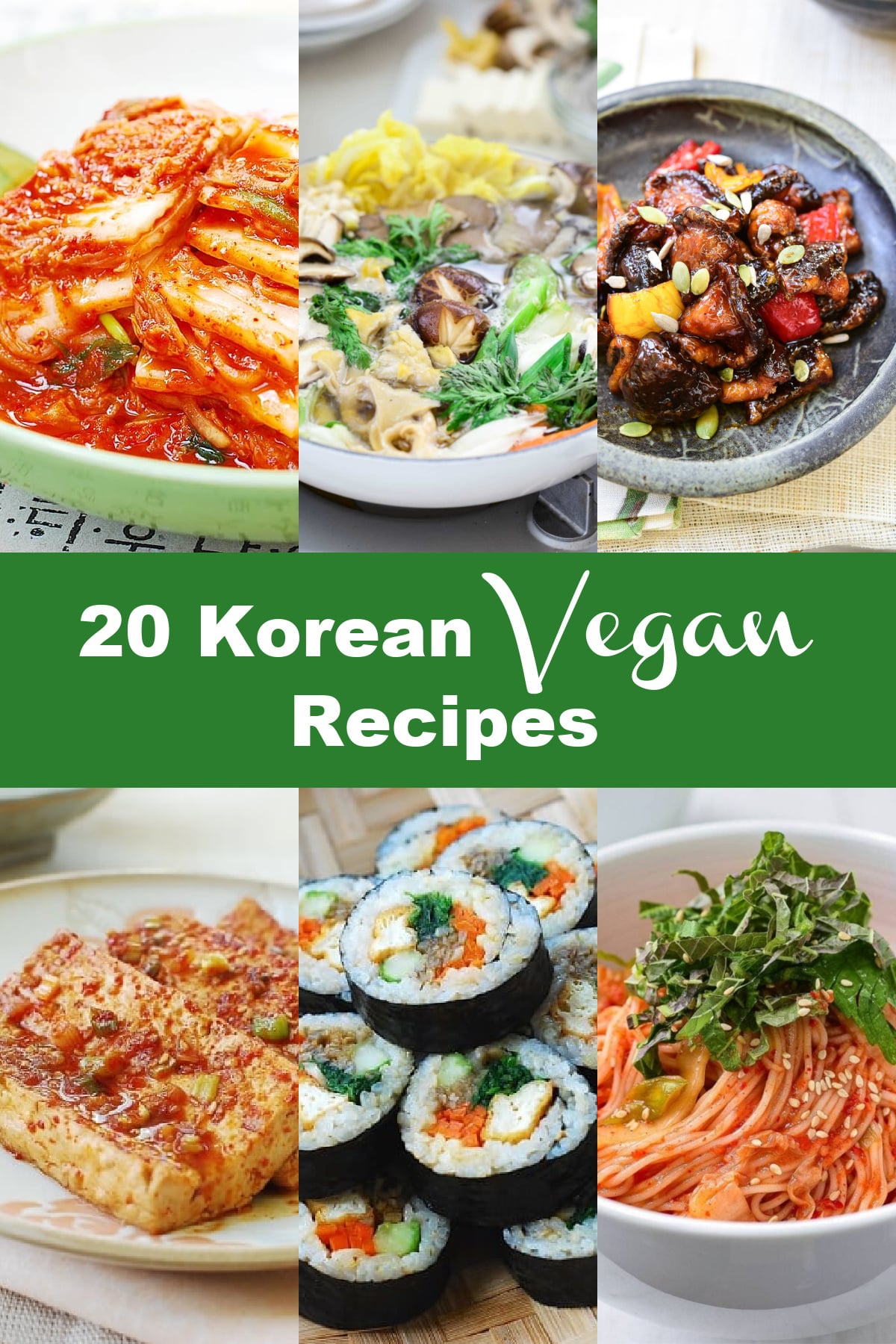
This curated list explores a diverse range of vegan Korean recipes, from foundational fermented staples like kimchi to comforting noodle dishes and hearty stews. Each recipe offers a unique opportunity to experience the depth and versatility of Korean flavors while adhering to a plant-based diet.
Essential Vegan Korean Staples
1. Vegan Kimchi: Kimchi, the quintessential Korean fermented vegetable dish, is a cornerstone of the cuisine. Traditionally made with napa cabbage, radishes, and a flavorful paste of chili powder, garlic, ginger, and seafood-based ingredients like jeotgal (fermented seafood), a vegan version meticulously recreates this complex profile without animal products. Vegan kimchi typically replaces jeotgal with ingredients like fermented soybeans (doenjang or ganjang), mushrooms, or kelp to achieve the same umami depth and fermented tang. The process involves salting the vegetables to draw out moisture, creating a crisp texture, followed by a meticulous layering of the spicy, savory paste. The fermentation process, which can take anywhere from a few days to several weeks depending on desired maturity, is crucial for developing its characteristic probiotic benefits and complex flavor. The global appeal of kimchi has led to widespread experimentation, with countless regional and personal variations emerging, solidifying its status as a healthy and delicious staple.
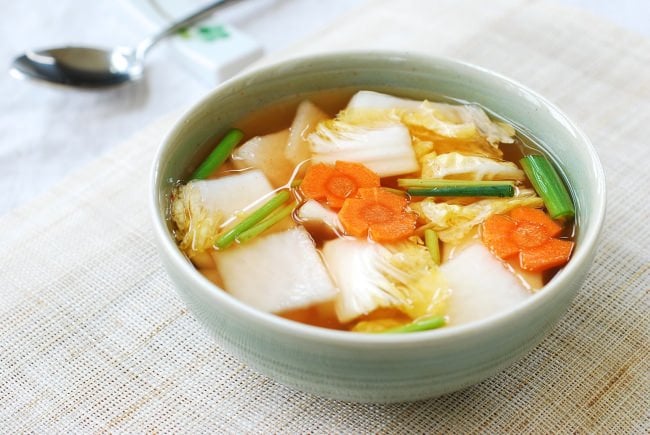
2. Nabak Kimchi (Mild Water Kimchi): A refreshing departure from spicier kimchi varieties, Nabak Kimchi is a light and invigorating water kimchi. This dish features thinly sliced radishes and napa cabbage submerged in a clear, subtly seasoned broth, often with the addition of thinly sliced scallions and chili threads for color. The brine is typically made from water, a touch of gochugaru (Korean chili flakes) for a mild warmth and color, garlic, and often a subtle sweetness from pear or apple. Unlike its fermented counterpart, Nabak Kimchi is typically consumed fresh or after a short fermentation period, offering a crisp, clean taste that is perfect for cleansing the palate or accompanying richer dishes. Its vibrant pink hue, derived from the gochugaru, makes it visually appealing as well.
Flavorful Vegetable and Tofu Delights
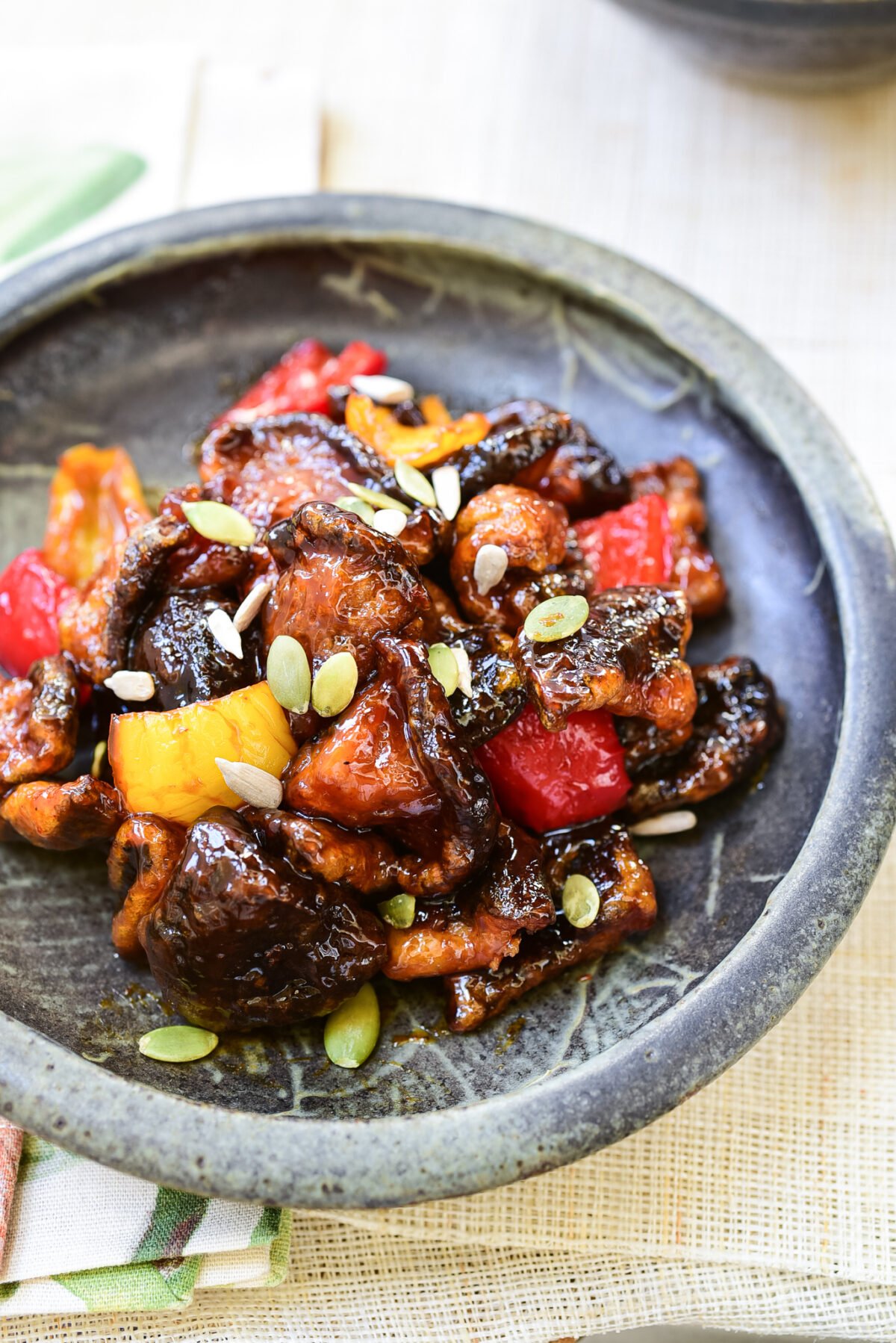
3. Beoseot Gangjeong (Sweet Crispy Mushrooms): This dish transforms humble mushrooms into a delectable, crispy treat. Beoseot Gangjeong involves coating mushrooms in a batter and frying them to a golden crispness before tossing them in a sticky, sweet, and savory glaze. The glaze often includes soy sauce, maple syrup or agave nectar, garlic, and ginger, creating a flavor profile reminiscent of Korean gangjeong (sweet crunch snacks). The textural contrast between the crispy exterior and the tender mushroom interior, combined with the addictive sweet and savory coating, makes this a popular appetizer or side dish. The choice of mushrooms can vary, with king oyster mushrooms or shiitake mushrooms being common selections for their substantial texture and ability to absorb flavor.
4. Hobak Buchim (Zucchini Pancakes): A beloved Korean comfort food, Hobak Buchim showcases the simple elegance of zucchini. Grated or julienned zucchini is mixed with a light batter, often made with flour, water, and sometimes a touch of cornstarch for extra crispiness. These savory pancakes are pan-fried until golden brown and slightly crisp on the edges, while remaining tender on the inside. They are typically served with a dipping sauce made from soy sauce, vinegar, and a hint of chili flakes or sesame oil. Variations can include adding other vegetables like carrots or onions, or incorporating a touch of kimchi for added flavor. Their versatility makes them suitable as a side dish, appetizer, or even a light meal.
5. Gamjajeon (Potato Pancakes): Gamjajeon, a testament to the versatility of potatoes, offers a delightfully crispy and satisfying bite. This dish involves grating potatoes and often mixing them with a binder like flour or starch, then pan-frying them until they achieve a golden-brown, crispy exterior and a tender, slightly chewy interior. The natural starch in the potatoes helps to create a cohesive pancake. Often seasoned simply with salt and pepper, Gamjajeon can be enhanced with finely chopped onions or scallions. Served with a soy-based dipping sauce, these pancakes are a popular choice for a quick and hearty snack or a comforting side dish. The texture is paramount, with the ideal Gamjajeon boasting a satisfying crunch.

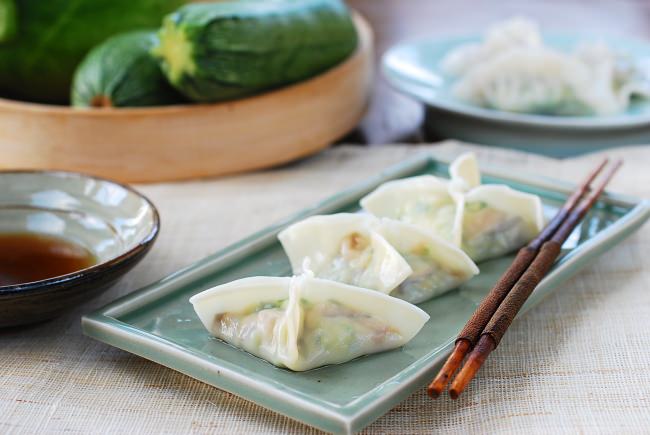
6. Zucchini Dumplings with Mushrooms (Hobak Mandu): A testament to the creativity of Korean temple cuisine, these dumplings offer a flavorful plant-based alternative to traditional meat-filled versions. Hobak Mandu typically features a filling of finely chopped zucchini, mushrooms (such as shiitake or king oyster), tofu, and seasonings like garlic and ginger, all encased in a delicate dumpling wrapper. The combination of zucchini and mushrooms provides a pleasing texture and earthy flavor, while tofu adds substance. These dumplings can be steamed, pan-fried, or boiled, offering a versatile and wholesome option. They are often served with a soy-based dipping sauce, similar to other Korean dumplings.
7. Dubu Jorim (Braised Tofu): Dubu Jorim is a staple in Korean home cooking, offering a simple yet deeply flavorful way to enjoy tofu. Firm or extra-firm tofu is cut into pieces, often pan-fried to develop a slightly crisp exterior, and then braised in a savory sauce. The braising liquid typically consists of soy sauce, water or vegetable broth, garlic, ginger, and often a touch of sweetness from maple syrup or rice syrup. This slow simmering process allows the tofu to absorb the rich flavors of the sauce, resulting in a tender and satisfying dish. It is commonly garnished with chopped scallions and sometimes chili flakes for a hint of heat. Dubu Jorim is a protein-rich dish that serves as an excellent side dish or a main component of a vegetarian meal.

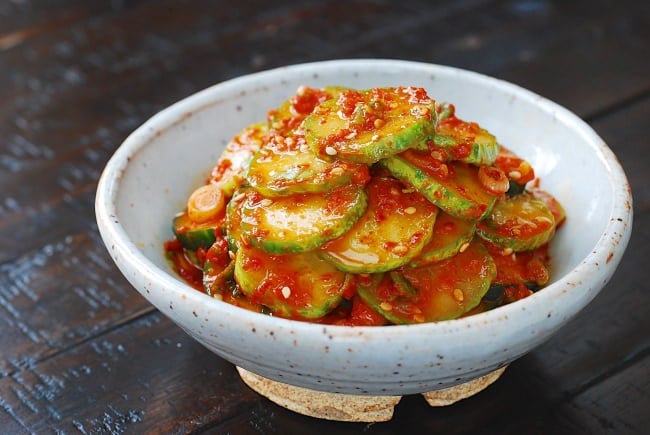
8. Oi Muchim (Spicy Cucumber Salad): This refreshing and zesty cucumber salad is a ubiquitous banchan (side dish) in Korean cuisine. Oi Muchim features thinly sliced cucumbers, often lightly salted to draw out excess moisture and enhance their crispness. The cucumbers are then tossed in a vibrant dressing typically made with gochugaru, garlic, soy sauce, sesame oil, and vinegar. The result is a salad that is both cooling and invigorating, with a delightful balance of spice, tang, and savory notes. Its quick preparation time and bright flavors make it an ideal accompaniment to almost any Korean meal.
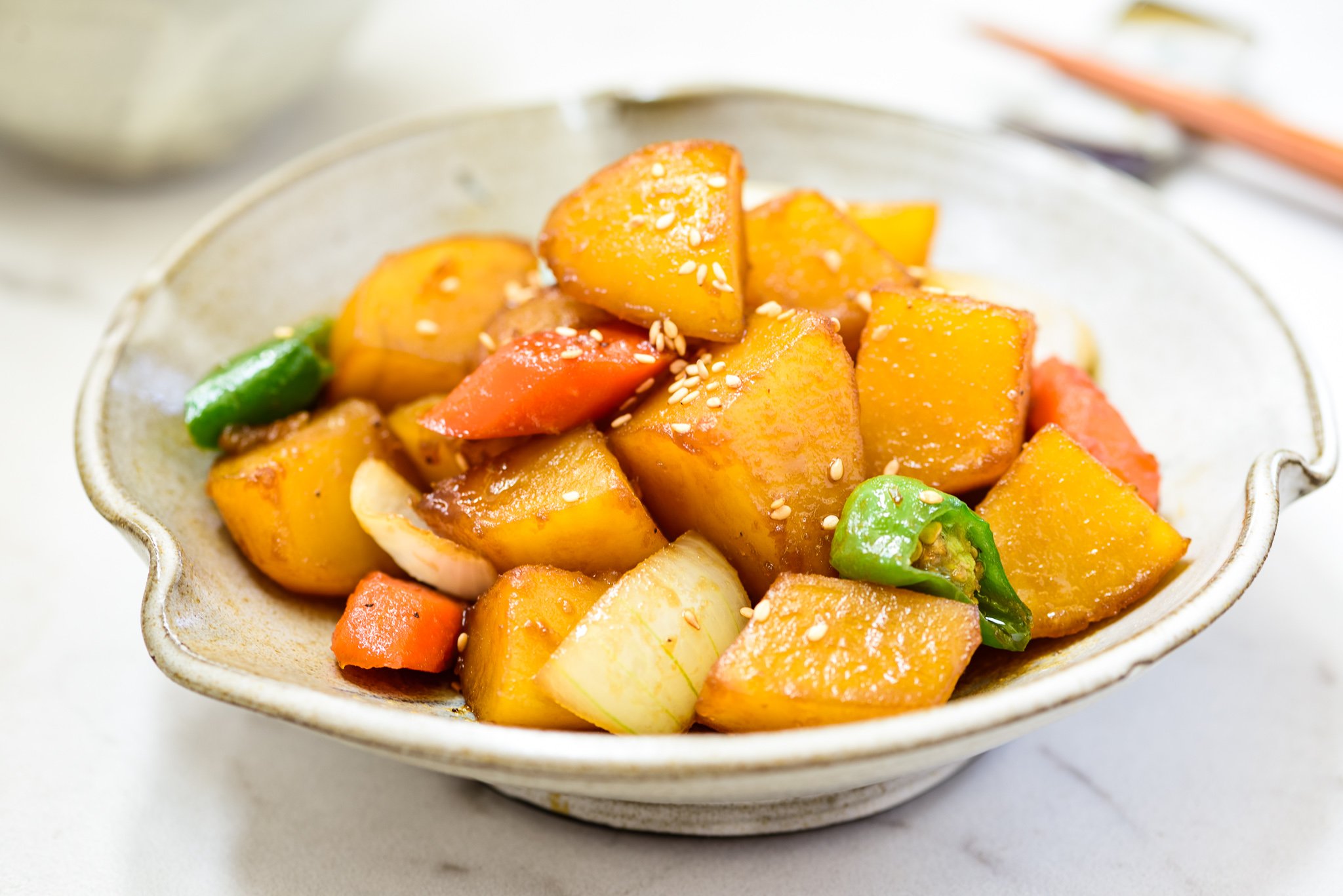
9. Gamja Jorim (Braised Potatoes): Gamja Jorim is a comforting and hearty side dish that transforms simple potatoes into a flavorful delight. Cubes or wedges of potato are simmered in a savory and slightly sweet sauce, often featuring soy sauce, garlic, ginger, and a sweetener like rice syrup or maple syrup. The potatoes are cooked until tender and infused with the rich flavors of the braising liquid. This dish is a popular choice for its satisfying texture and ability to absorb the complex umami notes of the sauce. It is often garnished with toasted sesame seeds and chopped scallions for added flavor and visual appeal.
10. Eggplant Rolls (Gaji Mari): Gaji Mari presents eggplant in an elegant and flavorful presentation. Thin slices of eggplant are typically steamed or lightly sautéed until tender, then used as wrappers for a filling. The filling commonly includes seasoned ingredients like finely chopped tofu, mushrooms, and vegetables, seasoned with garlic, ginger, and soy sauce. These rolls are often served with a light dipping sauce, allowing the natural sweetness of the eggplant and the savory filling to shine. The preparation requires a degree of care, but the resulting dish is a visually appealing and delicious vegetarian option.
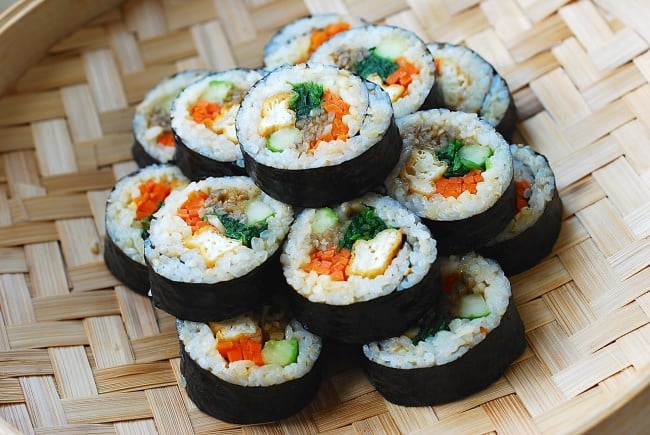
11. Tofu Gimbap: Gimbap, the iconic Korean rolled rice dish, is typically filled with a variety of ingredients, often including meat and egg. This vegan version substitutes these with flavorful seasoned tofu. The tofu is usually pan-fried or baked until golden and then seasoned with soy sauce, garlic, and other aromatics to impart a savory depth. Along with the seasoned tofu, the gimbap may include traditional fillings like seasoned spinach, pickled radish (danmuji), carrots, and burdock root, all rolled in seasoned rice and seaweed (gim). This variation offers a satisfying and protein-rich alternative to the classic, making gimbap accessible to vegans.

12. Kongnamul Japchae: Japchae, a popular Korean noodle dish, is traditionally made with glass noodles and a variety of vegetables, often including beef. This vegan rendition, Kongnamul Japchae, focuses on the vibrant flavors and textures of soybean sprouts (kongnamul) as a primary ingredient, alongside other vegetables like spinach, carrots, and mushrooms. The glass noodles are stir-fried with the seasoned vegetables in a savory sauce, typically based on soy sauce, sesame oil, garlic, and a touch of sweetener. The crispness of the soybean sprouts provides a refreshing counterpoint to the chewy noodles and other softened vegetables, creating a well-balanced and satisfying dish. The recipe can be adapted to omit meat and egg, making it inherently vegan.
13. Tofu Bibimbap: Bibimbap, meaning "mixed rice," is a beloved Korean dish consisting of a bowl of rice topped with an assortment of seasoned vegetables, a protein source, and a spicy gochujang-based sauce. The vegan Tofu Bibimbap replaces the traditional meat or egg with pan-fried or seasoned tofu, offering a substantial protein component. The vegetables are typically prepared separately, such as seasoned spinach, carrots, bean sprouts, and mushrooms, each contributing its unique flavor and texture. When combined with rice and the spicy sauce, bibimbap becomes a harmonious and nutritious meal. The flexibility of bibimbap makes it an ideal canvas for vegan adaptations, allowing for a wide variety of fresh and vibrant ingredients.
14. Deulkkae Soondubu Jjigae (Soft Tofu Stew with Perilla Seeds): Soondubu Jjigae, a popular Korean stew, is characterized by its silky soft tofu and flavorful broth. This vegan version, Deulkkae Soondubu Jjigae, incorporates the rich, nutty flavor of perilla seeds (deulkkae) into the broth, creating a creamy and deeply satisfying stew. The broth is typically made with vegetable stock and seasoned with gochugaru, garlic, and other aromatics. The soft tofu breaks down beautifully in the simmering broth, adding to its luxurious texture. This hearty stew is often served bubbling hot in an earthenware pot, accompanied by a bowl of rice.
15. Beoseot Jeongol (Mushroom Hotpot): Jeongol, or Korean hot pot, is a communal and interactive dining experience. Beoseot Jeongol focuses on a medley of mushrooms as the star ingredient, often accompanied by other vegetables, tofu, and sometimes dumplings. The dish is cooked at the table in a flavorful broth, which can be vegetable-based and seasoned with soy sauce, garlic, and perhaps a touch of doenjang for depth. The variety of mushrooms, from earthy shiitake to delicate enoki, provides a complex flavor profile and diverse textures. This warming and nourishing dish is perfect for sharing and can be easily made vegan by ensuring all components and broth are plant-based.
16. Mu Doenjangguk (Radish Soybean Paste Soup): Doenjangguk, a classic Korean soybean paste soup, is a fundamental dish in Korean cuisine. Mu Doenjangguk specifically features diced Korean radish (mu) as a primary ingredient, adding a subtle sweetness and tender texture. The soup’s base is a savory broth, often made with kelp and anchovies (though a vegan version would use only kelp or mushroom broth), to which doenjang (fermented soybean paste) is added, providing a rich, umami foundation. Additional vegetables like zucchini, onion, and tofu are often included. This hearty and nutritious soup is a staple in Korean homes, offering comfort and sustenance.
17. Kimchi Bibim Guksu: This dish is a vibrant and flavorful cold noodle salad that highlights the piquant taste of kimchi. Kimchi Bibim Guksu features chewy somen noodles (or other thin wheat noodles) tossed in a spicy and tangy sauce made from gochujang (Korean chili paste), gochugaru, soy sauce, vinegar, sesame oil, and often a touch of sweetness. The noodles are then topped with shredded kimchi, crisp vegetables like cucumber and lettuce, and sometimes a sprinkle of toasted sesame seeds. It’s a refreshing and lively dish, perfect for warmer weather or as a zesty side. The base recipe is naturally vegan, with optional egg garnish being the only non-vegan component to omit.

18. Stir-fried Lotus Roots with Peppers and Mushrooms: This dish offers a delightful combination of textures and flavors, showcasing the unique crispness of lotus roots. The lotus roots are typically sliced and stir-fried along with vibrant bell peppers and earthy mushrooms. The stir-fry sauce is usually a savory blend of soy sauce, garlic, ginger, and sesame oil, creating a well-rounded and aromatic dish. Lotus roots, with their distinctive lattice-like pattern, provide a satisfying crunch, while the peppers add sweetness and the mushrooms contribute an umami depth. This dish serves as an excellent example of how simple vegetables can be transformed into an appealing and healthy meal.
19. Miyeok Muchim (Seaweed Salad): Miyeok Muchim is a refreshing and nutritious seaweed salad that is a common banchan in Korean cuisine. It features rehydrated wakame seaweed, known for its tender texture and subtle oceanic flavor. The seaweed is dressed in a light and tangy sauce, typically made with soy sauce, vinegar, garlic, sesame oil, and a touch of sugar. The salad is often garnished with thinly sliced scallions and toasted sesame seeds. Rich in minerals and vitamins, Miyeok Muchim is a light yet flavorful dish that complements a variety of Korean meals.
20. Jangajji (Vegetable Pickles): Jangajji refers to a broad category of Korean pickled vegetables, prepared by preserving them in various brines, often including soy sauce, vinegar, sugar, and water. This pickling method not only extends the shelf life of vegetables but also imbues them with a unique sweet, savory, and tangy flavor profile. Common vegetables used for jangajji include radishes, cucumbers, garlic, chili peppers, and perilla leaves. These pickled vegetables serve as essential condiments and side dishes, adding a burst of flavor and texture to any Korean meal. They are a testament to the Korean art of preservation and the resourceful use of seasonal produce.
This comprehensive list highlights the richness and diversity of Korean vegan cuisine, offering a flavorful and healthy approach to plant-based eating. From the staple fermented goodness of kimchi to the comforting warmth of stews and the refreshing zest of salads, these recipes provide a gateway to exploring the vibrant world of Korean flavors, proving that delicious and nourishing meals can be entirely plant-derived.
