
Traveling alone to a foreign country is an endeavor that requires a blend of courage, meticulous planning, and an adventurous spirit. South Korea, a nation renowned for its vibrant culture, cutting-edge technology, and delectable cuisine, offers an enticing destination for solo travelers. This guide aims to equip you with essential knowledge and practical tips to ensure your solo journey through South Korea is not only safe and comfortable but also an enriching and unforgettable experience. From accommodation choices to communication strategies and culinary adventures, we delve into the nuances of solo travel in this dynamic East Asian country.
Choosing Your Sanctuary: Accommodation Strategies for Solo Travelers
Safety and comfort are paramount when traveling alone, and your choice of accommodation plays a crucial role in setting the tone for your entire trip. South Korea boasts a low crime rate, making it a relatively safe destination for solo explorers. However, exercising prudent judgment when selecting a place to stay is always advisable.
Prioritizing Location for Security and Convenience:
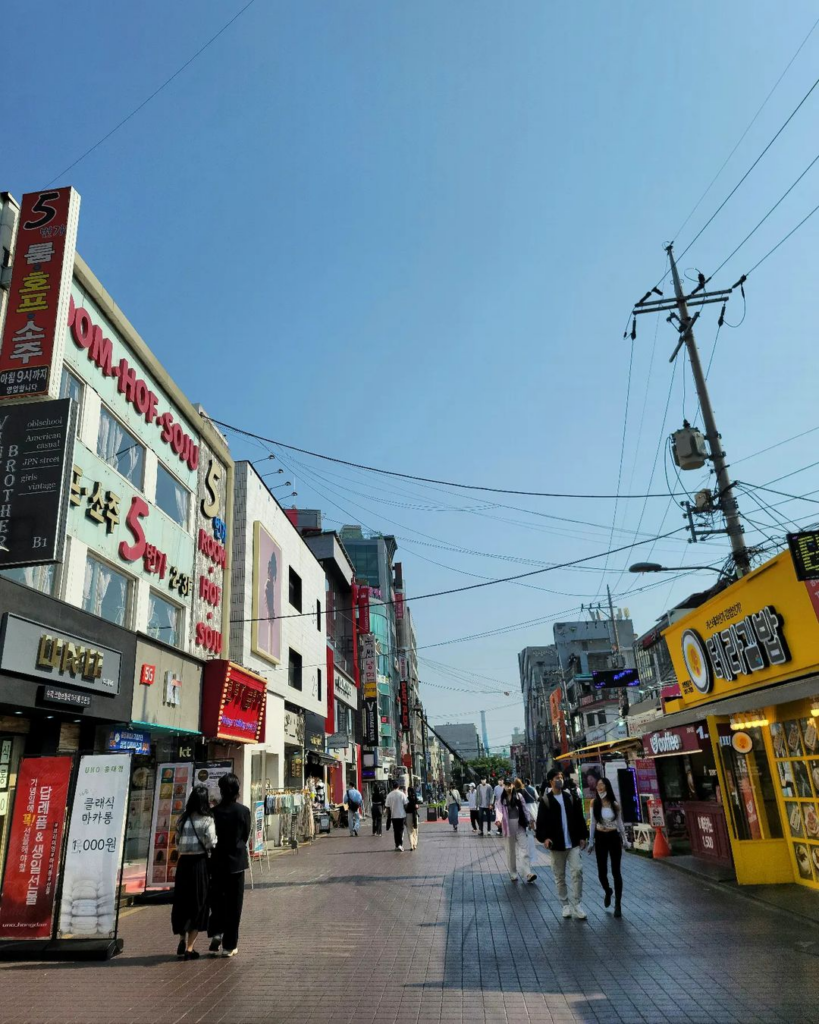
Opting for accommodations in bustling, well-trafficked areas is a strategic move for solo travelers. Neighborhoods like Myeongdong, a shopper’s paradise teeming with cosmetic stores and fashion boutiques, and Hongdae, known for its youthful energy, street art, and indie music scene, offer a sense of security due to the constant presence of people and activity. While these areas might be at the higher end of the price spectrum, the proximity to numerous dining options, entertainment venues, and essential amenities translates to convenience and peace of mind.
It is prudent to steer clear of accommodations tucked away in obscure alleys or those situated too far from public transportation hubs like train stations and bus stops. Such locations can pose safety risks and inconvenience, particularly after dark.
Exploring Diverse Accommodation Options:
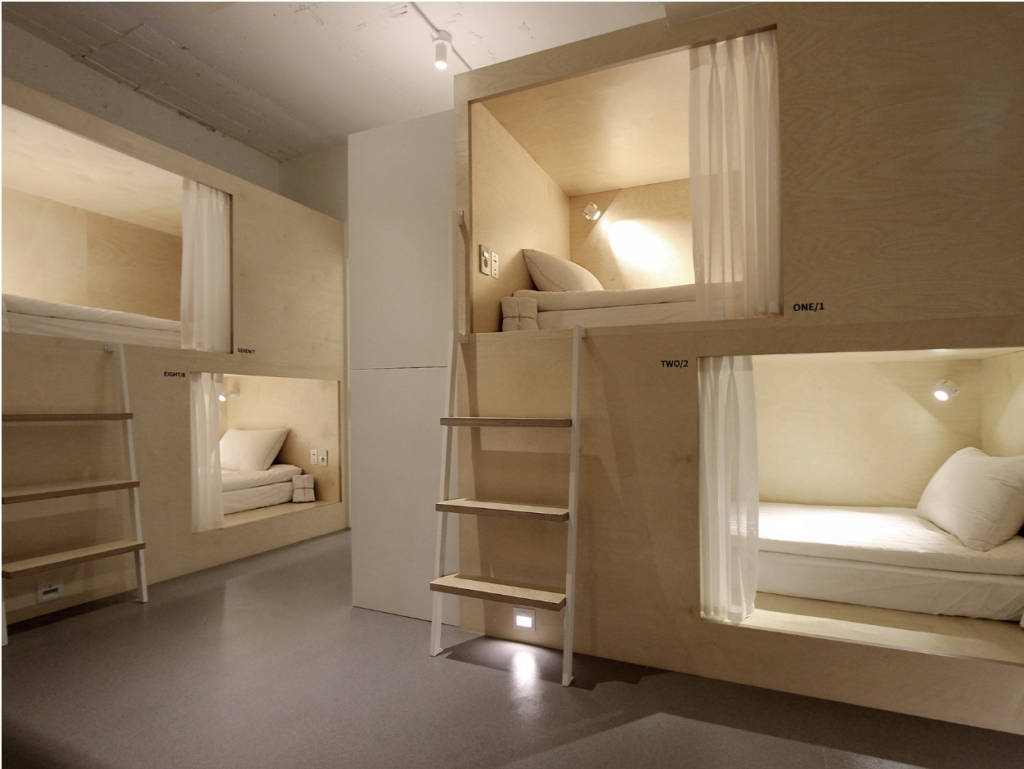
For female solo travelers seeking an added layer of comfort and community, female-only hostels present an excellent option. These establishments foster an environment where women can connect with fellow travelers from diverse backgrounds, potentially forging new friendships. Hostel Haru, for instance, is known for its welcoming atmosphere and communal spaces. However, for those who prefer solitude or are uncomfortable sharing dormitory-style rooms, private rooms within hostels or alternative lodging options are readily available.
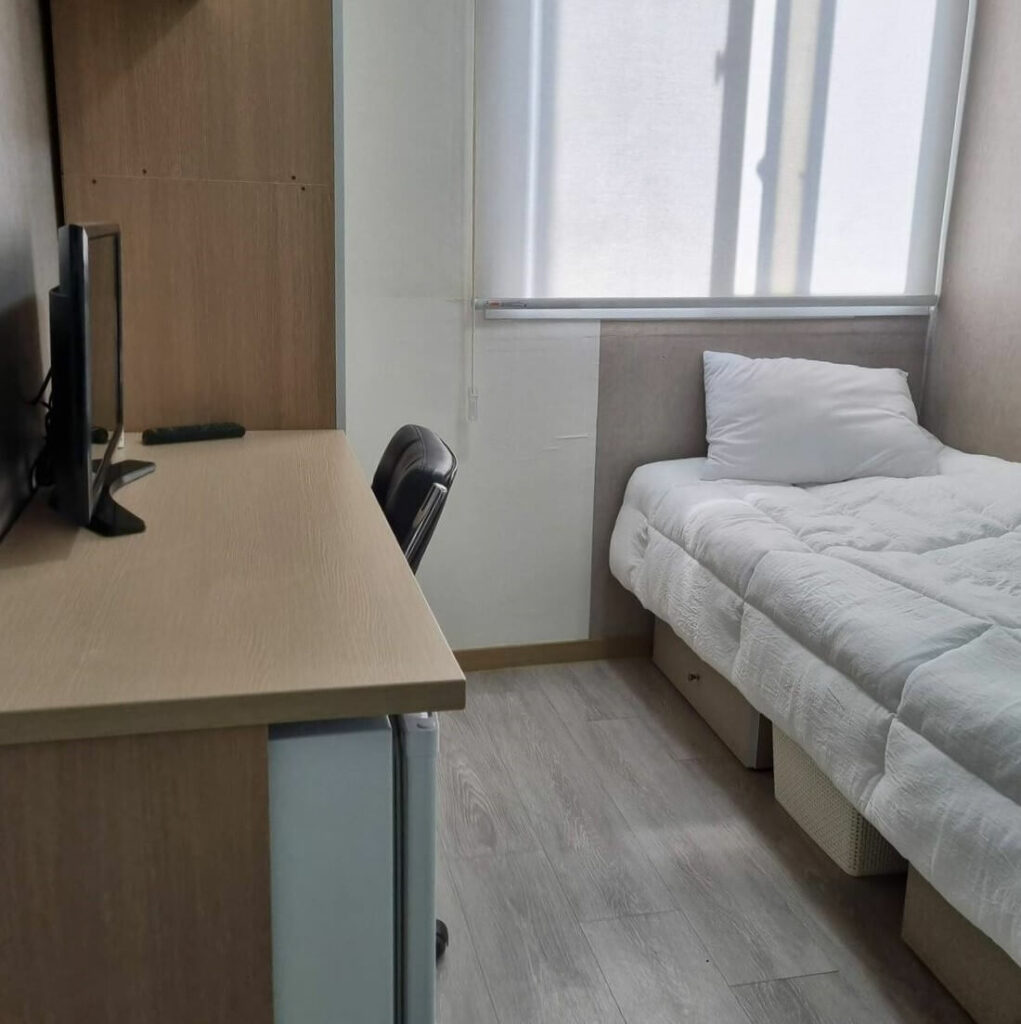
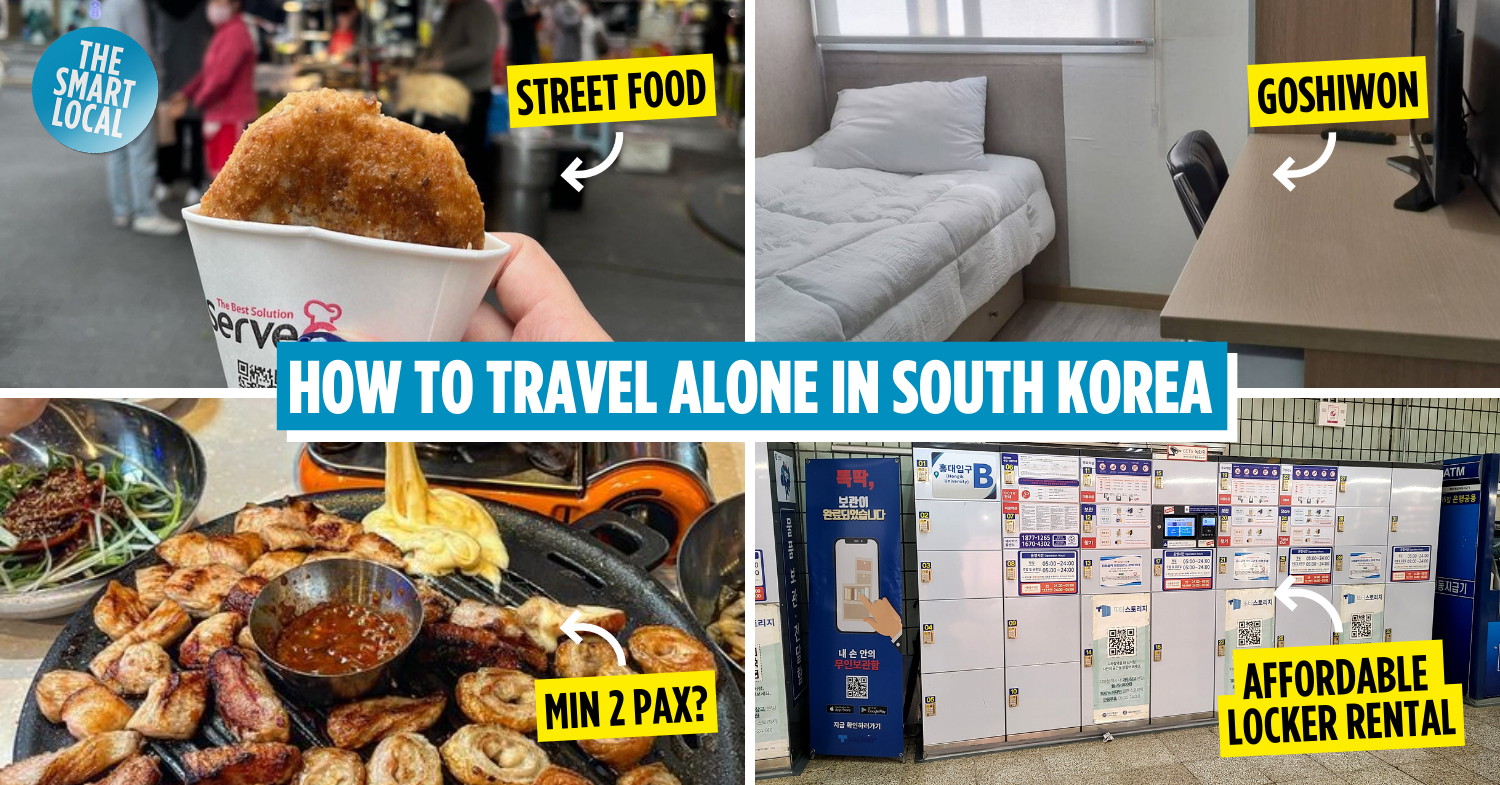
For budget-conscious solo travelers, goshiwon (a type of single-room rental, often found near universities) offers a more affordable alternative. These rooms are typically compact and may involve shared bathroom facilities, but they provide a private space at a significantly lower cost. This option is particularly attractive for longer stays or for travelers prioritizing budget over extensive amenities.
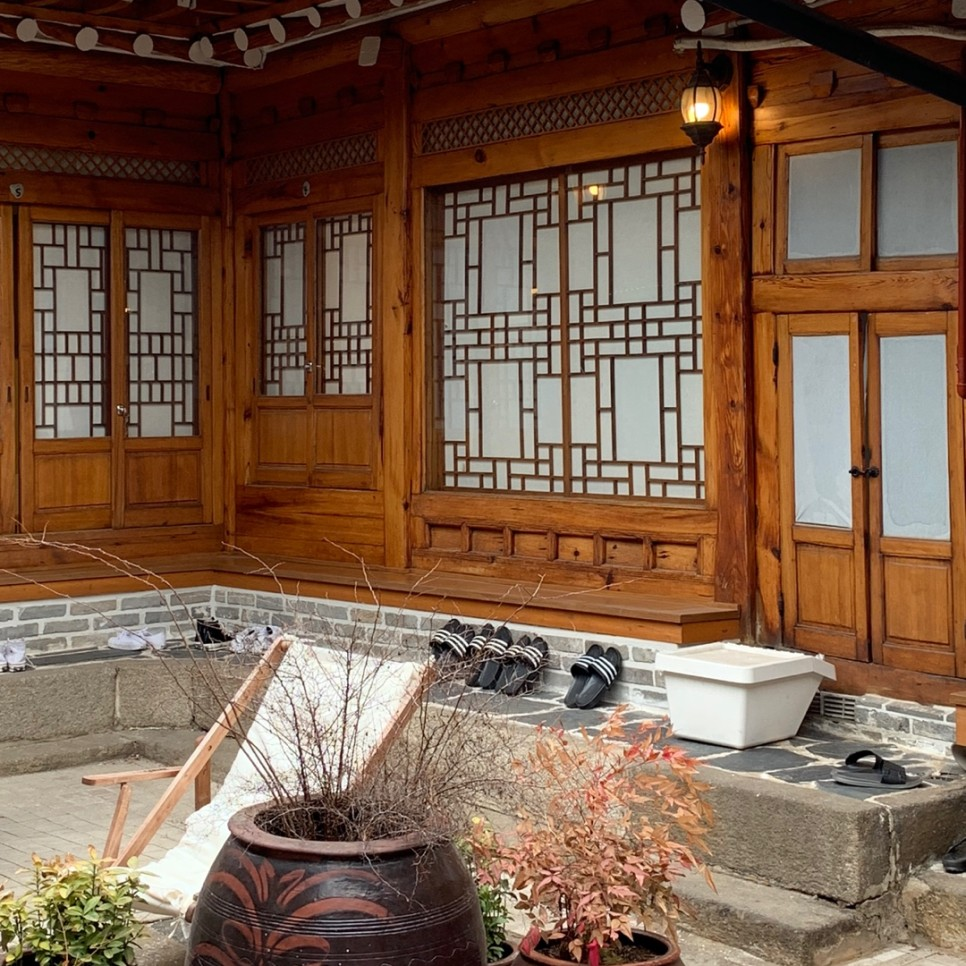
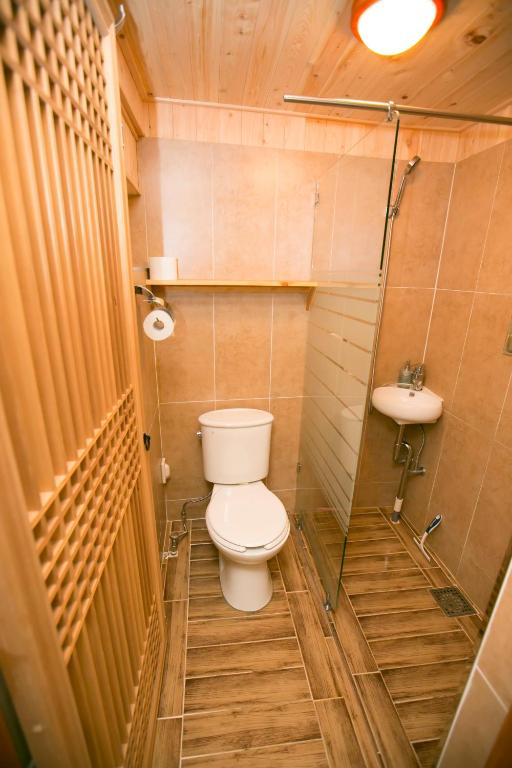
For an immersive cultural experience, consider staying in a hanok guesthouse. These traditional Korean houses, often beautifully preserved and modernized with amenities like air conditioning and contemporary bathrooms, offer a unique glimpse into Korea’s rich heritage. Staying in a hanok guesthouse not only provides a comfortable stay but also serves as an excellent avenue for cultural exchange and meeting fellow travelers interested in traditional Korean life.
Navigating the Landscape: Transportation and Connectivity
Efficient and affordable transportation is key to exploring South Korea, especially when traveling solo. The country’s public transportation system is world-class, offering convenient and cost-effective ways to traverse cities and reach different regions.
Leveraging Public Transport for Efficiency and Savings:
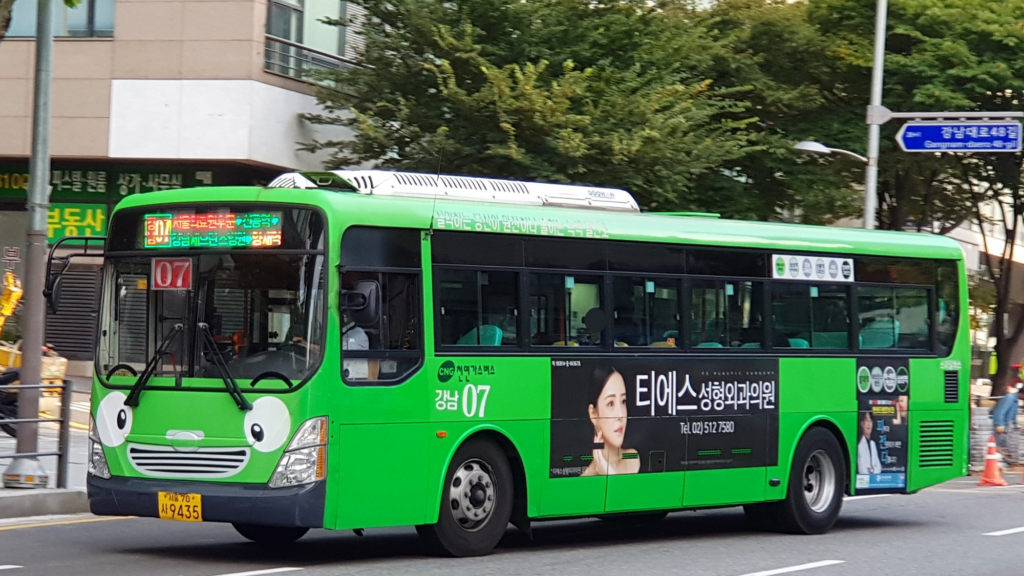
Taxis, while convenient, can be the most expensive mode of transport. Buses and trains, on the other hand, offer significant cost savings. Travelers can benefit from discounted fares when transferring between bus and train services, making extensive travel within cities and between them remarkably economical. For instance, a T-money card, a rechargeable transportation card, can be used on subways, buses, and even in some taxis and convenience stores, streamlining travel payments.
Furthermore, public buses and trains adhere to strict schedules, ensuring punctuality. This reliability is a significant advantage for solo travelers, especially during peak hours when flagging down a taxi can be challenging. Regular schedules also mean less waiting time, allowing for a more efficient exploration of the itinerary.
Bridging the Communication Gap:
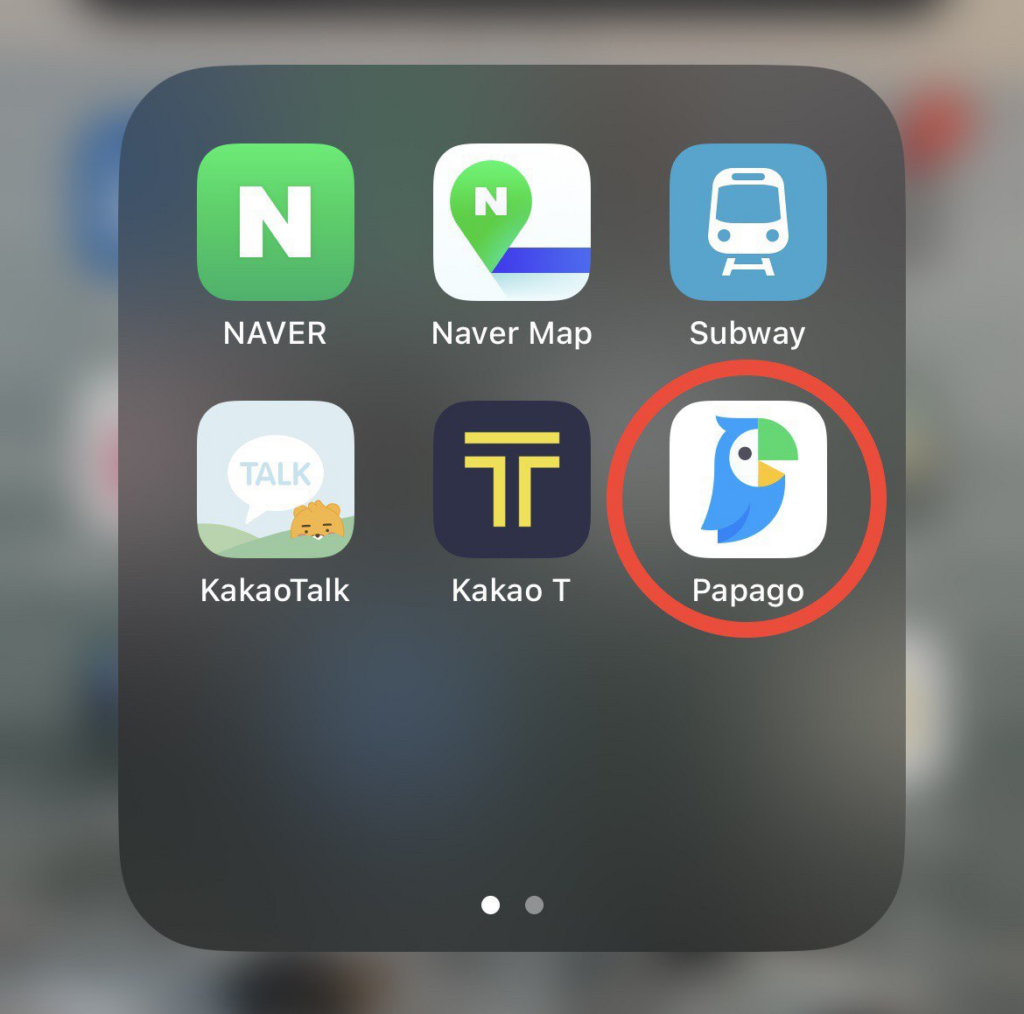
Language can be a potential barrier for solo travelers. While many tourist areas and younger Koreans possess some English proficiency, relying solely on English can be limiting. The Naver Papago app emerges as an indispensable tool for overcoming this challenge. This AI-powered translator offers real-time text, voice, and image translation, facilitating seamless communication with locals. The app’s conversation mode allows for natural dialogues, translating spoken words instantly, while the image translation feature is invaluable for deciphering menus and signs. The inclusion of romanization alongside Korean text aids in pronunciation, further empowering travelers.
Connectivity on the Go:
Staying connected is crucial for safety and convenience. Travelers have two primary options: a local SIM card or a Wi-Fi egg. While Wi-Fi eggs offer portable internet access for multiple devices, a local SIM card is often recommended for solo travelers. It eliminates the need to manage and charge an additional device and provides a local phone number, which can be beneficial for making reservations or ordering food delivery. Major telecommunication providers like KT, SK Telecom, and LG U+ offer various prepaid SIM card plans tailored for tourists, available for purchase at airports and authorized retailers.
Essential Travel Companions: Gear and Gadgets
Equipping yourself with the right gear can significantly enhance your solo travel experience in South Korea.
Effortless Luggage Management:
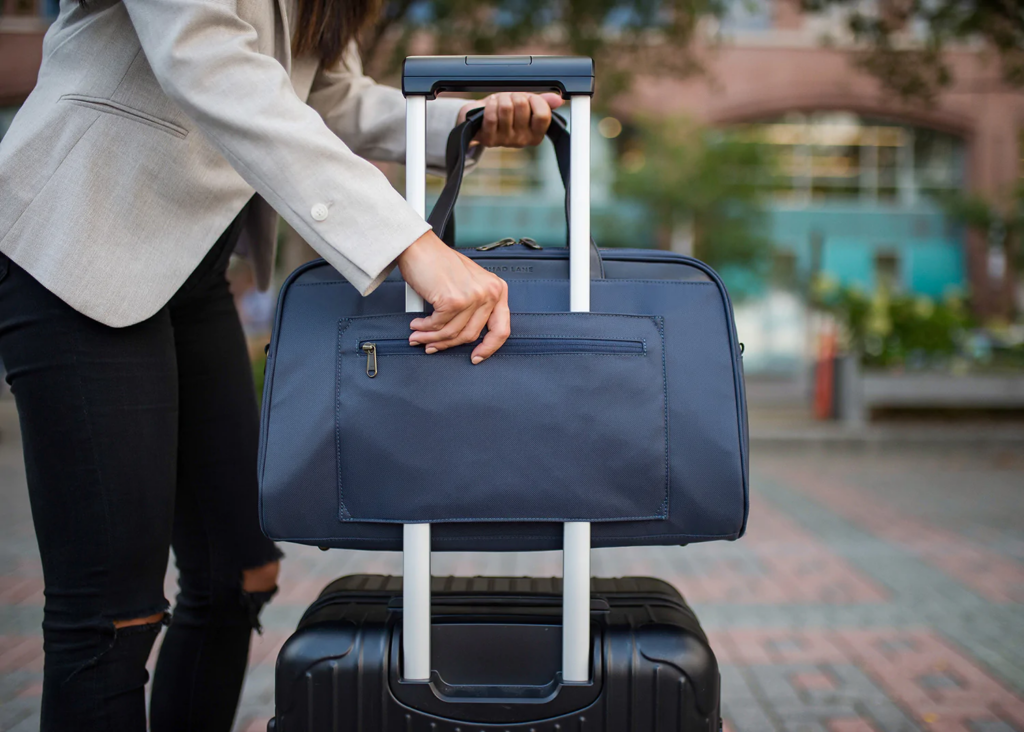
Traveling alone means you are solely responsible for your luggage. A duffel bag can be a practical alternative to traditional suitcases, especially for shorter trips between cities. Opting for a duffel bag that can be attached to the handle of your rolling luggage offers hands-free convenience, making navigation through crowded areas much easier.
Capturing Memories Independently:
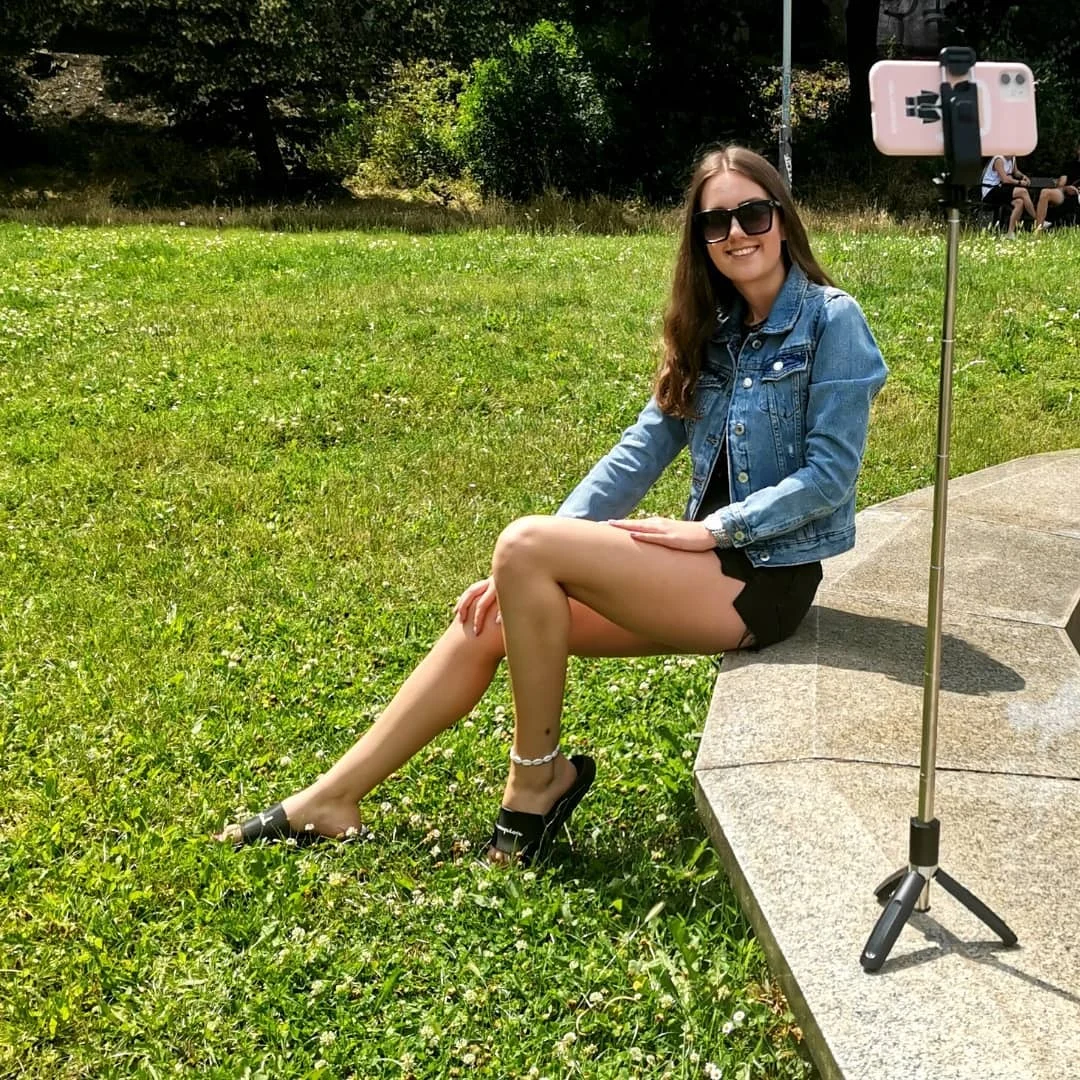
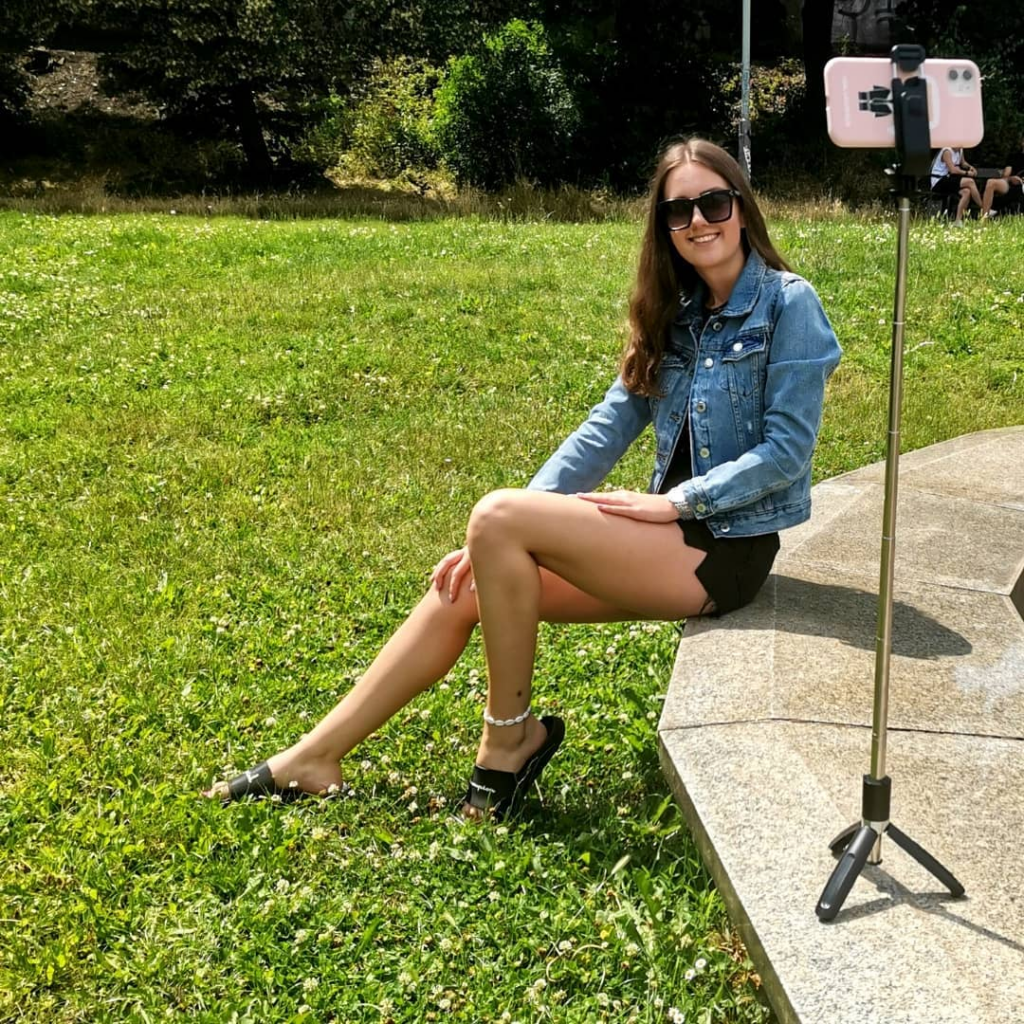
The language barrier can make it awkward to ask strangers for assistance with photography. A selfie stick with a built-in tripod stand is a game-changer for solo travelers. These versatile tools, often equipped with Bluetooth shutters, allow you to capture stunning photos and videos beyond basic selfies, enabling you to frame shots precisely and take them at your own pace.
Practicality in Shopping:
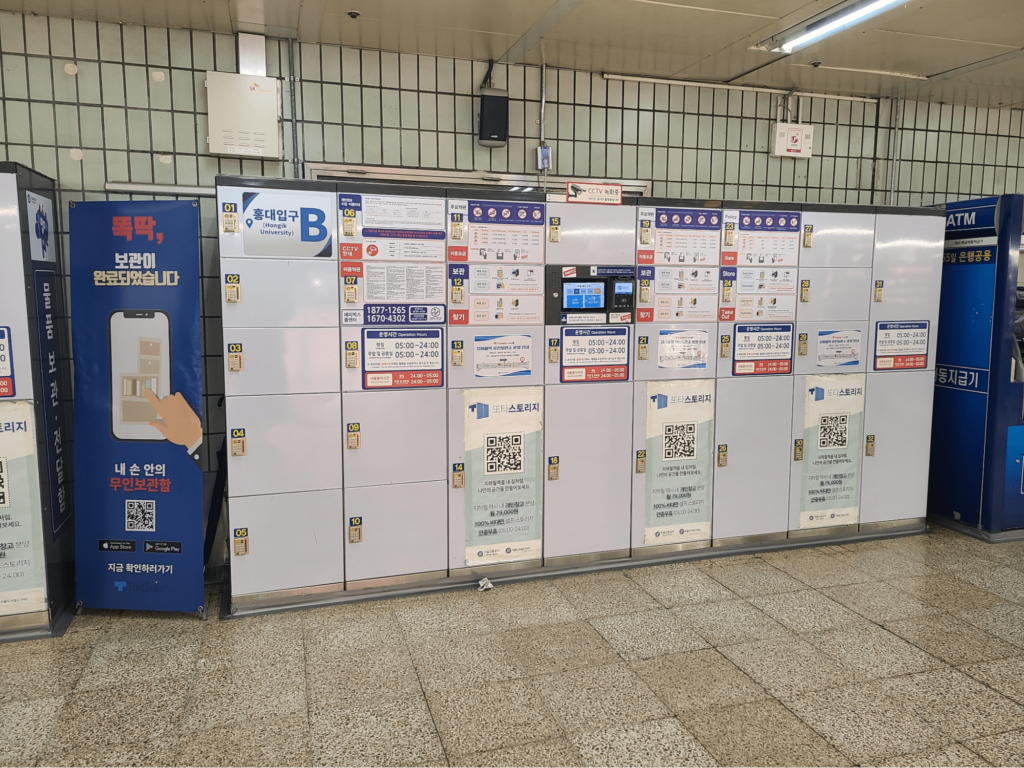
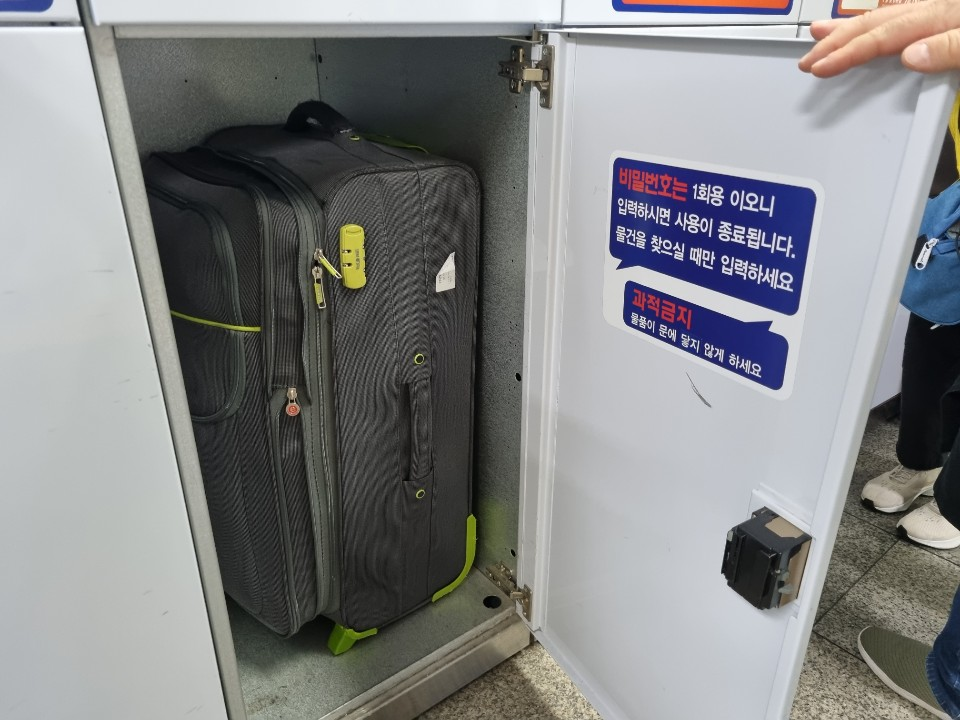
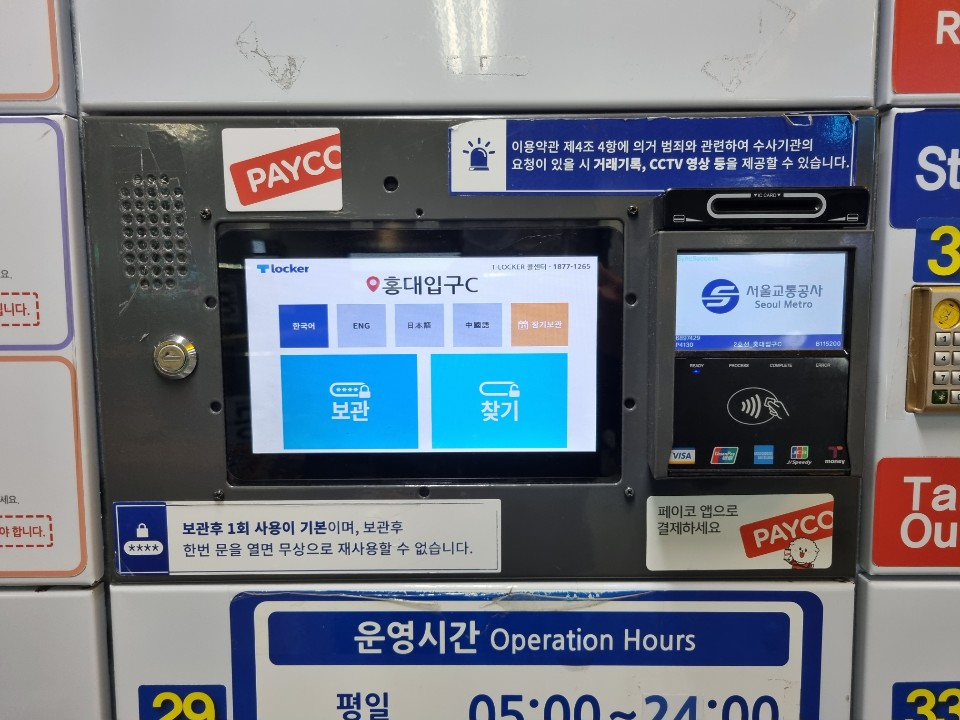
South Korea is a shopper’s haven, and it’s easy to accumulate purchases. Locker rental services, commonly found in train stations and popular shopping districts like Hongdae and the Express Bus Terminal Underground Shopping Mall, offer a practical solution. These lockers come in various sizes and are affordable, with rates starting around KRW2,000 (~USD1.43) for a 4-hour rental. Payment can typically be made via credit card or a T-money card, and they can accommodate everything from shopping bags to larger luggage.
Culinary Adventures for the Solo Explorer
South Korea’s culinary landscape is a significant draw for tourists, and solo travelers can find numerous ways to indulge in its diverse flavors.
Embracing the Solo Dining Culture:
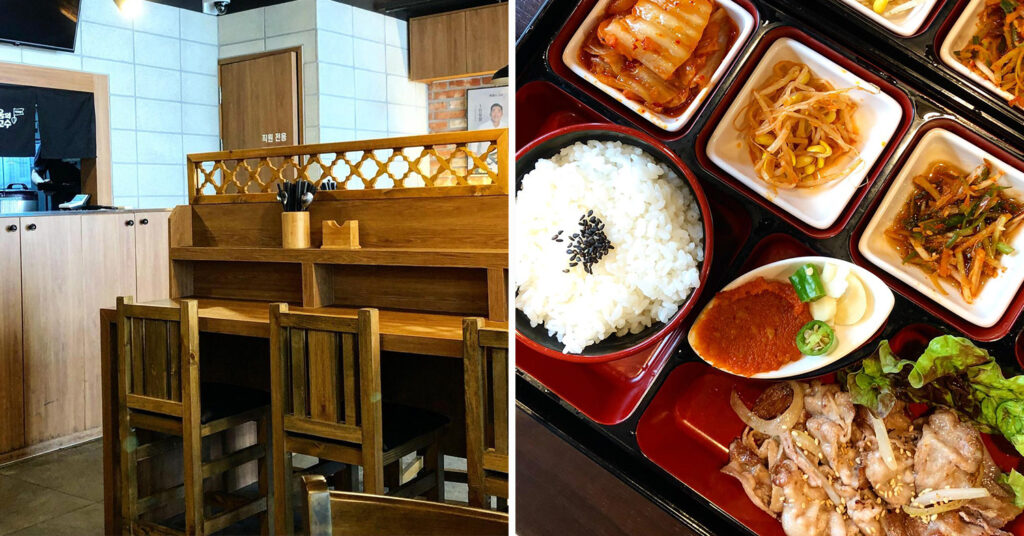
While some traditional Korean barbecue restaurants may require a minimum of two diners, the culinary scene is increasingly accommodating to solo diners. Many establishments now offer dedicated solo dining options, including individual tables and grills for barbecue experiences.

Convenient and Affordable Eats:
Fast-food restaurants, both international chains and local favorites like Mom’s Touch and No Brand Burger, offer a convenient and familiar dining experience. Many feature self-ordering kiosks with English menus, simplifying the process and mitigating language concerns.
Local Flavors at Budget-Friendly Prices:
Korean eateries, often referred to as bunsik sikdang, are a treasure trove of inexpensive yet delicious food. Here, you can find staples like kimbap (seaweed rice rolls), donkatsu (pork cutlet), tteokbokki (spicy rice cakes), and fried rice. A roll of kimbap can cost as little as KRW2,000 (~USD1.43), and a bowl of ramyeon (instant noodles) around KRW3,000 (~USD2.15). Kimbap Heaven is a popular chain with numerous outlets nationwide, offering a consistent and affordable dining experience.
Exploring Traditional Markets and Street Food:
Traditional markets, such as the renowned Gwangjang Market, offer an authentic taste of Korean cuisine and are perfectly suited for solo diners. Many food stalls offer single-serving portions, allowing you to sample a wide array of dishes, from bibimbap (mixed rice with vegetables) and bindaetteok (mung bean pancakes) to more adventurous options like sannakji (live octopus sashimi). Street food vendors offer a vibrant and casual dining experience, with an extensive selection of snacks and meals, though seating may be limited.
Convenience Store Delights:
South Korea’s ubiquitous convenience stores are more than just places to grab a snack. Many are equipped with seating areas, allowing for quick and easy meals. You can find an array of options, from cup noodles and triangle kimbap to pre-packaged Korean dishes and even items like grilled intestines. These stores offer a convenient solution for late-night cravings or a quick bite on the go.
Delivery Apps for Personalized Meals:
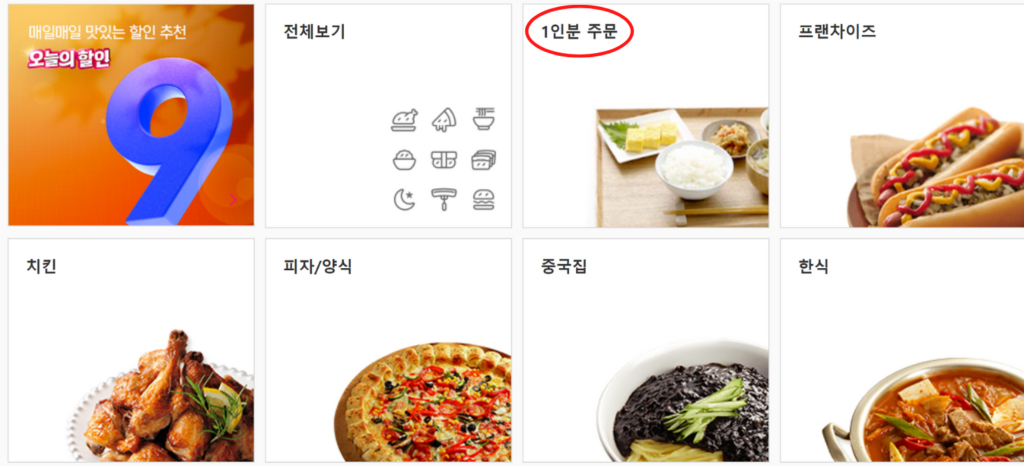
For those late-night cravings or when you prefer to dine in your accommodation, delivery apps like Yogiyo are invaluable. While some apps have a minimum order requirement, others, like Yogiyo, offer a "1-person serving" category, allowing you to order single meals without meeting a high minimum spend. This is particularly useful when you’re not ordering for a group.
Navigating Potential Challenges
Even with thorough preparation, unexpected situations can arise. Knowing how to handle them can turn a potential crisis into a manageable inconvenience.
Lost and Found Resources:
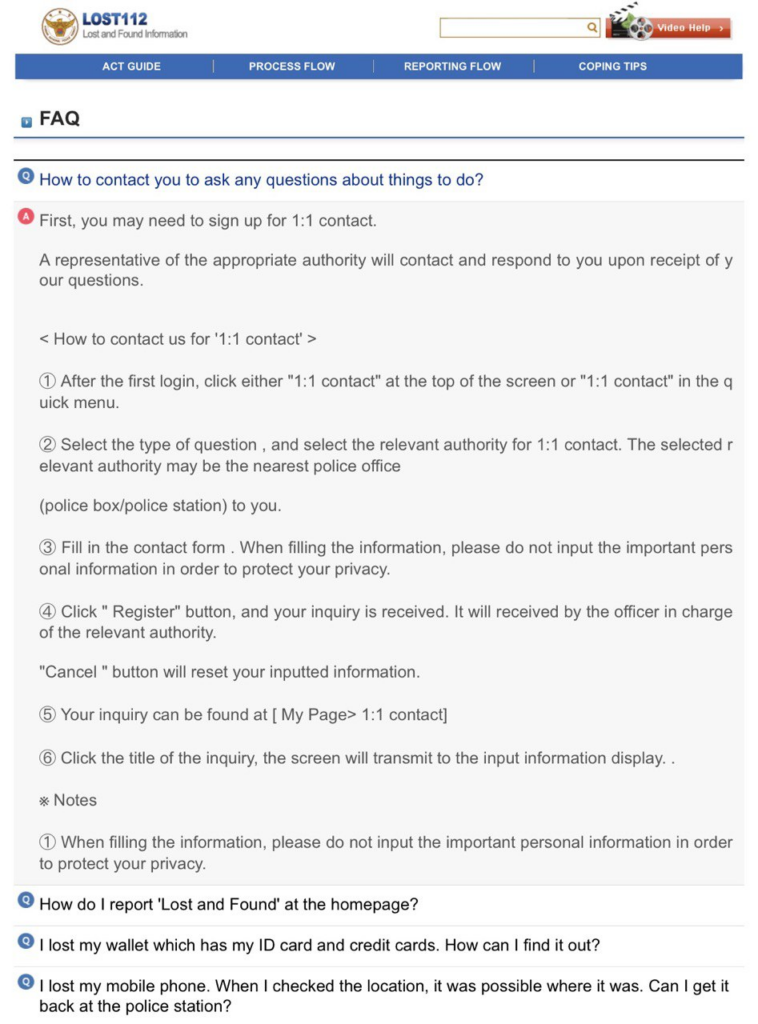
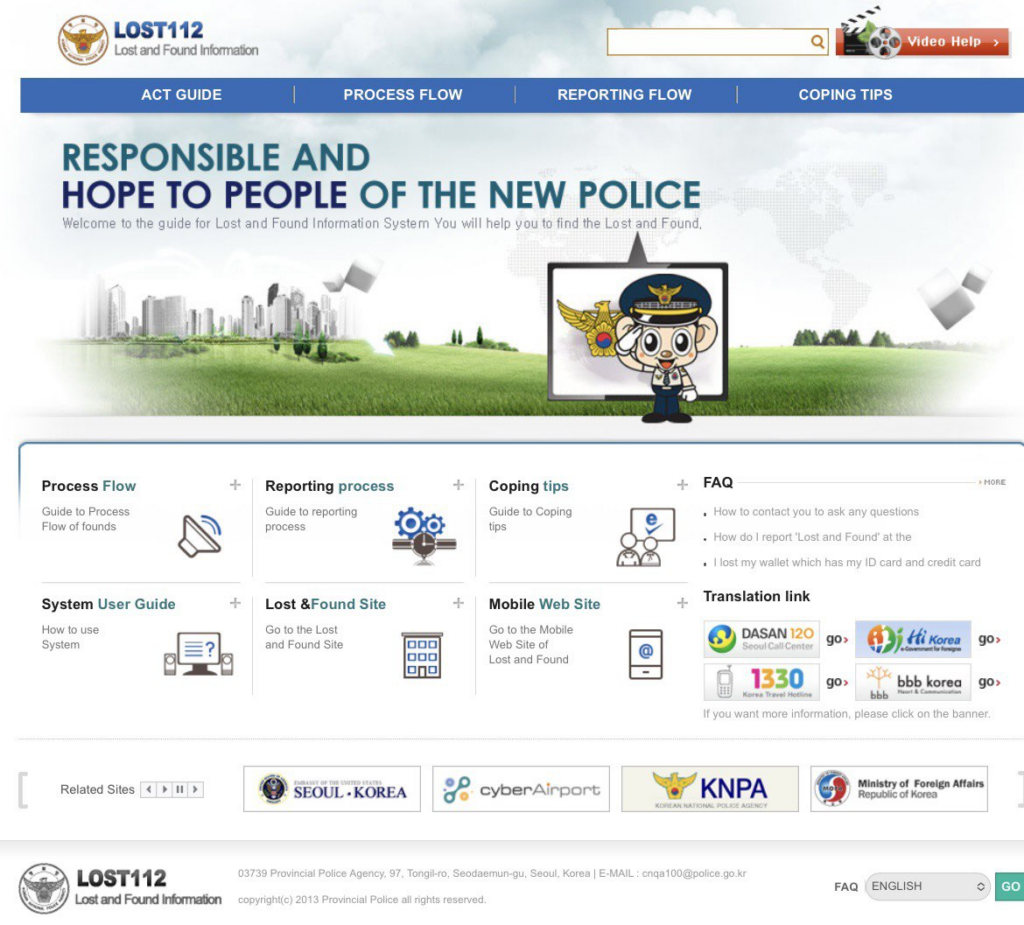
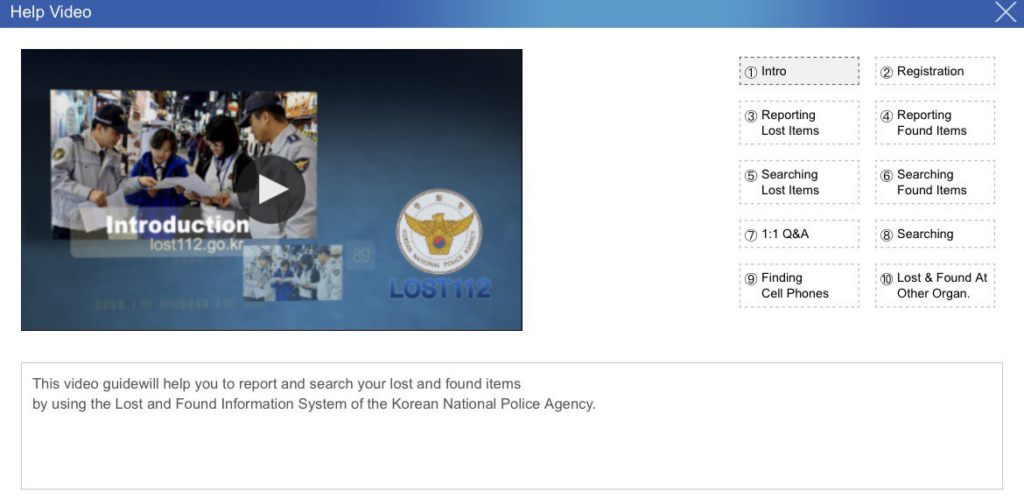
Losing belongings in a foreign country can be a significant stressor for any traveler, especially when alone. South Korea provides a centralized resource for lost and found items. The LOST112 website (www.lost112.go.kr) allows you to report lost items and search for misplaced belongings. The website is available in English and includes an FAQ section for clear guidance on procedures. Watching accompanying video tutorials can further clarify the process.
Intercity Travel Considerations:
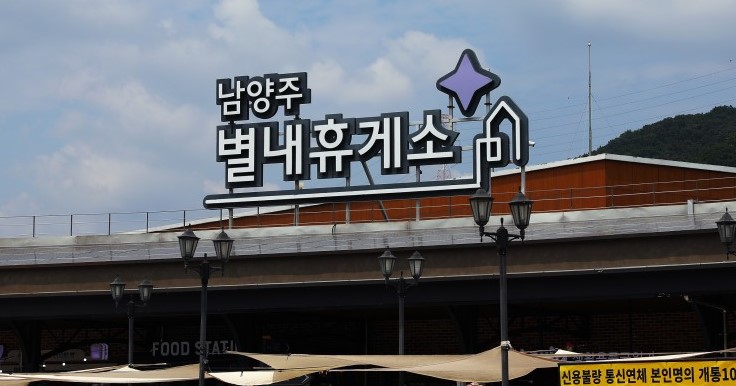
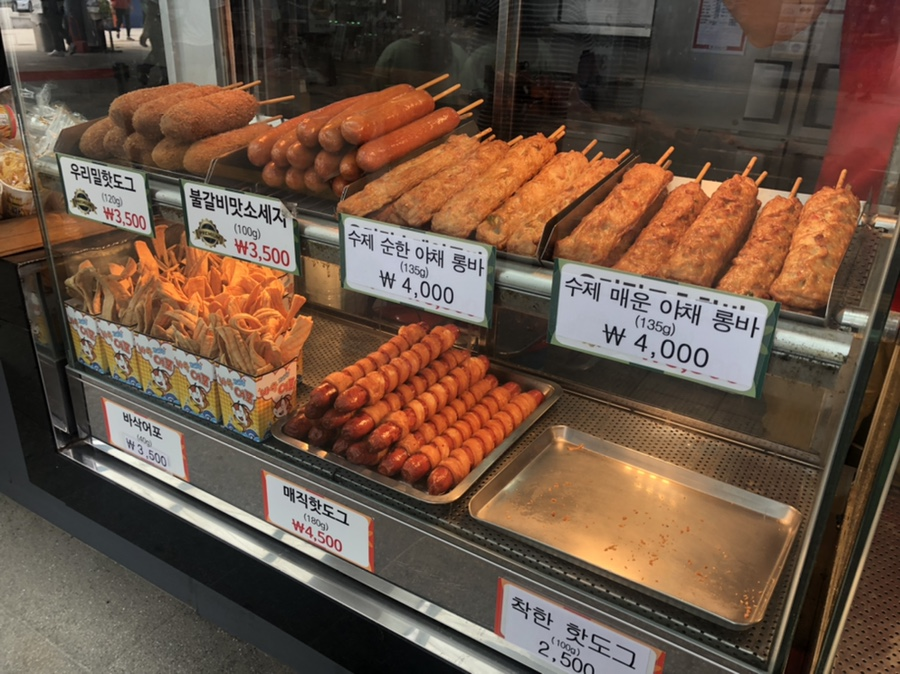
When traveling to other cities via intercity buses, these journeys often include short 15-minute breaks at rest stops. These stops offer opportunities for restroom breaks and to purchase popular snacks like corndogs and walnut-flavored cakes. A pro-tip for ensuring you board the correct bus after a break is to take a picture of your bus’s plate number, as multiple similar buses may be present at the rest stop. It’s crucial to return to the bus on time, as they will not wait for stragglers.
Entertainment and Relaxation:
For solo travelers seeking entertainment or a way to unwind, a coin karaoke (noraebang) offers a fun and engaging experience. These establishments allow individuals to rent private rooms by the coin for short periods, perfect for belting out your favorite tunes without the pressure of performing for a group. It’s a popular local pastime for stress relief and personal enjoyment.
Conclusion: Embracing the Solo Journey
Traveling alone in South Korea is an empowering and rewarding experience. By understanding the local culture, leveraging available resources, and embracing a spirit of adventure, solo travelers can navigate the country with confidence and create lasting memories. From choosing the right accommodation to savoring the diverse culinary offerings and staying connected, this comprehensive guide provides the foundational knowledge for an exceptional solo journey. South Korea, with its blend of tradition and modernity, safety, and vibrant energy, truly offers an oyster of experiences for the intrepid solo explorer.
