
Seoul, a global epicenter of trendsetting culture, is renowned for its vibrant and diverse coffee shop scene. Far beyond mere caffeine providers, these establishments are meticulously curated spaces that blend aesthetic appeal, innovative beverages, and delectable pastries, offering a unique window into the city’s contemporary lifestyle. This guide delves into the crème de la crème of Seoul’s coffee culture, highlighting twenty must-visit locations in 2025 that encapsulate what makes this city’s café experience so captivating. Each entry explores the ambiance, interior design, signature menu items, and the overall visitor experience, providing a comprehensive overview for locals and tourists alike seeking the perfect spot to relax, socialize, or simply savor a quality cup of coffee.
Korea’s Coffee Origin Story: From Royal Palaces to Public Discourse
The journey of coffee in Korea is deeply intertwined with its modern history, beginning with King Gojong of the Korean Empire. In 1896, following the assassination of Queen Min and amidst escalating Japanese aggression, King Gojong sought refuge at the Russian Embassy in Seoul. It was during this period of political turmoil that he is believed to have first encountered coffee, a beverage that quickly became a personal indulgence. While King Gojong’s experience is often cited as the catalyst, historical accounts suggest that Korean officials had been introduced to coffee earlier, serving it to foreign dignitaries aboard naval vessels in the mid-1880s.
Upon his return to Deoksugung Palace, the King’s fondness for coffee led to the construction of Jeonggwang-heon, a small pavilion designed for him and his guests to enjoy the beverage. This structure is widely considered to be Korea’s first "café." Even during the challenging years of the Japanese Occupation, when he was confined to Changdeokgung Palace, coffee remained King Gojong’s preferred drink, symbolizing a connection to the wider world and a touch of modernity amidst a period of national constraint. At that time, coffee was largely a symbol of Western influence and modernity, primarily enjoyed by the royal family, elites, and intellectuals. Due to its perceived bitterness, Koreans often consumed it in small glasses, akin to spirits, in a single shot.
Dabangs: The Genesis of Korean Social Coffee Houses
The emergence of "dabangs" marked the formalization of coffee consumption as a social activity in Korea. The term "dabang" (다방) literally translates to "tea room," with "da" meaning tea and "bang" meaning room. The first known dabang opened around 1923 within the Sontag Hotel, reportedly managed by Antoinette Sontag, who had close ties to King Gojong. This establishment catered to foreign diplomats, becoming a pioneering venue for social coffee gatherings.
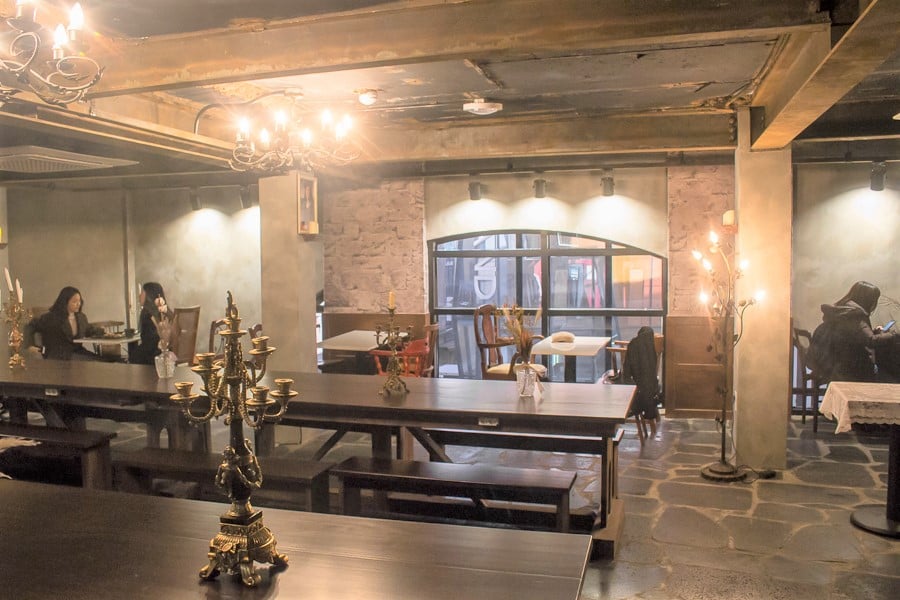
As the 20th century progressed, dabangs began to proliferate in key urban centers like Myeongdong and Jongno. These became vibrant hubs for the nation’s intellectual and artistic circles, attracting writers, artists, and politicians who convened to exchange ideas and foster creative discourse. These early dabangs mirrored the ambiance of European coffeehouses, offering warm, inviting spaces filled with art, music, and intellectual conversation. However, due to the significant cost of imported coffee beans, access to these establishments remained largely exclusive to the affluent and educated segments of society. The disruption of World War II, which led to the cessation of coffee imports, forced many dabangs to close or pivot to serving simpler tea menus. Following the Korean War (1950-1953), the nation’s focus shifted to reconstruction, and the habit of frequenting cafés temporarily waned.
The Rise of Instant Coffee: Democratizing Caffeine
The Korean War inadvertently played a role in the broader introduction of coffee to the Korean populace through the presence of American soldiers who brought instant coffee with them. By the 1960s and 1970s, as dabangs began to reopen, coffee consumption saw a resurgence. In an era with limited public spaces, these establishments became crucial social venues for meetings, relaxation, and dating.

A significant turning point occurred in 1976 when Dongsuh Foods introduced the first 3-in-1 instant coffee mix. This revolutionary product, combining coffee, sugar, and creamer in a single packet, rapidly became a national favorite, transforming coffee from a niche luxury into an accessible daily beverage for the masses. By the late 1970s, South Korea had emerged as one of the world’s leading consumers of instant coffee. Even today, the sweet, nostalgic flavor of these instant mixes remains popular, coexisting with the appreciation for freshly brewed coffee, which is often perceived as a more contemporary or artisanal choice.

Modern Coffee Culture: From Espresso Bars to Themed Havens
The 1980s witnessed a significant evolution in Seoul’s coffee landscape. New-style cafés began to emerge, offering espresso-based drinks, teas, and pastries in more intimate and stylish settings. These cafés provided a tranquil escape from the bustling city life, serving as havens for relaxation and quiet contemplation.
The economic boom of the late 1980s, particularly after 1989, saw an increase in Koreans traveling abroad. These international experiences exposed them to diverse global coffee cultures, inspiring a wave of innovation upon their return. This era marked the rise of distinctly Korean-style cafés, characterized by their sophisticated interior designs and serene atmospheres. Coffee shops transitioned from purely beverage destinations to multifaceted social and functional spaces, utilized for studying, working, and socializing. This shift cemented the café’s role in the modern Korean lifestyle.
The late 1990s ushered in a new era with the arrival of international coffee giants. In 1999, Starbucks opened its first branch in front of Ewha Womans University in Seoul, introducing a modern aesthetic and the concept of sophisticated takeaway beverages to the Korean market. This was swiftly followed by the entry of other American brands like The Coffee Bean & Tea Leaf, and the subsequent proliferation of prominent Korean chains such as Ediya, Mega Coffee, and Compose Coffee, which rapidly expanded their national footprint.
Today’s Korean Cafés: Innovation and Experience
Contemporary Korean cafés are celebrated for their distinctive creativity and innovation. The scene extends beyond traditional coffee shops to encompass unique themed establishments, including animal cafés (featuring cats, dogs, or even sheep) and pop-culture-inspired venues like those dedicated to Harry Potter or Hello Kitty. These cafés prioritize not only the quality of their drinks but also the immersive experience, focusing on design, comfort, and thematic coherence.
Seoul’s cafés are frequently characterized by their cozy, photogenic interiors and strong individual personalities. For many Koreans, visiting a café is an integral part of their daily routine, offering a valuable opportunity to unwind, engage in introspection, or simply enjoy a moment of quiet solitude. The emphasis is on the overall sensory experience, where the visual appeal, the taste of the offerings, and the ambiance all contribute to a memorable visit.

Navigating Seoul’s Café Scene: Essential Visitor Tips
Seoul boasts one of the most dynamic café cultures globally. To make the most of your exploration, consider these practical tips:
- Peak Hours and Popular Areas: Be prepared for cafés to be busiest during afternoons and on weekends, particularly in trendy districts such as Hongdae, Ikseon-dong, and Gangnam. Arriving earlier in the day can often provide a more relaxed experience.
- Service Style: Most cafés operate on a self-service model. Customers typically order at the counter, collect their orders when their buzzer sounds, and are expected to return trays after use. Some establishments may implement time limits for seating during peak hours, so checking for signage is advisable.
- Menu Exploration: Korean cafés excel at creative and seasonal offerings. Don’t hesitate to try signature menu items or seasonal specials, which often feature unique Korean ingredients like injeolmi (rice cake powder), black sesame, or matcha.
- Payment and Amenities: Cashless payments are prevalent, with most cafés accepting credit cards and mobile payment systems. Many establishments provide complimentary Wi-Fi and power outlets, making them conducive to studying or working. However, some cafés may restrict laptop use during busy periods to ensure table availability for other patrons.
- Sustainability and Local Charm: Bringing your own reusable tumbler often entitles you to a small discount, reflecting a growing eco-conscious trend. Exploring local, independent cafés rather than solely relying on large chains can uncover hidden gems and offer a more authentic neighborhood experience.
The Top 20 Coffee Shops in Seoul to Discover in 2025
1. Thanks Nature Café
- Address: 10 Hongik-ro, Mapo-gu, Seoul
- Instagram: @thanks_naturecafe
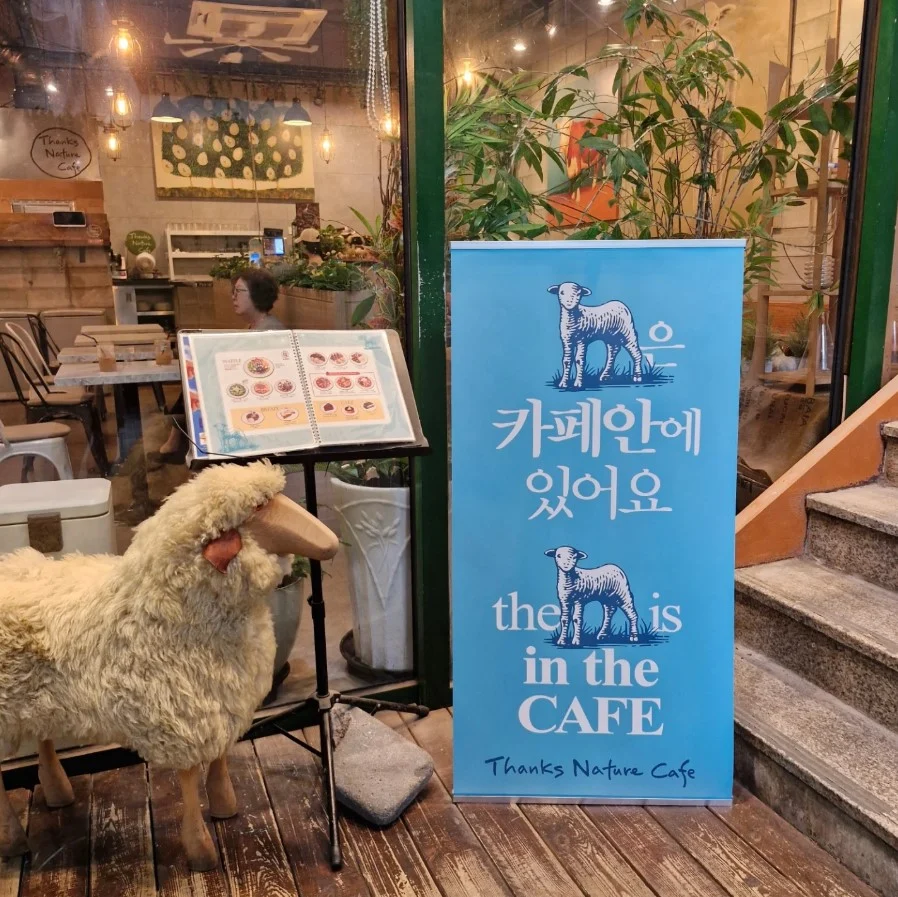
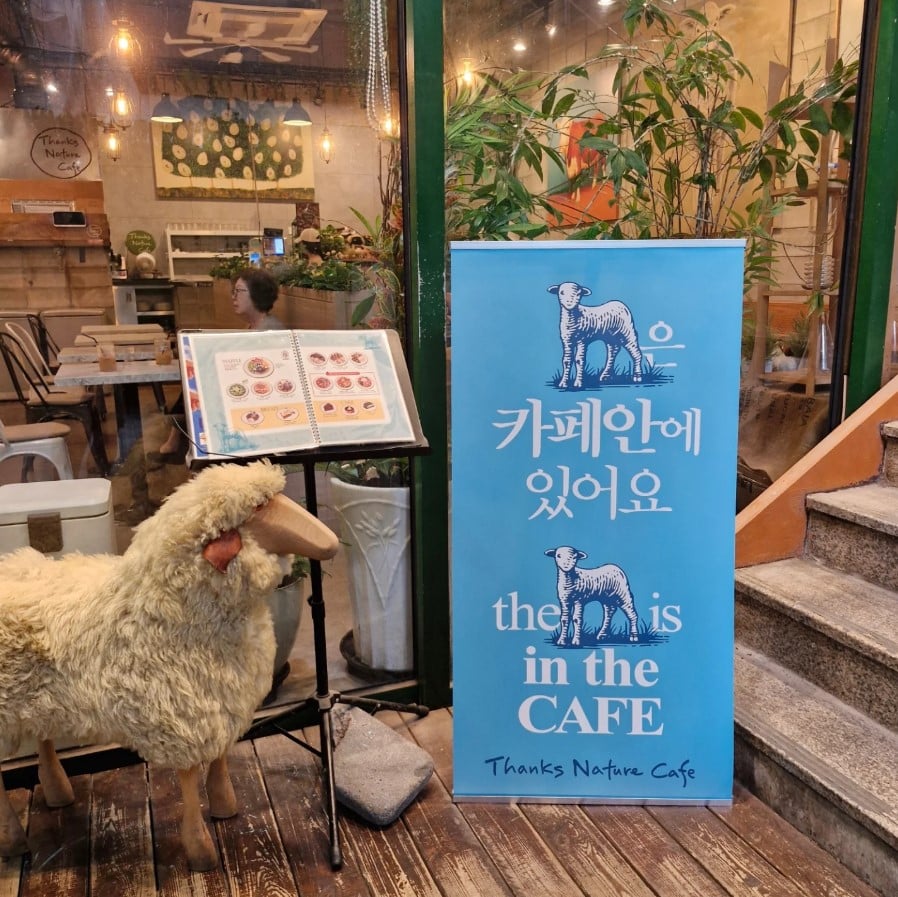
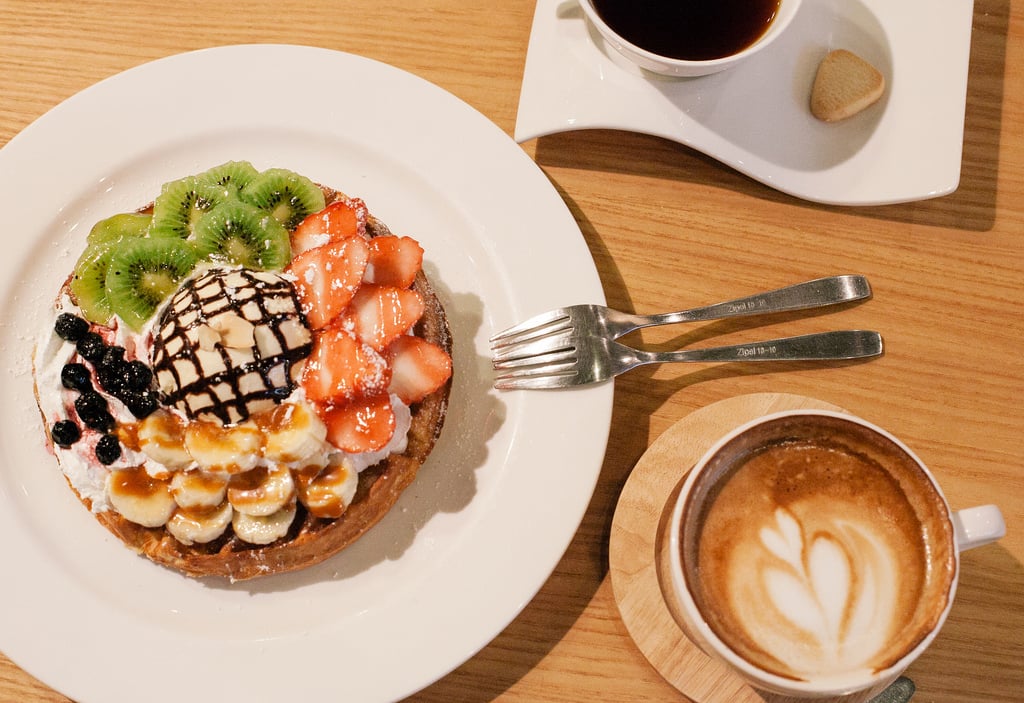
Located in the vibrant Hongdae district, Thanks Nature Café offers a truly unique experience: enjoying coffee alongside live sheep. The café is committed to animal welfare, with the owner caring for orphaned or weak sheep before returning them to a farm. Visitors are instructed to interact gently and calmly with the animals. The menu features delicious waffles and croffles, best enjoyed with their signature Honey Latte or Caramel Macchiato.
2. 943 King’s Cross
- Address: 24 Yanghwa-ro 16-gil, Mapo-gu, Seoul
- Instagram: @943kingscross
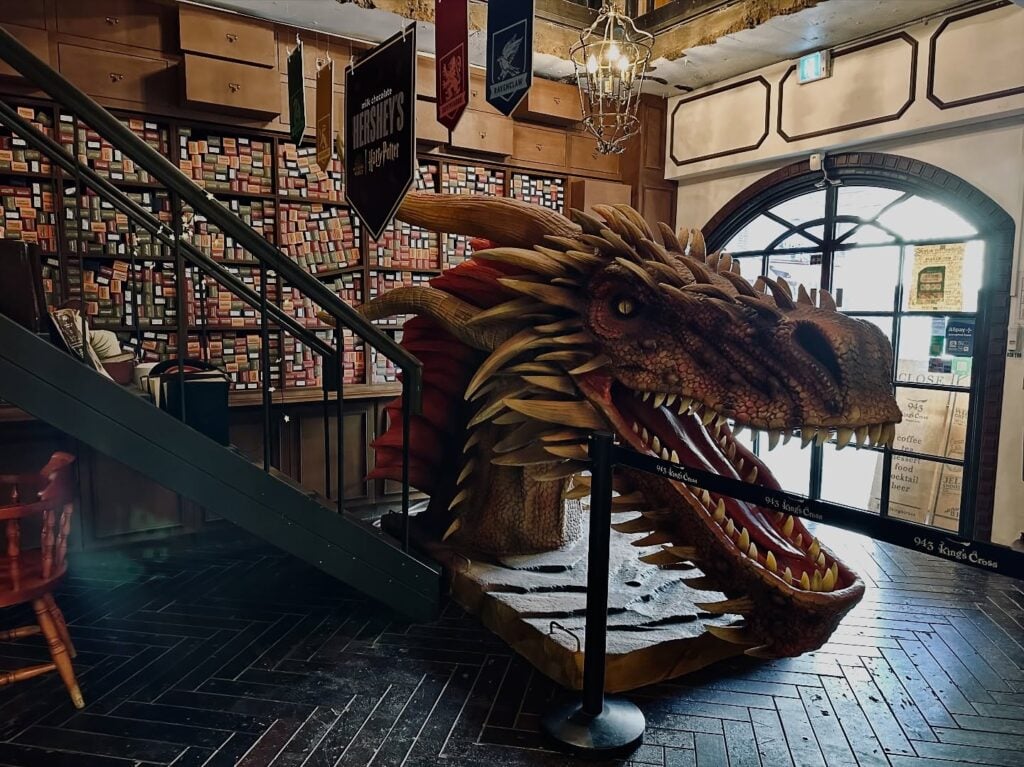
Immerse yourself in the magical world of Harry Potter at 943 King’s Cross in Hongdae. This multi-story café is meticulously designed to evoke the wizarding universe, with each floor offering a distinct themed experience, from a Hogwarts common room replica to themed rooms for different houses and a costume and prop area for photos. Signature drinks like the Butterbeer Latte and Chocolate Fudge Cake are must-tries.
3. Mouse Rabbit Coffee
- Address: 10 Neungdong-ro 11-gil, Gwangjin-gu, Seoul
- Instagram: @mouserabbit_official
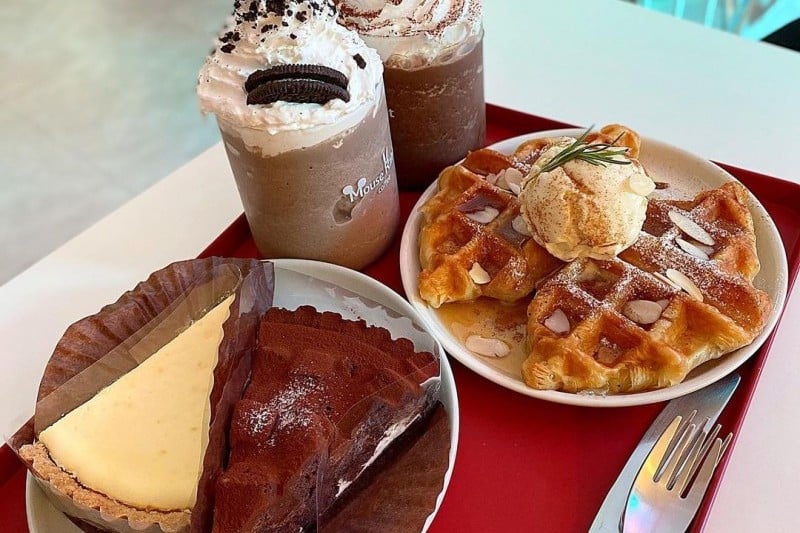
Operated by Yesung of the K-pop group Super Junior and his brother, Mouse Rabbit Coffee is a popular destination for both fans and coffee enthusiasts. The multi-floor establishment offers a relaxed café ambiance alongside K-pop memorabilia and exclusive merchandise. The menu includes various coffees, teas, juices, cakes, and bingsu.
4. Café Gong Myoung
- Address: 32-4 Dosan-daero 15-gil, Gangnam District, Seoul
- Instagram: @cafegm
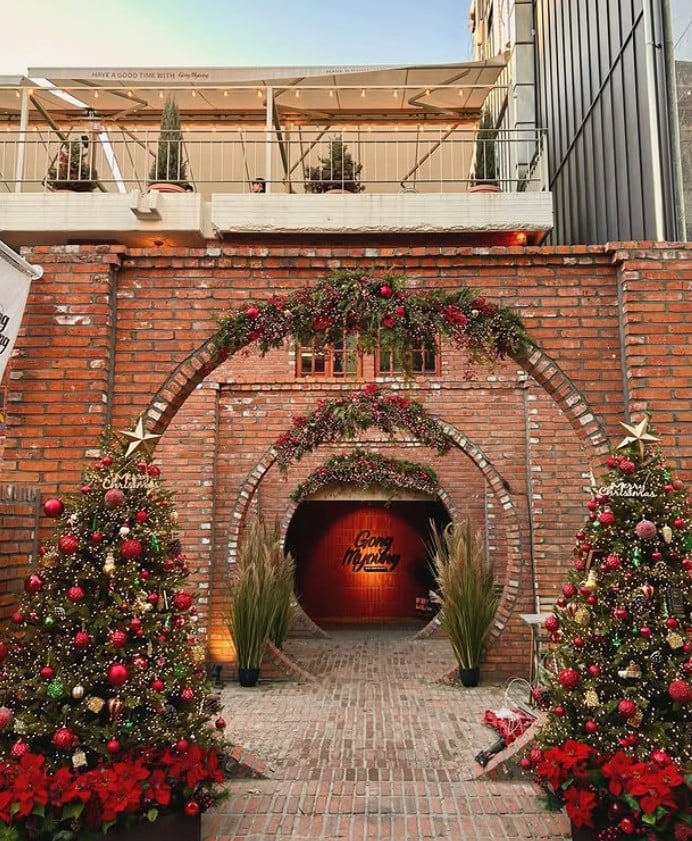
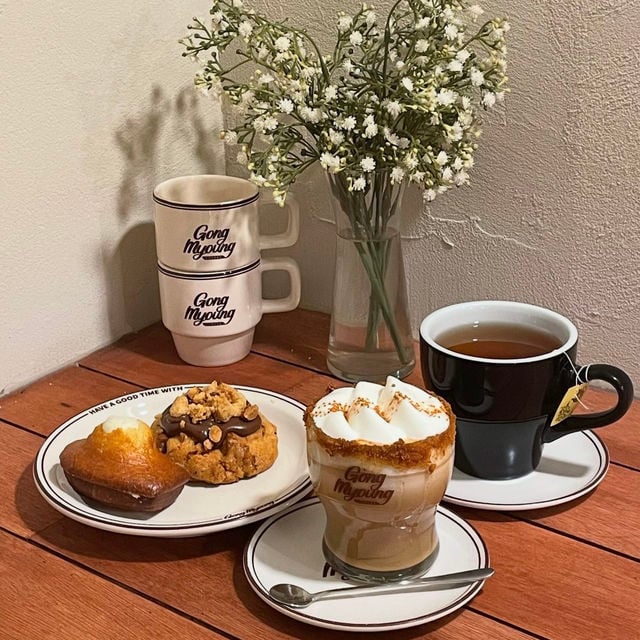
Café Gong Myoung, a three-floor establishment in the Hongdae area, is noted for its spacious layout, including large tables suitable for laptop work. Its distinctive red brick exterior and round entrance make it easily recognizable. The signature Gongmyeong Latte, topped with a soft, chewy cream and enhanced with cinnamon, is a highly recommended indulgence.
5. The Spot Fabulous
- Address: 22 Myeongdong 2-gil, Jung District, Seoul
- Instagram: @the_spot_fabulous
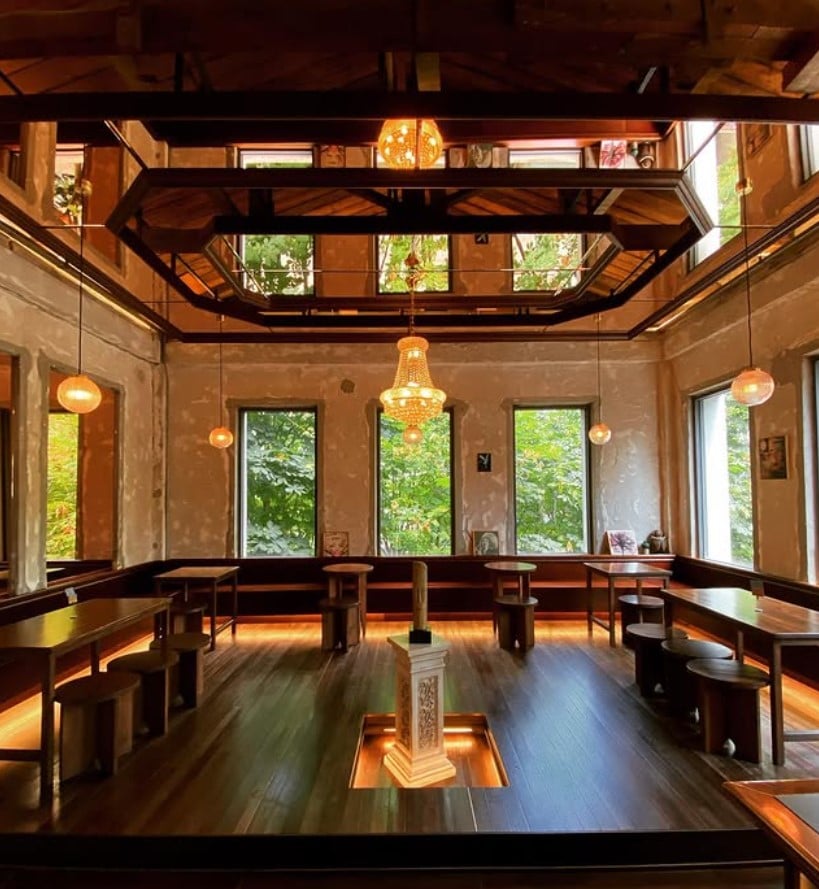
Housed in a historic building in Myeongdong, The Spot Fabulous masterfully blends old-world charm with modern design. Featuring exposed wooden beams, high ceilings, and large windows, the café is bathed in natural light. It is celebrated for its array of high-quality homemade desserts, including fig and tiramisu tarts, financiers, macarons, and cheesecakes, making it a worthwhile splurge for a special treat.
6. Café Onion
- Address: 5 Gyedong-gil, Jongno District, Seoul
- Instagram: @cafe.onion
Café Onion Anguk offers a unique dining experience within a beautifully restored hanok (traditional Korean house) near Bukchon Hanok Village and Gyeongbokgung Palace. The design harmoniously merges traditional architectural elements with modern aesthetics. The bakery is particularly popular, with the Pandoro (a sugar-dusted bread) and Angel Bread (filled with red bean paste) being standouts. Their coffee, including a well-balanced vanilla latte, is also highly praised.
7. Fritz Coffee Company (Dohwa)
- Address: 17 Saechang-ro 2-gil, Mapo-gu, Seoul
- Instagram: @fritzcoffeecompany
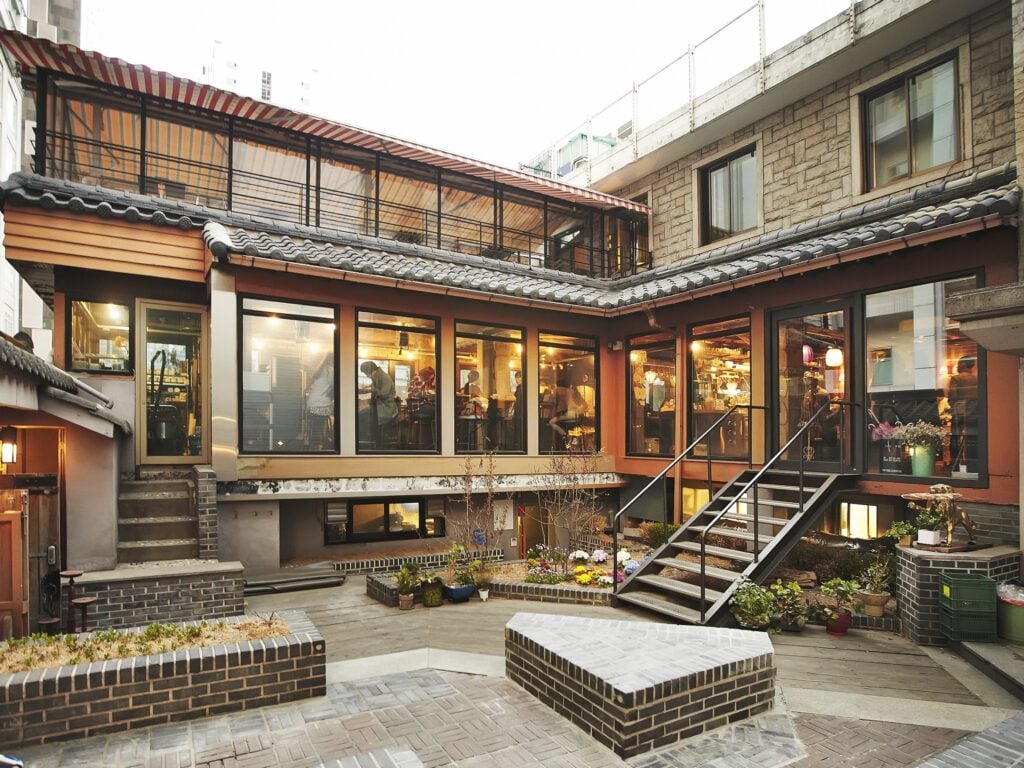
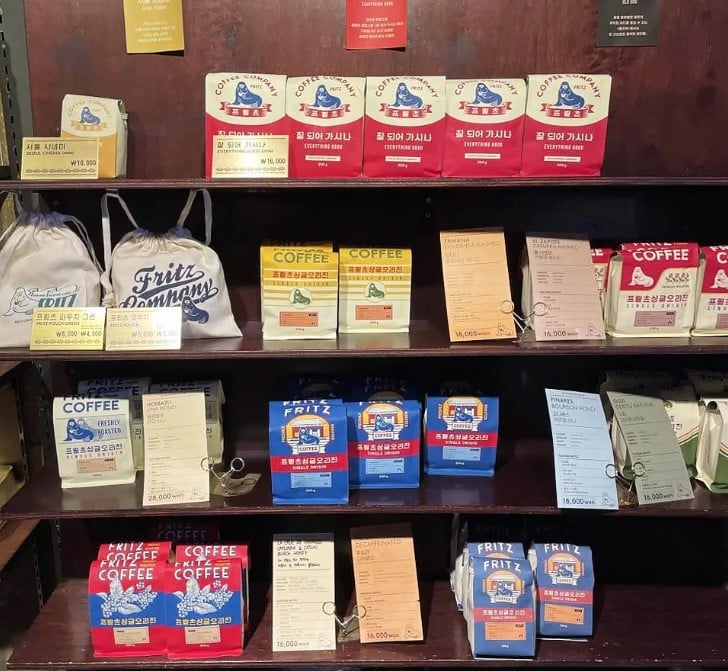
The Dohwa branch of Fritz Coffee Company is situated in a stunningly renovated traditional Korean house, offering a warm and stylish atmosphere that blends Korean heritage with contemporary design. Renowned for its in-house roasted, high-quality beans, Fritz delivers expertly crafted espresso, drip coffee, and lattes. The café also offers distinctive retro-style merchandise and freshly packed coffee beans, making them ideal souvenirs.
8. Sinleedoga
- Address: 20-12 Jandari-ro, Mapo-gu, Seoul
Tucked away in a quiet alley near Hongik University, Sinleedoga is a charming café set within a restored hanok. It offers a serene escape from the bustling Hongdae streets, with a courtyard and terrace perfect for relaxing. The café is highly acclaimed for its traditional Korean-inspired desserts and beverages, including the popular injeolmi cake, black sesame latte, and jujube tea.
9. KOTTON.SEOUL
- Address: 17 Insadong 12-gil, Jongno District, Seoul
- Instagram: @kotton.seoul
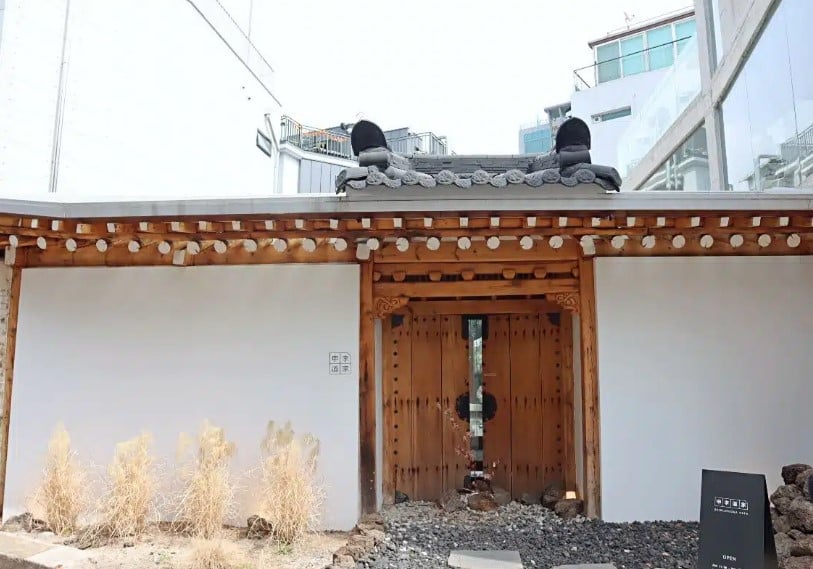
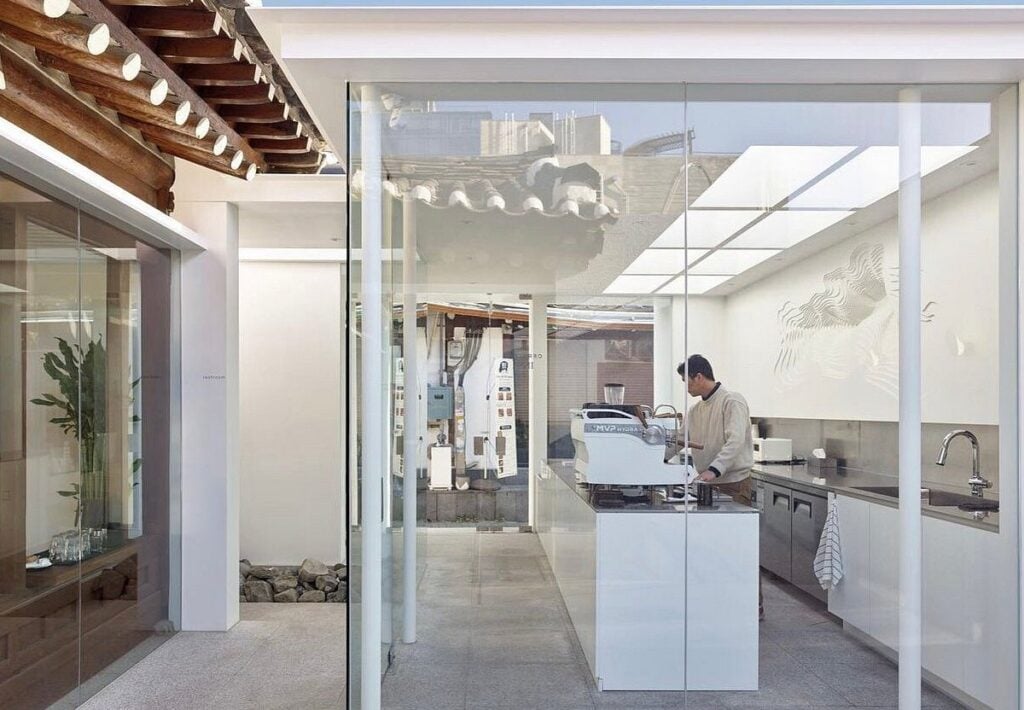
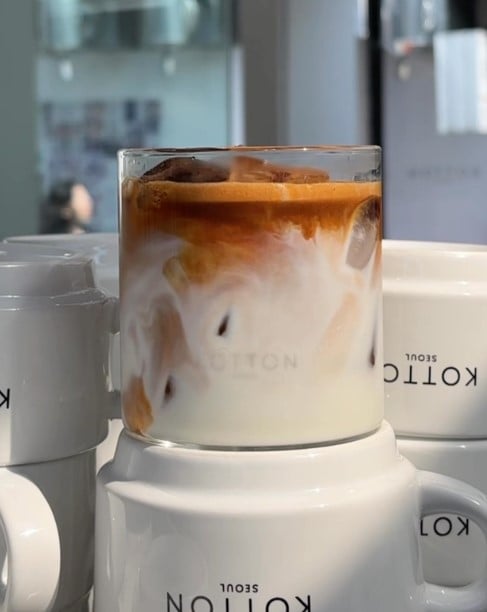
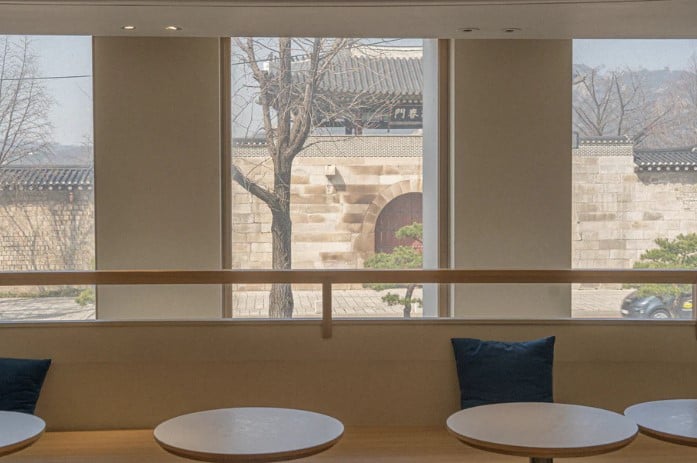
This modern hanok café provides a clean, minimalist aesthetic with white walls, dark wood accents, and ample natural light. KOTTON.SEOUL is an ideal spot for both relaxation and work, equipped with comfortable seating and power outlets. The Tarae-Einspanner, an espresso drink topped with whipped cream, honey, and the Korean candy sil-tarae, is a visually appealing and delicious signature offering.
10. Nuldam Space
- Address: 24 Samcheong-ro, Jongno-gu, Seoul
- Instagram: @nuldam_space
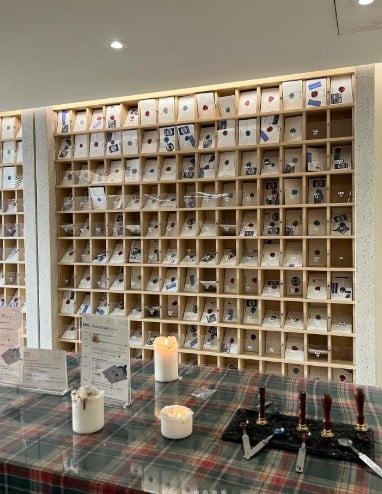
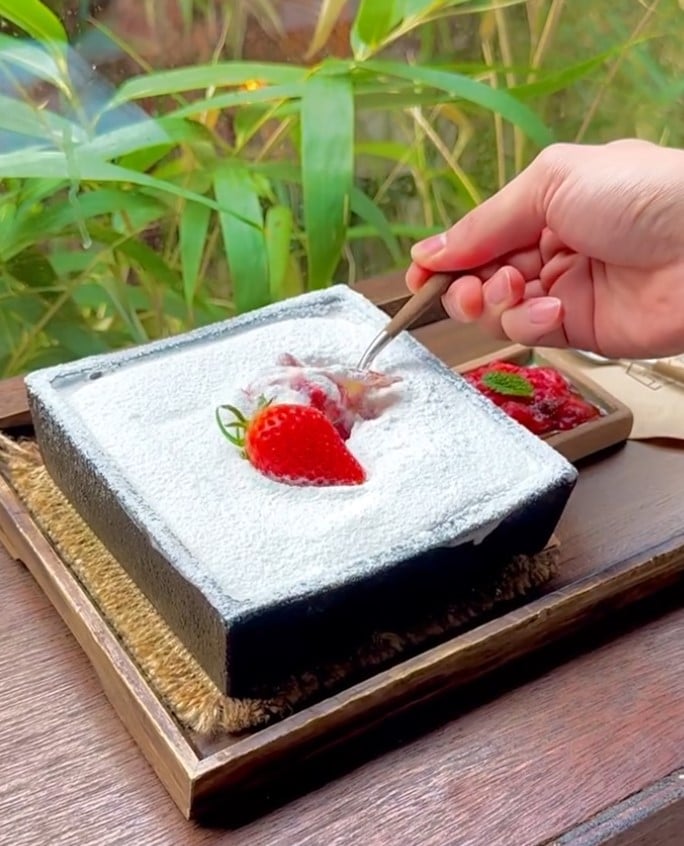
Conveniently located for those exploring Jongno, Insadong, or Gyeongbokgung Palace, Nuldam Space offers a tranquil multi-floor environment with cozy seating and large windows. Its unique feature is the letter-writing station, allowing visitors to send messages to their future selves. The café also boasts vegan-friendly options, including croissants, croffles, black sesame lattes, and strawberry lattes.
11. Humming Bella
- Address: 57 Dongmak-ro 7-gil, Mapo-gu, Seoul
- Instagram: @hummingbella
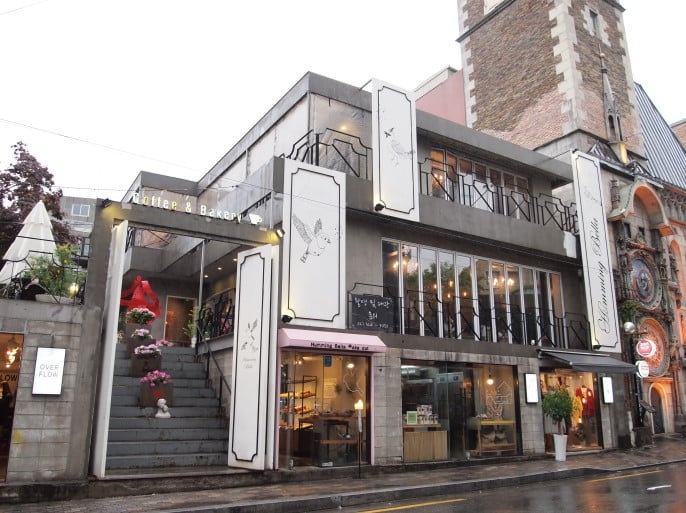
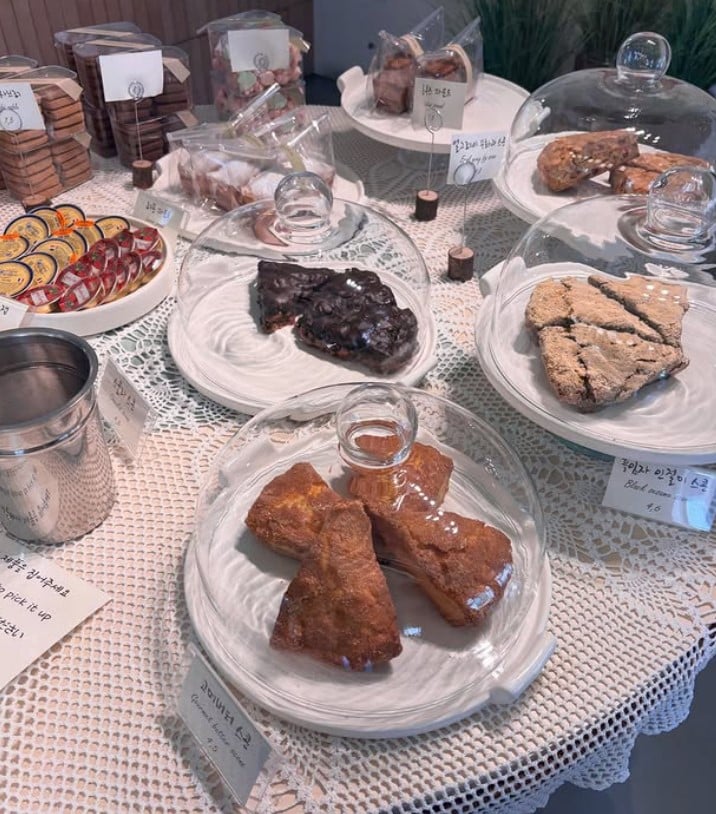
Humming Bella is a stylish and bright multi-floor café located conveniently near Hongik University Station and Hapjeong Station. It features a bakery section and a spacious terrace. The café is celebrated for its freshly baked pastries, with the chocolate-cream-filled croissant being a highly sought-after item that often sells out quickly.
12. Cheong Su Dang

- Address: 31-9 Donhwamun-ro 11na-gil, Jongno District, Seoul
- Instagram: @cheongsudang_
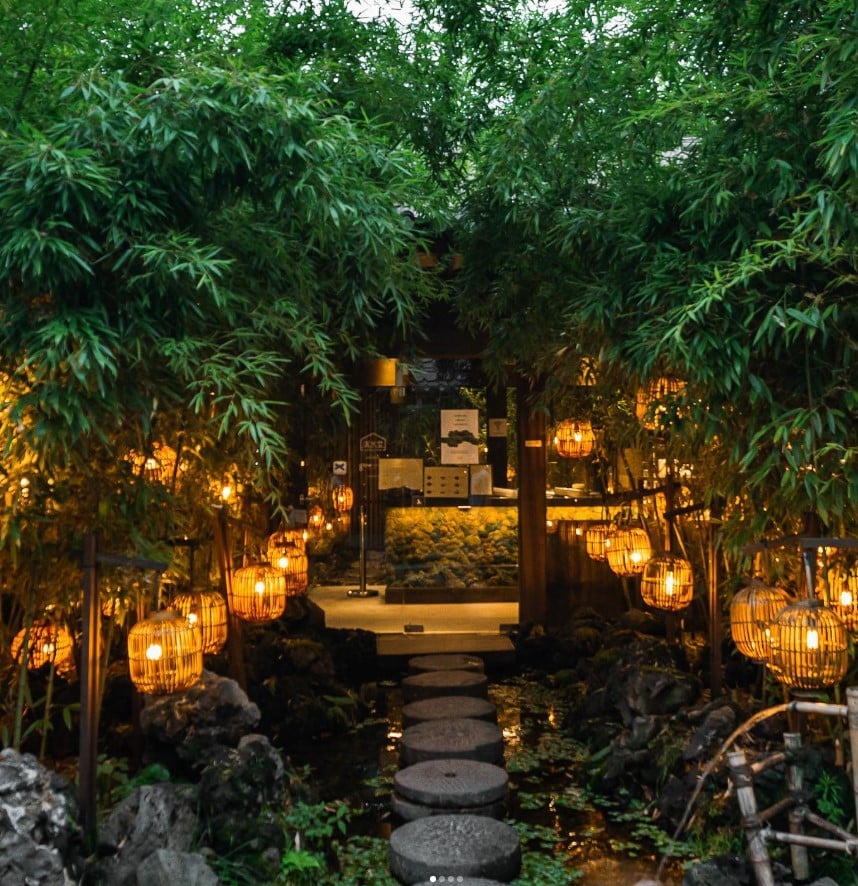
Situated in the picturesque Ikseon-dong hanok village, Cheong Su Dang is a garden-themed café spread across several interconnected traditional houses. The ambiance is serene, featuring bamboo, streams, and lanterns. Signature desserts include the Soufflé Castella, a light and fluffy sponge cake, and various Fromage Cakes in flavors like black sesame, matcha, and strawberry.
13. Coffee Nap Roasters
- Address: 70 Seongmisan-ro 27-gil, Mapo-gu, Seoul
- Instagram: @coffeenap_roasters
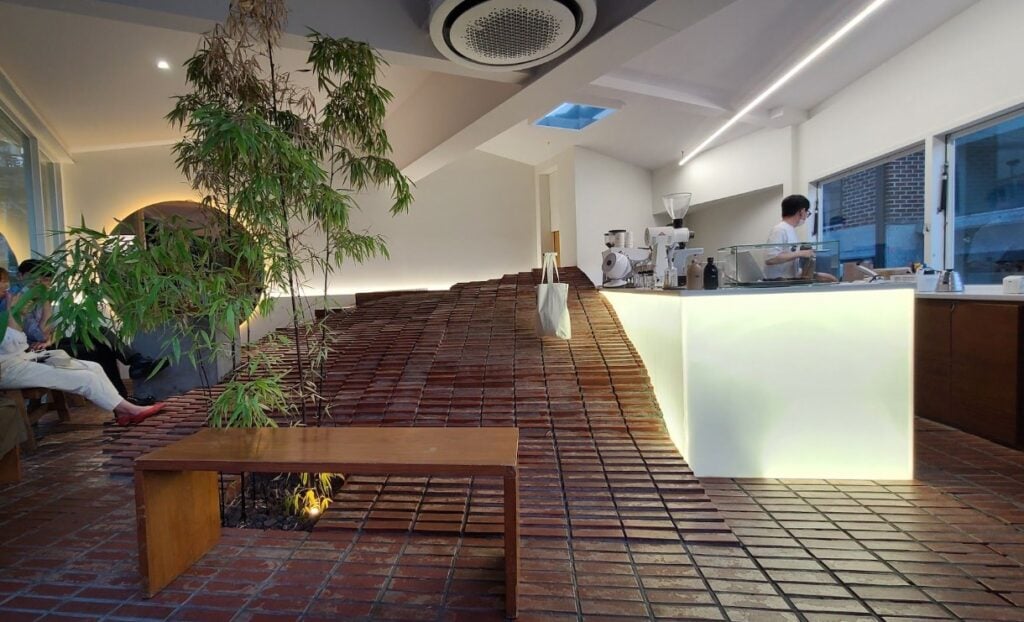
Coffee Nap Roasters in Yeonnam is distinguished by its striking interior featuring floor-to-ceiling windows that offer views of a unique hill-like structure made from over 7,000 red bricks. The baristas are known for their skill in latte art, and the café offers a wide selection of single-origin beans, each accompanied by a card detailing its story.
14. Cống Cà Phê
- Address: 233-114, Yeonnam, Mapo-gu, Seoul
- Instagram: @congcaphe_kr
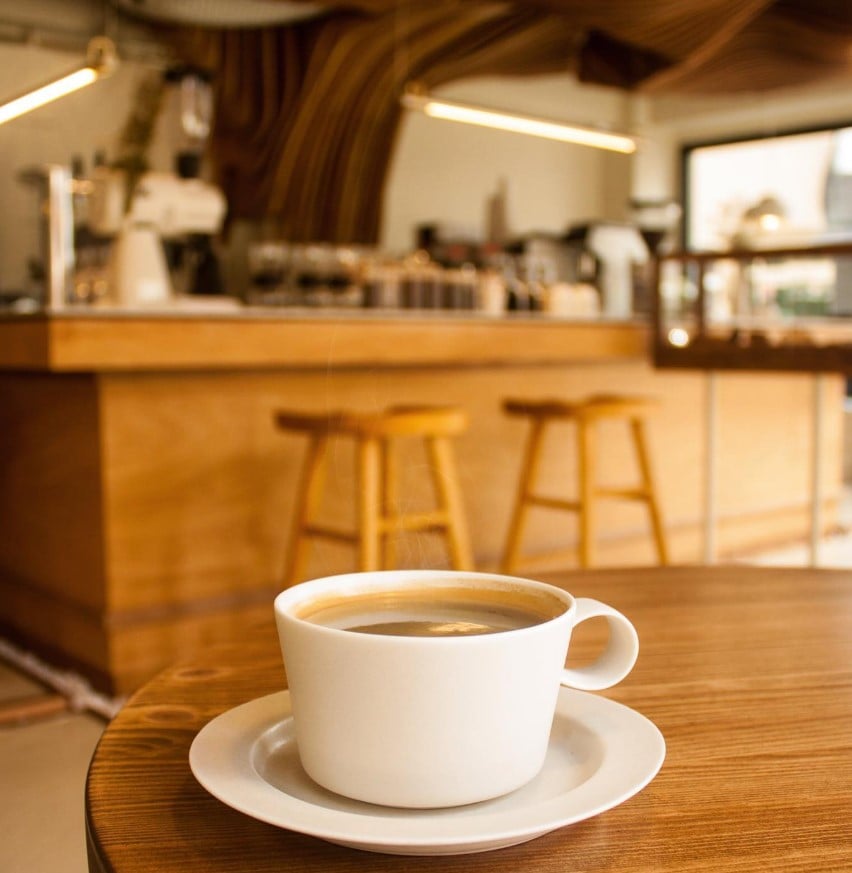
This branch of the popular Vietnamese coffee chain Cống Cà Phê offers a nostalgic, vintage Vietnamese atmosphere with its olive-green décor, retro furniture, and military-inspired elements. The standout menu item is the cà phê cốt dừa, a frozen coconut coffee that resembles a rich, creamy dessert.
15. Perception
- Address: 16 Eoulmadang-ro 1-gil, Hapd’eong-dong, Mapo-gu, Seoul
- Instagram: @perception.coffee
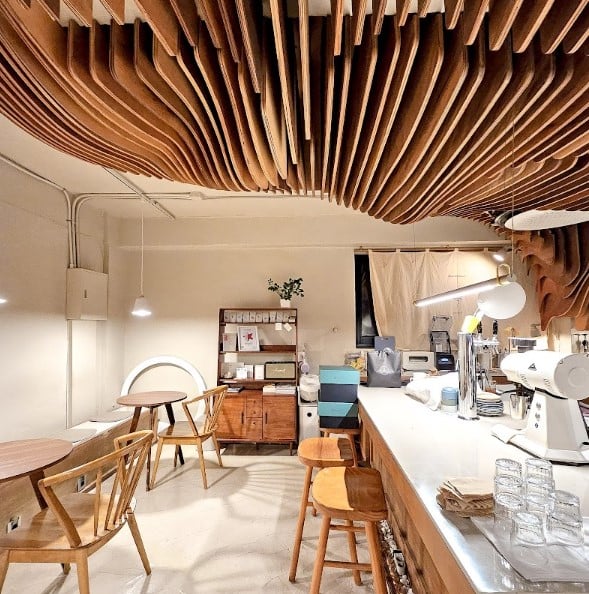
Perception Café is acclaimed for its award-winning interior design, particularly its distinctive, wave-like wooden ceiling. It is a haven for those who appreciate both stylish aesthetics and high-quality coffee. Due to limited seating, it can get crowded, making early visits ideal for a more relaxed experience. The café offers unique signature drinks with creative names like "Atmosphere of the Place."
16. Ver’s Garden
- Address: 44 Seongmisan-ro 23-gil, Mapo-gu, Seoul
- Instagram: @vers_garden
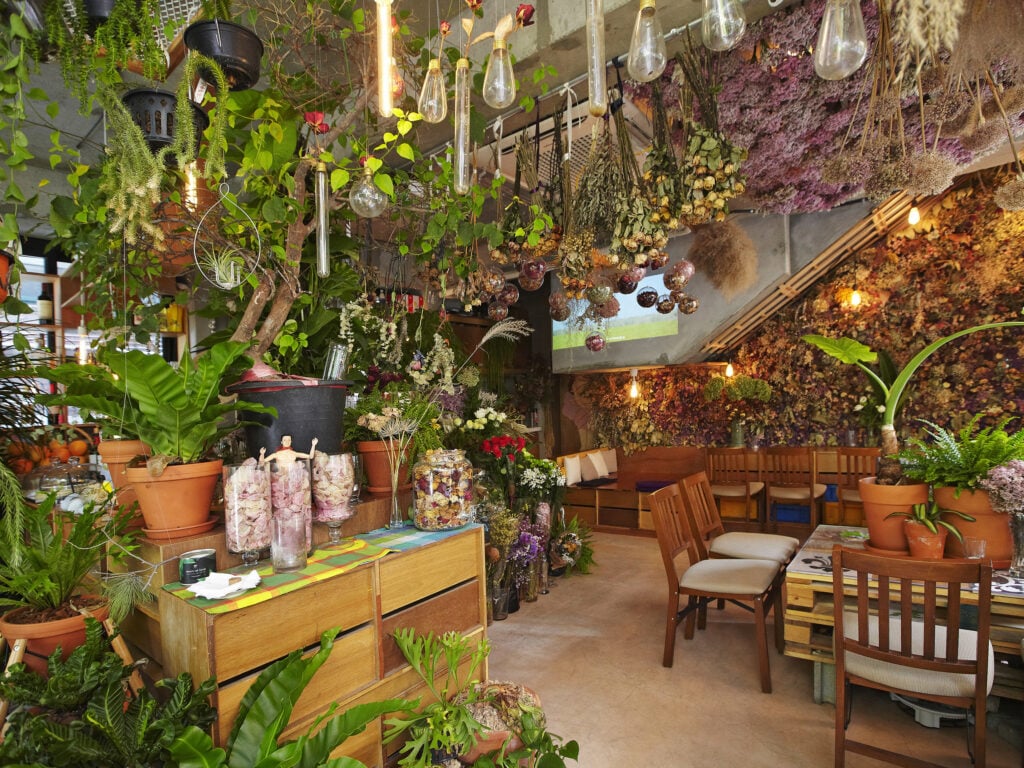
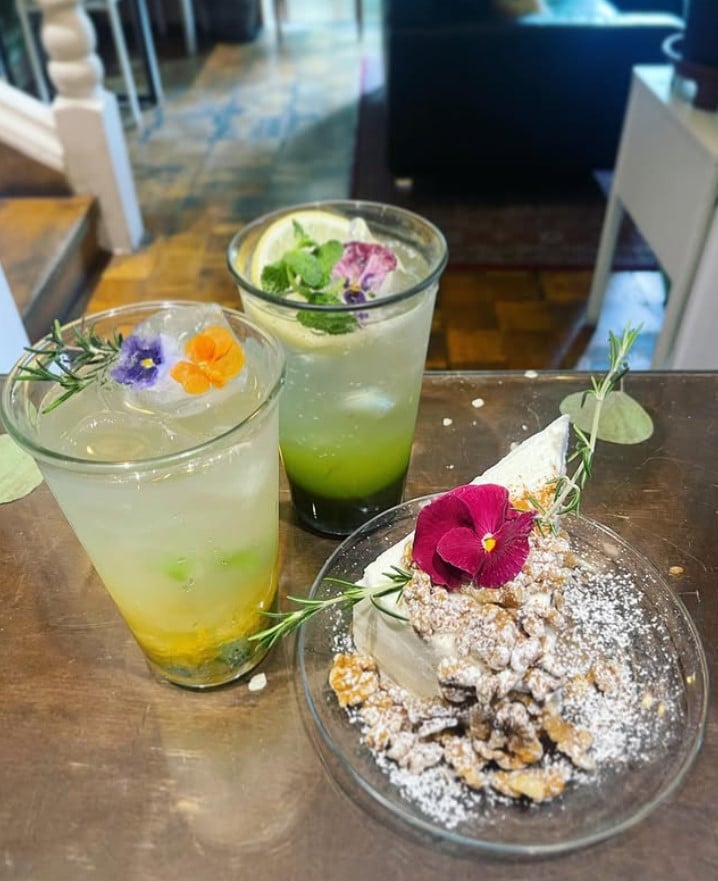
VER’S GARDEN transforms a city space into a botanical oasis, filled with plants and flowers adorning walls and ceilings. As part of the café also functions as a flower shop, it exudes a fresh and vibrant ambiance. The menu includes coffees, teas, and desserts, some of which incorporate floral or herbal elements.
17. Thanks, Oat
- Address: 68 Seongmisan-ro 23-gil, Mapo-gu, Seoul
- Instagram: @thanksoat
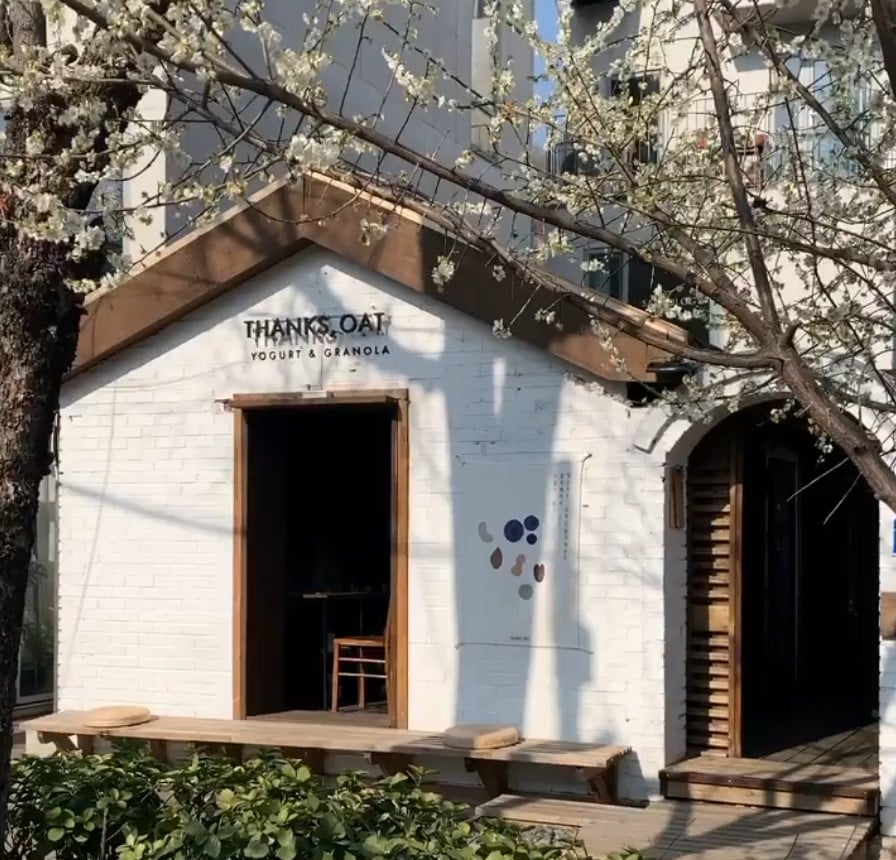
This Yeonnam-dong café focuses on healthy and delicious oat-based dishes. Its bright, minimalist interior, situated near the Gyeongui Line Forest Park, creates a calming atmosphere. The signature menu features creamy oat bowls with fresh fruit and toppings, alongside coffee, smoothies, and light brunch items, making it perfect for breakfast or a healthy recharge.
18. Ongozisin

- Address: 2nd floor, 101 Gwanak-ro 14-gil, Gwanak-gu, Seoul
- Instagram: @ongozisin
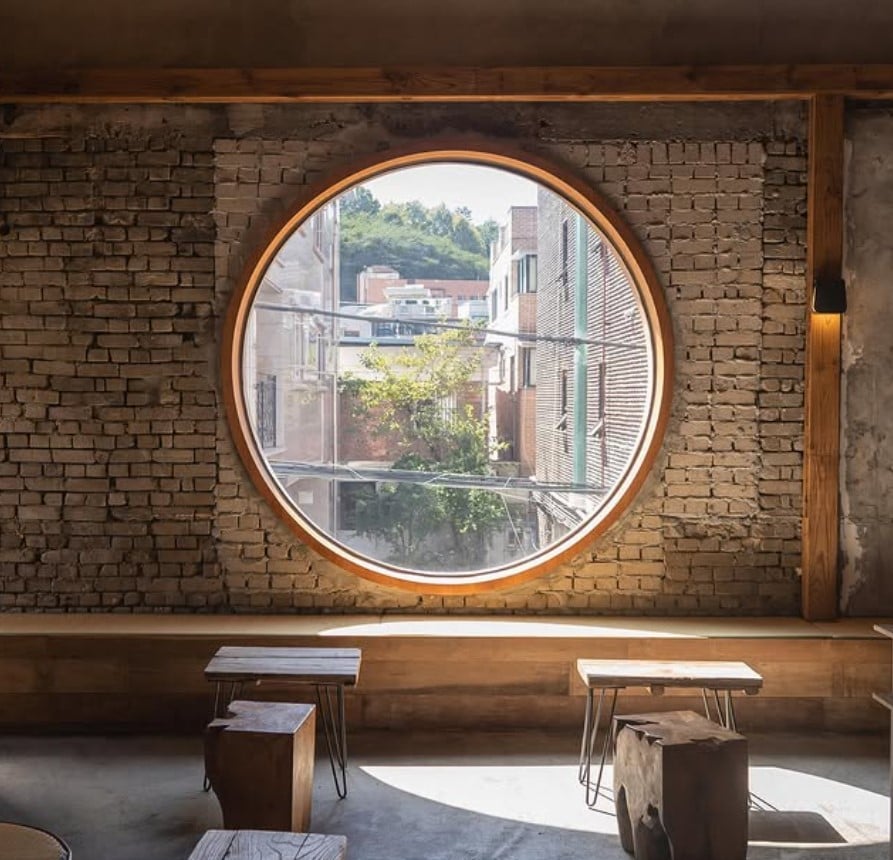
Ongozisin offers a modern Korean tea house aesthetic with a large, circular window that floods the space with natural light. The minimalist décor, featuring bamboo mats and warm lighting, creates a tranquil environment. The signature dessert, Ongo Ice, is a unique blend of injeolmi ice cream, sesame rice puffs, and fresh fruit, offering a contemporary take on Korean flavors.
19. Grain Seoul
- Address: 53 Yeonhui-ro 11ga-gil, Seodaemun-gu, Seoul
- Instagram: @grain_seoul
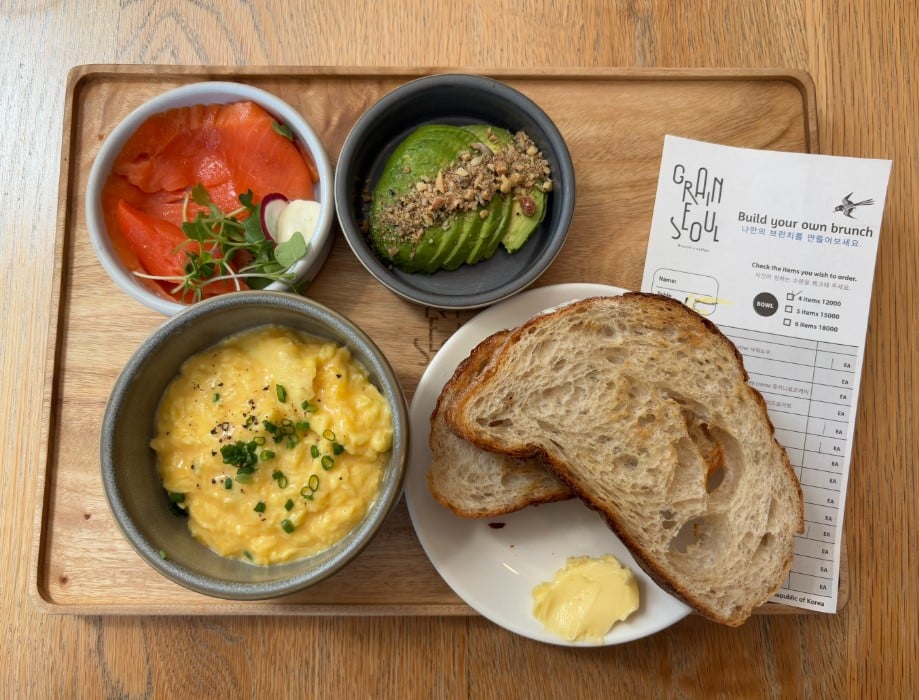
GRAIN SEOUL is a chic brunch spot in the Yeonnam-dong area, known for its modern brunch fare, friendly service, and stylish yet relaxed atmosphere. The bright interior with large windows and simple décor is ideal for a leisurely meal. The "Build-Your-Own Brunch" option, allowing customization with multiple selections, is a popular choice.
20. Green Mile Coffee
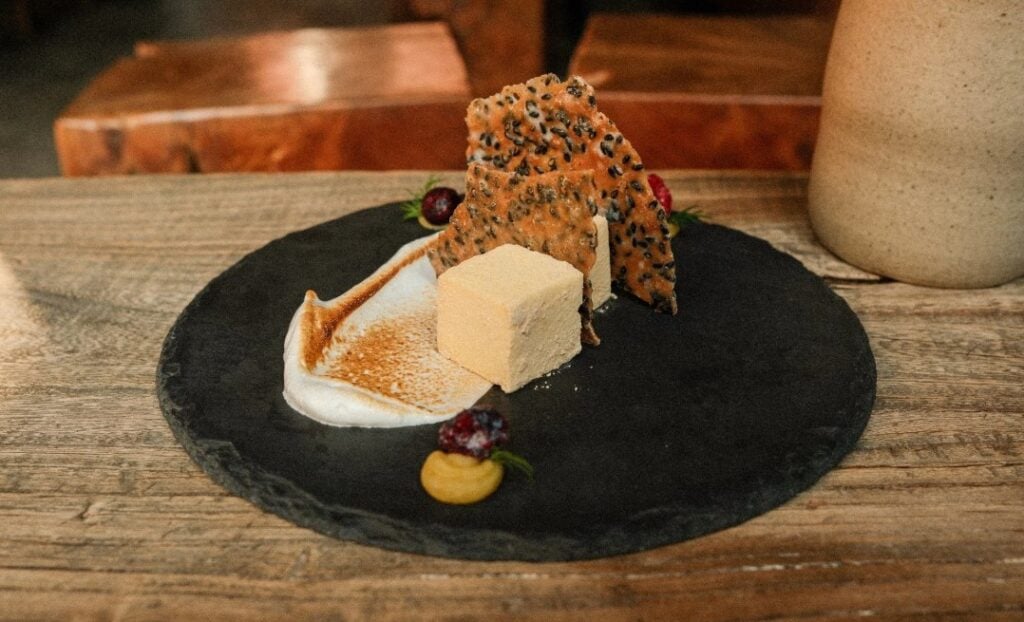
- Address: 64 Bukchon-ro, Gahoe-dong, Jongno District, Seoul
- Instagram: @green_mile_coffee
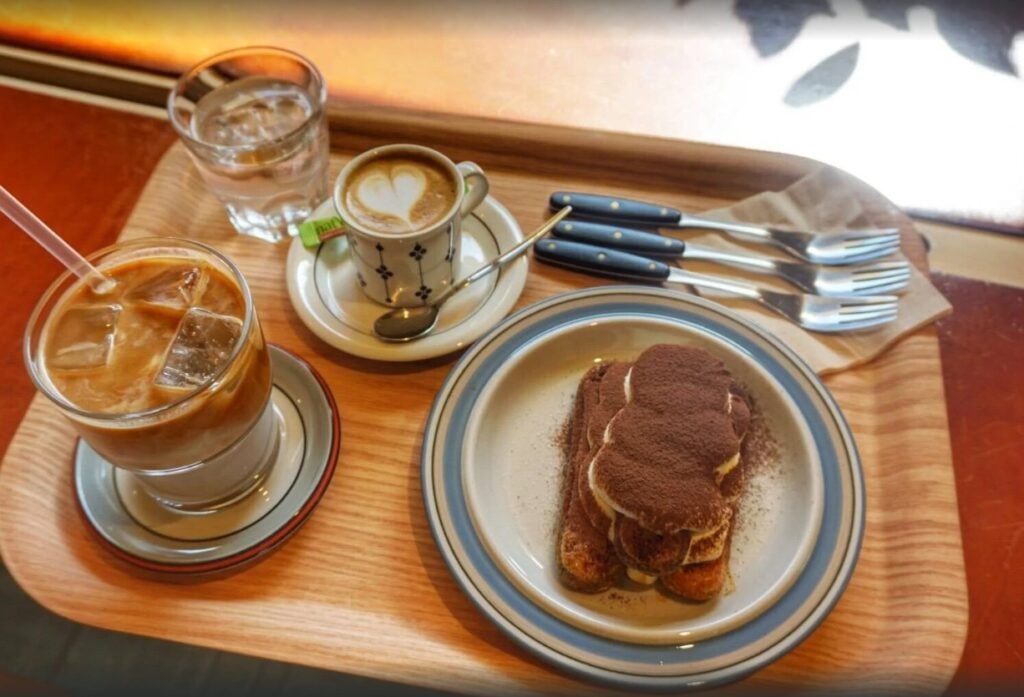
Located within the historic Bukchon Hanok Village, Green Mile Coffee provides a peaceful retreat amidst traditional architecture. The interior is clean and simple, with warm wood tones. Its standout feature is the rooftop, offering picturesque views of hanok rooftops, making it an ideal spot for photos and relaxation after exploring the area. The café is known for its siphon brews, single-origin beans, and popular handmade tiramisu.
Korean Coffee Mix 101: A Staple of Daily Life
Instant coffee holds a significant place in the daily lives of South Koreans, cherished for its convenience, balanced flavor profile, and affordability. Whether enjoyed at home, in offices, or during outdoor excursions, the "3-in-1" coffee mix, containing coffee, sugar, and creamer in a single sachet, has become ubiquitous. This Korean innovation has achieved widespread popularity, even extending its influence globally.
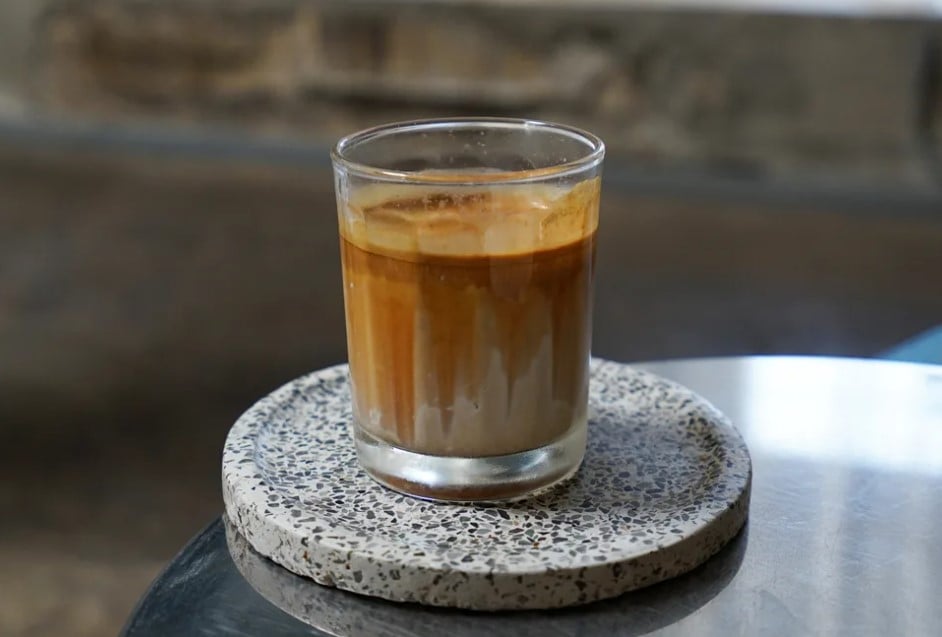
The rise of instant coffee culture is closely linked to Korea’s fast-paced lifestyle. It serves as a quick pick-me-up during work breaks, a readily available option at convenience stores, and a common sight in vending machines across subway stations and smaller shops. Despite the growing popularity of specialty coffee and artisanal cafés, instant coffee remains a beloved staple, easily accessible nationwide and often purchased as a convenient and affordable souvenir.
Top Korean Instant Coffee Brands:
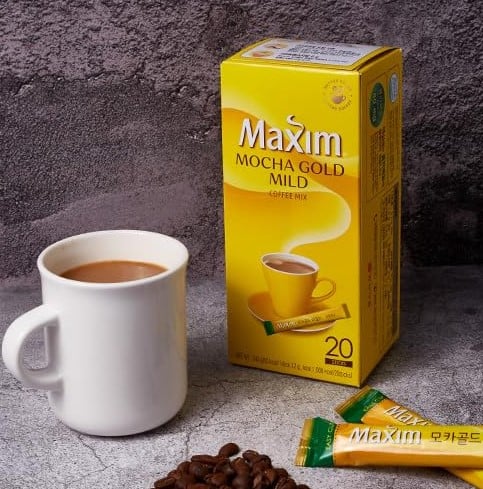
- Maxim: The most iconic brand, known for its smooth and mild flavors. Popular variants include Mocha Gold Mild (sweet and creamy) and White Gold (richer, softer). Available widely in convenience stores, supermarkets, Daiso, and airport duty-free shops.
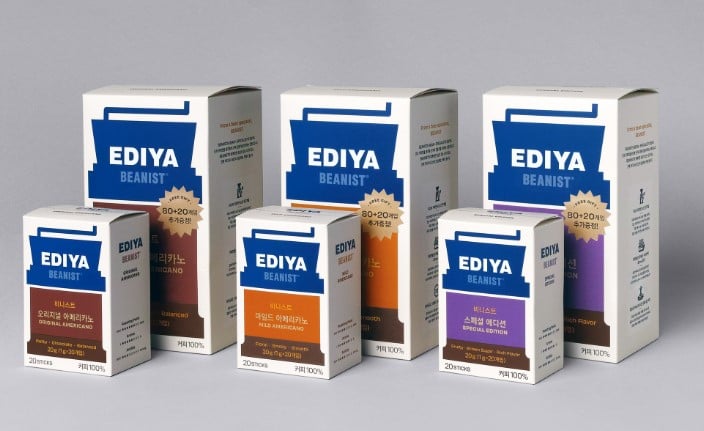
- Ediya Beanist: From the popular Korean café chain Ediya, Beanist is recognized for its richer, more authentic brewed coffee taste. Notable options include Americano Black, Latte, Flat White, and flavored latte sticks. Available at Ediya branches and major supermarkets.
- Nescafé Korea: While a global brand, Nescafé offers flavors tailored to Korean preferences, including Original, Latte, and the sweet, creamy Arabic Latte. Found in convenience stores and grocery stores nationwide.
- Namyang French Café: Known for its sweet, coffee-shop style blends that provide a smooth finish. Mild Latte and Arabica Gold are among its popular offerings.
- Kanu (by Maxim): This premium instant coffee line offers a taste closer to café-style Americanos, with a stronger, less sweet profile. Dark Americano, Mild Americano, Kanu Latte, and seasonal editions like Vanilla Latte are favorites. Available in convenience stores, supermarkets, and some café chains.
A Perfect Souvenir from Korea
Korean instant coffee sticks are an affordable, easily packable, and universally appreciated gift. They offer a tangible taste of Korea’s vibrant coffee culture without requiring specialized brewing equipment, making them ideal for sharing with friends and family back home.
Where to Buy for Tourists:
- Daiso: Offers inexpensive multi-packs.
- Olive Young: Features trendy and premium blends.
- Emart, Lotte Mart, Homeplus: Provide a full selection of flavors at competitive prices.
- GS25, CU, 7-Eleven: Ideal for single sticks or small packs for tasting.
Flavor Recommendations by Taste Preference:
- Sweet and Creamy: Maxim Mocha Gold Mild, Maxim White Gold (smooth, milky, easy to drink).
- Strong Black Coffee (Café-Style): Kanu Dark Roast, Kanu Americano (richer flavor, less sweet).
- Rich Bean Taste with Light Sweetness: Ediya Beanist Americano, Beanist Latte (better bean quality, balanced taste).
- Traveler or Gift Option: Mixed variety packs allow for sampling multiple brands and flavors.
Exploring Seoul’s cafés is an essential experience for any visitor, offering a diverse range of ambiances, stories, and flavors. From sleek, modern establishments to charming hanok cafés tucked away in quiet alleys, each venue provides a unique and Instagrammable moment. It is advisable to check opening hours, as some cafés open later or experience peak crowds on weekends. Arriving early can enhance the tranquility of the experience. Furthermore, don’t miss the opportunity to sample uniquely Korean beverages like injeolmi lattes, black sesame cream, and matcha-infused drinks, which offer a distinct and elevated flavor profile. With comfortable shoes and a keen appetite for caffeine and culture, Seoul’s café scene promises an unforgettable journey, one cup at a time.
