
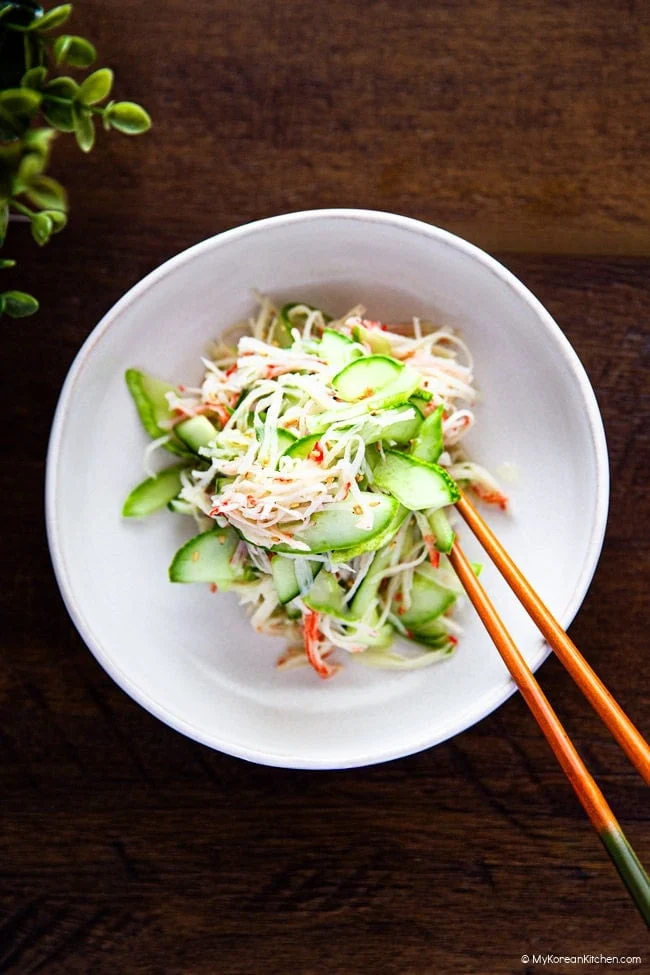
The Korean Cucumber Crab Salad emerges as a testament to the elegance of simplicity in Korean cuisine, offering a light, crisp, and remarkably refreshing dish that is both satisfying and easy to prepare. This versatile side dish, often served as a banchan, highlights the textural interplay between crunchy cucumbers and tender, shredded imitation crab, all unified by a subtly tangy and sweet dressing. Its appeal lies not only in its refreshing palate but also in its speed of preparation, making it an ideal addition to any meal, from casual weeknight dinners to more elaborate gatherings. The recipe itself draws from a lineage of accessible, comforting dishes, reminiscent of school cafeteria fare, yet elevated by the careful selection of ingredients and a balanced dressing.
A Deeper Dive into the Ingredients and Preparation
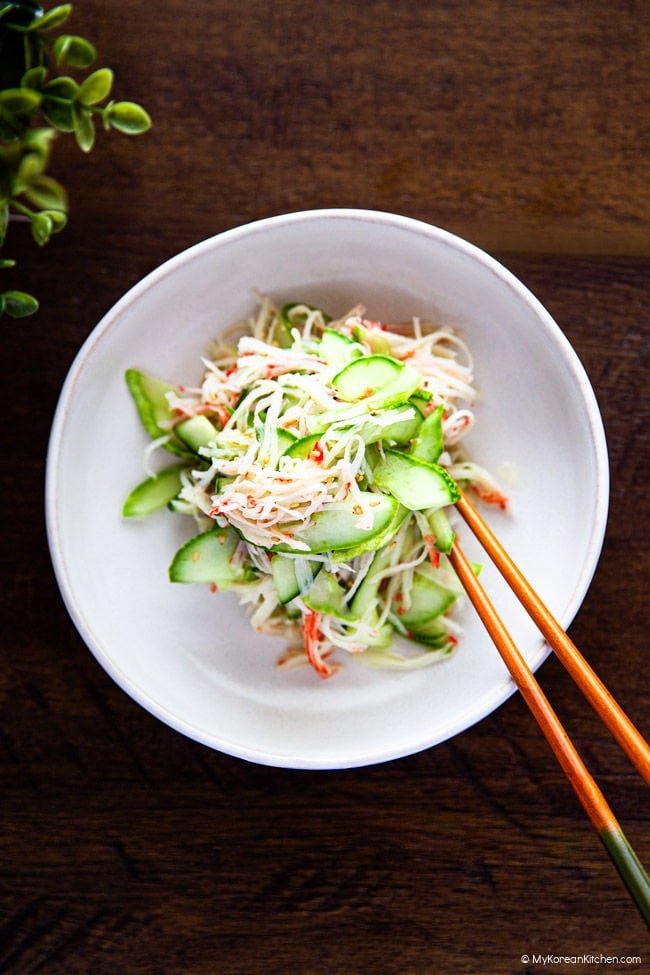
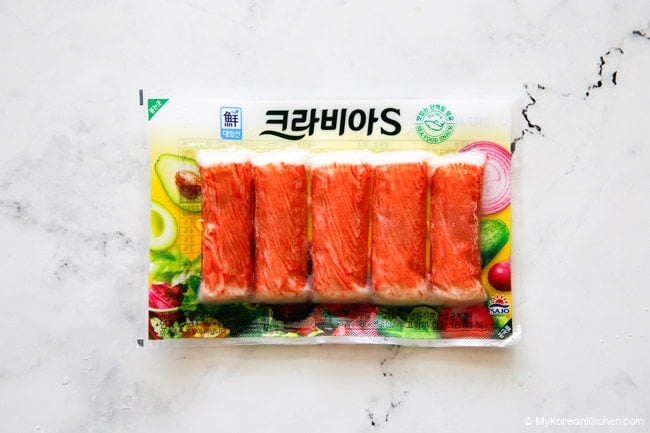
At the heart of this salad lies the harmonious pairing of crisp cucumbers and imitation crab. While standard imitation crab is commonly used in Korea, the recipe suggests opting for premium versions like Kraemi. These higher-grade products are noted for their superior texture – softer, flakier, and possessing a cleaner, slightly sweeter taste that complements the freshness of the cucumber without overpowering it. The imitation crab, often referred to as eomuk (어묵) or gamul (가물) in Korean culinary contexts, has evolved significantly from its early iterations. Initially developed as a way to utilize surplus fish, it has become a staple ingredient, particularly in quick, accessible dishes like this salad. The modern iterations often undergo sophisticated processing to mimic the texture and flavor of real crab meat, making them a popular and economical choice.
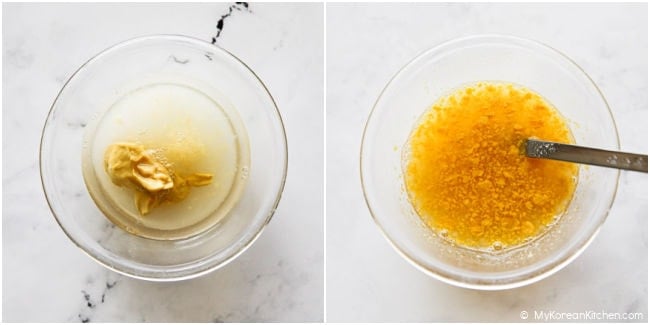
The dressing is a crucial element, designed to enhance rather than mask the core ingredients. It typically comprises a delicate balance of sugar, vinegar, salt, Dijon mustard, and minced garlic, with a final flourish of sesame seeds. This combination creates a tangy and slightly sweet profile that awakens the palate. The use of Dijon mustard, while perhaps not traditionally Korean in its earliest forms, reflects the ongoing evolution and fusion within Korean home cooking, incorporating global flavors that enhance familiar dishes. The garlic provides a subtle aromatic depth, while the sesame seeds offer a nutty counterpoint and visual appeal.
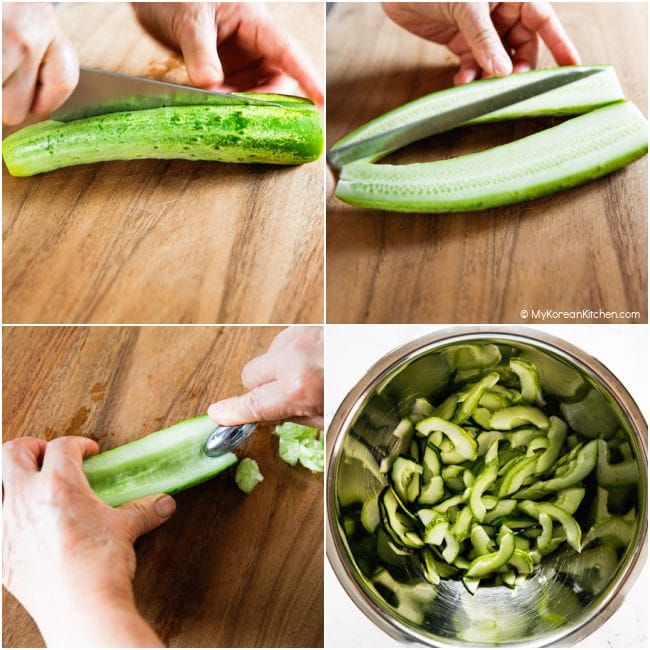
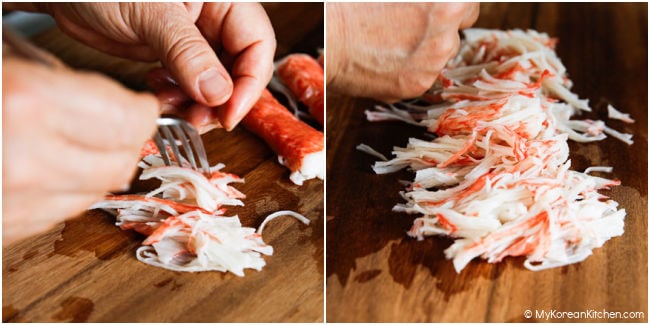
The preparation method is straightforward, emphasizing the preservation of texture. Cucumbers are halved lengthwise, and their soft, seed-filled cores are gently removed using a spoon. This crucial step minimizes excess moisture, ensuring the salad remains crisp and the dressing does not become diluted. The cucumbers are then sliced diagonally, a technique that not only enhances visual appeal but also increases the surface area for the dressing to adhere to. Imitation crab sticks are similarly prepared, being gently shredded along the grain with a fork to achieve a delicate, flaky texture that blends seamlessly with the cucumber.
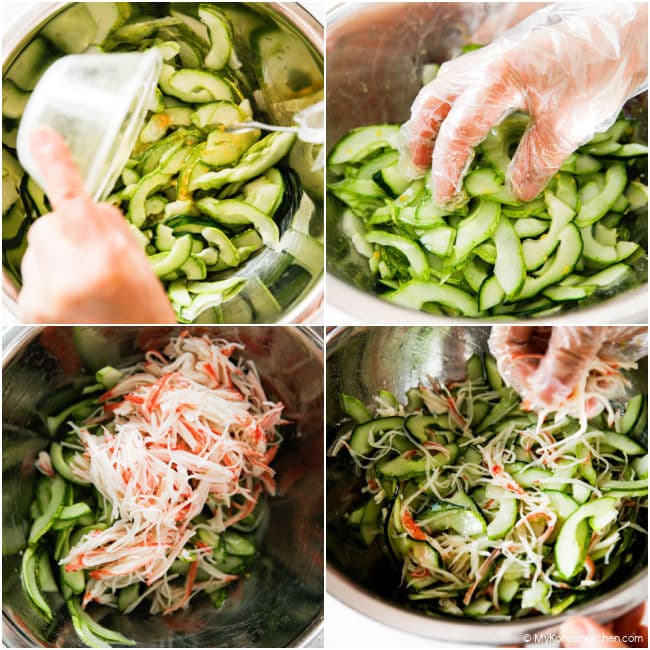
The assembly involves a gentle tossing of the dressed cucumbers, followed by the incorporation of the shredded crab meat. The goal is to coat everything evenly without crushing the delicate ingredients. A final scattering of sesame seeds adds a finishing touch. The salad is best enjoyed immediately to maximize its crispness, though chilling it briefly can allow the flavors to meld more thoroughly.
Historical and Cultural Context
The emergence of dishes like Korean Cucumber Crab Salad can be traced back to the post-war era in Korea, a period marked by resourcefulness and the adaptation of available ingredients. Imitation crab, derived from processed fish paste (surimi), gained popularity as an affordable source of protein and a versatile ingredient. Its ability to be shaped and flavored allowed for a wide range of applications, from savory cakes and skewers to the delicate strands used in this salad.
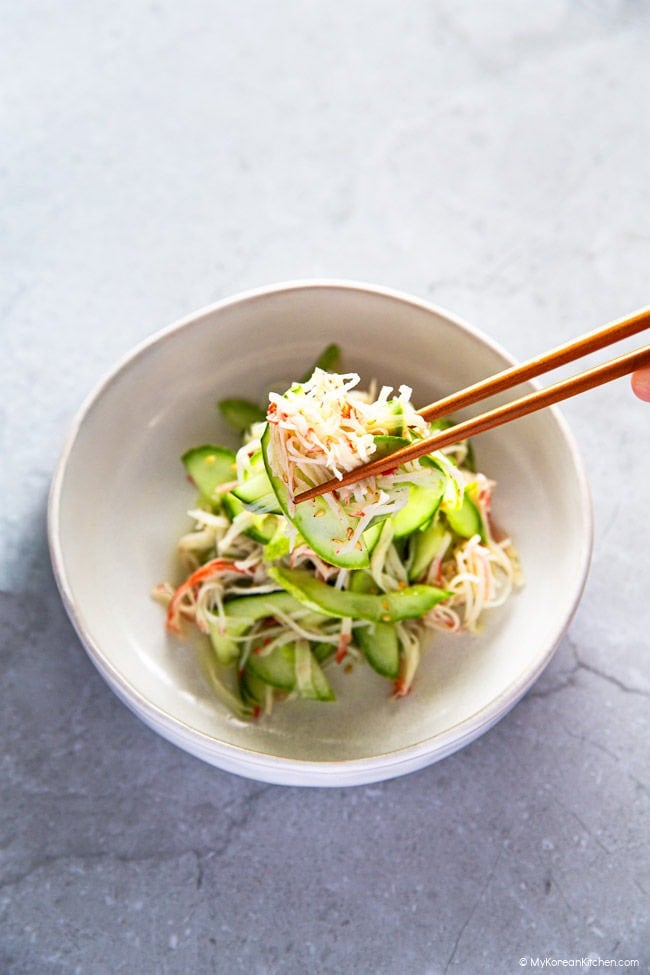
Korean cuisine is renowned for its banchan culture, a system of small side dishes served alongside the main meal. These dishes are integral to the Korean dining experience, offering a diverse range of flavors, textures, and nutritional components. Banchan can range from fermented vegetables like kimchi to seasoned vegetables, stir-fries, and salads. The Korean Cucumber Crab Salad fits perfectly into this tradition, providing a light, cooling counterpoint to richer or spicier main courses. Its simplicity and refreshing quality make it a welcome addition, especially during warmer months or when a lighter meal is desired.
The inclusion of ingredients like cucumbers, a staple in Korean agriculture, underscores the dish’s connection to local produce. Cucumbers have been cultivated in Korea for centuries, valued for their hydrating properties and crisp texture. They are a common ingredient in various Korean dishes, including cold soups, pickles, and salads.
Nutritional Profile and Health Considerations
From a nutritional standpoint, the Korean Cucumber Crab Salad offers a light profile. Cucumbers are primarily composed of water, making them a low-calorie and hydrating vegetable. They provide small amounts of vitamins and minerals, including Vitamin K. Imitation crab, while a processed food, offers protein, though its sodium content can vary depending on the brand. The dressing, with its sugar and vinegar base, contributes carbohydrates and a modest caloric count. The overall nutritional impact is generally favorable for those seeking a light, refreshing, and relatively low-calorie side dish.
The estimated nutritional breakdown per serving (based on an average recipe yielding six portions) typically shows around 78 calories, with approximately 15 grams of carbohydrates, 3 grams of protein, and 1 gram of fat. The sugar content is around 9 grams, largely from the dressing’s sweetener. While generally healthy, individuals mindful of sodium intake should consider the salt content in both the imitation crab and the dressing.
Tips for Optimal Preparation and Enjoyment
To ensure the salad reaches its peak of freshness and crispness, several key tips are recommended:
- Seed Removal: Thoroughly scraping out the cucumber seeds is paramount. This not only reduces water content but also prevents the salad from becoming soggy. A thin, long measuring spoon can be particularly effective for this task.
- Gentle Handling: Overmixing can bruise the cucumbers and break down the delicate crab strands. A gentle toss is sufficient to coat the ingredients, preserving their intended textures.
- Timeliness: The salad is at its best when consumed shortly after preparation. If making ahead, it is advisable to prepare the components separately and combine them just before serving. This preserves the crispness of the cucumbers and the integrity of the crab.
- Ingredient Quality: Opting for higher-quality imitation crab, such as Kraemi, can significantly enhance the overall flavor and texture of the dish. The subtle differences in sweetness and flakiness can elevate the salad from ordinary to exceptional.
Storage Recommendations
While best enjoyed fresh, leftovers can be stored in an airtight container in the refrigerator for up to three days. However, it is important to note that the texture will change over time. The cucumbers will naturally release more moisture and soften, resulting in a less crisp salad. For this reason, consuming the salad within the first day is highly recommended for the optimal experience.
Variations and Pairings
The Korean Cucumber Crab Salad’s versatility allows it to be paired with a wide array of dishes. As a traditional banchan, it complements Korean main courses such as bulgogi (marinated grilled beef), galbi (marinated ribs), bibimbap (mixed rice bowl), and various stews (jjigae). Its refreshing nature also makes it an excellent accompaniment to grilled meats and seafood, providing a palate-cleansing contrast. It can also serve as a light and healthy addition to picnics, potlucks, or as a standalone light meal.
For those looking to experiment, variations can include adding other finely julienned vegetables like carrots or bell peppers for added color and crunch, or a sprinkle of toasted nori (seaweed) for an umami boost. A touch of gochugaru (Korean chili flakes) can be added to the dressing for a subtle hint of heat.
Conclusion
The Korean Cucumber Crab Salad stands as a delightful example of how simple ingredients, thoughtfully prepared, can create a dish that is both nourishing and deeply satisfying. Its crisp textures, bright flavors, and ease of preparation make it a staple in Korean home cooking and a welcome addition to any table seeking a touch of refreshing elegance. As a reflection of Korean culinary traditions, it embodies the principle of balance and harmony, offering a light yet flavorful experience that is easy to love and easy to make again and again.
