
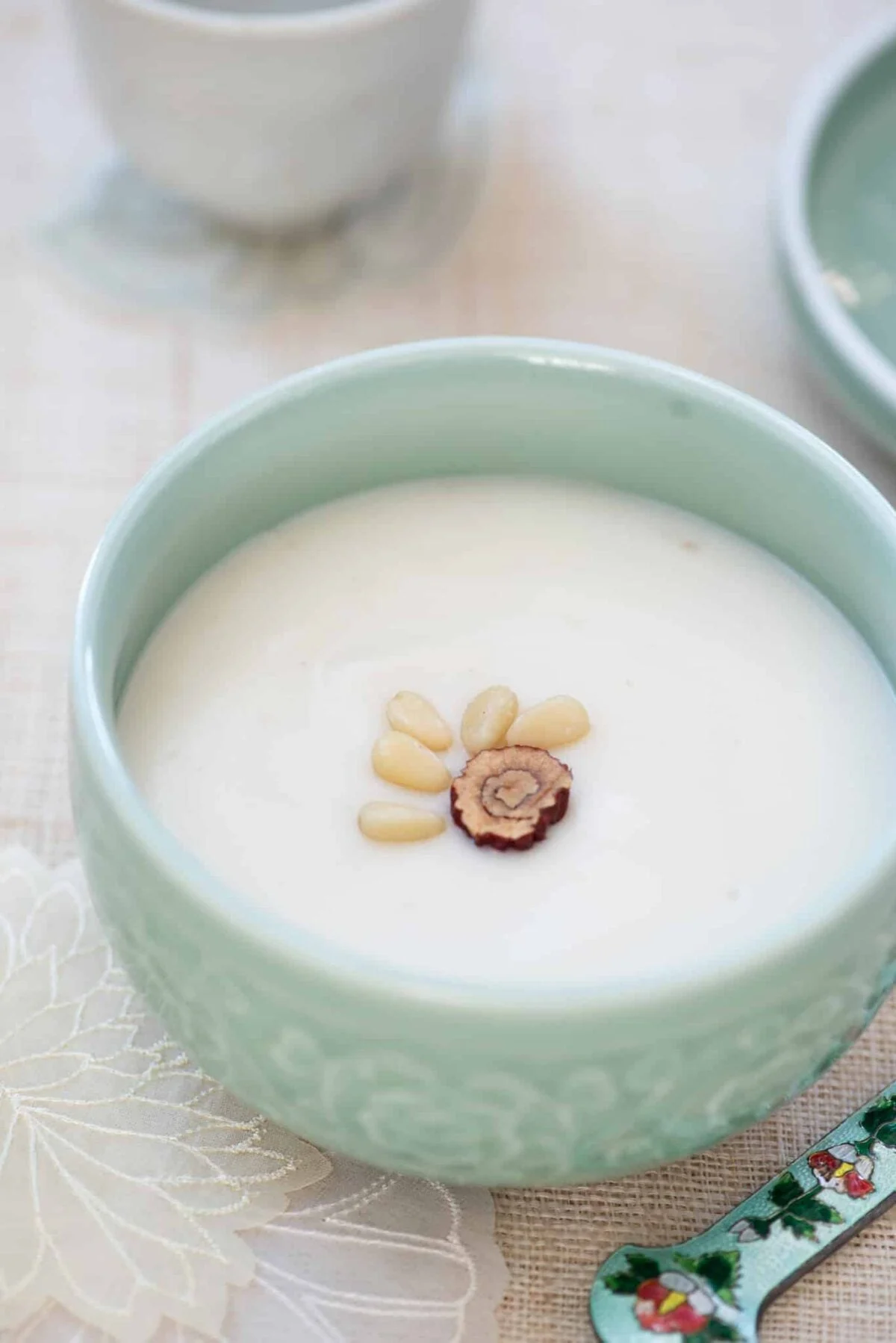
Jatjuk, a cherished Korean delicacy, stands as a testament to the nation’s rich culinary heritage, offering a symphony of creamy textures and subtle nutty flavors. Crafted from finely ground rice and prized pine nuts, this nutritious porridge transcends the realm of mere sustenance, evolving into a comforting staple particularly savored during cooler mornings or times of recuperation. Its gentle nature on the digestive system, coupled with its energy-boosting properties, makes it an ideal choice for those seeking a wholesome and easily digestible meal. The profound nutritional value derived from pine nuts, which are packed with healthy fats, protein, antioxidants, and essential minerals, further elevates jatjuk’s status as a refined dish that has graced Korean tables for generations.
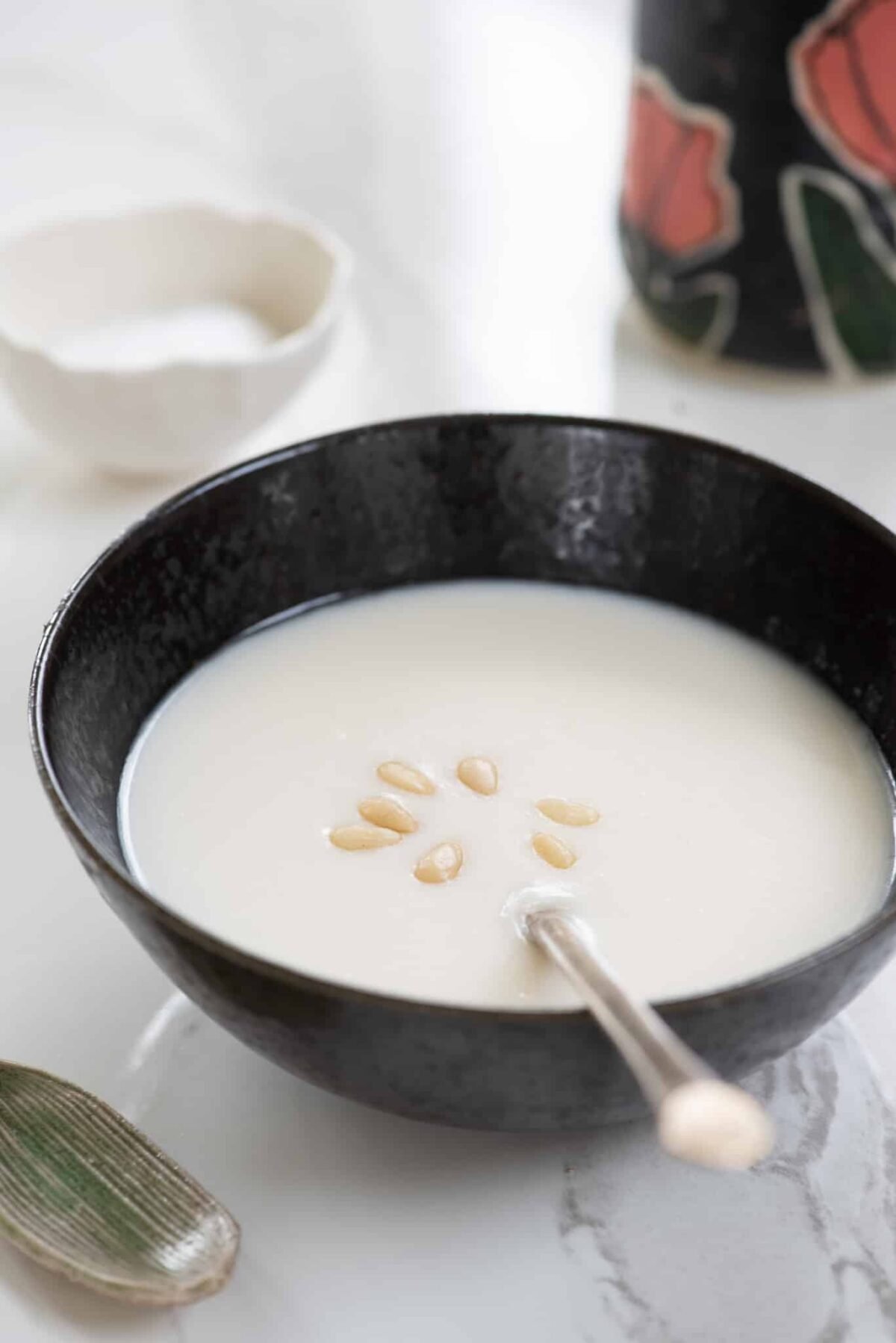
The Significance of Pine Nuts in Korean Cuisine
Pine nuts, known as "jat" in Korean, are not merely an ingredient in jatjuk; they are a cornerstone of Korean gastronomy, lending their distinct flavor and nutritional benefits to a diverse array of dishes. Their inclusion in traditional Korean cuisine dates back centuries, reflecting a deep understanding of their culinary versatility and health-promoting qualities. Beyond their starring role in pine nut porridge, these small, nutrient-dense seeds are frequently employed as a decorative element and a flavor enhancer in various popular Korean preparations.
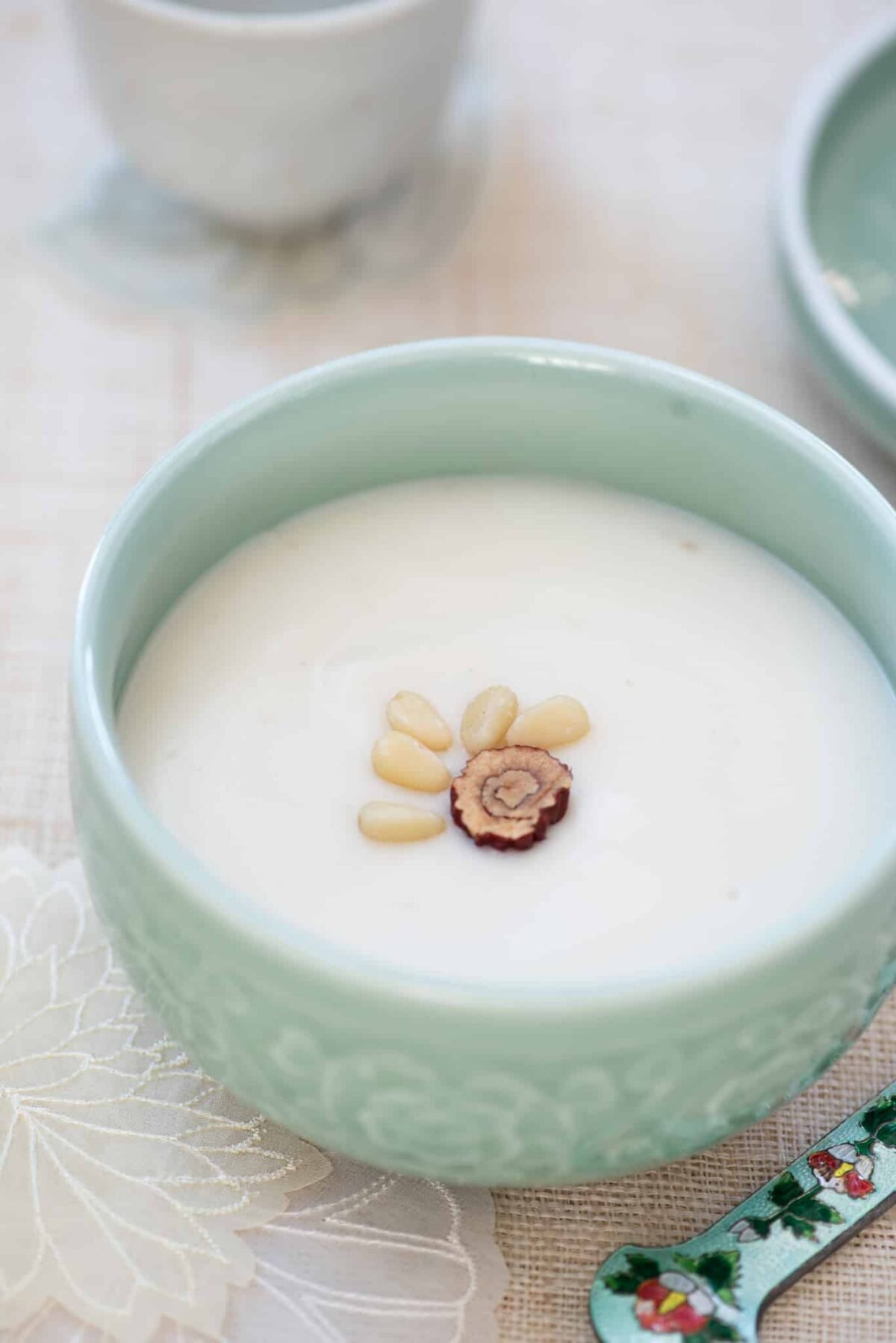
One notable example is Yaksik, a sweet rice dish often prepared for special occasions and holidays. Here, pine nuts are interspersed with dried fruits and nuts, adding a delightful textural contrast and a subtle nutty undertone. In Baek kimchi, a milder, non-fermented version of kimchi, pine nuts can be incorporated to introduce a delicate richness. Sikhye, a traditional sweet rice punch, also sometimes features pine nuts, contributing a nuanced flavor profile to the refreshing beverage. Furthermore, the distinctive taste of pine nuts is harnessed in dressings, such as the pine nut dressing used in salads, and even in hearty noodle soups like Kongguksu (chilled soy milk noodle soup), where they contribute to a creamy and satisfying broth. This widespread use underscores the integral role of pine nuts in creating the complex and harmonious flavors characteristic of Korean food.
The Art and Science of Crafting Jatjuk
The preparation of jatjuk, while seemingly straightforward, involves a nuanced understanding of ingredient interactions and cooking techniques. The fundamental process involves simmering finely ground rice with pine nuts. As these ingredients meld under heat, the starch from the rice and the natural oils from the pine nuts emulsify, culminating in the porridge’s signature velvety, buttery consistency. However, achieving this perfect texture can be a challenge for many home cooks, with the risk of ending up with a watery or clumpy outcome.
A key factor influencing the final consistency of jatjuk is the presence of amylase enzymes within pine nuts. These enzymes have the inherent ability to break down rice starch, which can lead to a thinner, less viscous porridge if not managed correctly. Therefore, mastering the art of jatjuk lies in understanding and mitigating this enzymatic activity through precise cooking methods.
Detailed Preparation and Cooking Methodology
The journey to a perfect bowl of jatjuk begins with the careful preparation of its core components.
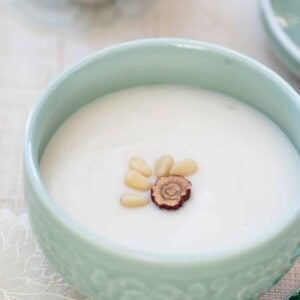
Preparing the Pine Nuts
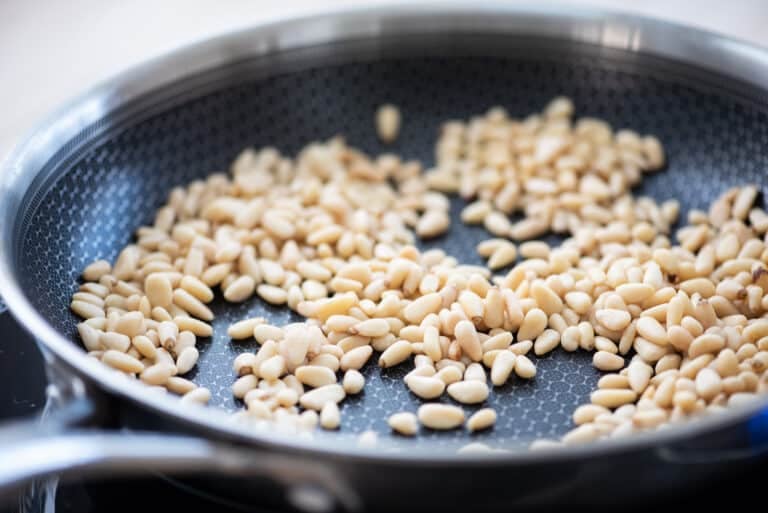
A crucial first step involves the preparation of the pine nuts. They are typically rinsed under cold water to remove any dust or debris. Subsequently, they are lightly toasted in a dry pan over medium-low heat for approximately three to four minutes. This toasting process, while optional for those who prefer a milder flavor, enhances the nutty aroma and depth of the pine nuts without browning them. The aim is to gently awaken their inherent flavors, not to cook them through.
The Rice-to-Pine Nut Ratio
The ratio of rice to pine nuts plays a pivotal role in determining the richness and flavor profile of the jatjuk. A common and recommended ratio is 1:1, which yields a luxuriously nutty and creamy texture. However, this ratio can be adjusted to individual preference. If a less intensely nutty flavor is desired, the quantity of pine nuts can be reduced. Nevertheless, it is advisable to maintain a minimum ratio of at least half the amount of pine nuts to rice to ensure the characteristic buttery creaminess and optimal flavor development. Importantly, even when reducing the pine nut quantity, the amount of water should not be decreased, as it is essential for achieving the correct consistency.

Understanding the Rice-to-Water Ratio
The viscosity and overall consistency of any rice porridge are heavily dictated by the rice-to-water ratio. For many other Korean rice porridges, such as dakjuk (chicken porridge) or jeonbokjuk (abalone porridge), a typical ratio ranges from 1:6, depending on the desired thickness. However, jatjuk requires a significantly different approach. Due to the presence of amylase enzymes in pine nuts, a much lower water content is necessary to achieve the desired thickness. A ratio of 1:3 (rice to water) is generally recommended for jatjuk.
The Blending Process
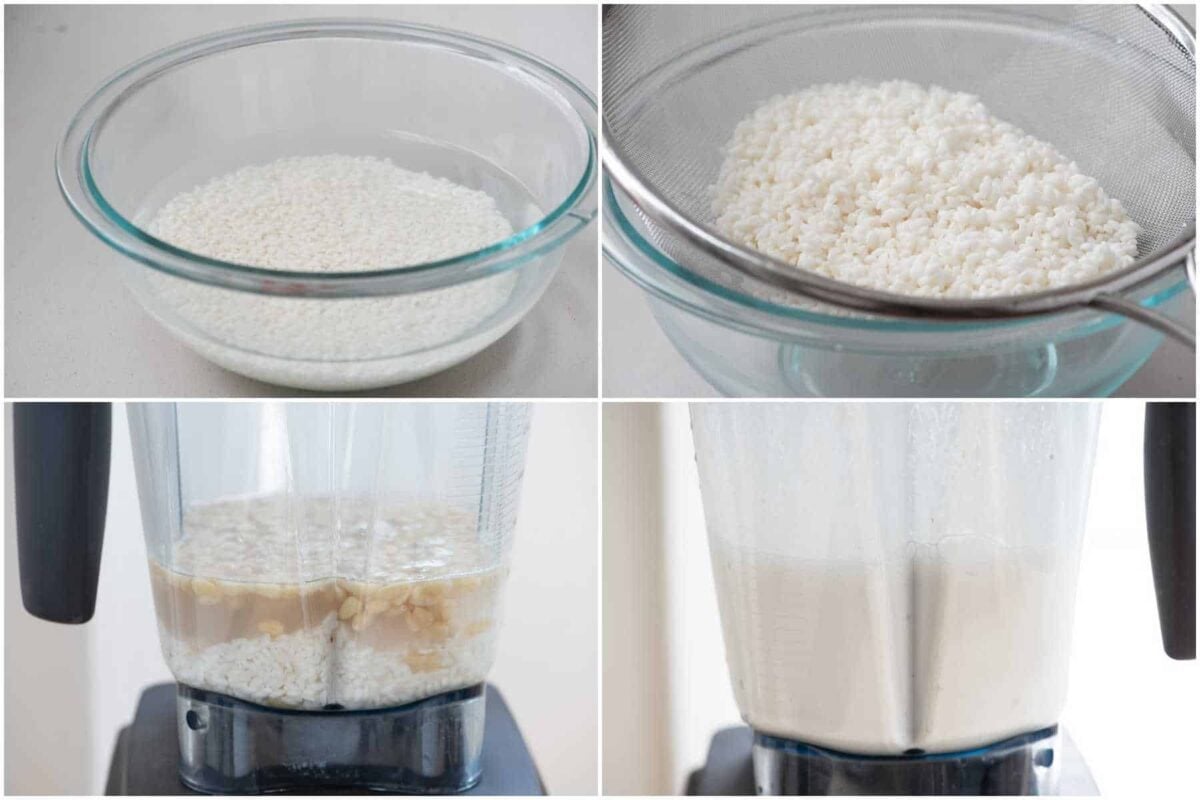
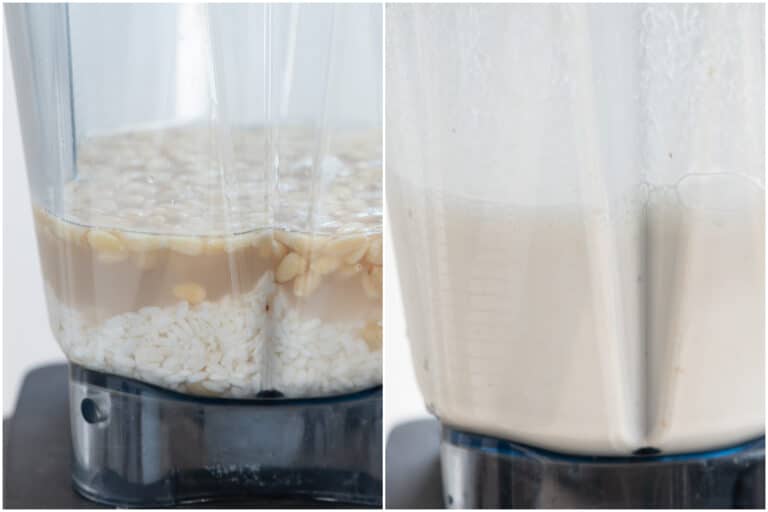
The preparation of the rice begins with rinsing it thoroughly and then soaking it for at least an hour, or even longer. Once soaked, the rice is drained. In a blender, the soaked rice and prepared pine nuts are combined with approximately two cups of water. The mixture is then blended until it achieves a milky, smooth consistency, which typically takes about 30 seconds, though this can vary depending on the power of the blender. To ensure no precious ingredients are wasted, the remaining water is used to rinse out any residual mixture from the blender and added to the pot.
The Cooking Phase: Patience and Precision
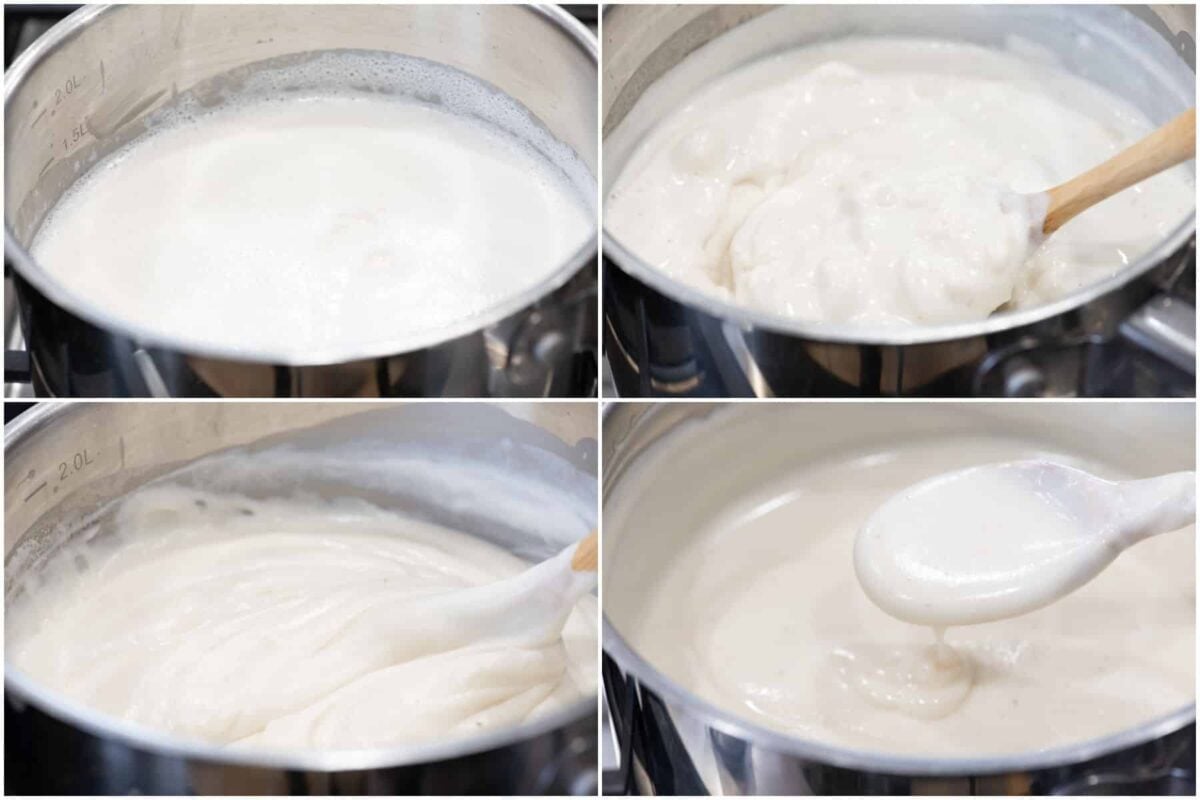
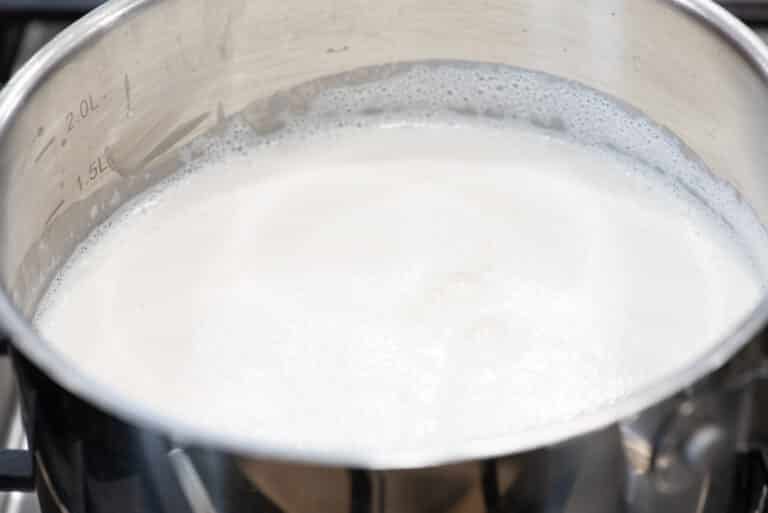
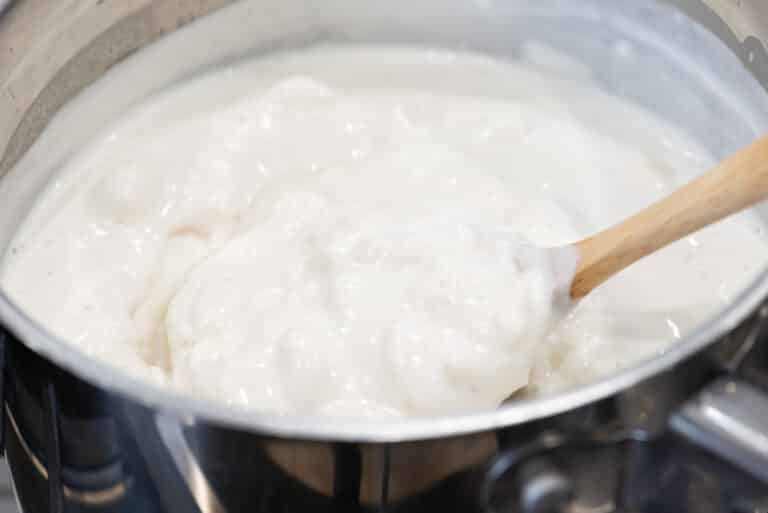
The cooking of jatjuk is where the true magic unfolds, requiring both attention and a degree of patience. The blended mixture is transferred to a pot and cooked over medium heat. It is crucial to stir gently but frequently, ensuring the mixture is scraped from the bottom to prevent sticking. Initially, the porridge may appear to thicken and clump. However, as it continues to simmer, it will gradually transform into a smooth, thin consistency.
While the finely pureed rice cooks relatively quickly, the simmering process itself is vital. It is imperative to allow the jatjuk to simmer for an extended period, ideally over 20 minutes for this recipe. This prolonged cooking time serves two critical purposes: it ensures the development of a smooth, velvety texture and, more importantly, it denatures the amylase enzymes present in the pine nuts. Failure to simmer sufficiently can result in the porridge thinning out and becoming watery as it cools or sits after cooking, negating the careful efforts put into its preparation.
Storage and Reheating: Preserving the Comfort
Jatjuk is a versatile dish that can be prepared in advance and enjoyed over several days. When stored properly in an airtight container in the refrigerator, it can remain fresh for four to five days. For longer-term preservation, jatjuk freezes exceptionally well.
Reheating is a simple process that can be done either on the stovetop or in the microwave. When reheating, it is essential to heat the porridge until it is thoroughly hot but to avoid bringing it to a boil. Boiling can disrupt the delicate emulsion of starch and oils, potentially leading to a runny consistency and diminishing the desirable creamy texture.
A Legacy of Comfort: Jatjuk in Korean Culture
The tradition of consuming porridge, known as "juk" in Korean, is deeply ingrained in the country’s culinary history. Juk is more than just a meal; it is often associated with nourishment, recovery, and comfort. Historically, juk has been a staple food for the sick, the elderly, and infants due to its easy digestibility and nutrient-rich profile. Different types of juk are prepared using various ingredients, each offering a unique set of flavors and health benefits.
Dakjuk, made with chicken, is often consumed to build strength and aid recovery. Jeonbokjuk, featuring abalone, is renowned for its purported restorative properties. Hobak juk, a sweet pumpkin porridge, is a popular dessert or breakfast item, particularly during autumn. Patjuk, a red bean porridge, is traditionally eaten on the winter solstice to ward off evil spirits and bring good luck. The inclusion of jatjuk within this esteemed lineage highlights its cultural significance as a dish that not only satisfies the palate but also nourishes the body and spirit.
The widespread appeal of jatjuk is a testament to its balanced nutritional profile and its comforting, sophisticated flavor. As a dish that can be enjoyed for breakfast, as a light meal, or as a restorative food, it continues to hold a special place in the hearts and kitchens of Koreans, embodying a culinary tradition that prioritizes health, flavor, and enduring comfort. The careful balance of simple ingredients, combined with a thoughtful approach to preparation, transforms humble rice and pine nuts into a dish of remarkable depth and satisfying richness.
