

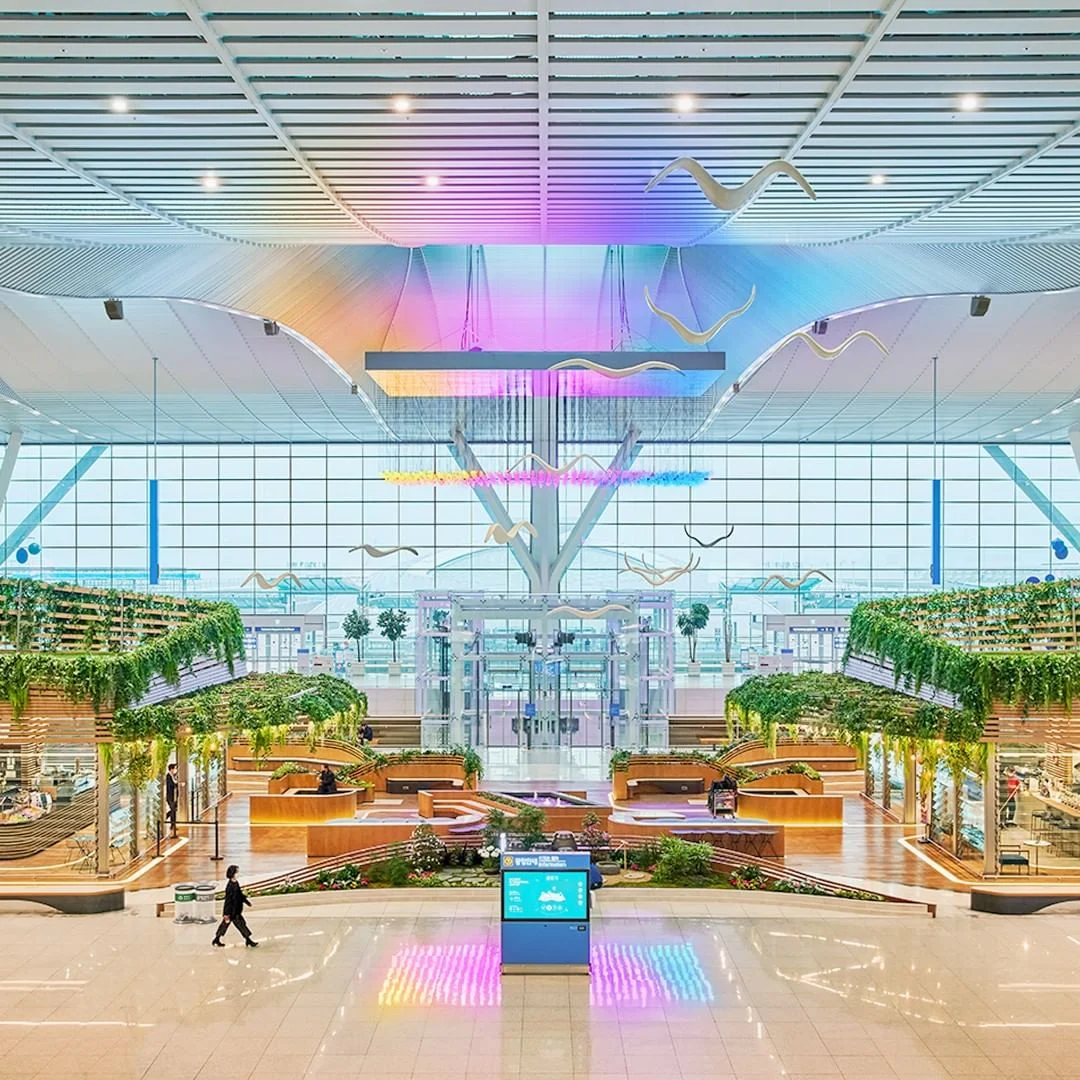
As international travel corridors continue to reopen, South Korea has emerged as a premier destination for global tourists seeking to reconnect with the country’s vibrant culture, cuisine, and landscapes. However, the path to Incheon International Airport is no longer defined solely by flight schedules and hotel bookings. In response to the ongoing global health landscape, the South Korean government, under the guidance of the Korea Disease Control and Prevention Agency (KDCA), has instituted a comprehensive framework of border security measures designed to balance the revitalization of the tourism industry with the imperative of public health safety. For prospective travellers, understanding these protocols is not merely a logistical necessity but a fundamental requirement for entry.

The current regulatory environment represents a significant evolution from the stringent border closures that characterized the height of the global pandemic. Throughout 2020 and 2021, South Korea maintained some of the most rigorous quarantine and entry requirements in the world. By early 2022, however, the government began a phased recalibration of these policies. The transition reflects a broader global shift toward living with endemic Covid-19, with authorities moving away from blanket bans toward risk-based management strategies. This shift has been marked by the introduction of the Q-CODE system, the expansion of the Korea Electronic Travel Authorization (K-ETA) program, and a move toward accepting supervised Antigen Rapid Tests (ART) in addition to traditional PCR methods for specific cohorts.
Pre-Departure Requirements and Testing Protocols
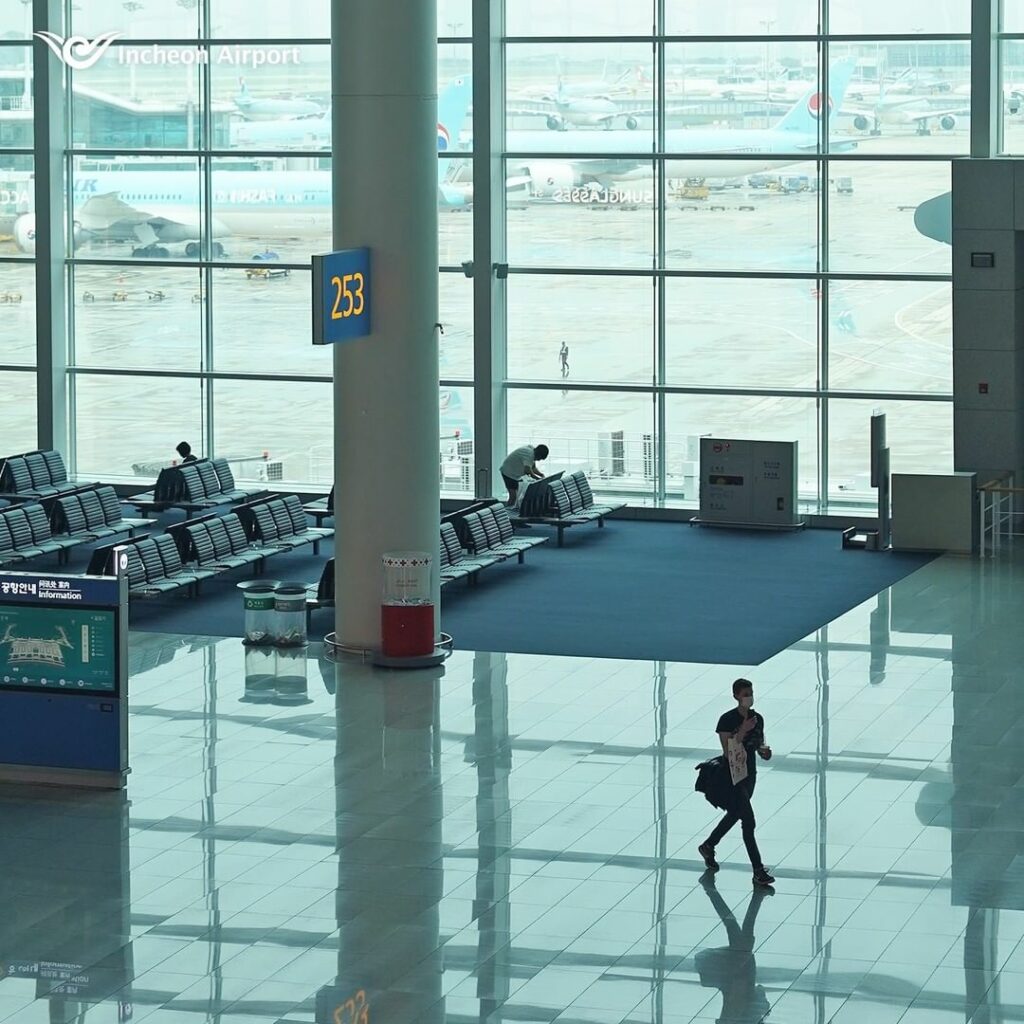
The cornerstone of South Korea’s current border policy is the verification of a traveller’s Covid-19 status prior to boarding any international flight. As of late May 2022, the standard requirement mandates that all incoming travellers present a negative result from a professionally administered test. Specifically, a PCR test must be performed and a certificate issued within 48 hours of the departure date. For eligible countries, a supervised Antigen Rapid Test (ART) is accepted, provided it is taken and documented within 24 hours of the flight.
It is critical for travellers to note that self-administered tests are strictly prohibited and will result in the immediate denial of boarding or, in some cases, deportation upon arrival. Documentation must be presented in either English or Korean. If a traveller’s home country issues test results in another language, an official, notarized translation is required. The certificate must clearly state the traveller’s name, birth date, passport number, the date and method of testing, and the test result.
Failure to produce these documents upon arrival at Incheon leads to severe consequences. Travellers without valid documentation are subject to immediate transfer to a government-designated quarantine facility at their own expense, where they will remain until they can provide satisfactory medical clearance. This policy serves as a significant deterrent against non-compliance and underscores the government’s commitment to preventing imported infections.
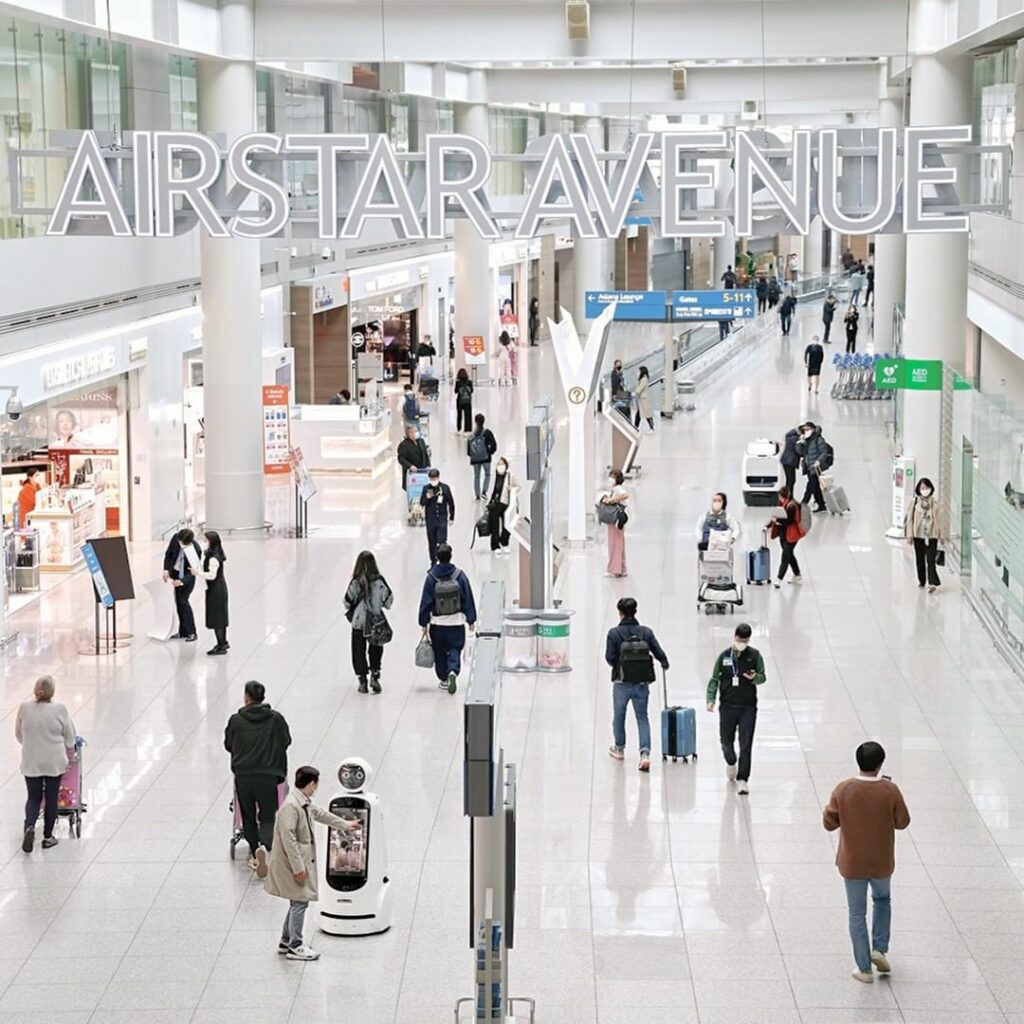
The Digital Infrastructure: Q-CODE and K-ETA
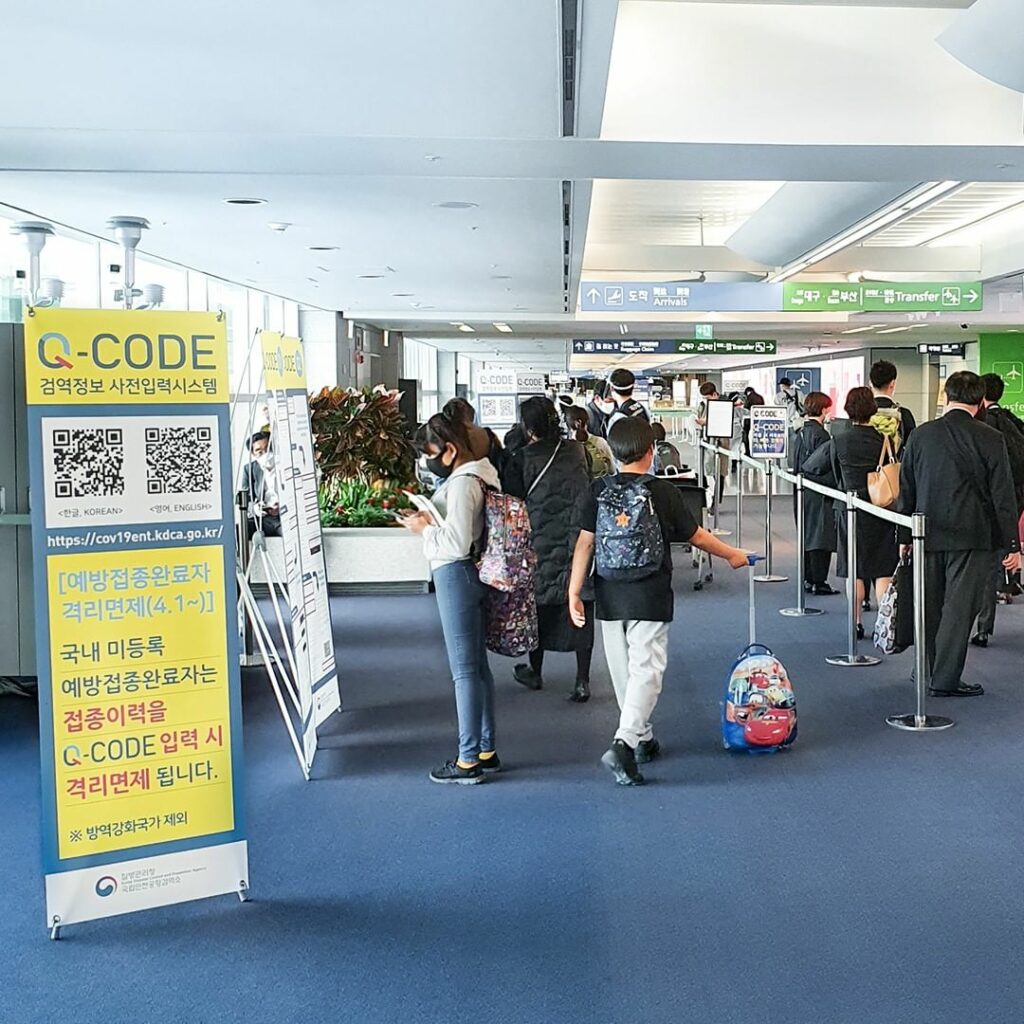
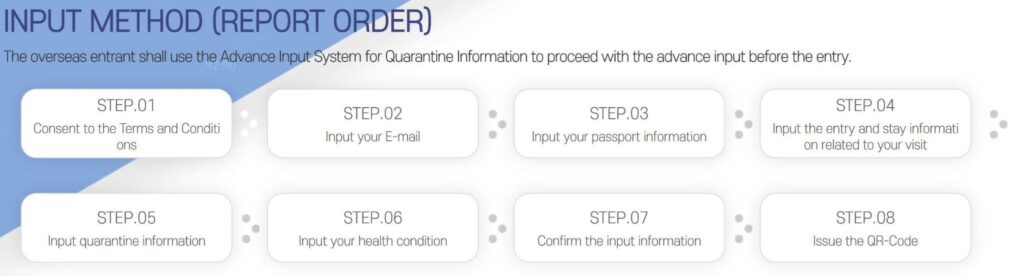
To streamline the influx of arrivals, the KDCA has implemented the Quarantine Covid-19 Defence (Q-CODE) system. This digital platform is designed to minimize physical contact and reduce processing times at the airport. Before departure, travellers are required to input their personal identification, travel history, and health status into the online portal. Upon successful submission, the system generates a unique QR code, which serves as the traveller’s digital health passport. While this does not replace the need for physical copies of test results, it significantly accelerates the triage process at the quarantine checkpoint.
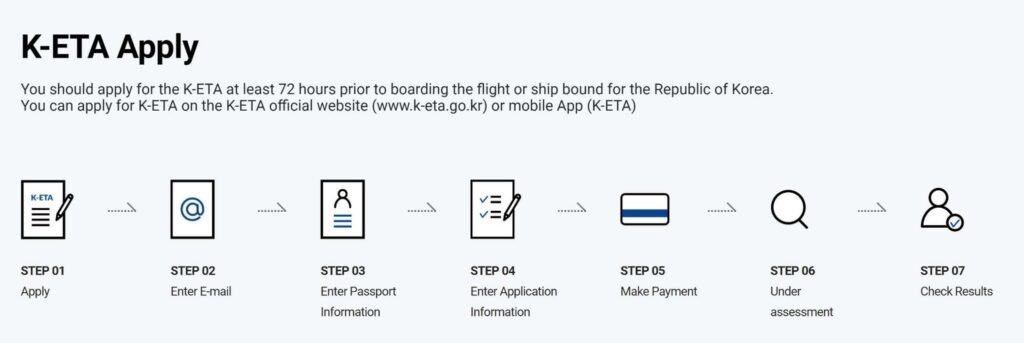
Parallel to health requirements is the K-ETA, or Korea Electronic Travel Authorization. This program is mandatory for nationals from countries that benefit from the visa-waiver agreement with South Korea. By digitizing the entry process, the government has been able to manage immigration flows more efficiently. The application must be completed at least 72 hours before boarding. As of April 2022, the number of eligible countries for the K-ETA program was expanded to 96, signaling a significant push by the Ministry of Justice to facilitate tourism. The application fee of KRW 10,000 is non-refundable, and the authorization is valid for multiple entries over a two-year period, provided there are no changes to the traveler’s core personal information.

Post-Arrival Procedures and On-Ground Testing
Once a traveller clears the initial health and immigration checkpoints, the process of navigating the country begins. As of June 1, 2022, the government adjusted the post-arrival testing timeline, now requiring a PCR test within three days of arrival. These tests are conveniently located at the airport or at designated testing centers, such as those operated by the Korean National Tuberculosis Association (KNTA).
The integration of the local mobile network is vital at this stage. A Korean SIM card is highly recommended, as test results are frequently transmitted via SMS or email, and a local number is often required for official registration at various service points. The cost of a PCR test at the airport is approximately KRW 80,000, while off-site facilities may offer slight discounts.

Transportation and Accessibility
The suspension of exclusive quarantine transportation services—such as designated shuttle buses and private-hire quarantine taxis—marks a return to normalcy for the South Korean transport sector. Since April 2022, public transportation, including the Airport Railway Express (AREX), city buses, and regular taxis, is fully accessible to all international arrivals.
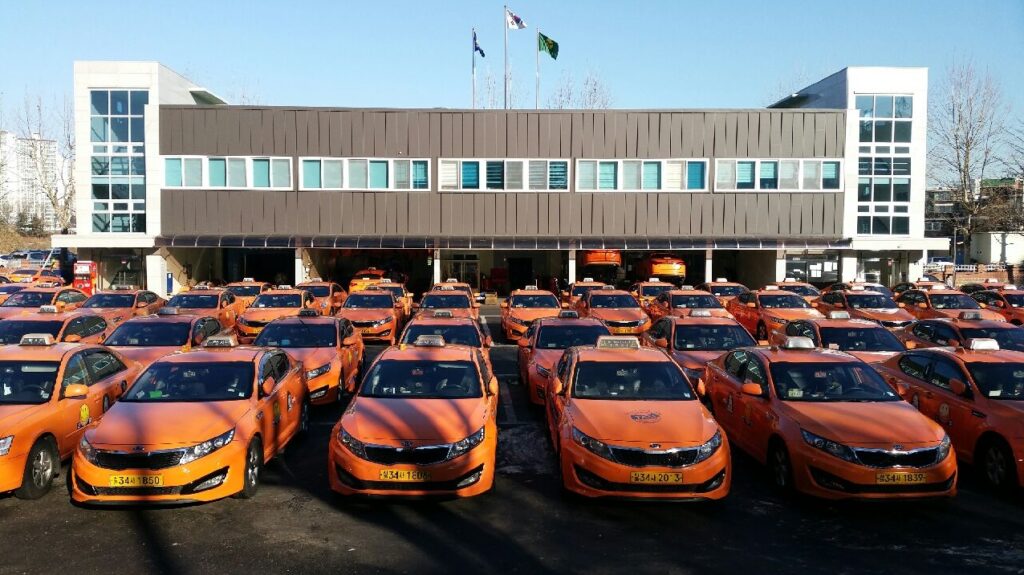
The AREX, which connects Incheon International Airport to Seoul Station, remains the most efficient transit method. The service is divided into "Express" and "All-stop" trains. The Express train, which provides a non-stop journey of roughly 45 minutes, is ideal for travelers heading directly to the city center. Conversely, the All-stop train serves the wider metropolitan area and is more cost-effective for those staying in regional districts. Taxi services are similarly robust, categorized into regular, first-class, and international taxis. The latter, specifically designated to provide multilingual support, is a preferred option for foreign tourists who may require assistance navigating their way to their accommodation.

Public Health and Daily Life in South Korea
Once settled, travellers will find that South Korea’s internal measures have been significantly relaxed. The midnight business curfews and restrictions on private gatherings were lifted in April 2022, allowing the return of pre-pandemic nightlife and cultural activities. Furthermore, the consumption of food in cinemas and indoor public facilities is once again permitted.
Despite this liberalization, the "mask-wearing culture" remains a cornerstone of the country’s public health strategy. Masks are mandatory on all public transport and in crowded indoor settings. While the requirement to scan QR codes upon entry to restaurants and attractions has been abolished, individual business owners reserve the right to enforce temperature checks or sanitization protocols.
For the unvaccinated, the landscape remains more restrictive. Those unable to receive a vaccine due to documented medical conditions must still undergo a mandatory one-week quarantine in a government-monitored facility, with all associated costs borne by the individual. This underscores the government’s continued focus on protecting its population from variants, particularly among those who lack the immunological protection afforded by vaccination.
The Economic and Social Implications of Reopening
The decision to reopen borders and simplify entry requirements is a calculated move to salvage the domestic tourism industry, which suffered significant losses between 2020 and 2022. According to industry analysts, the return of international tourists is expected to bolster the retail, hospitality, and aviation sectors, which contribute a substantial portion to South Korea’s GDP.

However, the government’s approach is not without its critics. Some health experts have argued that the rapid relaxation of entry requirements could risk the importation of new variants. The KDCA has countered these concerns by maintaining a flexible, data-driven approach, reserving the right to re-implement stricter controls should local infection rates spike or if international health indicators shift.
For the traveller, the message is clear: the era of "spontaneous travel" is still in a transitional phase. Success in navigating a trip to South Korea in 2022 relies heavily on preparation, digital literacy regarding the K-ETA and Q-CODE systems, and a strict adherence to the remaining health mandates. By following these guidelines, visitors can ensure that their experience in Korea is as seamless as it is memorable. As the nation continues to welcome back the world, the resilience of its tourism infrastructure, combined with the cooperation of global travelers, will define the next chapter of international travel in the post-pandemic age.
