

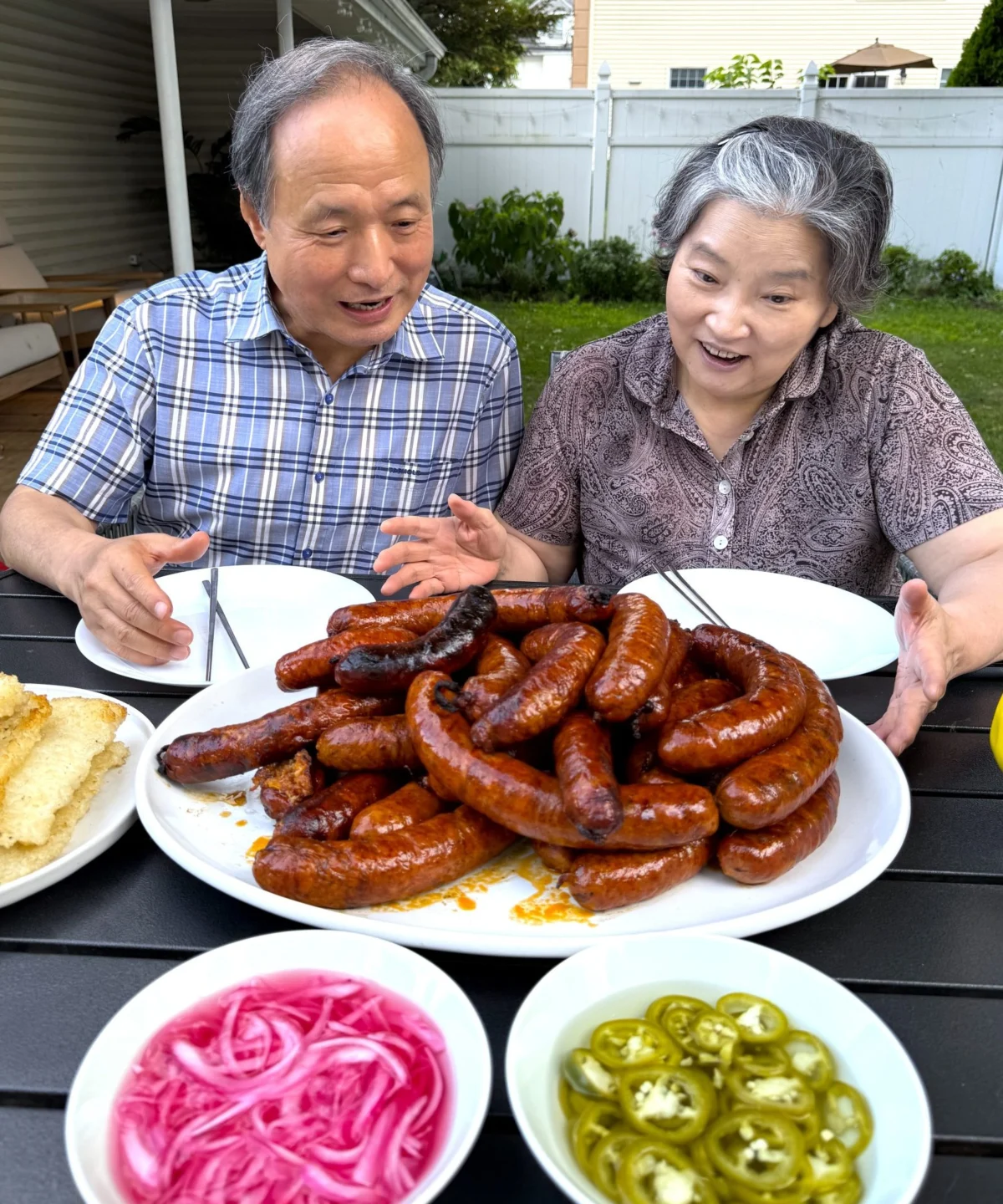
The intersection of culinary tradition and modern outdoor cooking technology has reached a new milestone with the development of the kimchi cheese sausage, a dish that bridges the gap between traditional Korean flavor profiles and the artisanal craft of American-style charcuterie. By leveraging advanced pellet-grilling technology, culinary enthusiasts are now able to replicate professional-grade smoking techniques at home, resulting in a product that balances complex fermentation with high-heat searing.
The Evolution of Homemade Charcuterie
Sausage making is a time-honored practice that has been refined over centuries across various cultures. In Korea, while sausages are not a traditional staple in the same vein as kimchi or bulgogi, they have grown significantly in popularity since the mid-20th century. The integration of kimchi—a staple side dish made of fermented cabbage and chili peppers—into Western-style sausage casings represents a significant evolution in fusion cuisine.
The process of creating these sausages requires a deep understanding of protein chemistry, moisture control, and the delicate balance of spices. The inclusion of cheese adds a layer of complexity; the cheese must possess a high melting point to ensure it remains distinct within the meat matrix during the high-heat cooking process. When combined with the acidity of fermented kimchi and the heat of chili peppers, the result is a balanced, multi-dimensional flavor profile that appeals to both traditional and adventurous palates.
Chronology of the Production Process
The production of these artisanal sausages is a labor-intensive endeavor that demands patience and precise environmental control. Based on the documented methodology, the timeline for crafting these sausages spans approximately 19 hours, divided into distinct phases:
- Dry Brining (12 Hours): The initial phase involves the curing of the meat, allowing salt and spices to penetrate the protein fibers. This step is critical for texture and preservation.
- Preparation and Filling (2 Hours): The meat mixture is combined with the fermented kimchi and high-melt cheese, then stuffed into natural or synthetic casings. Proper hydration and aeration are essential during this stage to ensure consistent texture.
- Smoking and Grilling (5 Hours): The final stage utilizes a wood-pellet grill, specifically the Weber Searwood model, to impart a deep, wood-fired flavor while maintaining an even internal temperature.
This extended timeline underscores the shift toward "slow food" practices, where the time invested in preparation and cooking is viewed as a vital component of the final product’s quality.
Technological Advancements in Home Smoking
The use of the Weber Searwood Wood Pellet Grill/Smoker reflects a broader trend in the home-cooking sector: the democratization of professional-grade culinary tools. Wood pellet grills have transformed how domestic users approach low-and-slow cooking, providing precise digital temperature control and efficient smoke circulation.
According to product specifications, the Searwood grill is designed to maintain consistent heat levels—a critical requirement when smoking sausages. If the temperature fluctuates significantly, the fat within the sausage can render prematurely, leading to a dry and crumbly texture. By utilizing apple wood pellets, the grill imparts a mild, sweet smoke flavor that complements the sharp, spicy notes of the kimchi without overwhelming the palate. The "sear" capability of this specific unit allows for a final crust development, locking in the juices and providing the characteristic snap of a high-quality sausage.
Flavor Profile and Culinary Implications
The flavor profile of a kimchi cheese sausage is defined by a trifecta of tastes: the umami of the meat, the acidic fermentation of the kimchi, and the creamy salinity of the cheese. From a nutritional and culinary standpoint, the inclusion of kimchi adds probiotics and fiber, although the fermentation process is largely altered by the cooking heat. The chili peppers provide a moderate heat index, which acts as a palate cleanser, preventing the richness of the cheese and the fat from becoming cloying.
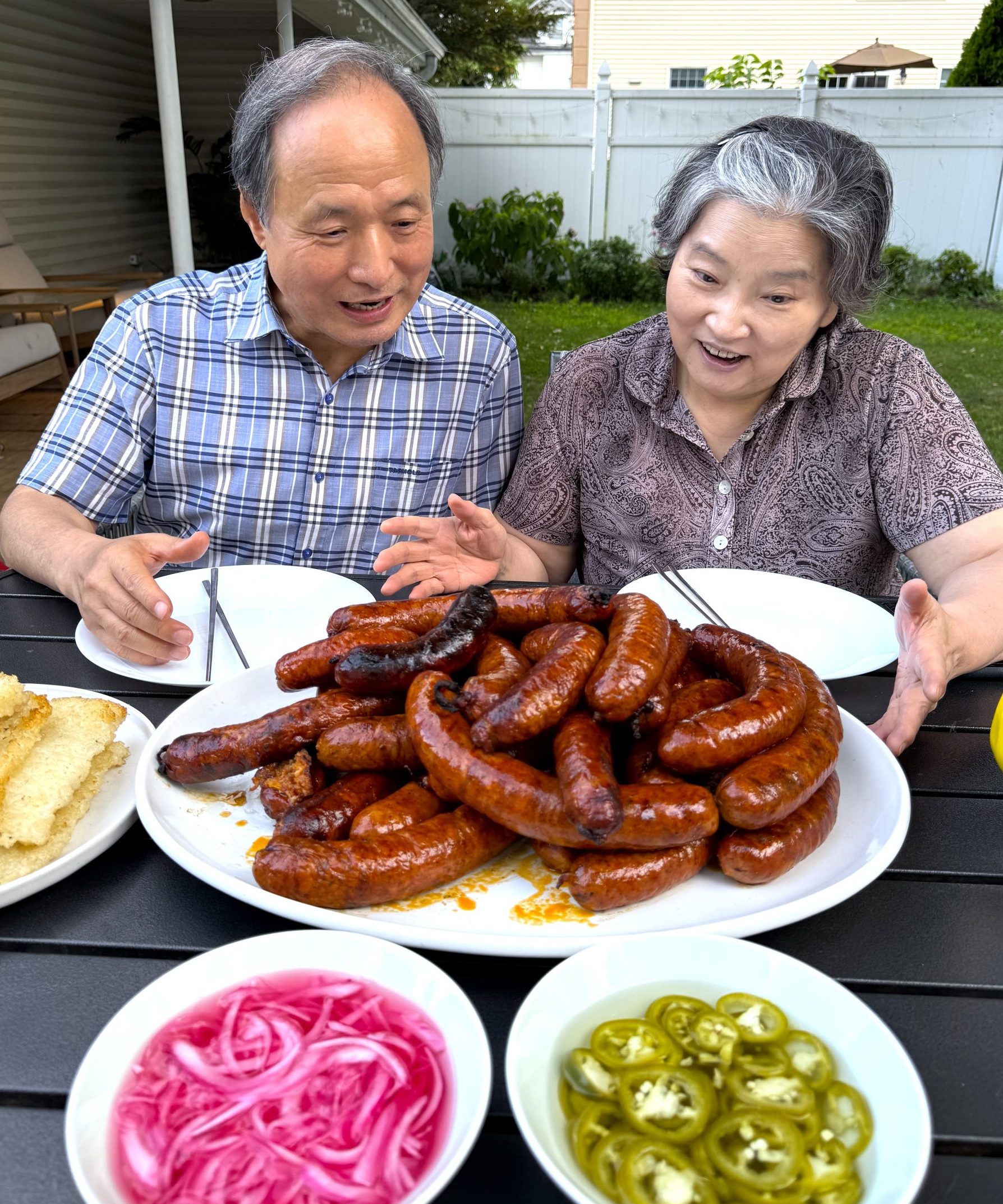
Culinary analysts note that such fusion dishes often signify a shift in domestic consumption patterns. As home cooks become more comfortable with complex techniques like grinding meat and casing sausages, they are increasingly looking for ways to personalize their recipes. The ability to control the quality of the pork, the level of fermentation in the kimchi, and the specific type of cheese used allows for a level of customization that is rarely found in mass-produced retail products.
Broader Impact on the Home-Cooking Industry
The rise of artisanal, fusion-style home cooking has been supported by the growth of online communities and digital resources that share detailed methodologies. The documentation of the kimchi cheese sausage process highlights a growing preference for transparency in ingredient sourcing and a desire to master artisanal skills.
Market data suggests that the outdoor cooking appliance industry is seeing a surge in demand for versatile equipment. Consumers are no longer satisfied with simple charcoal or gas grills; there is an increasing preference for units that offer dual functionality—specifically, the ability to smoke and sear. This trend is driven by a younger demographic of food enthusiasts who view cooking as a hobby rather than a chore.
Furthermore, the integration of traditional ethnic ingredients into Western culinary staples like sausages is a testament to the ongoing globalization of the kitchen. As these flavors become more mainstream, the industry is likely to see an increase in pre-mixed seasoning kits and specialized equipment designed to handle non-traditional fillings like kimchi or pickled vegetables.
Expert Analysis and Future Outlook
From a professional culinary perspective, the success of the kimchi cheese sausage lies in the adherence to fundamental sausage-making principles, such as keeping the meat cold during the grinding process and ensuring the proper fat-to-lean ratio. The addition of moisture-rich ingredients like kimchi requires careful calibration; if the kimchi is not sufficiently drained, the excess water can interfere with the structural integrity of the sausage.
Looking forward, the trend of fusion charcuterie is expected to expand. As consumers continue to seek out "flavor explosions"—a term frequently used by culinary influencers to describe complex, high-impact taste profiles—we may see an increase in experimentation with fermented ingredients, ranging from miso and gochujang to sauerkraut and various regional hot sauces.
The professionalization of the home kitchen, supported by high-performance equipment like the Weber Searwood, has essentially removed the barrier to entry for techniques that were once the exclusive domain of butchers and professional chefs. Whether this leads to a permanent change in the American culinary landscape remains to be seen, but the current enthusiasm for projects such as the kimchi cheese sausage indicates a significant and sustained interest in the artisanal production of food at home.
By combining the rigor of a 19-hour preparation process with the technological reliability of modern wood pellet smokers, home cooks are successfully reinterpreting traditional methods for the modern era. This evolution not only serves as a creative outlet for the cook but also contributes to the broader diversification of the home-prepared meal, ensuring that the legacy of sausage making remains vibrant and relevant for new generations.
