

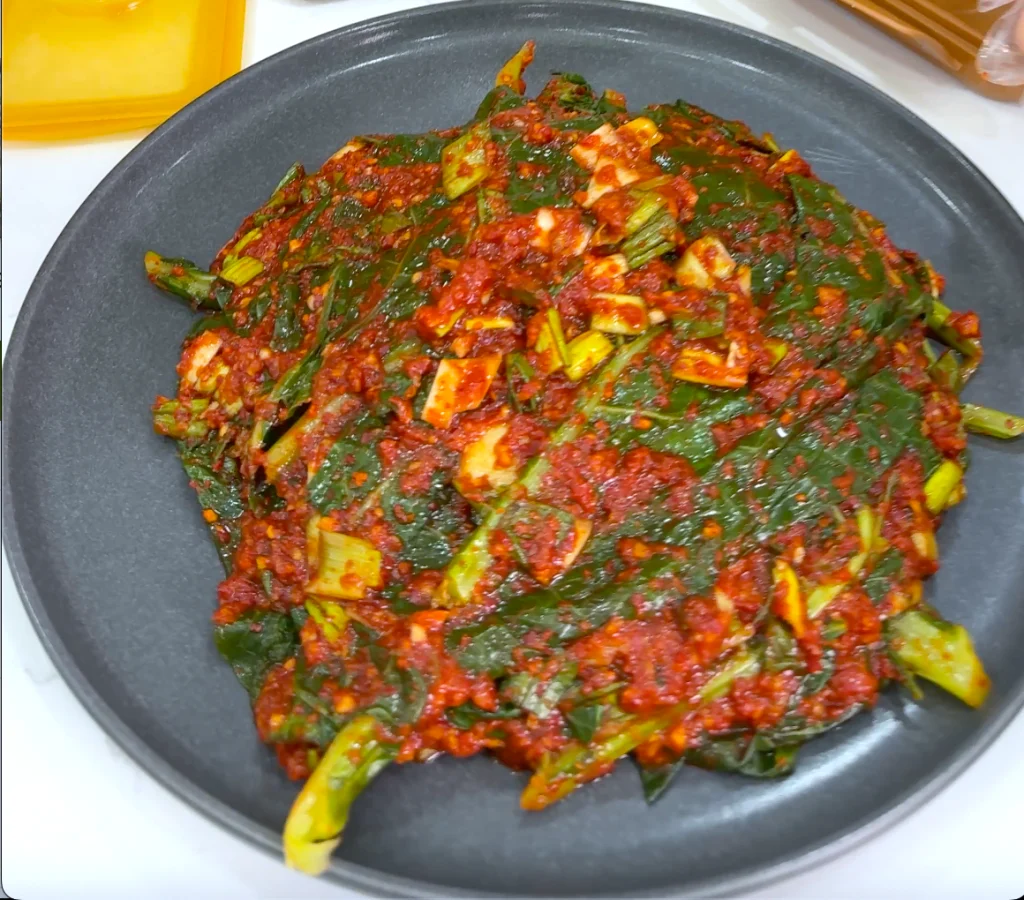
The integration of non-native vegetables into the traditional Korean culinary practice of kimchi-making marks a significant evolution in fusion gastronomy. While kimchi is historically rooted in the use of napa cabbage, radishes, and cucumbers, the recent successful adoption of collard greens demonstrates a versatile application of ancient fermentation techniques. By leveraging the specific structural properties of collard leaves, practitioners have developed a method that mimics the preparation of perilla leaf kimchi, resulting in a dish that has garnered positive reception for its flavor profile and nutritional density.
The Historical and Cultural Context of Kimchi Fermentation
Kimchi, a staple in Korean cuisine, is defined by the process of lacto-fermentation. Historically, this preservation method was developed to ensure vegetable consumption throughout the harsh winter months on the Korean peninsula. The process involves brining vegetables to draw out moisture, followed by the application of a seasoning paste rich in aromatics such as garlic, ginger, green onions, and gochugaru (Korean red pepper flakes). The inclusion of fermented seafood, such as salted shrimp or anchovy fish sauce, provides the necessary amino acids to facilitate the growth of Lactobacillus bacteria, which are responsible for the distinctive tang and preservation of the final product.
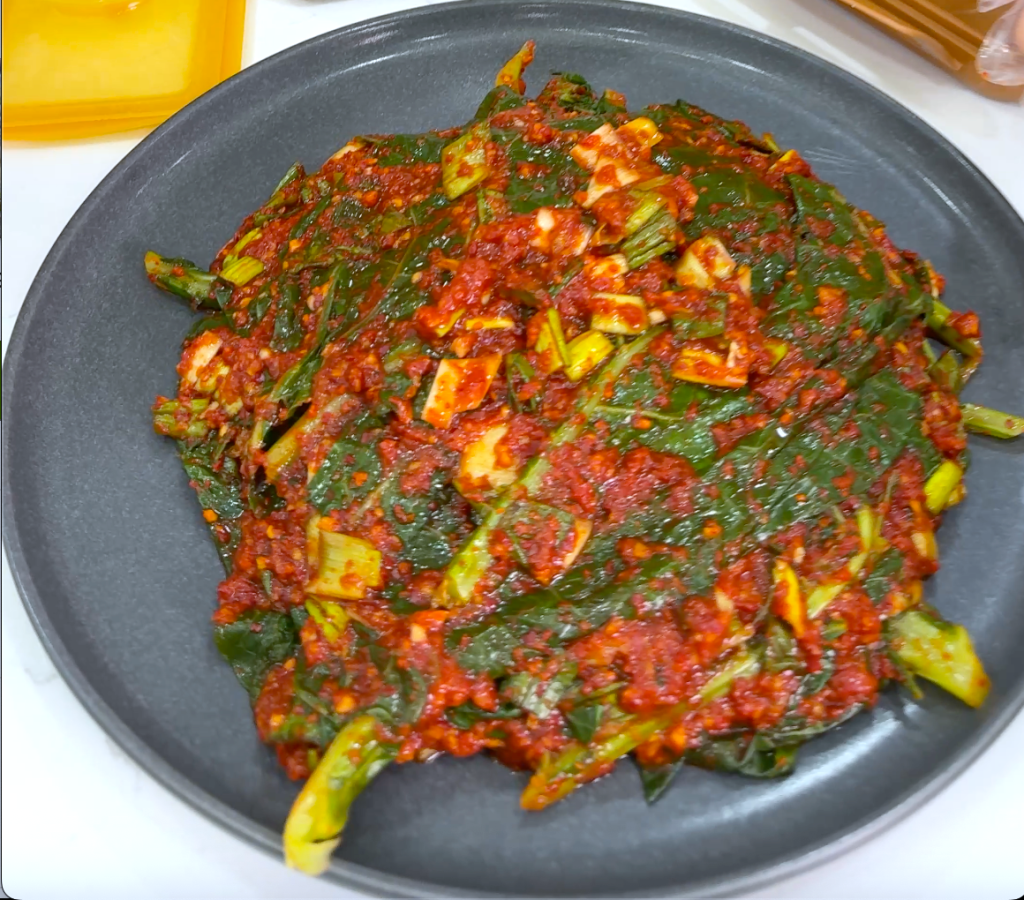
While the primary ingredient for most traditional kimchi is Brassica rapa subsp. pekinensis (napa cabbage), the practice of making kimchi from diverse leafy greens is well-documented. Perilla leaf kimchi, or Kkaennip-kimchi, utilizes a similar layering technique to the one now being applied to collard greens. The shift toward using collard greens—a vegetable native to the Mediterranean and popularized in the Southern United States—represents a cross-cultural culinary bridge. This adaptation is not merely a matter of convenience; it is an exploration of texture and nutrient absorption within the fermentation framework.
Chronology and Methodology of Preparation
The preparation of collard green kimchi follows a structured, multi-stage timeline totaling approximately three hours, excluding the optional maturation period. The procedure begins with the selection of high-quality, fresh collard greens. Unlike the thick-stalked napa cabbage, which requires extensive dry brining to soften its cellular structure, collard greens are relatively thin, allowing for a more delicate approach.
The methodology proceeds as follows:

- Sweet Flour Paste Formulation: This component acts as a carbon source for the fermentation process. A base of sweet rice flour (or standard wheat flour) is cooked into a paste, which serves as a binder for the seasonings and a fuel source for beneficial bacteria.
- Blanching Process: Because collard greens have a robust fibrous structure, they require a brief blanching period rather than traditional brining. This softens the leaves sufficiently to allow for the absorption of seasoning without compromising their structural integrity. Over-blanching is avoided to prevent the leaves from tearing during the layering process.
- Seasoning Application: The seasoning paste, composed of gochugaru, garlic, ginger, and fermented shrimp or anchovy extract, is applied to the leaves. Culinary experts suggest allowing the seasoning to sit for 30 minutes post-preparation to ensure the vibrant color of the pepper flakes is fully extracted.
- Layering and Fermentation: The leaves are often layered and coated, then placed in a dedicated fermentation vessel. These containers, often equipped with vacuum-sealing technology, are essential for maintaining the anaerobic environment required for optimal lacto-fermentation.
Comparative Analysis of Ingredients
The shift toward using collard greens necessitates an understanding of how these ingredients interact with traditional seasonings. One of the most critical elements in the process is the quality of the coarse sea salt used during the initial stages. The mineral content of Korean sea salt, particularly from regions like Sinan Island, is noted for its ability to enhance the crispness of vegetables without causing them to become mushy.
Furthermore, the substitution of fermented shrimp (saeu-jeot) with anchovy fish sauce provides a point of analysis for those seeking vegan alternatives or working with limited regional ingredients. The standard substitution ratio—two tablespoons of fermented shrimp replaced by one tablespoon of anchovy fish sauce and one tablespoon of sea salt—maintains the required salinity levels essential for food safety and flavor development. The use of premium gochugaru remains non-negotiable for practitioners, as its specific heat profile and flavor depth are fundamental to the "authentic" taste associated with traditional kimchi.
Economic and Practical Implications
The rise of "fusion" kimchi recipes has significant implications for home-based food production and the global supply chain of Korean ingredients. As interest in fermented foods continues to grow, fueled by an increasing awareness of the gut microbiome’s role in health, the ability to ferment accessible, affordable vegetables like collard greens provides a low-barrier entry point for individuals outside of Korea to engage with the practice.

From an equipment perspective, the demand for specialized fermentation tools—such as vacuum-seal jars and breathable lids—has surged. These tools allow for consistent results by preventing the growth of mold and managing the gas production that occurs naturally during fermentation. The economic impact is also visible in the growing market for Korean-grown seasonings in the West. Companies have responded to this demand by expanding distribution channels for authentic sea salt, red pepper powder, and fish sauces, making them available through mainstream e-commerce platforms.
Nutritional and Dietary Considerations
Collard greens are known for their high concentrations of vitamins A, C, and K, as well as fiber and calcium. When subjected to the fermentation process, these nutritional benefits are supplemented by the production of probiotics. The inclusion of these greens in a diet through kimchi preparation offers a way to increase vegetable intake while providing the digestive benefits associated with fermented foods.
However, the high sodium content inherent in the fermentation process requires moderate consumption. The ability to calibrate the salt level—by adjusting the ratio of fish sauce to sea salt—allows for a level of customization that is often absent in mass-produced, store-bought kimchi. This customization is a hallmark of the homemade approach, where the practitioner can control the salt intake and the specific spice level according to personal preference.

Broader Impact and Future Directions
The success of collard green kimchi suggests a broader trend in culinary anthropology: the modularity of traditional fermentation. By identifying the functional components of a technique—the salt for preservation, the flour paste for bacterial fuel, and the aromatics for flavor—modern chefs can apply these principles to a vast array of produce. This does not displace the importance of traditional napa cabbage kimchi, but rather expands the taxonomy of fermented foods.
Industry observers note that as these recipes become more standardized, there is a potential for regional variations to emerge. For example, the incorporation of local Southern US aromatics into the kimchi seasoning base could represent the next stage of this culinary evolution. While purists may debate the terminology, the objective fact remains that the process yields a stable, probiotic-rich, and organoleptically complex food product.
In conclusion, the adoption of collard greens into the kimchi-making canon is a testament to the adaptability of Korean fermentation practices. It provides a practical, healthy, and culturally enriching alternative for those seeking to engage with traditional foodways using locally available ingredients. As more individuals document their success with these adaptations, the collective knowledge surrounding fermentation will likely continue to expand, further cementing the role of kimchi as a dynamic and evolving staple in the global diet. The meticulous attention to ingredient quality, specifically the sea salt and the type of fish sauce, remains the primary driver of success, ensuring that even when the vegetable base changes, the core essence of the practice is preserved.
